Culinary Writer & Recipe Developer•Updated Feb 19, 2026•
Reviewed by
Karen Liu
Quick Summary
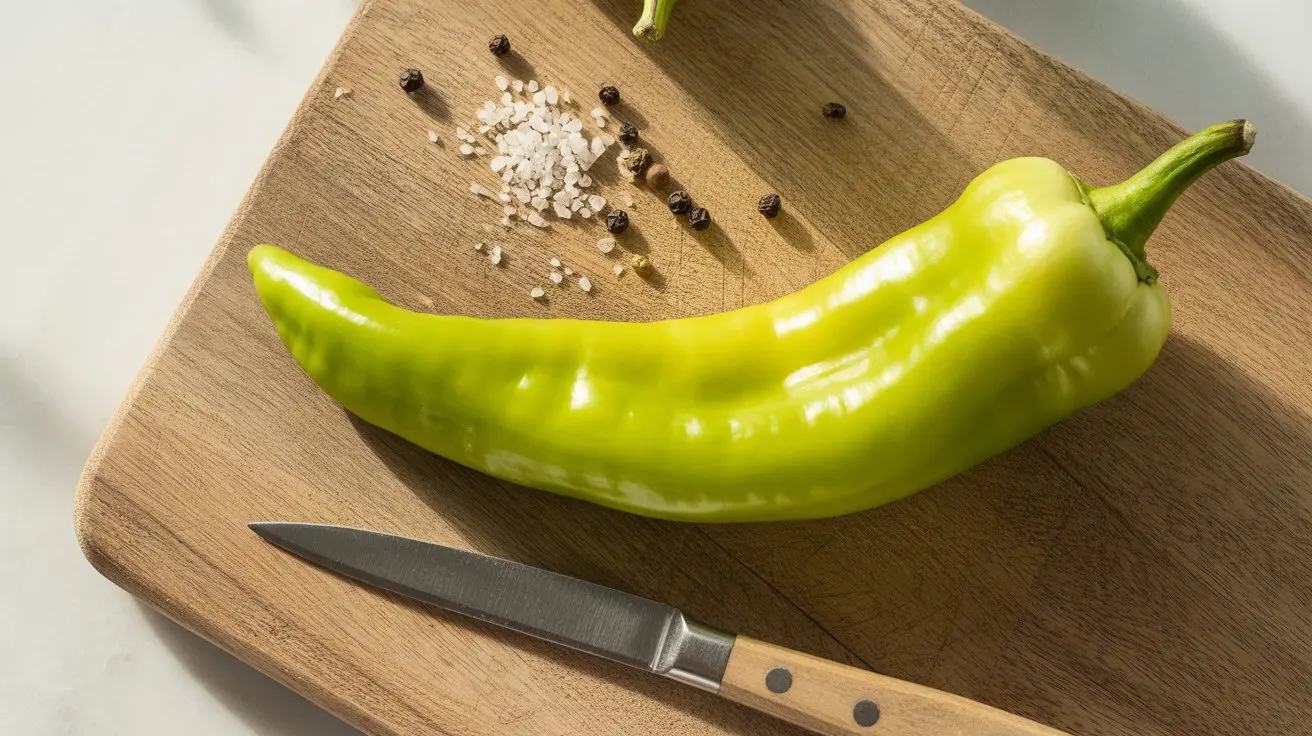
Banana peppers bring a mild, tangy sweetness to sandwiches, pickles, salads, and stuffed pepper dishes - with zero heat and a crisp bite that holds up well to cooking. When fresh banana peppers are out of season or unavailable, finding a substitute that matches their balance of sweetness, acidity, and texture is the real challenge.
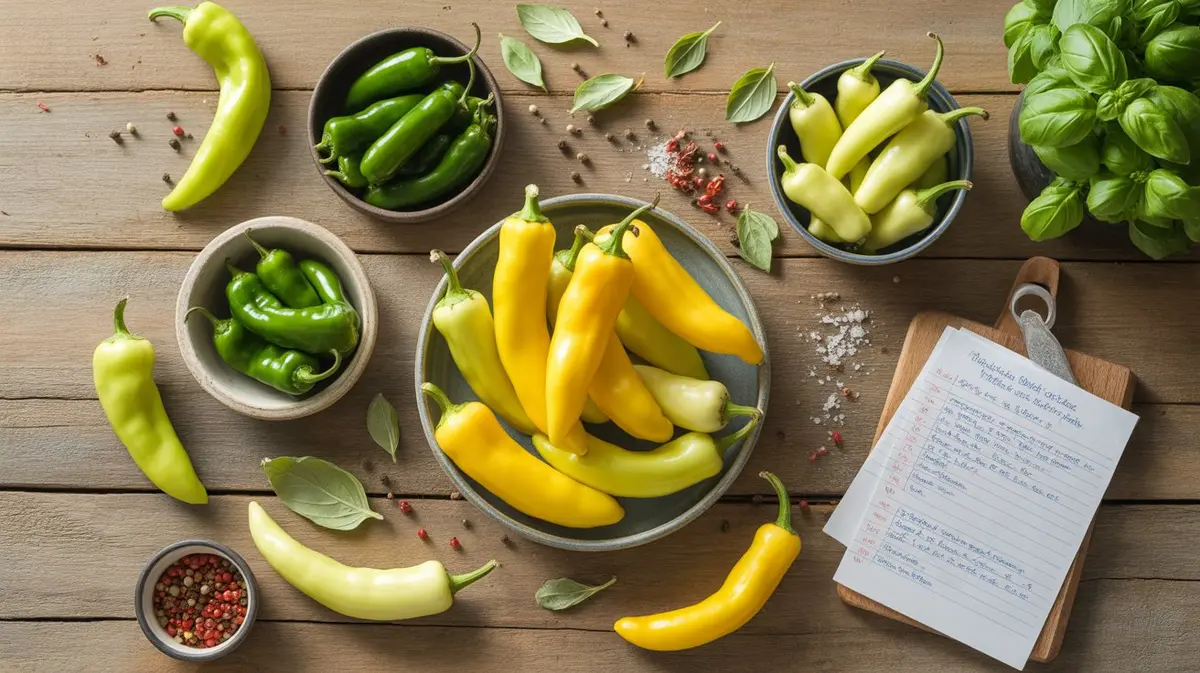
These alternatives are ranked by how closely they match Banana Pepper’s heat level and flavor profile. Use the conversion ratios to adjust quantities in your recipe.
#1
Bell Pepper Closest Match
Bell peppers sit at 0 SHU - the same heat-free zone as banana peppers - and deliver a clean, sweet and crisp flavor that works across nearly every application. The main difference is texture: bell peppers are thicker-walled and meatier, which makes them excellent for stuffing and roasting.
Use a 1:1 ratio by volume. Yellow or orange bells come closest in color and sweetness; green bells add a slightly more vegetal note. For pickled applications, the thicker walls mean longer brine time.
#2
Habanada Runner-Up
The habanada's intensely fruity, heat-free character is a sleeper pick here. Bred from habanero stock but completely without capsaicin, habanadas offer tropical, floral sweetness that pairs beautifully in fresh salsas and grain salads where banana pepper would typically shine.
Substitute at 1:1, but expect a more pronounced fruity note. Their thinner walls make them less ideal for stuffing whole, but sliced or diced they perform well. Availability is limited to specialty grocers and farmers markets.
#3
Pepperoncini Also Great
Pepperoncini are arguably the closest stand-in for banana peppers in pickled and Mediterranean applications. Both are mild, tangy, and thin-walled - and both appear regularly on antipasto plates and sub sandwiches. The side-by-side heat and flavor differences between banana pepper and pepperoncini are subtle enough that most people won't notice the swap.
Use 1:1 in any pickled or brined context. Fresh pepperoncini are slightly more bitter than banana peppers, so account for that in raw preparations by adding a small pinch of sugar.
#4
Rocotillo
The rocotillo's mild, slightly fruity profile makes it a solid mid-list option. These small, squat peppers are common in Caribbean and Latin American cooking and bring a gentle sweetness with occasional floral undertones. Heat is negligible.
Because rocotillos are smaller and more irregular in shape, use 1.5:1 by count or match by volume. They work best diced into salsas, relishes, or cooked sauces rather than sliced for sandwiches.
#5
NuMex Heritage Big Jim
For stuffed pepper applications specifically, the NuMex Heritage Big Jim's large, mild, thick-walled build makes it a practical swap. This New Mexico-style pepper has a slightly earthy, roasted flavor that differs from banana pepper's bright tang, but it holds fillings well and stays firm during baking.
Substitute 1:1 by count for stuffed recipes. It won't work as a direct swap in sandwiches or pickles due to its size and flavor profile, but for baked or roasted applications it delivers.
#6
NuMex Joe E. Parker
Another New Mexico chile in the mild tier, the NuMex Joe E. Parker's clean, slightly sweet flesh performs well in roasted and cooked dishes. It's slimmer than Big Jim and closer to banana pepper in overall size, which makes it more versatile across applications.
Use 1:1 by count for most recipes. Like Big Jim, the flavor skews earthier when cooked, so brighten finished dishes with a splash of vinegar if you're missing the banana pepper tang.
#7
Lumbre
Lumbre rounds out the list as a mild New Mexico-type pepper with a thin-walled, slightly smoky character that works in cooked salsas, stews, and relishes. It doesn't replicate banana pepper's fresh crunch or pickled tang, but for applications where the pepper is cooked down or blended, it holds its own.
Substitute at 1:1 by volume. Best reserved for cooked applications - raw lumbre lacks the brightness that makes banana peppers work in salads and sandwiches. If you want to compare banana pepper against a more familiar mild option, the banana pepper vs. jalapeño heat gap puts the zero-heat appeal of banana peppers in perspective.
Jalapeño seems tempting because it's mild by hot pepper standards, but at 2,500-8,000 SHU it brings real heat that will fundamentally change a dish built around banana pepper's zero-heat sweetness. Even the mildest jalapeño end of the range is noticeable in pickles or fresh salads.
Serrano is an even worse mismatch - running 10,000-23,000 SHU, it sits in an entirely different heat bracket. The flavor is bright and grassy in ways that can complement similar dishes, but the burn makes it a poor substitute anywhere banana pepper's mildness is the point.
Anaheim peppers are closer but still carry mild heat (500-2,500 SHU) and have a distinctly earthy, roasted character that reads as a different ingredient entirely in raw or lightly pickled preparations. Their size and shape work for stuffing, but the flavor profile diverges enough that the swap is noticeable.
Fact-Checked & Expert Reviewed
Editorial Standards: All facts verified against authoritative sources. Content reviewed by subject matter experts before publication.
Review Process:
Written by
Sofia Torres
(Lead Culinary Reviewer)
, reviewed by
Karen Liu
(Lead Fact-Checker & Science Editor)
. Last updated February 19, 2026.
Pepperoncini are the closest match for sandwich applications - they share banana pepper's thin walls, mild tang, and pickled-friendly texture. Bell peppers work too, especially yellow or orange varieties, though they're crunchier and less acidic than banana peppers.
Yes, but the thicker walls of bell peppers require a longer brine time to fully absorb the pickling liquid. Slice them thin or cut them into strips rather than using whole pieces to help the brine penetrate faster.
They're closely related but not identical - both are mild, tangy, and thin-walled, but pepperoncini tend to be slightly more bitter and wrinkled, while banana peppers are sweeter and smoother. The flavor and heat comparison between the two shows the differences are minor enough for most recipe swaps.
NuMex Heritage Big Jim and NuMex Joe E. Parker are both excellent for stuffing - they're mild, large enough to hold fillings, and stay firm during baking. Bell peppers are the most widely available option if specialty New Mexico chiles aren't accessible.
Because banana peppers bring no capsaicin heat to a dish, any substitute that adds even mild heat changes the dish's character - especially in pickles, salads, or dishes where the pepper is eaten raw. Stick to the zero-SHU options at the top of this list for heat-sensitive applications.