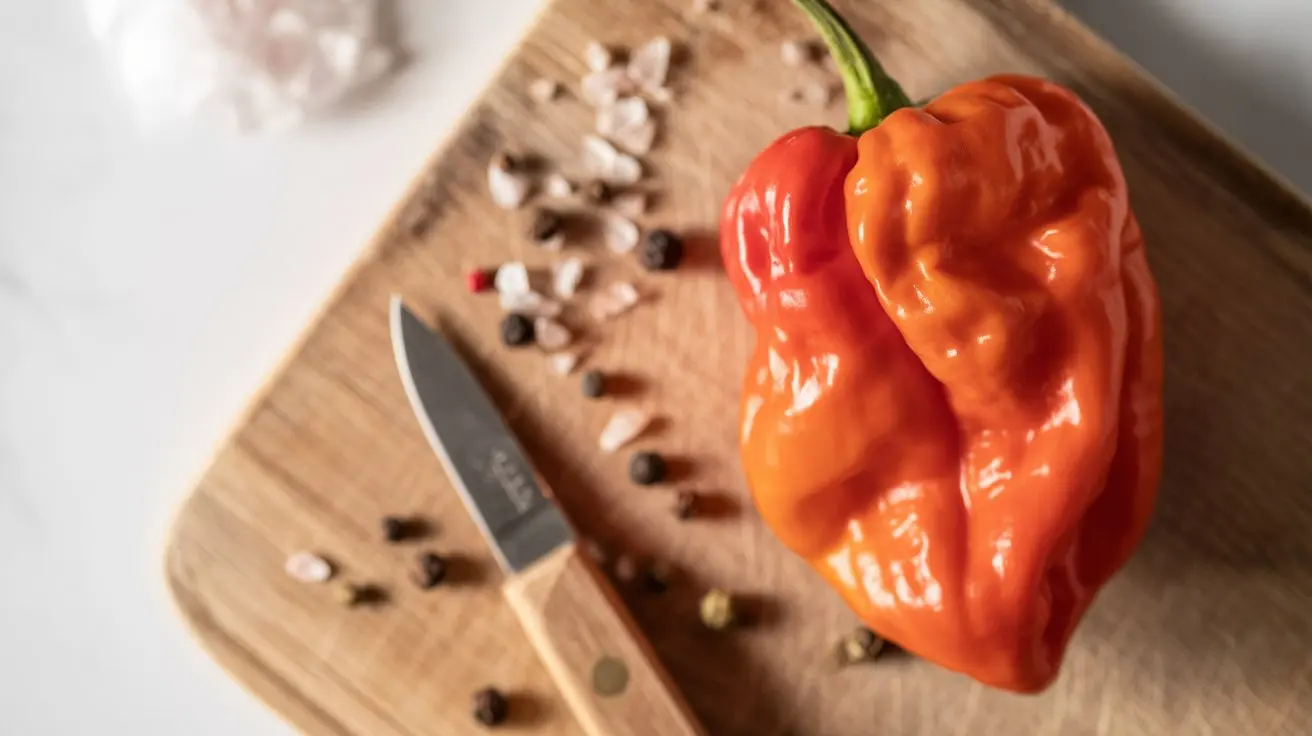
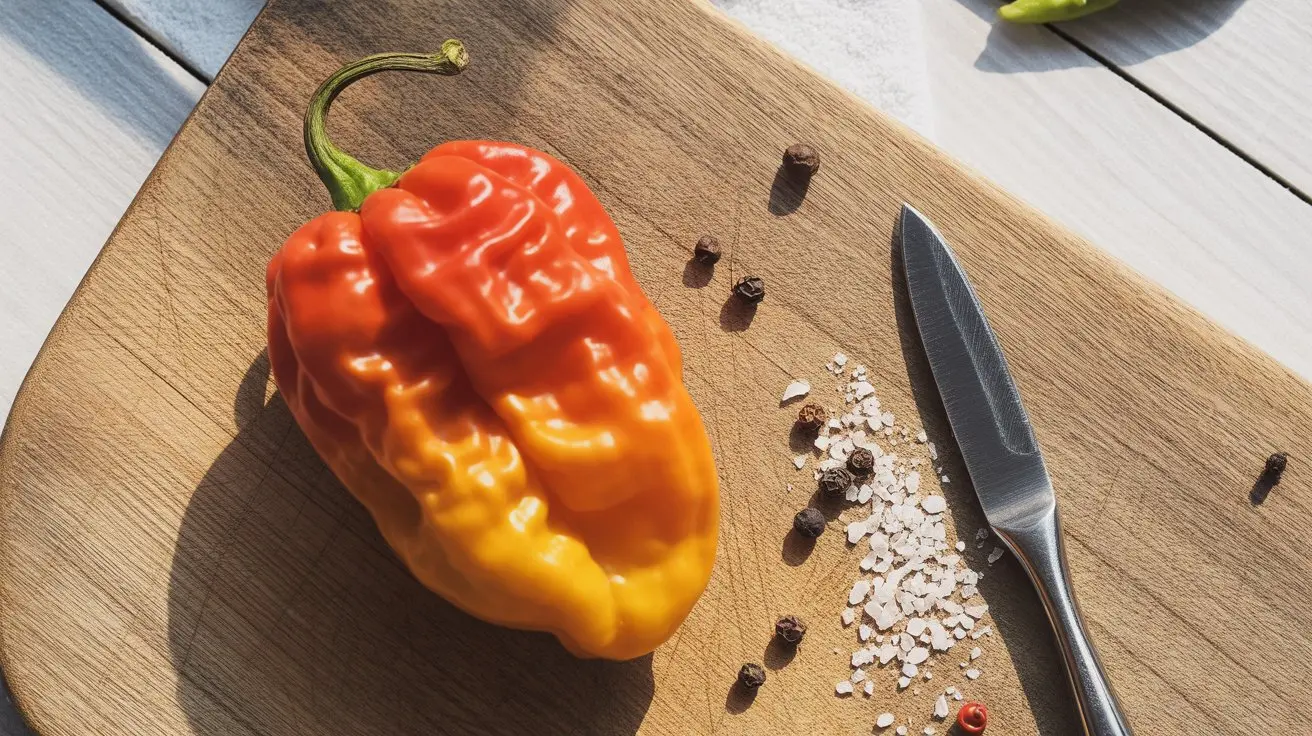
Aji Panca Substitute: Ancho for Pods and Paste, Urfa Biber for Flakes
Ancho is the closest practical all-purpose Aji Panca substitute because it provides mild heat, raisin-like sweetness, and enough dried chile flesh to make a sauce or paste. Choose mulato for darker cocoa depth, pasilla for earthy dried fruit, guajillo for brighter red color, or Urfa biber when the recipe needs flakes rather than chile body. Match whole pod, paste, powder, or flakes before adjusting smoke and liquid.
Which form does the recipe need?
Match the ingredient form before the flavor. A whole dried pod supplies skin and pulp after soaking, paste already contains water, powder disperses as dry solids, and flakes remain visible in the finished food.
Ancho can solve the first two jobs, but the same amount of ancho powder cannot automatically solve both. Decide what the missing Aji Panca was supposed to do in the recipe.
What is missing?
What must the substitute preserve?
Aji Panca is difficult to replace because its value is a bundle of traits. It brings dark berry-like sweetness, gentle smoke, red-brown color, mild-to-moderate heat, and enough dried flesh to thicken a blended marinade.
Peru's official anticucho recipe uses ground Aji Panca in both the marinade and the basting mixture. That is a functional role, not a request for smoke alone.
Preserve chile body and dried fruit first. Correct smoke, acidity, sweetness, and heat only after the replacement has the right texture.
Which Aji Panca substitute fits the dish?
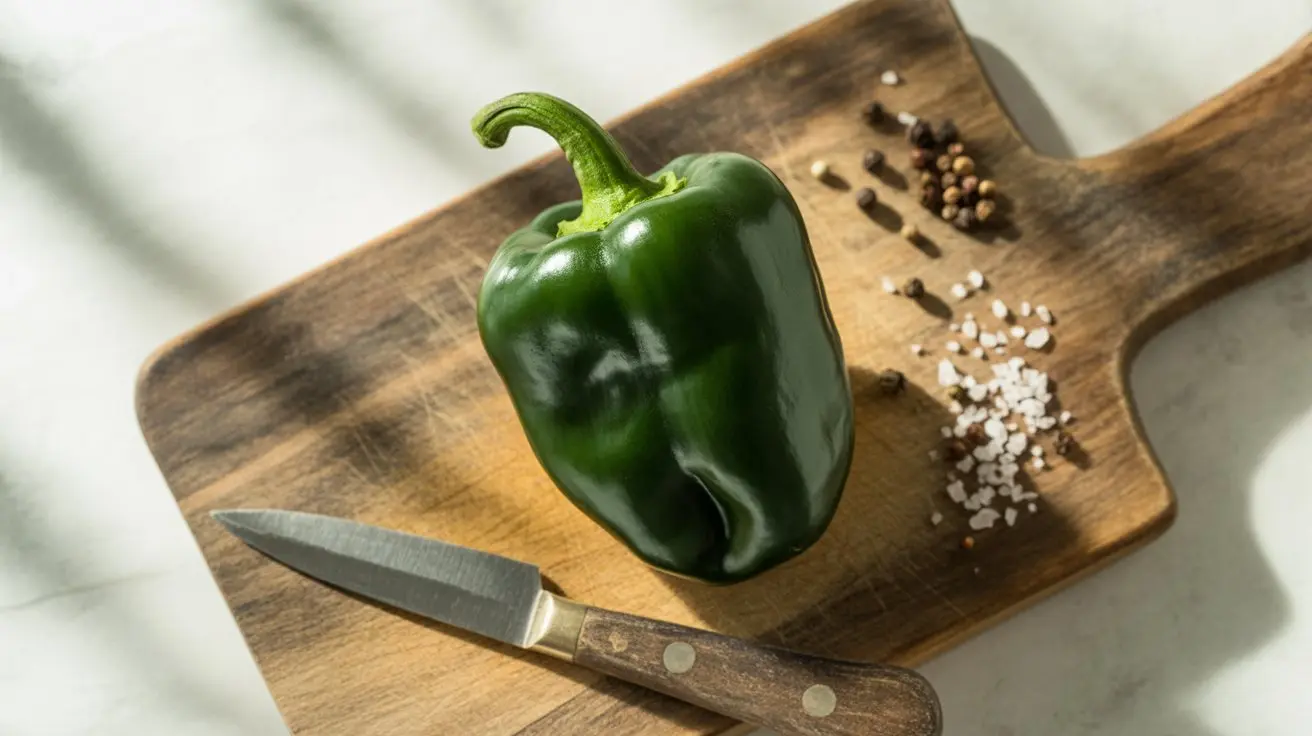
Ancho for the closest all-purpose replacement
Closest MatchAncho is the best first choice for marinades, stews, braises, and blended sauces. Its mild heat and raisin-like sweetness preserve more of Aji Panca's broad role than a bright or very smoky chile.
Ancho tastes earthier and less berry-like, so the sauce may need a little acidity after blending. Use equal trimmed dry weight as a starting test, not a promise that two pods are identical.
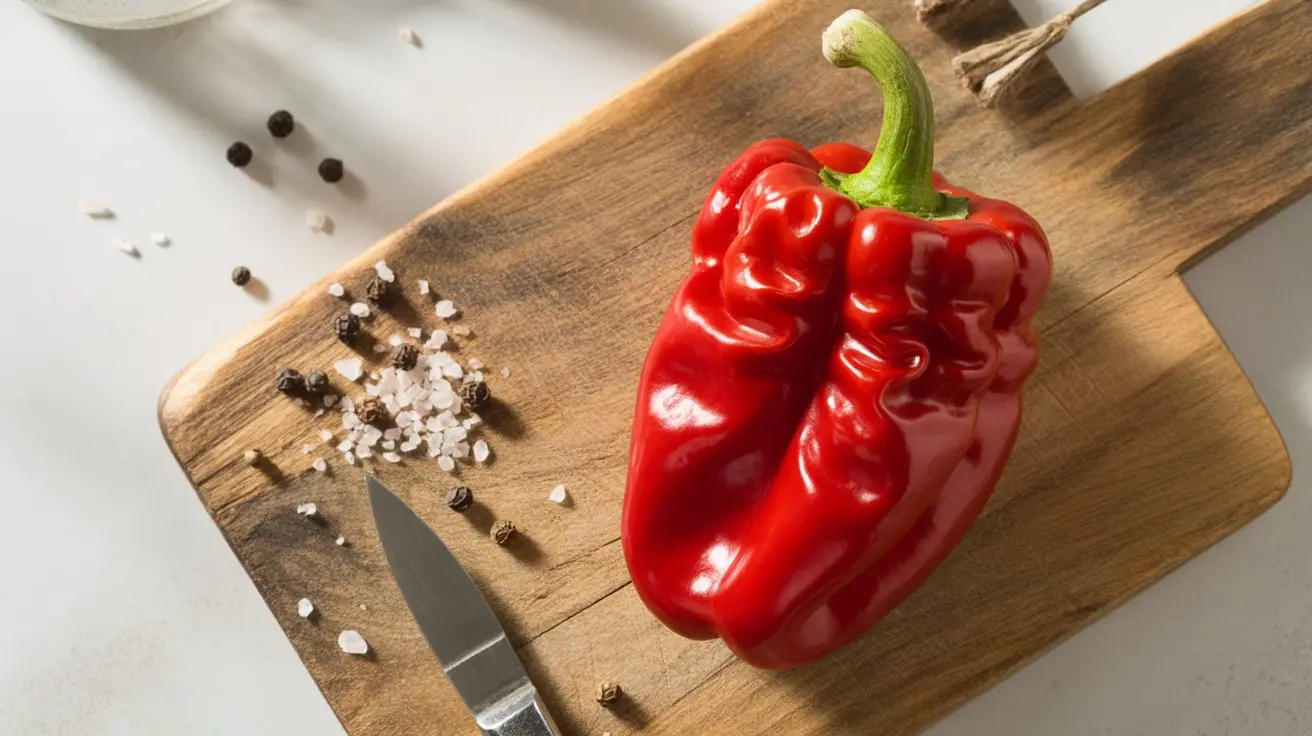
Mulato for dark braises and cocoa depth
Runner-UpMulato fits a sauce that can become darker, rounder, and more cocoa-like. It works especially well with slow-cooked meat, beans, nuts, or bittersweet ingredients.
The tradeoff is weight. Mulato can make a marinade taste heavier than Aji Panca, so add tomato, vinegar, or fruit only after the chile has been blended and tasted.
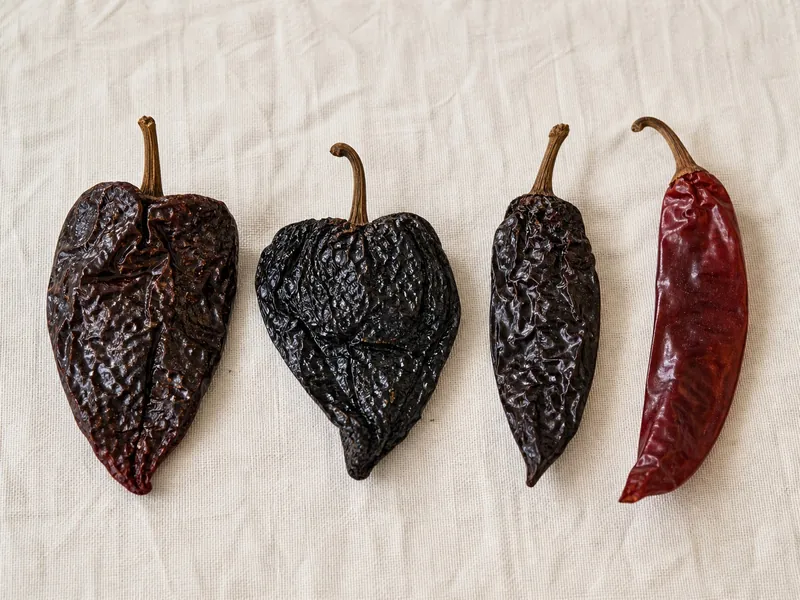
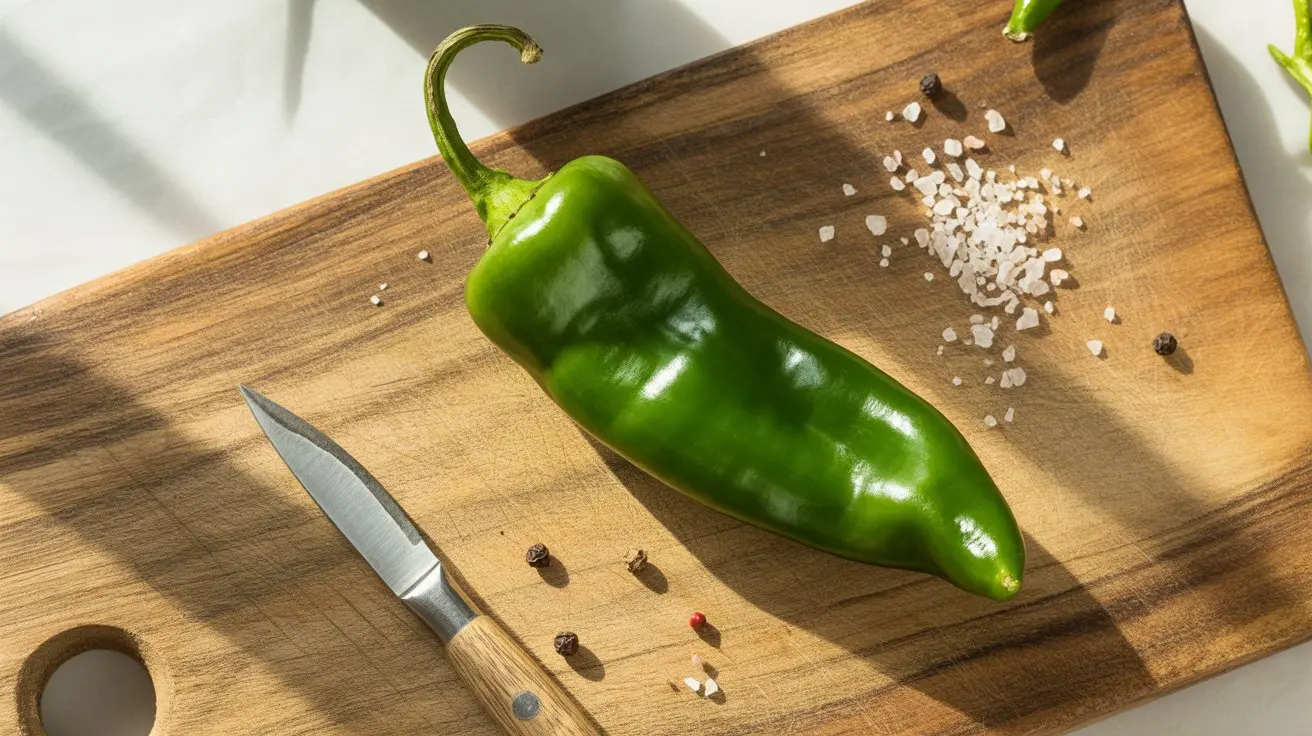
Pasilla for earthy dried-fruit flavor
Also GreatPasilla contributes raisin, earth, and mild heat without pushing the dish toward strong smoke. It is useful in a braise or sauce where dried-chile depth matters more than bright red color.
Its thin skin can leave coarse pieces if it is under-soaked. Blend thoroughly and strain only when the finished sauce needs a very smooth texture.
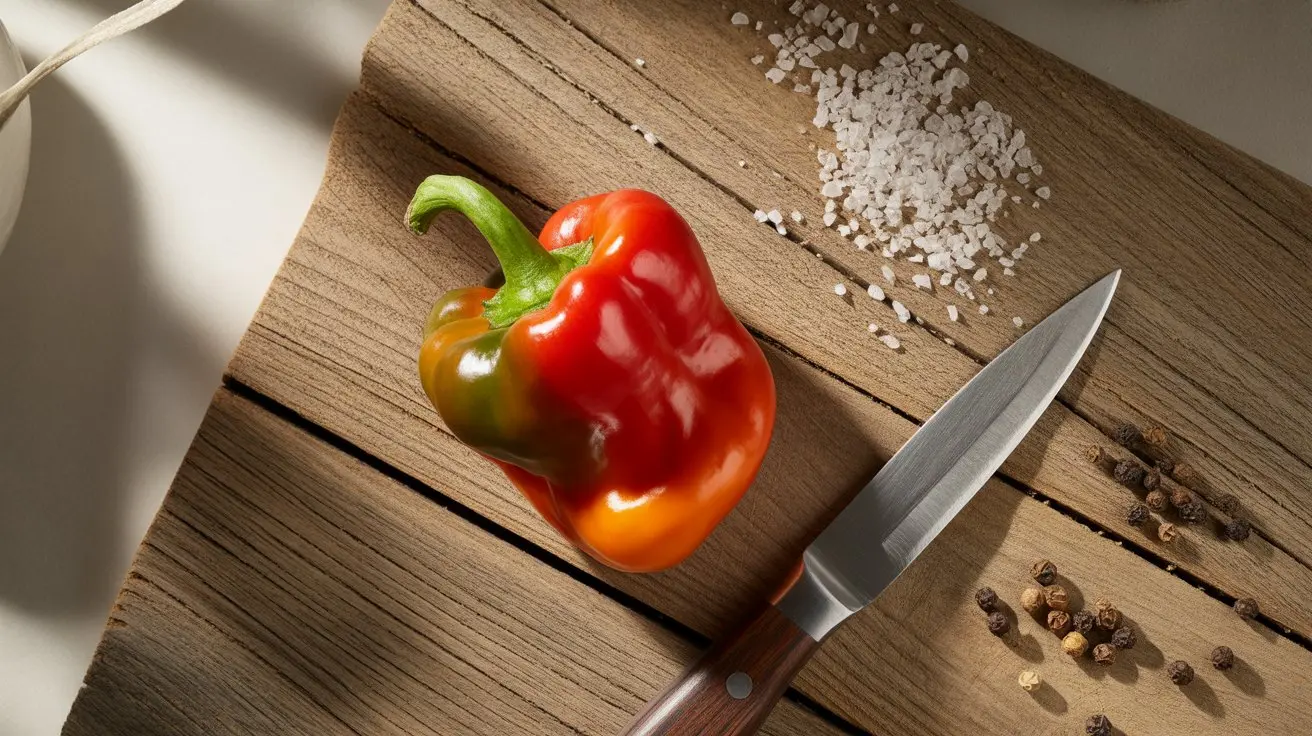
Guajillo for brighter color and tang
Guajillo is the better option when red color and a clean dried-chile structure matter. Its tangier, brighter flavor works in adobo, grilled-meat marinades, and sauces that already contain darker sweet ingredients.
It does not copy Aji Panca's soft berry character. Combine it with a smaller amount of ancho rather than burying it under smoked paprika.
Urfa biber for a flake seasoning workaround
Urfa biber brings dark color, gentle smoke, raisin-like sweetness, and moderate warmth in a moist flake form. It can season a rub, butter, finishing oil, or a sauce that already has enough body.
It cannot replace a whole pod or a cup of paste because the flakes supply little pulp. Restore liquid and chile body with another ingredient instead of increasing Urfa until the texture changes.
How do you make a paste substitute?
Use a fleshy dried chile for paste. Ancho gives the easiest mild base, while mulato makes the result darker and pasilla makes it earthier.
Remove the stem, shake out loose seeds, and wipe away surface dust before soaking. Discard any pod with visible mold or a rancid odor.
- Open and inspect the chile. Remove the stem and any damaged tissue.
- Soak until pliable. Cover with hot water and keep the pod submerged until the skin bends without cracking.
- Drain before blending. Reserve clean soaking liquid in a separate cup.
- Blend the solids first. Add liquid a spoonful at a time until the paste moves smoothly.
- Correct the flavor last. Add a small amount of smoked paprika only if the dish needs more smoke.

How should you measure the swap?
No universal pod or spoon ratio survives a change in form. Dried pod sizes vary, paste brands contain different amounts of water and salt, and fine powder packs more densely than coarse flakes.
Use the closest repeatable unit for the ingredient in front of you, then record the finished batch.
| Missing form | Starting measurement | What to correct |
|---|---|---|
| Whole dried pod | Equal trimmed dry weight | Flavor and final heat |
| Homemade paste | Same spoon volume at matching consistency | Salt, oil, and acidity |
| Dry powder | Weighed powder below the original dry weight | Liquid and dispersion |
| Urfa flakes | A small seasoning amount | Missing pulp and sauce body |
A pod-for-pod swap is acceptable only as a rough test batch when the fruits are similar in size. Weight is the better record for a recipe you intend to repeat.

Which Aji Panca swaps should you avoid?
- Smoked paprika by itself: it supplies color and smoke but almost no soaked chile pulp, so a paste or marinade remains thin.
- Chipotle as an automatic close match: it can overwhelm a mild Peruvian sauce with smoke and a different ripe-jalapeno character.
- Fresh hot pepper for dried chile body: fresh flesh adds water and green or bright fruit notes while losing the raisin-like depth the recipe expects.
Substitution tip: When substituting Aji Panca, start with less of a hotter substitute and add more to taste. For milder substitutes, increase the quantity.
Our swap ratio calculator gives precise conversion amounts, and the heat unit converter translates between Scoville and other scales.