Sanaam Chili

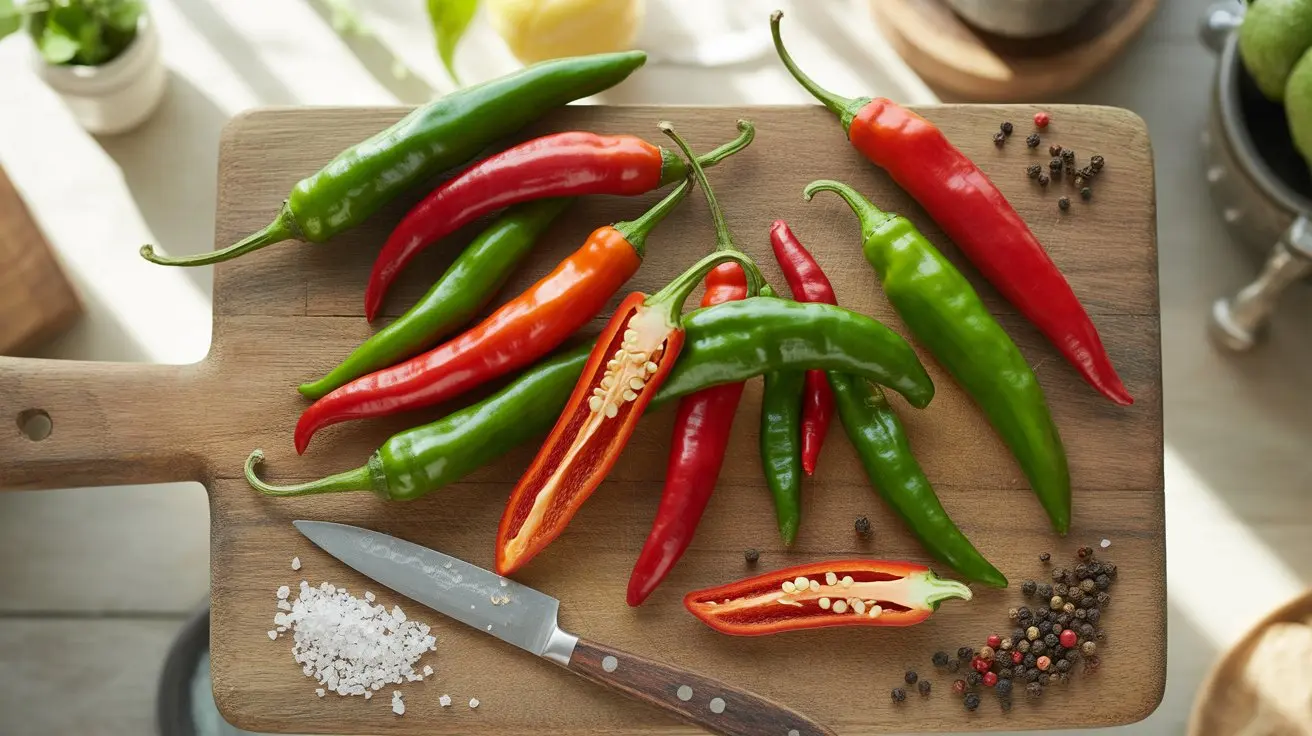
The Sanaam chili is a workhorse of Indian cooking — an elongated C. annuum variety hitting 10,000–30,000 SHU with a sharp, clean heat that builds fast. It sits firmly in the 10K–100K hot pepper range and runs roughly 6x hotter than a jalapeño. Dried, powdered, or whole, it shows up in dals, curries, and spice blends across the subcontinent.
- Species: C. annuum
- Heat tier: Hot (10K–100K SHU)
- Comparison: 6x hotter than a jalapeño
What is Sanaam Chili?
Sanaam is the kind of pepper that doesn't announce itself with fruity sweetness or smoky complexity — it gets straight to the point. The heat is sharp and direct, hitting the front of the palate before spreading back, and the flavor underneath is clean with a mild earthiness that doesn't compete with other spices in a blend.
At 10,000–30,000 SHU, it lands in the same range as the tangy, citrus-edged heat of Lemon Drop and sits comfortably alongside the warm, moderately sharp burn of Aleppo's sensory profile — though Sanaam is drier and more one-dimensional in flavor by design. That simplicity is a feature, not a flaw.
The pepper itself is elongated and thin-walled, which makes it ideal for drying. Most Sanaam found outside India arrives already dried — deep red, slightly wrinkled, and ready to be toasted whole or ground into powder. Fresh Sanaam is harder to source but worth seeking if you grow your own.
As a C. annuum species member, it shares botanical lineage with cayenne, paprika, and most common dried chilies — which partly explains its versatility and adaptability across different cooking styles. The thin flesh dries evenly and rehydrates quickly, making it practical for both dry spice work and wet preparations like curry pastes.
History & Origin of Sanaam Chili
Sanaam originates from the rich Indian pepper-growing tradition, with cultivation concentrated in Andhra Pradesh and other southern states where hot chilies are central to the cuisine. The name itself refers to a commercial grade classification used in India's chili export trade rather than a strictly distinct botanical variety.
India became a major chili producer after Portuguese traders introduced Capsicum to the subcontinent in the 16th century. Within a few generations, chilies had displaced long pepper and black pepper in many regional cuisines. Sanaam emerged as one of the standardized grades suited to export markets — consistent in size, color, and heat — making it one of the most commercially traded dried chilies in the world.
Today it's a staple in Indian spice blends and shows up in restaurant kitchens globally wherever South Asian cooking is taken seriously.
How Hot is Sanaam Chili? Heat Level & Flavor
The Sanaam Chili delivers 10K–30K Scoville Heat Units, placing it in the Hot tier (10K–100K SHU). That makes it roughly 6x hotter than a jalapeño.
Flavor notes: sharp and hot.
Sanaam Chili Nutrition Facts & Health Benefits
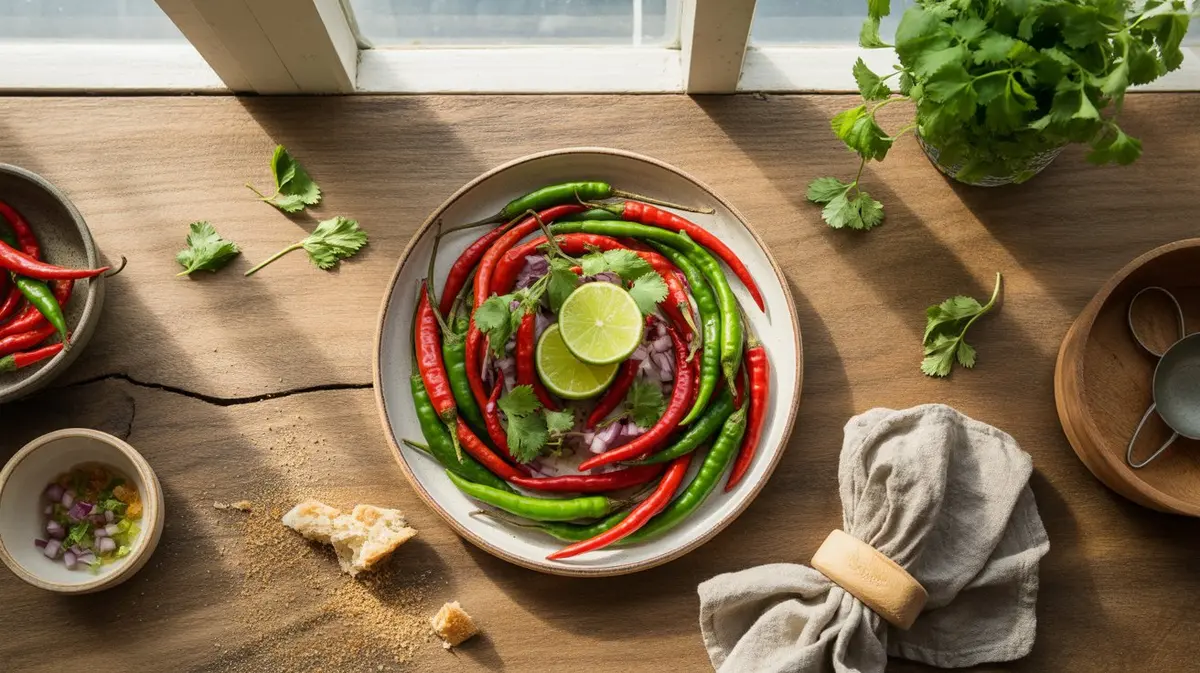
Dried Sanaam chilies are concentrated sources of capsaicin, which drives both the heat and documented metabolic effects. Like other red dried chilies, they're high in vitamin C (though some degrades during drying), vitamin A from beta-carotene, and iron.
Dried chili powder contributes meaningful antioxidants per gram, particularly carotenoids responsible for the red pigmentation. A typical serving in cooking — roughly 1–2 grams of dried chili — adds negligible calories while delivering capsaicin compounds that research links to anti-inflammatory pathways.
Sodium content is essentially zero in pure dried form, making Sanaam a clean heat source for low-sodium cooking.
Best Ways to Cook with Sanaam Chili Peppers
Sanaam's best role is wherever you need clean, reliable heat without a pepper's personality competing with the dish. That makes it perfect for spice blends like sambar powder, rasam powder, and various curry masalas, where its sharp heat integrates without muddying other flavors.
Toasting whole dried Sanaam in a dry pan for 30–45 seconds before grinding releases volatile oils and adds a subtle depth that raw-ground powder lacks. For curries and dals, dropping two or three whole dried chilies into hot oil at the start — letting them bloom for 20 seconds — infuses the base oil with heat and color before any other ingredients go in.
Compared to the flexible culinary applications of thin-fleshed De Arbol, Sanaam is slightly milder on average and produces a redder, more bold color in finished dishes. It also rehydrates well in warm water, making it useful in wet pastes alongside ginger, garlic, and onion.
For heat calibration: if the sharp tropical bite of a Bird's Eye chili is too aggressive for your dish, Sanaam offers a similar directness at a lower ceiling. Use 2–4 dried chilies per serving for moderate heat; double that for traditional South Indian intensity.
Where to Buy Sanaam Chili & How to Store
Dried Sanaam chilies are available at most Indian grocery stores, often sold in 100g–500g bags labeled simply as "whole red chilies" or specifically as Sanaam grade. Online spice retailers carry them reliably year-round.
Look for pods that are deep red without brown patches or visible mold. A musty smell means moisture got in — pass on those.
Store whole dried Sanaam in an airtight container away from light and heat. Whole pods stay potent for 12–18 months; ground powder degrades faster, losing sharpness after 6 months. Freezing whole dried chilies extends shelf life without affecting quality.
Best Sanaam Chili Substitutes & Alternatives
Whether you ran out of sanaam chili or just want to try something different, these peppers make solid stand-ins. We picked them based on heat range, flavor overlap, and how well they actually work in the same dishes.
Our top pick: Lemon Drop (15K–30K SHU). The heat level is close enough for a direct swap in salsas, sauces, and stir-fries. Flavor leans citrusy and bright, so the taste will shift a bit — but the overall heat stays in the same range.
How to Grow Sanaam Chili Peppers
Sanaam grows as a productive annual in most climates, though it performs best where summers are long and genuinely hot. Start seeds indoors 8–10 weeks before last frost — check practical guidance on when to plant peppers to dial in your specific timing.
Germination is reliable at soil temperatures between 80–85°F. Once seedlings have developed their second set of true leaves, follow solid transplant pepper seedlings technique to avoid root disturbance that can set plants back weeks.
In the ground, Sanaam wants full sun and well-draining soil with a pH around 6.0–6.8. It grows more compactly than the sprawling cultivation characteristics of thick-walled Manzano, typically reaching 2–3 feet with good branching. Consistent moisture matters most during flowering — inconsistent watering at that stage causes blossom drop.
The thin walls that make Sanaam excellent for drying also mean the fruit loses moisture quickly on the plant. Harvest when pods are fully red and beginning to feel slightly dry to the touch. For home drying, hang bunches in a warm, well-ventilated space for 2–3 weeks, or use a dehydrator at 125°F until brittle.
Frequently Asked Questions
-
Sanaam tops out at 30,000 SHU, which puts it at roughly the same ceiling as cayenne's well-known sharp heat — though cayenne averages slightly higher at 30,000–50,000 SHU. In practical cooking terms, they're interchangeable for heat level, though Sanaam tends to produce a redder color in finished dishes.
-
Yes — Sanaam works as a direct swap for most dried Indian red chilies in curries and spice blends. Its heat and color profile are also close enough to the bright, sharp burn of Serrano-level heat in fresh applications that a 1:1 dried substitution usually works without adjusting quantities.
-
No — these are distinct commercial grades from different regions. Kashmiri chili is prized for deep color and mild heat (around 1,000–2,000 SHU), while Sanaam runs 10,000–30,000 SHU with a sharper burn. Mixing them up in a recipe will significantly change the heat level of the finished dish.
-
The base flavor is clean and mildly earthy with very little fruitiness — a deliberate contrast to something like the indigenous South Asian cultural background of Jwala's fiery character, which carries more grassy, fresh notes. That neutrality is exactly why Sanaam works so well in spice blends where the pepper's own flavor shouldn't dominate.
-
Absolutely — the clean heat and good red color translate well into Mexican-style sauces, chili oils, and anywhere you'd use a mid-heat dried red chili. Its profile sits close to the mild-to-moderate heat characteristics of Bishop's Crown in terms of approachability, though Sanaam is significantly hotter and drier in texture.
- Chile Pepper Institute — Capsicum Species and Classification
- USDA Agricultural Research Service — Capsicum annuum
- Spices Board India — Chili Export Grades
Species classification: C. annuum — based on published botanical taxonomy.