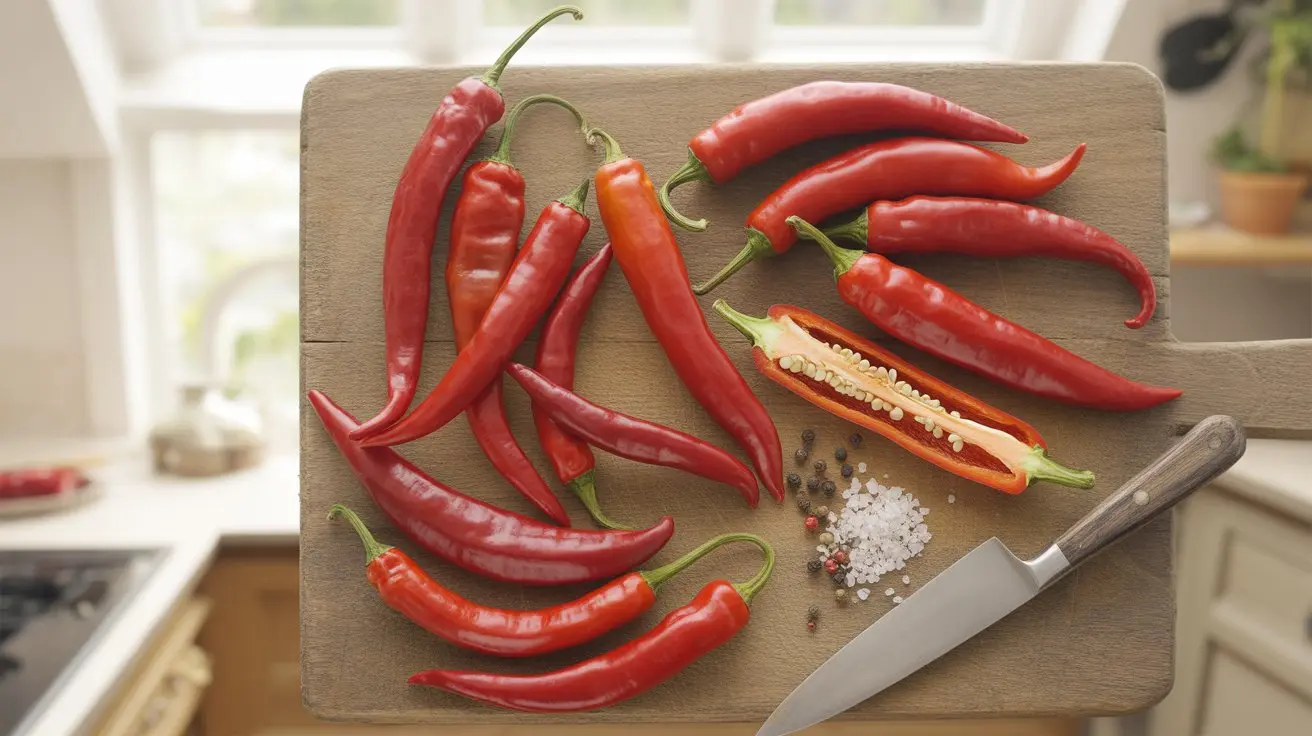
Reshampatti Chili

The reshampatti chili is a deeply earthy, fiercely hot Indian pepper clocking in at 10,000–30,000 SHU — roughly 6x hotter than a jalapeño. Grown primarily in Gujarat and Rajasthan, it delivers a slow-building burn with rich, almost smoky undertones. This elongated C. annuum variety is a backbone ingredient in Indian spice blends and dry-roasted masalas.
- Species: C. annuum
- Heat tier: Hot (10K–100K SHU)
- Comparison: 6x hotter than a jalapeño
What is Reshampatti Chili?
Crack open a dried reshampatti and the first thing that hits you is the aroma — dusty, warm, and slightly smoky, like the inside of a spice merchant's drawer. The flavor follows that lead: deeply earthy with a low-frequency heat that builds steadily rather than attacking immediately.
At 10,000–30,000 SHU, this pepper sits firmly in the hot pepper intensity zone — comparable in range to the tart, citrus-edged bite of a lemon drop pepper or the dried, woodsy heat of a de arbol with its deep Mexican culinary roots. But the reshampatti has its own personality: less fruity, more mineral, with a finish that lingers on the back of the throat.
The pods grow elongated and thin-walled, drying to a deep brick red. Dried is how most people encounter this pepper — fresh versions exist but are far less common outside its home regions of Gujarat and Rajasthan.
It belongs to the Indian pepper growing tradition alongside other regional staples like the intensely hot, slender-podded jwala and the color-rich Kashmiri chili. Where Kashmiri leans mild and colorful, reshampatti brings serious heat with less visual drama. It is a workhorse pepper — not the star of the dish, but the reason the dish has depth.
History & Origin of Reshampatti Chili
The reshampatti takes its name from a Gujarati term loosely referencing silk — likely describing the smooth, thin skin of the dried pod. It has been cultivated in western and northwestern India for generations, deeply embedded in the spice trade that once moved through Gujarat's ports.
India has long been one of the world's largest producers and consumers of dry red chilies, and reshampatti carved out a specific niche: high heat with strong color retention after drying. Farmers in Rajasthan and Gujarat selected for these traits over decades, producing a variety well-suited to the hot, semi-arid conditions of the region.
The pepper remains largely regional — rarely exported whole, more often ground into commercial spice blends. Its influence on Indian cooking is quiet but significant, showing up in spice markets across the subcontinent.
How Hot is Reshampatti Chili? Heat Level & Flavor
The Reshampatti Chili delivers 10K–30K Scoville Heat Units, placing it in the Hot tier (10K–100K SHU). That makes it roughly 6x hotter than a jalapeño.
Flavor notes: earthy and hot.
Reshampatti Chili Nutrition Facts & Health Benefits
Like most hot peppers, reshampatti delivers vitamin C and vitamin A (particularly in the dried red form, where carotenoids concentrate). Dried chilies are also a source of iron and potassium, though serving sizes are small.
The heat compound, capsaicin, has been studied for its role in metabolism and pain response — the science behind why capsaicin triggers a burn sensation comes down to TRPV1 receptor activation. Reshampatti's 10,000–30,000 SHU range, as measured on the Scoville rating system, reflects a meaningful capsaicin load — enough to produce thermogenic effects with regular consumption.
Best Ways to Cook with Reshampatti Chili Peppers
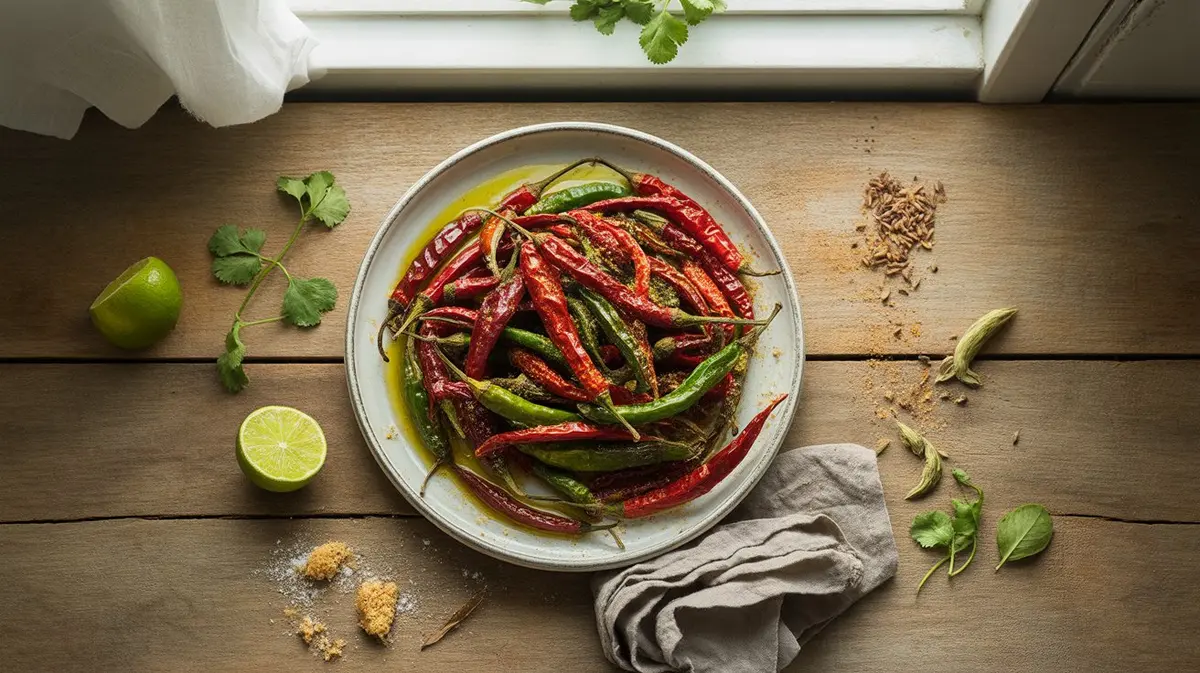
Reshampatti earns its place in the kitchen through dried and ground applications. The whole dried pods are often tempered in hot oil at the start of cooking — a technique called tadka — releasing their earthy fragrance before other ingredients go in.
Ground reshampatti adds both heat and a reddish color to dishes, though it is less vivid than Kashmiri chili. It works well in dry spice rubs, lentil preparations, and pickles where its lingering burn has time to integrate. The flavor profile — earthy rather than fruity — makes it a strong pairing with legumes, roasted vegetables, and lamb.
For those experimenting beyond Indian cuisine, the pepper holds up in oil-based sauces. Its heat level is approachable enough that it can anchor a homemade buffalo sauce or add backbone to an herb-forward chimichurri preparation without overwhelming the other flavors.
Compared to the thick-walled, bell-like sensory profile of the manzano pepper, reshampatti is leaner and drier — better suited to powder form than fresh applications. Pair it with cumin, coriander, and turmeric for traditional use, or push it into fusion territory with smoked paprika and garlic.
Where to Buy Reshampatti Chili & How to Store
Reshampatti is rarely found in standard grocery stores outside South Asian communities. Look in Indian grocery stores or specialty spice shops, usually sold dried whole or pre-ground. Online spice retailers occasionally carry it, though labeling can be inconsistent — some products blend reshampatti with other Indian dry chilies.
For whole dried pods, store in an airtight container away from light and heat. Properly stored, they hold flavor for 12–18 months. Ground powder degrades faster — use within 6 months for best results. The similarly heat-ranged Guntur chili is a close substitute if reshampatti is unavailable, and the deep-red Dundicut offers a comparable earthy profile in a pinch.
Best Reshampatti Chili Substitutes & Alternatives
Whether you ran out of reshampatti chili or just want to try something different, these peppers make solid stand-ins. We picked them based on heat range, flavor overlap, and how well they actually work in the same dishes.
Our top pick: Lemon Drop (15K–30K SHU). The heat level is close enough for a direct swap in salsas, sauces, and stir-fries. Flavor leans citrusy and bright, so the taste will shift a bit — but the overall heat stays in the same range.
How to Grow Reshampatti Chili Peppers
Reshampatti is a C. annuum variety, which means it follows familiar rules: start seeds indoors 8–10 weeks before last frost, maintain soil temperatures around 80–85°F for germination, and expect pods in 75–90 days after transplant. If you want a full breakdown of timing and technique, the pepper germination and growing guide covers the process in detail.
The plant thrives in hot, dry conditions — which tracks given its Rajasthan origins. It handles heat stress better than many annuums and does not require the humidity that some tropical varieties demand. Give it full sun, well-draining soil, and moderate water; overwatering causes root issues and dilutes flavor in the pods.
Plant spacing of 18–24 inches allows good airflow, reducing fungal pressure on the thin-walled pods. The distinctive narrow pod shape of the jwala offers a useful growing comparison — both prefer similar dry conditions. Reshampatti also responds well to the same growing conditions that suit the compact, productive bishop's crown.
Expect moderate yields. Pods dry well on the plant and can be harvested red for drying or green for fresh use. For long-term storage, dry at 130–140°F in a dehydrator until completely brittle.
Frequently Asked Questions
-
Reshampatti ranges from 10,000–30,000 SHU, while tabasco sits around 2,500–5,000 SHU — making reshampatti roughly 4–6x hotter depending on the specific pod. The burn character is also different: tabasco is sharp and immediate, while reshampatti builds more slowly with an earthy finish.
-
Fresh reshampatti exists but is uncommon outside its home growing regions in Gujarat and Rajasthan. Most culinary applications use the dried whole pod or ground powder, where the flavor concentrates and the earthy character becomes more pronounced.
-
It appears most often in tadka (tempering oil), dry spice blends, pickles, and lentil dishes where its lingering heat integrates during long cooking. Ground reshampatti also adds a reddish hue to dishes, though less vivid than Kashmiri chili.
-
No — both are Indian dry red chilies in a similar heat range, but they come from different regions and have distinct flavor profiles. Guntur (from Andhra Pradesh) tends to be sharper and more pungent, while reshampatti (from Gujarat and Rajasthan) skews earthier and slightly smokier.
-
The Guntur chili's comparable heat and dryness makes it the closest substitute in most Indian recipes. For non-Indian applications, the Aleppo pepper's moderate, earthy heat profile offers a similar warmth with a different regional character.
- India Spices Board - Red Chilli Production Overview
- Chile Pepper Institute - Capsicum annuum Species Overview
- USDA FoodData Central - Red Chili Pepper Nutritional Profile
Species classification: C. annuum — based on published botanical taxonomy.