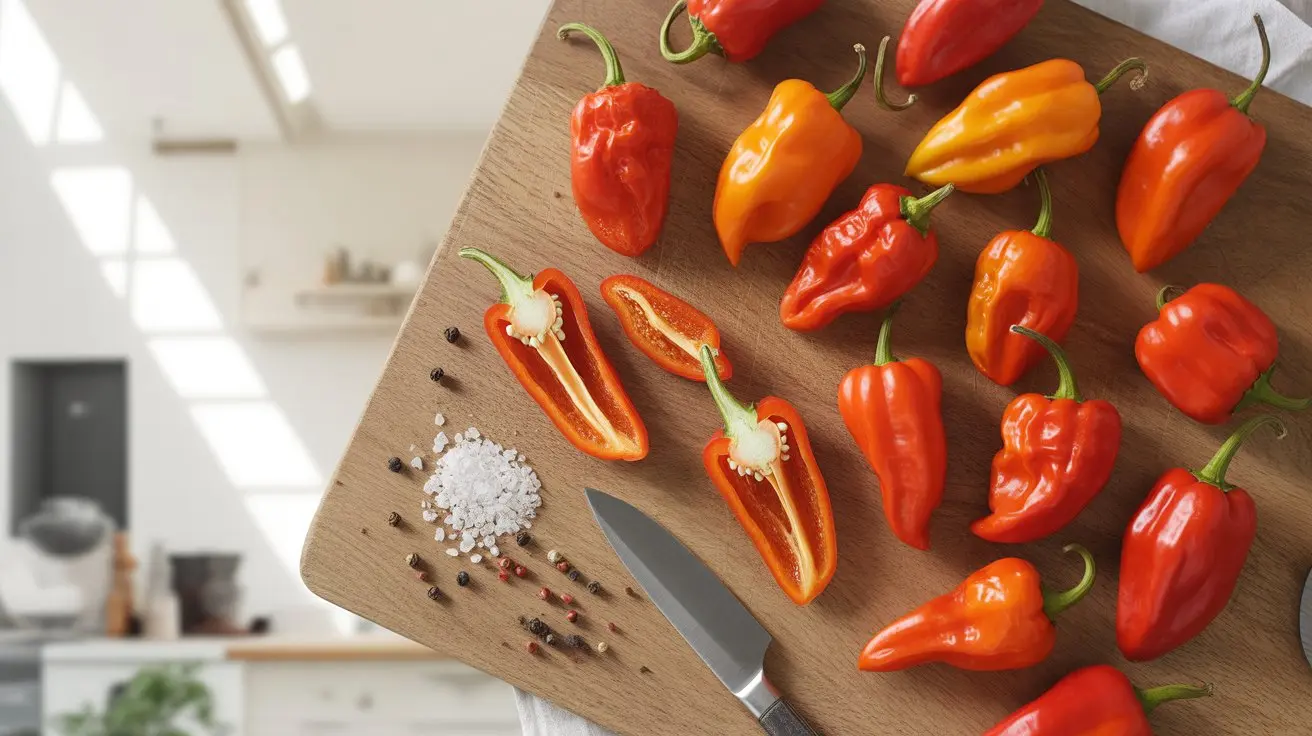
Red Savina Habanero

The Red Savina Habanero held the Guinness World Record for hottest pepper from 1994 to 2006, clocking in at 350,000-580,000 SHU - that's roughly 116 times hotter than a jalapeño. Bred in California from Caribbean habanero stock, it delivers intense fruity heat that made it legendary. Today it remains one of the most respected extra-hot peppers for serious cooks and growers.
- Species: C. chinense
- Heat tier: Extra-Hot (100K–1M SHU)
- Comparison: 116x hotter than a jalapeño
What is Red Savina Habanero?
Frank Garcia of GNS Spices in Walnut, California developed the Red Savina through selective breeding during the late 1980s, isolating the hottest, most individuals from standard habanero populations. The result: a deep red, lantern-shaped fruit that pushed the C. chinense botanical genus to limits nobody expected from a domestically bred variety.
At 350,000-580,000 SHU, the Red Savina sits firmly in super-hot territory - hotter than the fruity Caribbean-style habanero most people know, and nearly double the heat ceiling of standard orange habaneros.
The flavor underneath that fire is genuinely worth noting. Fruity, almost tropical, with a brightness that hits before the capsaicin does. That flavor window is short - the burn follows fast and builds for several minutes - but skilled cooks use it deliberately, adding Red Savina early in cooking to let the fruit notes meld while heat dissipates slightly, or raw in small quantities where the full profile lands intact.
The pods grow to about 1.5 inches long, wrinkled and deeply red when ripe, with the characteristic habanero lantern shape. Plants are productive under the right conditions, though they demand more heat and patience than standard habaneros. For anyone working in American pepper traditions, the Red Savina represents a landmark - the first domestically developed variety to claim a world heat record.
History & Origin of Red Savina Habanero
Before the Bhut Jolokia arrived on the scene in 2007, the Red Savina was the undisputed hottest pepper on earth. Guinness certified it in 1994 at 577,000 SHU, a record it held for over a decade.
Frank Garcia's breeding program at GNS Spices wasn't chasing records initially - he was selecting for consistent heat and color in commercial habanero crops. What emerged was something far beyond the parent stock.
Garcia received a U.S. Plant Variety Protection certificate for the Red Savina in 1993, making it one of the few peppers with formal intellectual property protection. That certificate restricted commercial seed sales for years, which partly explains why the variety remained relatively rare compared to its fame.
Today the patent has expired, and seeds are widely available. The Red Savina's legacy sits in that 12-year window when it defined the ceiling of what a pepper could be - a ceiling that has since been shattered by varieties like the 7 Pot Primo's extreme upper range and Trinidad Scorpion's documented record heat.
How Hot is Red Savina Habanero? Heat Level & Flavor
The Red Savina Habanero delivers 350K–580K Scoville Heat Units, placing it in the Extra-Hot tier (100K–1M SHU). That makes it roughly 116x hotter than a jalapeño.
Flavor notes: fruity and intense.
Red Savina Habanero Nutrition Facts & Health Benefits
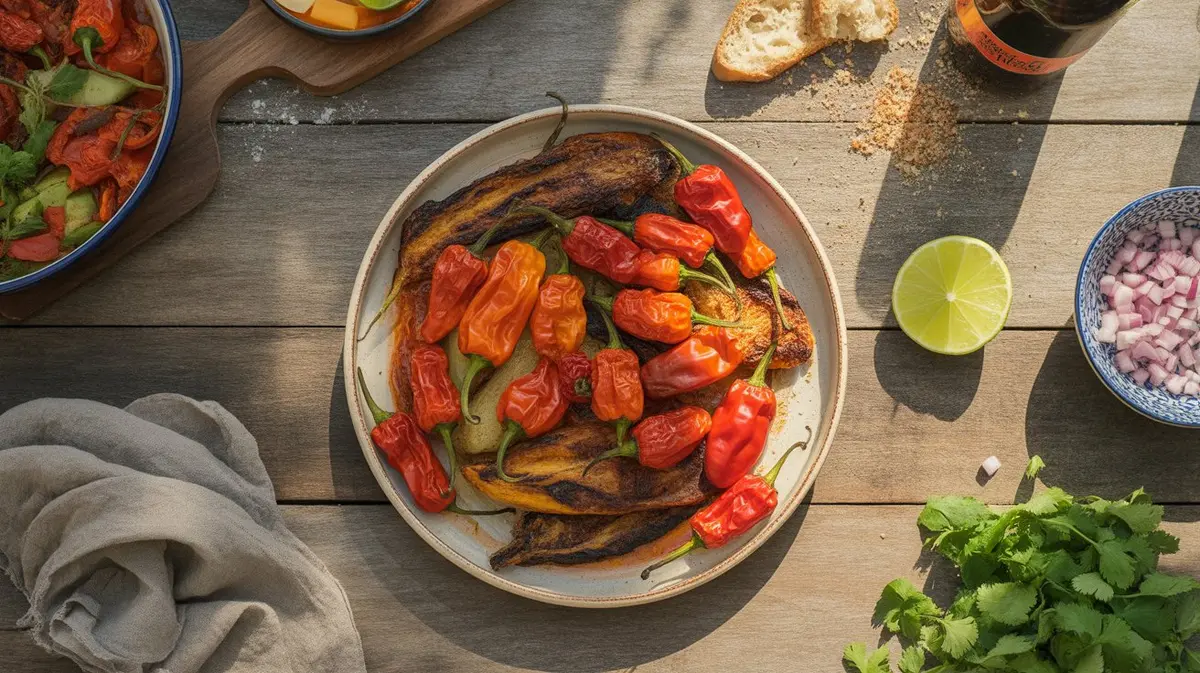
Like other C. chinense varieties, Red Savina pods are nutritionally dense relative to their size. A single pepper delivers meaningful amounts of vitamin C - habanero-type peppers routinely contain more vitamin C per gram than oranges.
Capsaicin, the compound responsible for that 350,000-580,000 SHU heat, has been studied for anti-inflammatory and metabolic effects, though the quantities consumed in normal cooking are modest. The molecular burn mechanism of capsaicin involves binding to TRPV1 receptors - the same receptors that respond to actual heat.
Red Savinas also contain vitamin A, potassium, and antioxidant carotenoids that give the fruit its deep red color.
Best Ways to Cook with Red Savina Habanero Peppers
The Red Savina's culinary reputation rests on that combination of real fruit flavor and serious heat. It's not a novelty pepper - it's a working ingredient for cooks who want maximum impact in small doses.
Hot sauce is the obvious application. A single Red Savina can heat an entire batch of salsa or sauce while contributing tropical fruit notes that milder peppers can't match. Compare this to the dark, earthy intensity of a 300,000+ SHU chocolate-colored habanero - the Red Savina runs brighter and fruitier, making it better suited to vinegar-based sauces and citrus-forward applications.
For pickling, the Red Savina holds up beautifully - the acid tempers the heat while preserving that fruity top note. If you're new to how to pickle peppers at this heat level, start with a basic brine and taste-test before scaling up.
Dried and ground, Red Savina powder functions like an ultra-potent habanero powder. A quarter teaspoon can replace a full teaspoon of standard habanero powder in marinades, dry rubs, or spice blends.
Pairings that work well: mango, pineapple, citrus zest, dark chocolate, aged rum, coconut milk. The fruitiness bridges sweet and savory without effort. Caribbean-style dishes built around the vivid red lantern-shaped look of the Caribbean Red translate directly to Red Savina applications - same flavor family, higher heat ceiling.
Where to Buy Red Savina Habanero & How to Store
Fresh Red Savinas are rarely found in mainstream grocery stores - specialty markets, farmers markets, and online pepper vendors are your best sources during late summer and fall.
Look for pods that are fully red with no soft spots, firm to the touch, and glossy. Avoid anything showing mold at the stem end.
Refrigerate fresh pods in a paper bag for up to 2 weeks. For longer storage, freeze whole pods - they thaw well for cooking applications. Dried Red Savinas and Red Savina powder are more widely available year-round from specialty spice retailers and hold potency for 12-18 months in an airtight container away from light.
Best Red Savina Habanero Substitutes & Alternatives
Whether you ran out of red savina habanero or just want to try something different, these peppers make solid stand-ins. We picked them based on heat range, flavor overlap, and how well they actually work in the same dishes.
Our top pick: Caribbean Red Habanero (300K–475K SHU). Same species (C. chinense) and nearly the same heat, so it swaps in at a 1:1 ratio without changing the character of the dish. The flavor leans fruity and intense, which is close enough that most people won’t notice the difference in a cooked recipe.
How to Grow Red Savina Habanero Peppers
Growing Red Savinas takes patience and heat. Start seeds indoors 10-12 weeks before last frost - this variety needs a long season to reach full production.
Germination runs 14-21 days at soil temperatures of 80-85°F. A heat mat is essentially mandatory; germination rates drop sharply below 75°F. Once seedlings are established with 2-3 true leaves, transplant to 3-inch pots before moving outdoors after all frost risk passes.
For transplanting and cultivation, Red Savinas want full sun and consistent moisture without waterlogging. They're slightly more demanding than standard habaneros - they stall in cool summers and struggle in heavy clay soils. Sandy loam amended with compost is ideal.
Expect 90-100 days from transplant to first ripe fruit. Plants can reach 3-4 feet tall in optimal conditions and benefit from staking once pods set.
If you notice pepper leaves curling, check for spider mites first - they're the most common culprit on habanero-type plants in hot, dry conditions. Inconsistent watering causes similar symptoms.
The Red Savina's growth habit is comparable to the vigorous lantern-pepper cultivation style - both benefit from consistent fertilization through the fruiting period. A balanced fertilizer early, then lower nitrogen once flowering begins, keeps plants productive rather than just leafy.
Frequently Asked Questions
-
A standard habanero's classic fruity heat profile tops out around 350,000 SHU, which is where the Red Savina begins. At 350,000-580,000 SHU, the Red Savina can run nearly twice as hot as a typical habanero at its upper range.
-
No - it held the Guinness record from 1994 to 2006 before the Bhut Jolokia displaced it. Varieties like the Naga Viper's scorching documented SHU and Komodo Dragon have since pushed the ceiling far higher.
-
You can, but use roughly half the quantity - the Red Savina runs significantly hotter than standard habaneros while sharing the same fruity flavor profile. The flavor substitution is nearly perfect; the heat adjustment is essential.
-
Frank Garcia received a U.S. Plant Variety Protection certificate in 1993, which restricted commercial seed sales to licensed parties for 20 years. That protection has since expired, making seeds widely available from specialty vendors.
-
Expect 90-100 days from transplant to first ripe red pods - longer than standard habaneros, which typically fruit in 75-90 days. Starting seeds indoors 10-12 weeks before last frost is critical for getting a full harvest before fall temperatures drop.
- GNS Spices - Red Savina Habanero Plant Variety Protection Certificate
- Chile Pepper Institute - Habanero Pepper Information
- Guinness World Records - Hottest Chili
- USDA Plant Variety Protection Office
Species classification: C. chinense — based on published botanical taxonomy.