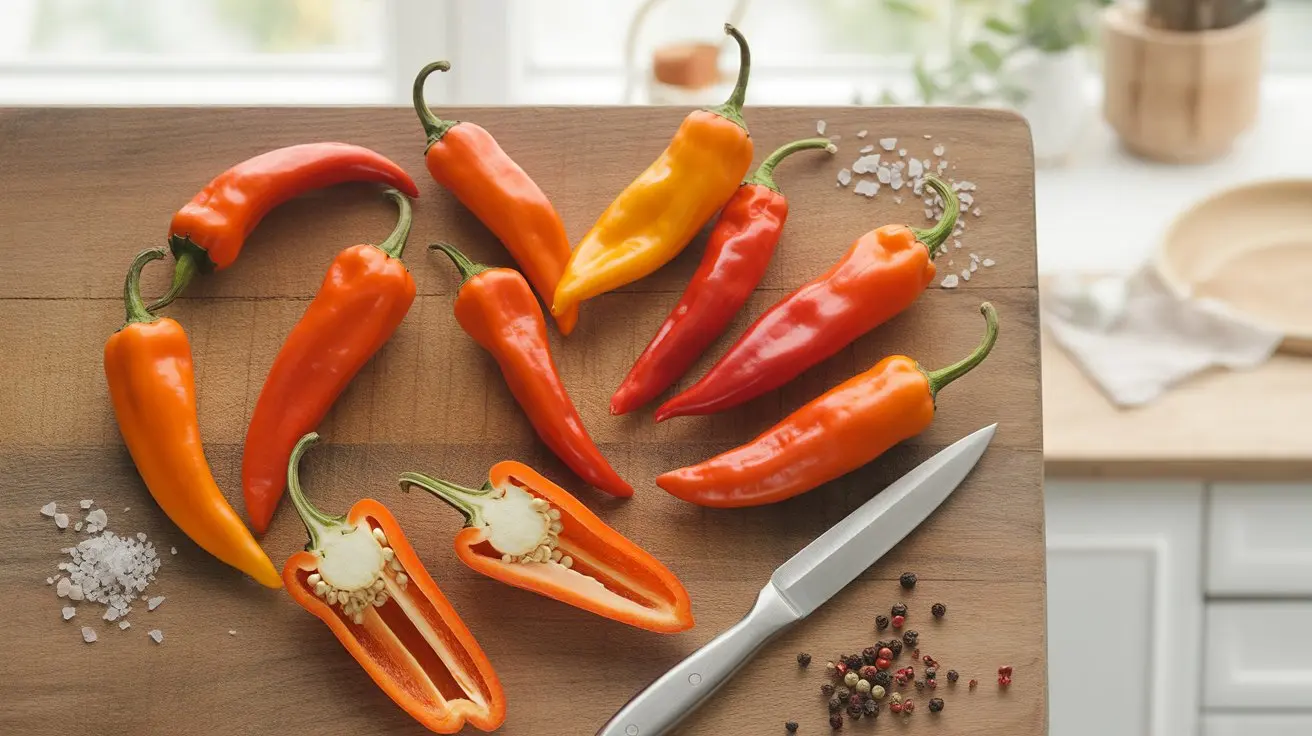
Puya Pepper

The puya pepper is a dried Mexican chile rated at 5,000–8,000 SHU — roughly twice the heat of a serrano at its lower end. Its defining quality is a bright, fruity character layered over a subtle smokiness, making it a staple in sauces, salsas, and mole-style preparations across central Mexico.
- Species: C. annuum
- Heat tier: Medium (1K–10K SHU)
- Comparison: 2x hotter than a jalapeño
What is Puya Pepper?
Long before it appeared in specialty markets outside Mexico, the puya was a workhorse chile in the kitchens of Jalisco and Guanajuato. Dried from a slender, elongated fresh pepper, it measures roughly 10–15 cm and turns a deep brick-red at maturity. The heat sits in the medium SHU zone — 5,000–8,000 SHU — delivering a clean, building warmth that doesn't overwhelm the palate.
What separates puya from similar dried chiles is its flavor architecture. The fruity top notes arrive first, almost berry-like, followed by a mild smokiness that lingers. That combination is rare at this heat level and explains why Mexican cooks reach for puya when they want complexity without fire-forward intensity.
Botanically, it belongs to C. annuum, the same broad species as bell peppers and most common table chiles. The plant produces slender fruits that dry naturally on the stem, concentrating sugars and developing that characteristic fruit-smoke profile.
Puya is closely related to the guajillo in appearance, but the two differ noticeably in flavor — puya carries more fruit, guajillo leans earthier. For cooks unfamiliar with traditional Mexican dried chiles, puya is an excellent entry point: approachable heat, distinctive flavor, and enormous versatility.
History & Origin of Puya Pepper
Puya's roots run deep in west-central Mexico, where it has been cultivated for generations in the states of Jalisco, Guanajuato, and Aguascalientes. The name itself likely derives from a Spanish word meaning "goad" or "spike," a reference to its pointed, elongated shape.
Traditional cooks used puya primarily in table salsas and enchilada sauces, prizing it for the fruity brightness it contributed without pushing heat past comfortable levels. Unlike the smoky depth of smoked and dried jalapeños, puya's smokiness develops naturally during sun-drying rather than through a smoking process.
The pepper remained largely regional until increased interest in authentic Mexican regional cuisine brought it wider attention in the late 20th century. Today it appears in specialty stores and Latin markets across North America, though fresh puya outside Mexico is still uncommon — most cooks work with the dried form exclusively.
How Hot is Puya Pepper? Heat Level & Flavor
The Puya Pepper delivers 5K–8K Scoville Heat Units, placing it in the Medium tier (1K–10K SHU). That makes it roughly 2x hotter than a jalapeño.
Flavor notes: fruity and smoky.
Puya Pepper Nutrition Facts & Health Benefits
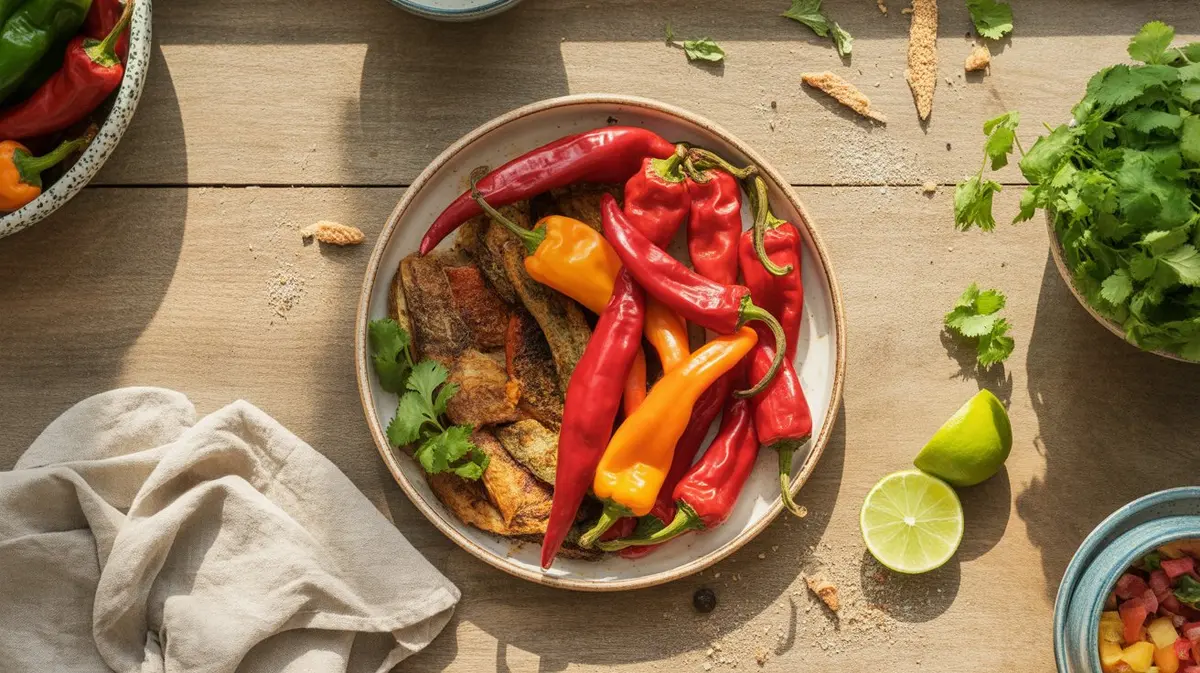
Dried puya, like most dried chiles, concentrates its nutrients significantly compared to fresh peppers. A 7g serving (roughly one dried pod) provides meaningful amounts of vitamin A from beta-carotene, along with vitamin C and iron. Capsaicin — the compound responsible for heat — has been studied for its role in metabolism and pain modulation; the chemistry behind how capsaicin interacts with nerve receptors explains why heat from a puya builds gradually rather than hitting immediately. Dried puya is low in calories and contains no fat.
Best Ways to Cook with Puya Peppers
Dried puya needs to be reconstituted before most applications. Toast the dried pods in a dry skillet over medium heat for 30–60 seconds per side until fragrant — not charred — then soak in hot water for 20–25 minutes. The soaking liquid carries flavor; use it in your sauce base rather than discarding it.
The fruity-smoky profile makes puya a natural fit for red salsas, adobo marinades, and braising liquids for pork or chicken. Combine it with the earthy low-heat character of New Mexico-style dried chiles for a layered sauce, or pair it with the regionally celebrated flavor traditions of Hatch-grown chiles when building a complex red chile base.
For pure heat reference, puya sits noticeably above the familiar fresh-pepper bite of serranos at its upper end, which helps calibrate how much to use. A sauce built on 3–4 puya pods for four servings delivers warmth without overwhelming the fruit notes.
Ground dried puya works well as a finishing spice on roasted vegetables, eggs, or grilled fish. The berry-forward character holds up even after grinding, unlike some dried chiles that go flat.
Where to Buy Puya Pepper & How to Store
Look for dried puya in Latin grocery stores, specialty spice shops, or online retailers. Quality pods should be pliable, not brittle — completely dried-out pods have lost volatile aromatics. Color should be deep brick-red to mahogany, not faded or brownish.
Store whole dried puya in an airtight container away from light and heat. Properly stored, they hold their flavor for 12–18 months. Ground puya loses its fruity character faster — use within 6 months. Avoid storing near the stove; humidity and heat cycles accelerate degradation.
Best Puya Pepper Substitutes & Alternatives
Whether you ran out of puya pepper or just want to try something different, these peppers make solid stand-ins. We picked them based on heat range, flavor overlap, and how well they actually work in the same dishes.
Our top pick: Jalapeño (3K–8K SHU). Same species (C. annuum) and nearly the same heat, so it swaps in at a 1:1 ratio without changing the character of the dish. The flavor leans bright and grassy, which is close enough that most people won’t notice the difference in a cooked recipe.
How to Grow Puya Peppers
The hardest part of growing puya isn't germination — it's getting enough heat units for the fruits to develop their full flavor before your season ends. These plants need 90–100 days of warm weather from transplant to harvest, which makes them marginal in short-season climates without a greenhouse head start.
Start seeds indoors 10–12 weeks before your last frost date. Soil temperature for germination should stay at 80–85°F — a heat mat is not optional in cooler climates. Transplant only after nighttime temps consistently stay above 55°F.
Full sun is non-negotiable. Plants want at least 8 hours of direct light and perform best in well-drained, slightly sandy soil with a pH around 6.0–6.8. Overwatering is the most common mistake; let the top inch dry out between waterings once plants are established.
For drying, harvest when fruits have turned fully red and begin to feel slightly leathery on the plant. You can also dry peppers at home using a dehydrator at 125–135°F for 8–12 hours, or sun-dry them in a warm, low-humidity environment. Those who grow more than they can use immediately should know how to freeze peppers properly — dried puya reconstitutes well after freezing whole.
Frequently Asked Questions
-
Puya has a bright, fruity flavor — often described as berry-like — layered with a mild smokiness that develops during sun-drying. The heat builds gradually and sits at 5,000–8,000 SHU, making it noticeably warm without being aggressive.
-
They look similar — both are elongated, dried, brick-red Mexican chiles — but they taste different. Puya carries more fruit and sharper heat; guajillo is earthier and slightly milder, typically ranging 2,500–5,000 SHU.
-
Guajillo is the closest substitute for flavor structure, though you may want to add a small amount of the heat-forward dried de arbol chile to match puya's higher heat level. Ancho works in a pinch but adds sweetness rather than fruit.
-
For smooth sauces, yes — remove seeds and veins after soaking, as they can add bitterness. If you are making a rustic salsa or grinding the whole pod into powder, leaving the seeds in is fine and adds a small heat boost.
-
Puya lands at 5,000–8,000 SHU on the Scoville rating system, putting it above a typical serrano's lower range and roughly on par with a fully ripe red jalapeño's tangy upper heat. It is significantly hotter than a standard bell pepper at 0 SHU.
- Chile Pepper Institute - New Mexico State University
- USDA FoodData Central - Dried Chile Peppers
- Specialty Produce - Puya Chile Profile
- Rick Bayless - Frontera: Mexican Chile Guide
Species classification: C. annuum — based on published botanical taxonomy.