Piquillo Pepper

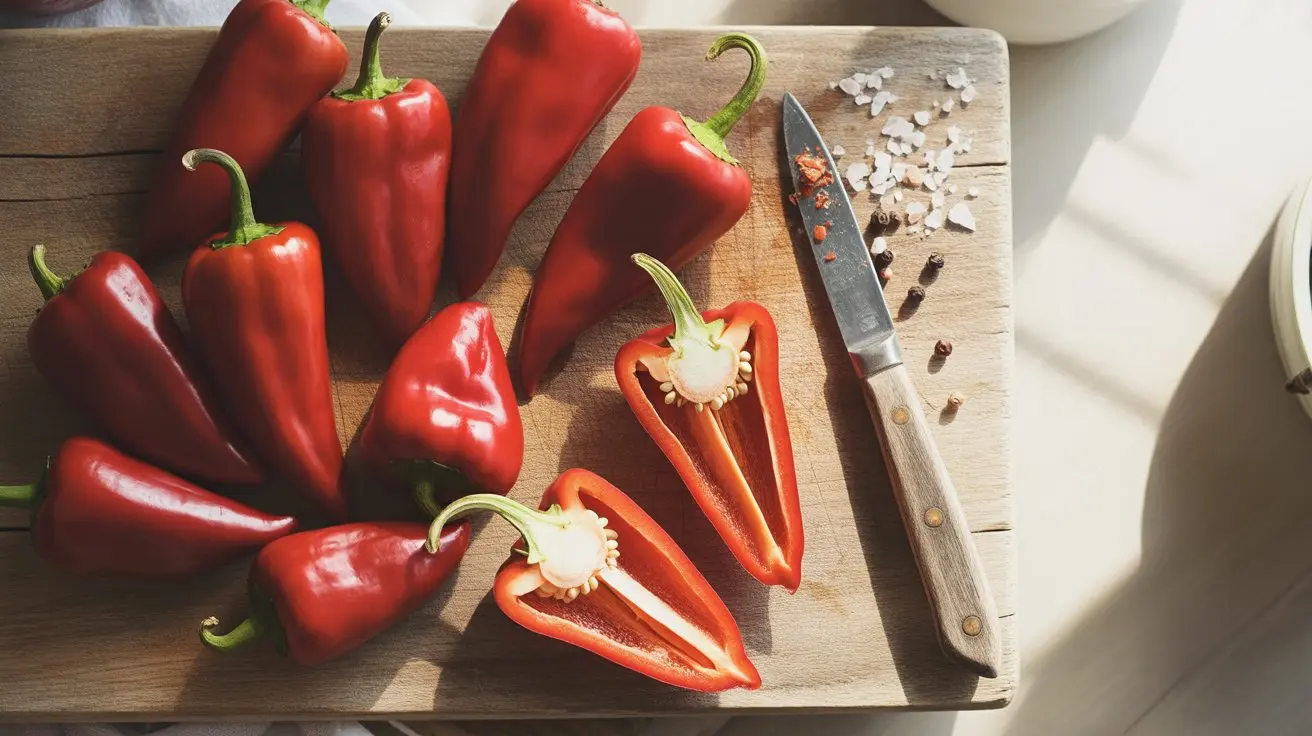
The piquillo pepper is a small, triangular Spanish pepper registering 500–1,000 SHU — barely a whisper of heat compared to a jalapeño. What makes it worth knowing is the flavor: sweet, smoky, and slightly tangy from traditional wood-fire roasting. It belongs to the mild heat category and shows up in Spanish tapas, stuffed preparations, and charcuterie boards worldwide.
- Species: C. annuum
- Heat tier: Medium (1K–10K SHU)
What is Piquillo Pepper?
Grown in the Navarra and Rioja regions of northern Spain, the piquillo pepper (Capsicum annuum) is harvested in autumn, hand-roasted over wood fires, and peeled by hand — a process that gives it a depth of flavor no oven-roasted substitute fully replicates.
The name means 'little beak' in Spanish, a nod to its pointed triangular shape. Each pepper measures roughly 3–4 inches long, with thick, meaty walls and a cavity perfectly sized for stuffing. At 500–1,000 SHU, the heat is almost irrelevant — piquillos are chosen for sweetness and smoke, not burn.
They sit comfortably in the mild heat category alongside peppers like the sweet, zero-heat bell pepper and the mild, sweet pimento. The difference is that piquillos carry a smokiness those peppers lack entirely.
Piquillos with Denominación de Origen Protegida (DOP) status come specifically from Lodosa, Navarra — a designation that guarantees the traditional roasting and hand-peeling process. These are the gold standard. Jarred piquillos from outside that region are still good, but the flavor profile can differ noticeably.
As a C. annuum species pepper, piquillos share botanical lineage with paprika, bell peppers, and jalapeños — though their flavor expression is distinctly Iberian.
History & Origin of Piquillo Pepper
Piquillo peppers have been cultivated in the Ebro River valley of northern Spain for centuries, with the Lodosa region of Navarra becoming their spiritual home. The DOP designation — protecting the name and production methods — was established in 1987, formalizing what local growers had practiced for generations.
The tradition of wood-fire roasting over embers (rather than gas or electric heat) is what separates authentic piquillos from imitations. This technique developed as a practical preservation method: roasting loosens the skin for peeling, and the charred wood smoke penetrates the flesh during the process.
Spanish cuisine, particularly the pintxos bars of the Basque Country and the tapas culture of Navarra, built entire dishes around the piquillo's unique character. The pepper's reputation spread internationally during the late 20th century as Spanish cuisine gained global recognition, and jarred piquillos became a pantry staple for chefs far outside Spain. The broader Spanish pepper tradition gave rise to related varieties still central to Iberian cooking.
How Hot is Piquillo Pepper? Heat Level & Flavor
The Piquillo Pepper delivers 500–1K Scoville Heat Units, placing it in the Medium tier (1K–10K SHU).
Flavor notes: sweet and smoky.
Piquillo Pepper Nutrition Facts & Health Benefits
A 100g serving of roasted piquillo peppers provides roughly 30–40 calories, with minimal fat and about 6–8g of carbohydrates. They're a solid source of vitamin C (though roasting reduces some content compared to raw) and contain meaningful amounts of vitamin A and potassium.
The red color signals high carotenoid content — particularly capsanthin — which functions as an antioxidant. At 500–1,000 SHU, capsaicin levels are low but present, providing a trace of the metabolic effects associated with capsaicinoids.
Jarred piquillos may contain added sodium from brine — check labels if that matters to your diet. Fresh-roasted versions have no added sodium.
Best Ways to Cook with Piquillo Peppers
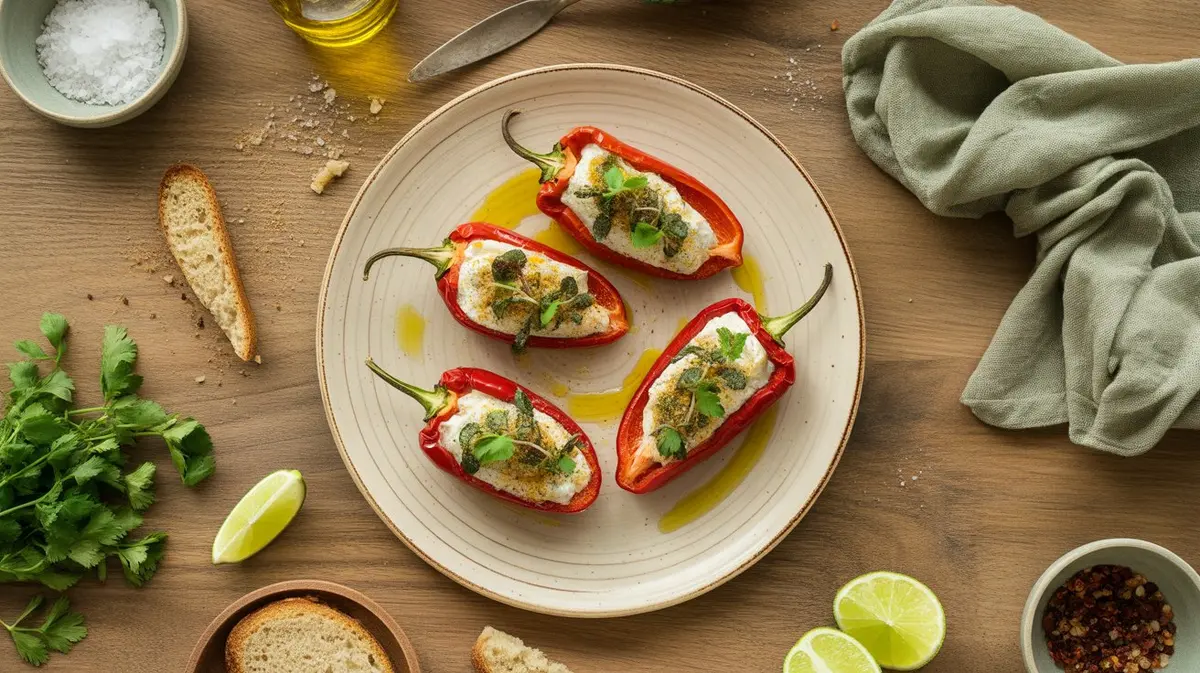
Piquillos arrive in most kitchens already roasted, peeled, and jarred — which makes them one of the most convenient flavor-packed ingredients you can stock. The classic preparation is stuffed piquillos: filled with bacalao (salt cod) and cream, or with braised oxtail, then warmed in a light tomato or pepper sauce.
Beyond stuffing, they slice beautifully over grilled bread with manchego, fold into pasta sauces where their smokiness replaces the need for added spices, and puree into romesco-adjacent sauces for grilled vegetables or fish. A quick blitz with olive oil, garlic, and sherry vinegar produces a sauce that works on everything from roast chicken to scrambled eggs.
For substitutions, the mild Italian frying pepper can work in a pinch for texture, but it lacks the smoke. The deep red sweetness of the pimento is closer in heat and sweetness but again misses the roasted character.
Don't rinse jarred piquillos — the liquid in the jar carries flavor. Pat them dry only if you need a sear. When heating stuffed piquillos, low and slow keeps the walls intact; high heat collapses them quickly.
Pairing well with: aged cheeses, cured meats, white beans, anchovies, sherry, and smoked fish.
Where to Buy Piquillo Pepper & How to Store
Most grocery stores carry jarred piquillos in the international or specialty aisle. Look for DOP-certified Lodosa piquillos for the best flavor — the label will say 'Pimiento del Piquillo de Lodosa.' Non-DOP jarred versions are still good for cooking but the smokiness is often less pronounced.
Once opened, transfer to a sealed container with the jar liquid and refrigerate — they keep 5–7 days. Unopened jars are shelf-stable for 2+ years.
Fresh piquillos appear at farmers markets in late summer in regions where Spanish varieties are grown. Store fresh peppers unwashed in the refrigerator crisper for up to 1 week. For longer storage, roast, peel, and freeze them flat on a sheet pan before transferring to bags.
Best Piquillo Pepper Substitutes & Alternatives
Whether you ran out of piquillo pepper or just want to try something different, these peppers make solid stand-ins. We picked them based on heat range, flavor overlap, and how well they actually work in the same dishes.
Our top pick: Cubanelle Pepper (100–1K SHU). Same species (C. annuum) and nearly the same heat, so it swaps in at a 1:1 ratio without changing the character of the dish. The flavor leans sweet and mild, which is close enough that most people won’t notice the difference in a cooked recipe.
How to Grow Piquillo Peppers
Growing piquillos is straightforward if you're in a warm climate — they share the same needs as most C. annuum varieties. Start seeds indoors 8–10 weeks before last frost. Germination happens best at 80–85°F soil temperature, so a heat mat makes a real difference.
Transplant outdoors once nighttime temps stay above 55°F. Piquillos need full sun and well-drained soil with a pH of 6.0–6.8. Space plants 18–24 inches apart. They're not especially vigorous growers — compact plants reaching 24–30 inches tall — so they work well in containers if your garden space is limited.
For practical guidance on how long peppers grow from transplant to harvest, piquillos typically reach maturity in 80–90 days. They start green and ripen to a deep red; for authentic flavor, wait for full red color before harvesting.
In terms of care, piquillos prefer consistent moisture — irregular watering leads to blossom end rot. A balanced fertilizer early in the season, then a low-nitrogen formula once flowering begins, keeps the plant focused on fruit production rather than foliage.
Pests: watch for aphids and pepper weevils. Row covers early in the season help. The cultivation approach used for paprika-type peppers applies well here — both share similar growth habits and soil preferences.
Frequently Asked Questions
-
At 500–1,000 SHU, piquillos register almost no heat — well below a jalapeño's floor of 2,500 SHU. The flavor impression is sweet and smoky, not hot, which is why they're used so widely in dishes where capsaicin burn would be unwelcome.
-
Standard jarred roasted red peppers (usually made from bell peppers) work as a volume substitute but lack the characteristic smokiness and tangy depth of true piquillos. For dishes where the pepper is the star — stuffed preparations especially — the difference is noticeable.
-
DOP (Denominación de Origen Protegida) is a European protected designation guaranteeing the peppers were grown in Lodosa, Navarra, and processed using traditional wood-fire roasting and hand-peeling methods. It's the clearest indicator of authentic, high-quality piquillos.
-
Jarred piquillos are already soft, so use a small spoon or piping bag and fill gently — don't overstuff. Chilling the filling beforehand makes it firmer and easier to handle without splitting the pepper walls.
-
Yes — the plant itself adapts well to any warm-summer climate with full sun, similar to other C. annuum varieties. The flavor of home-grown piquillos depends heavily on how you roast them after harvest; wood-fire roasting is what produces the traditional smoky character.
- Pimiento del Piquillo de Lodosa DOP — European Commission Protected Designations
- Capsicum annuum — Chile Pepper Institute, New Mexico State University
- Carotenoids in Red Peppers — Journal of Agricultural and Food Chemistry
Species classification: C. annuum — based on published botanical taxonomy.