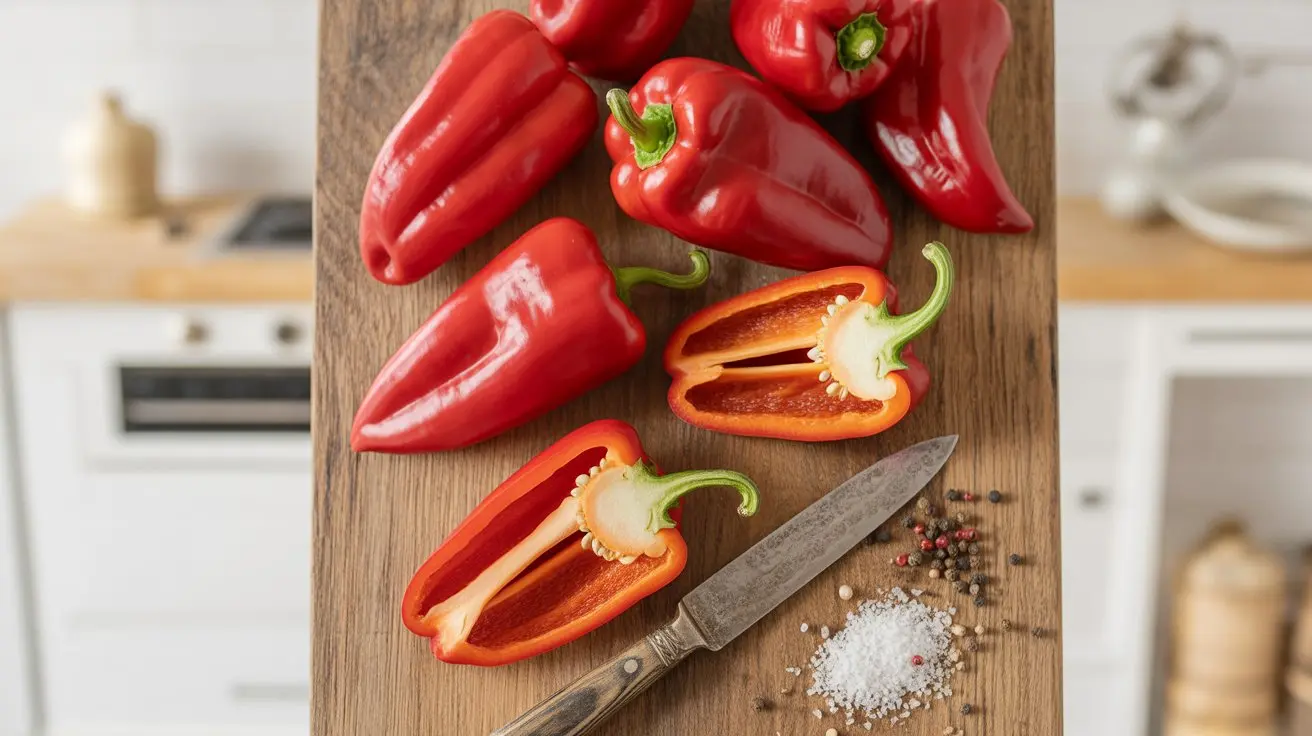
Pepper X

Pepper X holds the Guinness World Record as the hottest pepper on Earth, measuring between 2,693,000 and 3,180,000 SHU - roughly 636 times hotter than a jalapeño. Bred by Ed Curlin in South Carolina, this C. chinense variety delivers a fruity, earthy flavor beneath its catastrophic heat. Pointed pods and extreme capsaicin concentration make it a serious tool for hot sauce makers and extreme heat enthusiasts.
- Species: C. chinense
- Heat tier: Super-Hot (1M+ SHU)
- Comparison: 636x hotter than a jalapeño
What is Pepper X?
At 3,180,000 SHU at its peak, Pepper X doesn't just push the boundary of what a pepper can be - it redefines it. Ed Curlin, the man behind the former record-holder's scorching fruity heat, spent over a decade developing this variety at Puckerbutt Pepper Company in Fort Mill, South Carolina. The Guinness World Records officially certified it as the world's hottest pepper in 2023.
The pods are pointed and wrinkled, typical of extreme C. chinense genetics, and ripen from green through yellow to a deep reddish-orange. What sets Pepper X apart from pure-heat novelties is that actual flavor exists beneath the fire - a fruity, earthy profile that competent sauce makers can coax out with the right fat-based carriers like coconut milk or avocado.
Compare it to a ghost pepper, which sits around 1,000,000 SHU, and you're looking at roughly three times the heat. That's not a marginal upgrade - that's a fundamentally different physiological experience. The burn onset is rapid, spreads across the entire mouth and throat, and can persist for 45 minutes or longer.
For context within the super-hot pepper category, Pepper X sits above every other variety currently documented. It belongs to the C. chinense botanical family, the same species responsible for most of the world's hottest peppers.
History & Origin of Pepper X
Ed Curlin released Pepper X publicly in 2023 after years of secretive development. Unlike many pepper breeders who share genetics freely, Curlin kept Pepper X locked down - seeds were not commercially available for years after the initial announcement on the Hot Ones YouTube series in 2017.
The breeding process focused on maximizing capsaicinoid concentration throughout the entire pod, not just in the placental tissue. Curlin crossed multiple super-hot varieties over successive generations, selecting for both heat and flavor retention - a combination that most extreme breeders sacrifice in favor of raw SHU numbers.
The Guinness certification in 2023 used High Performance Liquid Chromatography (HPLC) testing, the same methodology used for the Scoville scale's modern measurement standards. Winthrop University in South Carolina conducted the official analysis. The pepper's roots in American regional pepper breeding traditions reflect a broader movement of competitive horticulture that emerged from the Carolina Reaper's success.
How Hot is Pepper X? Heat Level & Flavor
The Pepper X delivers 2.7M–3.2M Scoville Heat Units, placing it in the Super-Hot tier (1M+ SHU). That makes it roughly 636x hotter than a jalapeño.
Flavor notes: fruity and earthy.
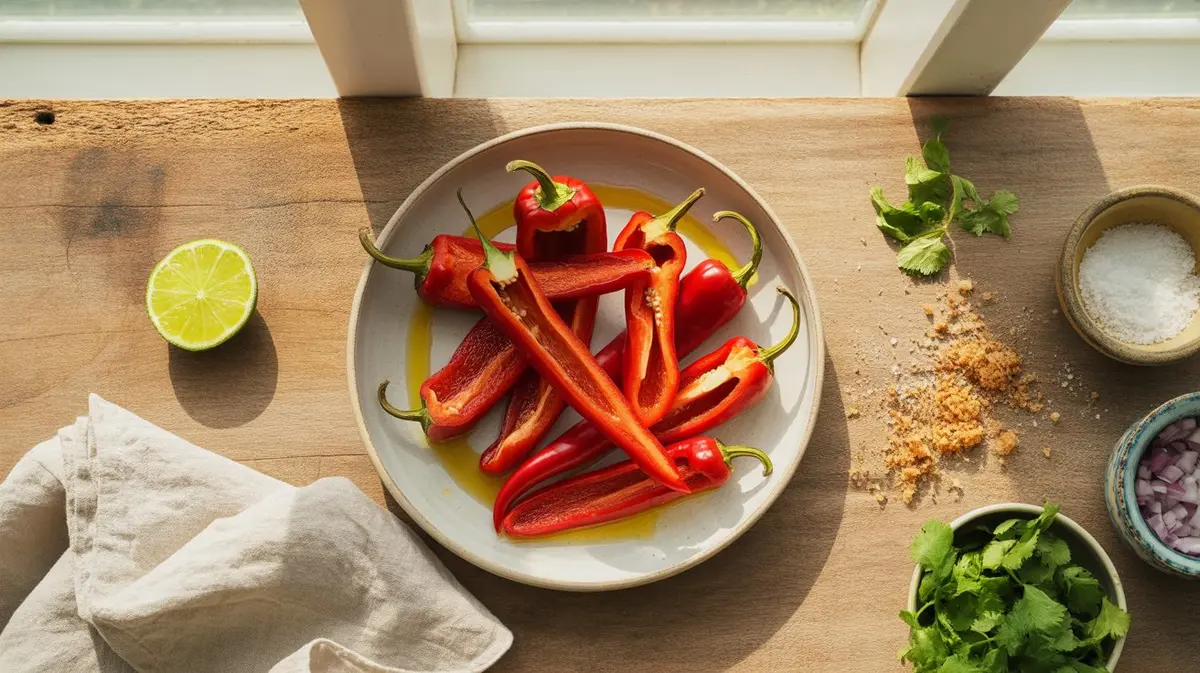
Pepper X Nutrition Facts & Health Benefits
Like all C. chinense super-hots, Pepper X is nutritionally dense relative to its size. A single pod contains significant vitamin C - often exceeding 100% of daily recommended intake - along with vitamin A, vitamin B6, and potassium.
The extreme capsaicinoid content has metabolic implications. Capsaicin activates TRPV1 receptors and has been studied for effects on metabolism, pain signaling, and inflammation. At Pepper X concentrations, these compounds are present in quantities far beyond what most peppers deliver.
Caloric content is negligible - fresh peppers run roughly 30-40 calories per 100g. The practical serving size for Pepper X is measured in fractions of a pod, making nutritional contribution per use minimal.
Best Ways to Cook with Pepper X Peppers
Working with Pepper X in the kitchen requires the same precautions as handling industrial capsaicin - nitrile gloves, eye protection, and serious ventilation. A single pod contains enough capsaicinoid content to heat dozens of servings.
The fruity, earthy flavor is real and worth preserving. Fat-soluble carriers extract it best: blend a small piece (start with a quarter-pod) into coconut cream, full-fat yogurt, or high-quality olive oil before incorporating into sauces. This approach both dilutes the heat to manageable levels and pulls out the flavor compounds that water-based cooking methods miss.
For hot sauce production, Pepper X works best blended with mango, pineapple, or roasted garlic - ingredients that complement the earthy notes without fighting them. Fermentation before blending mellows the raw heat slightly while adding complexity. A ratio of 1 pod per quart of sauce base produces something genuinely hot but still consumable.
Chefs comparing Pepper X to the Komodo Dragon's impressive culinary range note that Pepper X requires more aggressive dilution but rewards patience with a more complex base flavor. Dried and powdered, a pinch under 1/8 teaspoon seasons an entire pot of chili. The powder stores well and offers more precise dosing than fresh pods for most applications.
Never use Pepper X raw in fresh preparations unless heat is the entire point.
Where to Buy Pepper X & How to Store
Fresh Pepper X pods are rarely sold retail - expect to find them through specialty growers, farmers markets in hot pepper regions, or direct from Puckerbutt. Seeds are the more accessible entry point.
When you do find fresh pods, look for firm, unbroken skin with consistent color. Soft spots indicate overripeness and faster deterioration. Refrigerate unwashed pods in a paper bag for up to two weeks.
For longer storage, freeze whole pods in a zip-lock bag - they maintain heat and much of their flavor for 6-12 months. Dried pods or powder store at room temperature in airtight containers for up to a year. If buying powder, check that it's sourced from verified Pepper X stock - mislabeling is widespread in the extreme heat market. Check swap options for Pepper X if availability is the issue.
Best Pepper X Substitutes & Alternatives
Whether you ran out of pepper x or just want to try something different, these peppers make solid stand-ins. We picked them based on heat range, flavor overlap, and how well they actually work in the same dishes.
Our top pick: Dragon's Breath (2.5M–2.5M SHU). Both belong to C. chinense, so you get a similar fruity, aromatic base with extremely intense notes. It runs milder though — roughly 0.8x the heat — so use about 1.3x as much to match the kick.
How to Grow Pepper X Peppers
Pepper X seeds are still limited in commercial availability - source from Puckerbutt Pepper Company directly or from reputable specialty vendors who can verify authenticity. Counterfeit seeds labeled as Pepper X are common.
Start seeds indoors 10-12 weeks before last frost. Germination requires 85-90°F soil temperature - a heat mat is non-negotiable. Expect germination in 14-21 days, slower than many super-hots. The full seed-starting process for extreme C. chinense varieties follows the same extended timeline as other super-hots.
Transplant into containers or raised beds with well-draining, slightly acidic soil (pH 6.0-6.8). Pepper X plants grow large - budget 5-gallon containers minimum or 24-inch spacing in-ground. Full sun, meaning 8+ hours daily, is mandatory for pod development.
Fertilize with low-nitrogen formula once flowering begins. Excess nitrogen produces lush foliage at the expense of pod set. Consistent moisture matters - irregular watering during pod development causes blossom drop.
Compared to the Trinidad Moruga Scorpion's notoriously slow maturation, Pepper X has similar patience requirements. Pods take 150+ days from transplant to full ripeness. In short-season climates, starting seeds in January is not excessive. Harvest when pods shift from yellow-green to their final reddish-orange color and feel slightly soft under pressure.
Frequently Asked Questions
-
Yes - Pepper X holds the current Guinness World Record at 3,180,000 SHU, certified in 2023 using HPLC testing at Winthrop University. It surpasses the previous record holder, the Carolina Reaper, which also came from Ed Curlin's breeding program. See the side-by-side heat and flavor comparison for specifics on how the two differ.
-
A fruity, earthy flavor is present and detectable when the pepper is properly diluted in fat-based carriers like coconut cream or olive oil. Water-based preparations tend to amplify the burn while muting the flavor compounds, so technique matters significantly. Most people who claim Pepper X is flavorless are experiencing heat so intense it overrides all other sensory input.
-
Ghost pepper peaks around 1,000,000 SHU, making Pepper X approximately three times hotter at its maximum measurement. The ghost pepper's burn is intense but typically subsides within 20-30 minutes, while Pepper X can sustain discomfort for 45 minutes or longer due to its higher capsaicinoid concentration.
-
Puckerbutt Pepper Company is the primary legitimate source for authentic Pepper X seeds. Counterfeit seeds mislabeled as Pepper X are common on third-party marketplaces, so purchasing directly from the breeder or from vendors with verified sourcing is strongly recommended.
-
Nitrile gloves and eye protection are mandatory - capsaicin at this concentration can cause skin irritation and serious eye pain on contact. Work in a well-ventilated space, start with a quarter-pod or less for an entire batch of sauce, and blend into fat-based ingredients first to control dispersion before adding to your full recipe.
- Guinness World Records - Hottest Chili Pepper (2023)
- Winthrop University HPLC Testing Methodology
- Puckerbutt Pepper Company - Pepper X
- Chile Pepper Institute - C. chinense Species Overview
- USDA Nutritional Data - Hot Peppers
Species classification: C. chinense — based on published botanical taxonomy.