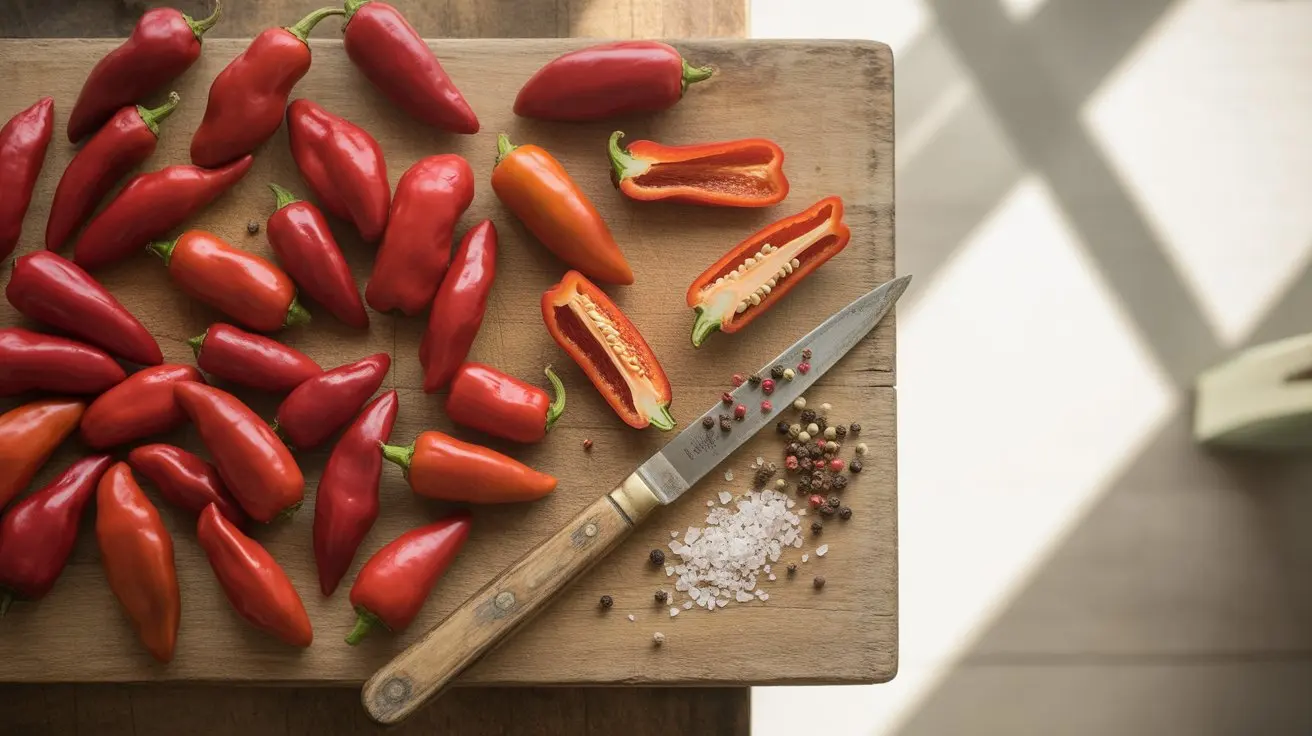
Inca Red Drop Pepper

The Inca Red Drop is a Capsicum baccatum pepper landing at 10,000–30,000 SHU — roughly the same heat band as a citrusy, medium-sharp Lemon Drop but with a distinctive pendant shape and bright red color. It sits firmly in the hot pepper SHU bracket, offering real fire without the kind of punishment that shuts down flavor.
- Species: Capsicum baccatum
- Heat tier: Hot (10K–100K SHU)
- Comparison: 6x hotter than a jalapeño
What is Inca Red Drop Pepper?
At first glance, the Inca Red Drop looks almost decorative — a small, teardrop-shaped pepper that ripens to a vivid scarlet. That appearance is a bit misleading. At 10,000–30,000 SHU, it delivers meaningful heat, roughly equivalent to a strong cayenne on its upper end.
As a Capsicum baccatum variety, it belongs to the same species as the bright, tangy heat of the Lemon Drop and the distinctively shaped, variable-heat Bishop's Crown. That species connection matters in the kitchen — baccatum peppers tend to carry a fruity, slightly citrusy backbone that sets them apart from C. annuum standards.
The pepper's compact size and concentrated flavor make it useful across more dishes than its heat suggests. You can use it fresh, dried, or powdered without losing much of its character. The heat builds gradually rather than hitting immediately, which makes it easier to work with than its SHU numbers might suggest.
For growers, the baccatum species tag means a longer growing season and plants that tend to be more branching and bushy than typical hot peppers. The ornamental quality of the fruit — those small red drops hanging in clusters — makes it a legitimate dual-purpose plant: productive in the garden and striking to look at.
History & Origin of Inca Red Drop Pepper
The Capsicum baccatum species has deep roots in South America, with domestication evidence traced back thousands of years in Andean and coastal regions. The "Inca" in this pepper's name points to that Andean heritage, though precise documentation of the Inca Red Drop as a named cultivar is limited.
Baccatum peppers spread through South America long before European contact, becoming staples in Peruvian and Bolivian cooking. Varieties in this species were among the first peppers encountered by Spanish colonizers moving through the continent.
Modern seed preservation efforts — particularly among heirloom and specialty seed companies — have helped keep cultivars like the Inca Red Drop available to growers outside South America. It remains less common than mainstream hot peppers, which contributes to its appeal among collectors and gardeners interested in traditional cultivation characteristics of high-altitude baccatum types.
How Hot is Inca Red Drop Pepper? Heat Level & Flavor
The Inca Red Drop Pepper delivers 10K–30K Scoville Heat Units, placing it in the Hot tier (10K–100K SHU). That makes it roughly 6x hotter than a jalapeño.
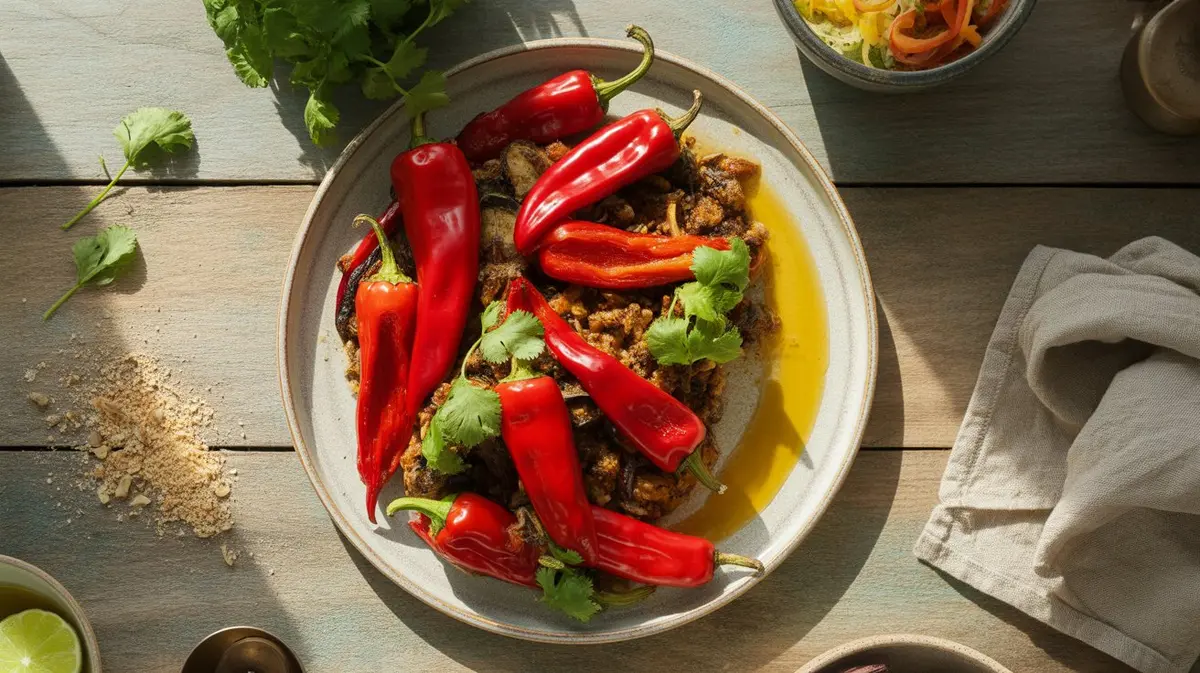
Inca Red Drop Pepper Nutrition Facts & Health Benefits
Like most hot peppers, the Inca Red Drop delivers solid nutritional value relative to its size. Red-ripe peppers are a strong source of vitamin C — often exceeding what you'd get from an orange by weight — along with vitamin A from carotenoid pigments responsible for that deep red color.
Capsaicin, the compound behind the heat, has been studied for its metabolic and anti-inflammatory properties. Understanding how capsaicin chemistry works in the body explains why hot peppers have attracted so much research interest beyond just flavor.
Small peppers like these are low in calories and contain useful amounts of potassium and vitamin B6.
Best Ways to Cook with Inca Red Drop Peppers
The heat profile here is what makes the Inca Red Drop worth cooking with rather than just growing. It builds slowly, sits in the mid-palate, and fades cleanly — there's no lingering throat burn that makes you regret the second bite.
Fresh, the peppers work well sliced into salsas, pickled whole, or added to stir-fries where you want visible heat without overwhelming other ingredients. The small size means you can use them whole in braises or stews, controlling heat by how long they cook.
Dried and ground, the Inca Red Drop produces a powder with real depth — comparable in culinary application to how De Arbol's dried powder works in sauces and spice rubs. That dried form is particularly good in dry rubs for grilled meat or stirred into vinaigrettes.
For chili applications specifically, check the practical guidance on peppers for chili — the Inca Red Drop's moderate heat and fruity notes make it a solid choice for layering with earthier dried peppers. It also fits naturally into dishes covered in the peppers in Mexican cooking guide, even though its origins are South American.
Pairing-wise, it works with citrus, stone fruit, and rich fatty proteins — lamb, pork belly, duck.
Where to Buy Inca Red Drop Pepper & How to Store
Fresh Inca Red Drop peppers are uncommon at mainstream grocery stores — specialty Latin markets or farmers markets in areas with South American produce are better bets. Online seed suppliers are the most reliable source if you want to grow your own.
Fresh peppers keep 1–2 weeks refrigerated in a paper bag or breathable container. For longer storage, they dry exceptionally well: hang whole in a warm, dry spot or use a dehydrator at 135°F until fully brittle.
Dried whole peppers store in an airtight container for up to a year without significant flavor loss. Ground powder is best used within 6 months for peak potency.
Best Inca Red Drop Pepper Substitutes & Alternatives
Whether you ran out of inca red drop pepper or just want to try something different, these peppers make solid stand-ins. We picked them based on heat range, flavor overlap, and how well they actually work in the same dishes.
Our top pick: Lemon Drop (15K–30K SHU). The heat level is close enough for a direct swap in salsas, sauces, and stir-fries. Flavor leans citrusy and bright, so the taste will shift a bit — but the overall heat stays in the same range.
How to Grow Inca Red Drop Peppers
Starting from seed is the main challenge with the Inca Red Drop. Like most baccatum varieties, germination benefits from consistent warmth — 80–85°F soil temperature speeds things up considerably. Start seeds 10–12 weeks before your last frost date indoors.
Transplant after all cold risk has passed. These plants prefer full sun and well-draining soil with moderate fertility. Heavy nitrogen feeding pushes vegetative growth at the expense of fruit set, so back off nitrogen once the plant starts flowering.
The bushy, branching habit of baccatum types means the Inca Red Drop benefits from early staking or a tomato cage. Plants can get top-heavy with fruit. Spacing at 18–24 inches gives each plant room to spread.
For a full walkthrough of the seed-to-harvest process, the complete pepper-growing guide covers soil prep, transplanting, and pest management in detail. Baccatum varieties are generally more pest-resistant than C. annuum types, but aphids and spider mites are still worth monitoring.
Harvest when fully red — the fruit sweetens and the heat intensifies at full ripeness. Plants in a long season can be quite productive; in shorter seasons, prioritize early fruit set by pinching the first flowers.
Frequently Asked Questions
-
The Inca Red Drop ranges from 10,000–30,000 SHU, which puts it roughly on par with cayenne at its upper end. You can use the Scoville heat unit testing scale to compare it against other peppers in that range. At its lower end, it's noticeably milder than cayenne — making heat level variable depending on growing conditions.
-
As a Capsicum baccatum variety, it carries a fruity, slightly citrusy flavor underneath the heat — characteristic of the species. The heat builds gradually rather than hitting upfront, which makes the flavor easier to appreciate before the burn sets in.
-
Yes — it swaps well for peppers in a similar heat range. The fiery, thin-skinned heat of a Serrano or the punchy tropical bite of Bird's Eye Chili are reasonable substitutes in most fresh applications. For dried preparations, the flavor profile is closer to Tabasco's sharp, vinegary heat character than to earthy ancho-style peppers.
-
It can work in containers, but the bushy baccatum growth habit means you need at least a 5-gallon pot to avoid stunting the plant. Consistent watering is more critical in containers since baccatum varieties are sensitive to drought stress during fruit set.
-
It sits in the same heat neighborhood as the Indian green chili's sharp, grassy heat and the Syrian-origin pepper with complex smoky-sweet notes, though those are different species. Within Capsicum baccatum, it's hotter than the flared, mild-to-medium heat of Bishop's Crown and comparable to the Lemon Drop in SHU range.
- Capsicum baccatum — Chile Pepper Institute, NMSU
- Scoville Scale Reference — Chile Pepper Institute
- Capsicum Species Overview — University of California Agriculture
- Pepper Growing Guide — Johnny's Selected Seeds
Species classification: Capsicum baccatum — based on published botanical taxonomy.