Gypsy Pepper

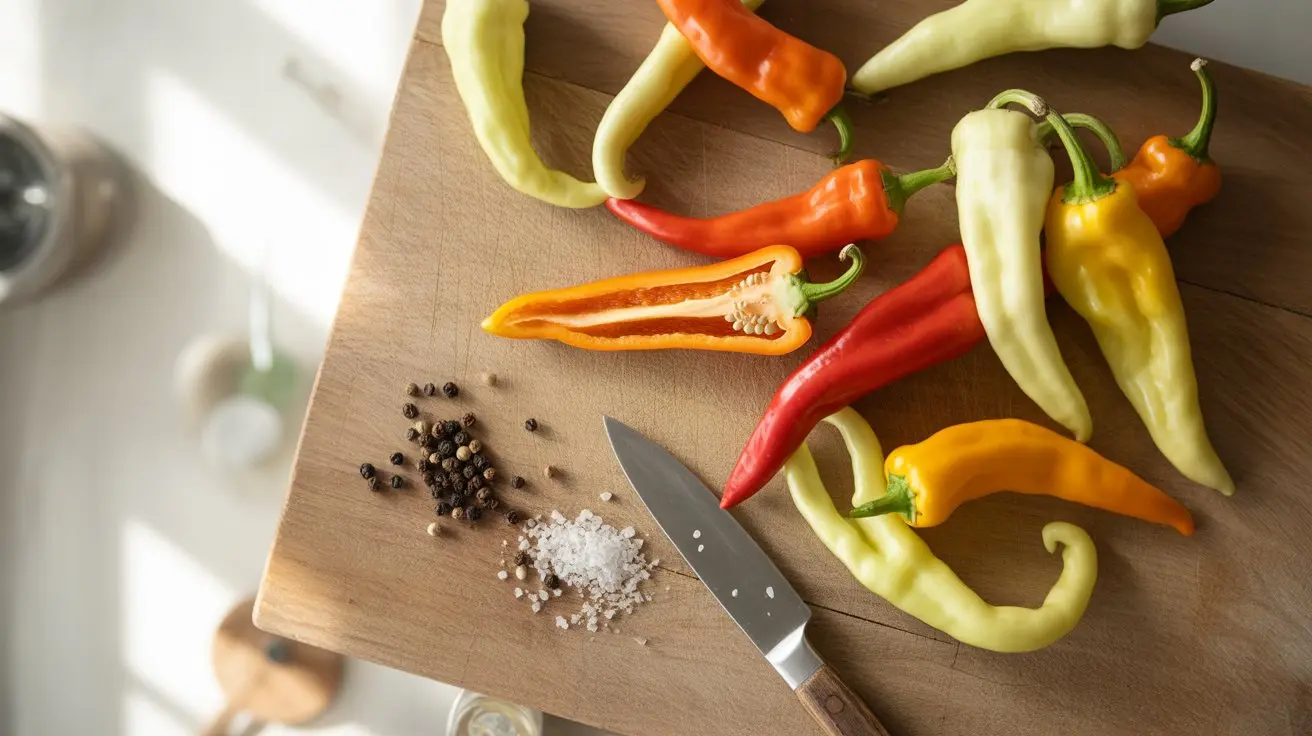
The Gypsy pepper is a sweet, thin-walled Capsicum annuum variety registering just 0-100 SHU - essentially no heat at all. Its crisp texture and fruity sweetness make it a kitchen workhorse, equally at home raw in salads, roasted whole, or stuffed. If you want pepper flavor without any burn, this is a reliable pick.
- Species: Capsicum annuum
- Heat tier: Mild (0–999 SHU)
What is Gypsy Pepper?
Bite into a Gypsy pepper and the first thing you notice is the aroma - a clean, grassy sweetness that hints at what's coming. The flavor follows through with bright, fruity notes and almost no pungency whatsoever. At 0-100 SHU, it sits firmly in the mild pepper intensity range, making it gentler than even a pepperoncini's modest tang and warmth.
The walls are thin and the flesh is tender, which means it softens quickly under heat. Roasted, the sugars concentrate into something almost jammy. Raw, the crunch and sweetness make it an easy snacking pepper straight off the plant.
As a Capsicum annuum, it shares a species with the subtly smoky depth of pimenton and the rich dried flavor of choricero, though Gypsy leans toward fresh eating rather than drying or processing.
The plants are notably productive - early-maturing and compact enough for container growing. Fruits start pale yellow-green and ripen through orange to red, each stage offering a slightly different flavor intensity. Most growers harvest at the orange stage, when sweetness peaks before the flesh gets too soft.
For anyone cooking for heat-sensitive guests or introducing kids to fresh peppers, Gypsy is one of the most consistently rewarding choices in this tier.
History & Origin of Gypsy Pepper
The Gypsy pepper was developed as an F1 hybrid by seed breeders targeting early production and sweet flavor in a compact plant. It became widely available through commercial seed catalogs in the latter half of the 20th century and earned an All-America Selections (AAS) award, which accelerated its adoption among home gardeners across North America.
Its origin story is largely tied to horticultural breeding programs rather than any specific regional food tradition - a contrast to heirlooms like paprika's centuries-long cultivation in Hungary or the piquillo's deep roots in northern Spain.
Despite its hybrid status, Gypsy found a loyal following among gardeners who valued its reliable earliness and productivity. It remains a standard offering in most major seed catalogs today.
How Hot is Gypsy Pepper? Heat Level & Flavor
The Gypsy Pepper delivers 0–100 Scoville Heat Units, placing it in the Mild tier (0–999 SHU).
Gypsy Pepper Nutrition Facts & Health Benefits
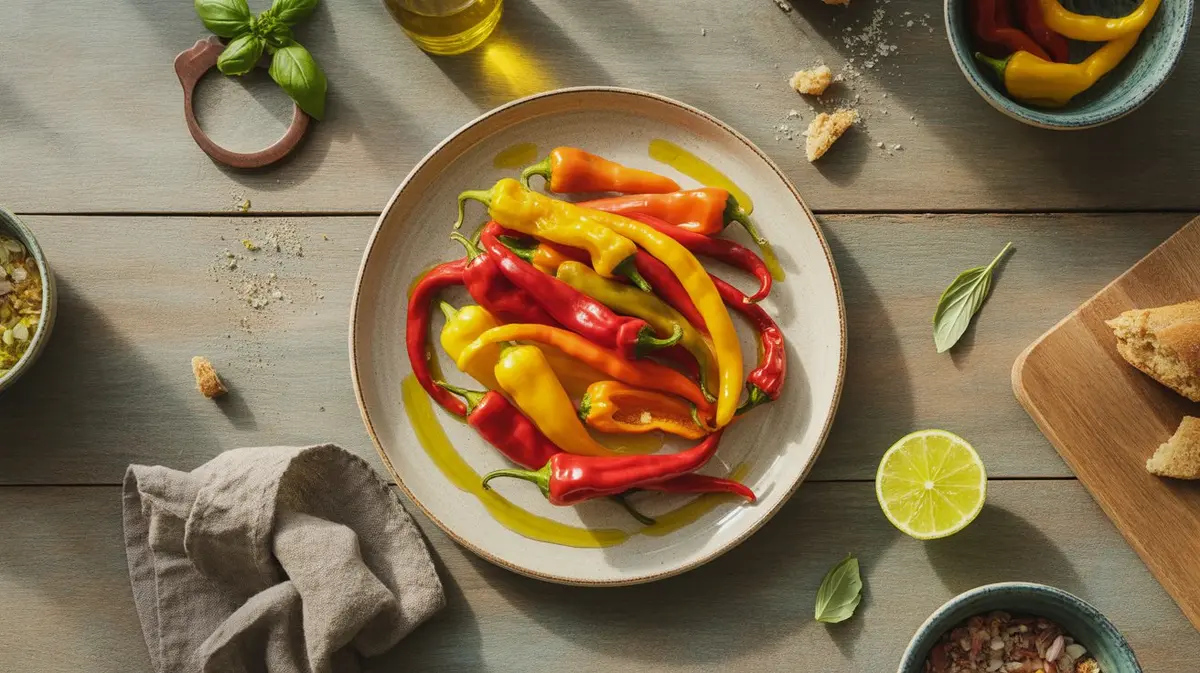
Like most sweet peppers, Gypsy delivers solid nutritional value for minimal calories. A 100g serving provides roughly 31 calories, 6g of carbohydrates, and 2g of fiber.
Vitamin C content is significant - sweet peppers in this category regularly exceed 100mg per 100g, well above daily requirements. Red-ripe fruits contain more vitamin C and beta-carotene than the yellow-green immature stage.
Because Gypsy sits at 0-100 SHU, capsaicin is essentially absent. For context on how capsaicin affects the body's heat receptors at higher concentrations, the science behind why peppers feel hot explains the receptor mechanism in detail.
Best Ways to Cook with Gypsy Peppers
The thin walls are the defining culinary feature here. They cook fast - a few minutes in a hot pan is enough to blister the skin and soften the flesh completely. This makes Gypsy peppers ideal for quick sautés where you want tender results without long cooking times.
Stuffing is another strong application. The elongated cavity holds fillings well, and the mild flavor doesn't compete with whatever goes inside - cheese, rice, ground meat, or herb mixtures all work cleanly. Compare this to the sweet, flexible cooking uses of Italian frying peppers, which share similar applications but with slightly thicker walls.
Raw, sliced Gypsy adds color and crunch to platters without the mild bitterness some people find in bell peppers. The sweetness also pairs well with acidic dressings - the brightness cuts through vinaigrette nicely.
For heat-seekers, Gypsy works as a volume ingredient - roast a large batch, blend with a handful of shishito's occasional surprising heat or a few pepperoncini, and you get a sauce with complexity and just enough edge.
Roasted and frozen, they keep well and add body to winter soups and stews. The practical guidance on ghost pepper hot sauce illustrates how roasting transforms pepper flavor - the same principle applies here at the mild end.
Where to Buy Gypsy Pepper & How to Store
Fresh Gypsy peppers appear at farmers markets and specialty grocers during summer and early fall. Look for firm, unblemished fruits with tight skin - any wrinkling signals moisture loss and diminished flavor.
At home, store unwashed in the refrigerator crisper drawer for up to 1 week. Washing before storage accelerates decay.
For longer keeping, roast and freeze: blister under a broiler, steam in a covered bowl, peel, and pack flat in freezer bags. Frozen roasted Gypsy holds quality for 4-6 months. The Chilly Chili's origins in ornamental breeding offers an interesting contrast - that variety is grown more for display than storage, unlike Gypsy's kitchen-first profile.
Best Gypsy Pepper Substitutes & Alternatives
Whether you ran out of gypsy pepper or just want to try something different, these peppers make solid stand-ins. We picked them based on heat range, flavor overlap, and how well they actually work in the same dishes.
Our top pick: Sweet Italian Pepper (0–100 SHU). The heat level is close enough for a direct swap in salsas, sauces, and stir-fries. Flavor leans sweet and mild, so the taste will shift a bit — but the overall heat stays in the same range.
How to Grow Gypsy Peppers
Gypsy is one of the earlier-maturing sweet peppers available, typically reaching harvest in 60-70 days from transplant. That early window makes it valuable in short-season climates where larger bell-type peppers struggle to ripen before frost.
Start seeds indoors 8-10 weeks before last frost. Germination is reliable at soil temperatures between 75-85°F. For a full walkthrough on timing and technique, the seed germination and transplanting guide for peppers covers the process in detail.
Plants stay compact - usually 18-24 inches - which makes them well-suited to containers or smaller raised beds. Space transplants 15-18 inches apart in the ground. Full sun is non-negotiable; fewer than 6 hours noticeably reduces yield.
The thin walls mean fruits are susceptible to sunscald in intense heat. Some growers leave lower foliage in place intentionally to shade developing fruit during peak summer. Consistent moisture prevents the blossom-end problems that plague peppers under stress.
Compare the plant habit to Tangerine Dream's compact growing profile and early color development - both reward similar care routines. For gardeners interested in expanding into hotter varieties afterward, the step-by-step guide to growing cayenne offers a useful next step.
Frequently Asked Questions
-
The Gypsy pepper measures 0-100 SHU on the Scoville pepper rating system, which places it at the very bottom of detectable heat. Most tasters perceive zero spice at all - it is functionally a sweet pepper.
-
Fruits are edible at every stage from pale yellow-green through orange to red, but sweetness peaks at the orange stage. Waiting for full red ripeness gives slightly more vitamin C and deeper flavor, but the flesh softens faster.
-
Yes - their compact 18-24 inch habit makes them one of the better sweet pepper choices for pots. Use a container at least 5 gallons in volume and ensure consistent watering, as containers dry out faster than ground beds.
-
The elongated shape and mild flavor make them well-suited to stuffing - the cavity holds fillings cleanly and the thin walls cook through quickly. Cheese and herb fillings work particularly well because the pepper's sweetness complements rather than competes.
-
Gypsy is an F1 hybrid, developed through controlled breeding for early maturity and productivity. This means saved seeds will not reliably reproduce the parent plant's characteristics - purchase fresh seed each season for consistent results.
- All-America Selections — Gypsy Pepper Winner Profile
- Chile Pepper Institute — Capsicum annuum Species Overview
- USDA FoodData Central — Sweet Pepper Nutritional Data
- University of Minnesota Extension — Growing Peppers in the Home Garden
Species classification: Capsicum annuum — based on published botanical taxonomy.