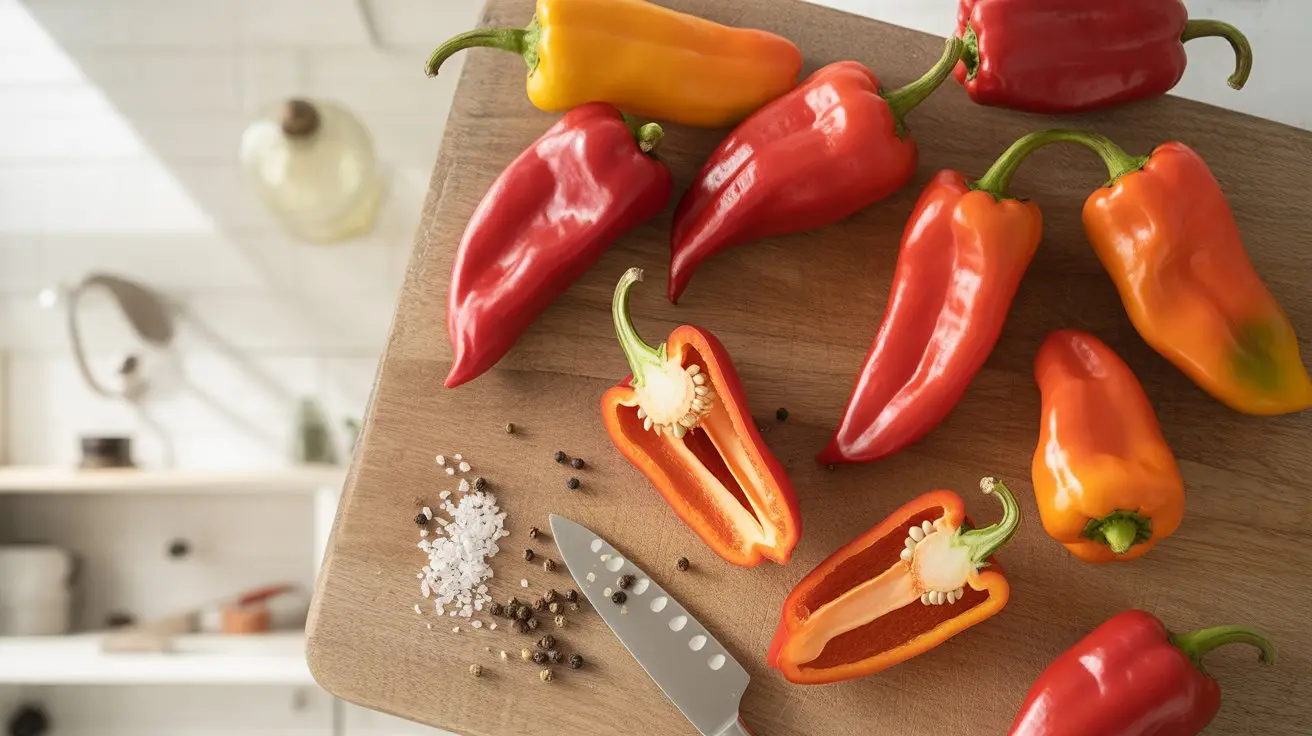
Congo Trinidad

The Congo Trinidad is a wrinkled, ferociously hot C. chinense from Trinidad that sits between 1,000,000 and 1,200,000 SHU — roughly 240 times hotter than a jalapeño. What separates it from other super-hots is a pronounced fruity-floral flavor that makes it genuinely useful in the kitchen, not just a heat challenge.
- Species: C. chinense
- Heat tier: Super-Hot (1M+ SHU)
- Comparison: 240x hotter than a jalapeño
What is Congo Trinidad?
Before the SHU numbers, notice the flavor: fruity up front, floral in the middle, then a wall of heat that builds slowly and lingers. That flavor-first quality is what makes the Congo Trinidad worth growing if you cook seriously with hot peppers.
The pods are heavily wrinkled, typically 2-3 inches long, and ripen from green through red. They belong to the botanical family C. chinense, which includes the smoky-sweet depth of chocolate habanero and the citrus-bright Caribbean heat of the Scotch Bonnet — two relatives that share the Congo Trinidad's capacity for complex flavor alongside serious heat.
At 1,000,000–1,200,000 SHU, it lands firmly in the extreme heat bracket above 1 million SHU. That puts it well above a ghost pepper, which typically measures around 800,000–1,000,000 SHU. The burn is oleoresin-heavy — slow to arrive, long to fade.
For cooking purposes, think of it as a pepper that rewards restraint. A single pod can season an entire pot of sauce. The fruity-floral notes survive light cooking and pair exceptionally well with tropical fruits, vinegar-based brines, and rich fatty proteins. This is not a background ingredient — it defines whatever dish it enters.
History & Origin of Congo Trinidad
Trinidad has produced some of the world's most formidable peppers, a legacy tied directly to the island's African, Indian, and Creole culinary traditions. The Congo Trinidad belongs to Trinidad's deep pepper-growing heritage, a regional tradition that also gave rise to the Scorpion pepper and several 7 Pot varieties.
The name 'Congo' is believed to reflect African cultural influence on Trinidadian food, though the exact lineage of this cultivar is not thoroughly documented in academic literature. What is documented is its presence in traditional Trinidadian pepper sauces and its relationship to the broader C. chinense varieties that have been cultivated across the Caribbean for centuries.
Interest in the Congo Trinidad grew significantly during the early 2010s as the super-hot pepper community expanded beyond the Habanero and Ghost Pepper into rarer Trinidadian varieties.
How Hot is Congo Trinidad? Heat Level & Flavor
The Congo Trinidad delivers 1M–1.2M Scoville Heat Units, placing it in the Super-Hot tier (1M+ SHU). That makes it roughly 240x hotter than a jalapeño.
Flavor notes: fruity and floral.
Congo Trinidad Nutrition Facts & Health Benefits
Like most C. chinense peppers, the Congo Trinidad delivers meaningful nutrition alongside its heat. Fresh pods are rich in vitamin C — often exceeding orange-weight equivalents — and contain vitamin A, vitamin B6, and potassium.
Capsaicin, the compound responsible for the burn, has been studied for anti-inflammatory and metabolic effects. At this heat level, the capsaicin concentration is extremely high, which also means portions used in cooking are small. The chemistry behind capsaicin's nerve receptor interaction explains both the burn and some of the studied health associations.
Calorie count per fresh pod is negligible — typically under 10 calories.
Best Ways to Cook with Congo Trinidad Peppers
The Congo Trinidad's fruity-floral character opens up possibilities that most super-hots don't offer. It works in hot sauces where you want the pepper's flavor to carry through — mango-based sauces, pineapple brines, tamarind blends. The fruit notes complement rather than fight acidic ingredients.
For heat-forward cooking, a quarter of a fresh pod is enough to bring significant fire to a pot of jerk marinade or curry. Pair it with coconut milk, which tempers the oleoresin burn while letting the floral aromatics come through. This is one of the few super-hots where the flavor payoff justifies the heat management.
Dried and powdered, the Congo Trinidad concentrates both heat and flavor. A small amount in dry rubs for grilled pork or chicken adds complexity that cayenne or standard habanero powder can't match. It behaves differently than the citrus-forward bite of Fatalii — more floral, less sharp.
For those exploring this heat tier, it's worth comparing the Congo Trinidad's kitchen behavior against the flexible culinary applications of similar super-hot varieties that also balance fruit flavor with extreme heat. Always use gloves when handling fresh pods and avoid touching your face.
Where to Buy Congo Trinidad & How to Store
Fresh Congo Trinidad pods are rarely found in standard grocery stores. Specialty pepper vendors, farmers markets, and online hot pepper retailers are your best options. Look for pods with firm, unwrinkled skin and consistent red color — though some wrinkling is natural to this variety.
Fresh pods keep 1-2 weeks refrigerated in a paper bag. For longer storage, freeze whole pods without blanching — they retain heat and most flavor compounds well. Dried pods or powder from reputable spice vendors is a practical alternative; store in an airtight container away from light and heat for up to 12 months.
Best Congo Trinidad Substitutes & Alternatives
Whether you ran out of congo trinidad or just want to try something different, these peppers make solid stand-ins. We picked them based on heat range, flavor overlap, and how well they actually work in the same dishes.
Our top pick: 7 Pot Red Giant (850K–1.2M SHU). Same species (C. chinense) and nearly the same heat, so it swaps in at a 1:1 ratio without changing the character of the dish. The flavor leans fruity and smoky, which is close enough that most people won’t notice the difference in a cooked recipe.
How to Grow Congo Trinidad Peppers
Congo Trinidad plants are vigorous growers that reward patience. Start seeds 8-10 weeks before your last frost date indoors. Germination is slow — expect 14-21 days at soil temperatures between 80-85°F. A heat mat is not optional at this stage; it's the difference between germination and rot.
For anyone newer to super-hots, check the practical guide to starting seeds and full-season care before committing to a full planting. The Congo Trinidad is more demanding than the varieties listed in beginner-friendly pepper selections.
Transplant after all frost risk has passed and nighttime temps stay above 55°F. Full sun — at least 6 hours daily — is non-negotiable. These plants can reach 3-4 feet tall and benefit from staking once pods develop.
If you're growing multiple C. chinense varieties nearby, cross-pollination is a real concern. Learning to hand-pollinate pepper flowers keeps your seed stock true. Days to maturity typically run 90-120 days from transplant. The cultivation characteristics of similarly demanding Trinidadian varieties offer useful comparison points for setting realistic expectations.
Frequently Asked Questions
-
The Congo Trinidad measures 1,000,000–1,200,000 SHU, which puts it at or above the upper range of a typical ghost pepper (800,000–1,000,000 SHU). The burn profile also differs — the Congo Trinidad tends to build more slowly but lasts longer, with a more pronounced floral note before the heat peaks.
-
Technically yes, but at 1,000,000+ SHU the experience is intense enough to cause significant discomfort for most people, including nausea and prolonged burning. Even experienced super-hot eaters typically use small portions of this pepper in cooked applications rather than eating whole pods raw.
-
The fruity-floral flavor profile makes it particularly well-suited to tropical fruit-based hot sauces, jerk marinades, and coconut curry blends. It also performs well in small quantities as a dry rub ingredient when powdered, adding complexity that goes beyond simple heat.
-
No — these are distinct varieties. The Trinidad Moruga Scorpion held the Guinness World Record for hottest pepper in 2012 and typically measures 1.2–2 million SHU, significantly higher than the Congo Trinidad. Both originate in Trinidad and belong to C. chinense, but they differ in pod shape, flavor character, and heat ceiling.
-
From transplant to ripe fruit typically takes 90–120 days under good growing conditions — full sun, consistent moisture, and warm nights above 55°F. Starting seeds indoors 8-10 weeks before last frost is essential to get a full productive season in shorter-summer climates.
- Chile Pepper Institute - Capsicum Species Information
- Bosland, P.W. & Votava, E.J. - Peppers: Vegetable and Spice Capsicums (CABI Publishing)
- University of California Cooperative Extension - Hot Pepper Production
Species classification: C. chinense — based on published botanical taxonomy.