Calabrian Chili

The Calabrian chili is southern Italy's most prized hot pepper, delivering 25,000–40,000 SHU of fruity, smoky heat that's built into the DNA of Italian cooking. Preserved in olive oil, dried into flakes, or ground into paste, it adds depth that generic heat sources simply can't match. At roughly 8 times hotter than a jalapeño, it's serious fire wrapped in serious flavor.
- Species: C. annuum
- Heat tier: Hot (10K–100K SHU)
- Comparison: 8x hotter than a jalapeño
What is Calabrian Chili?
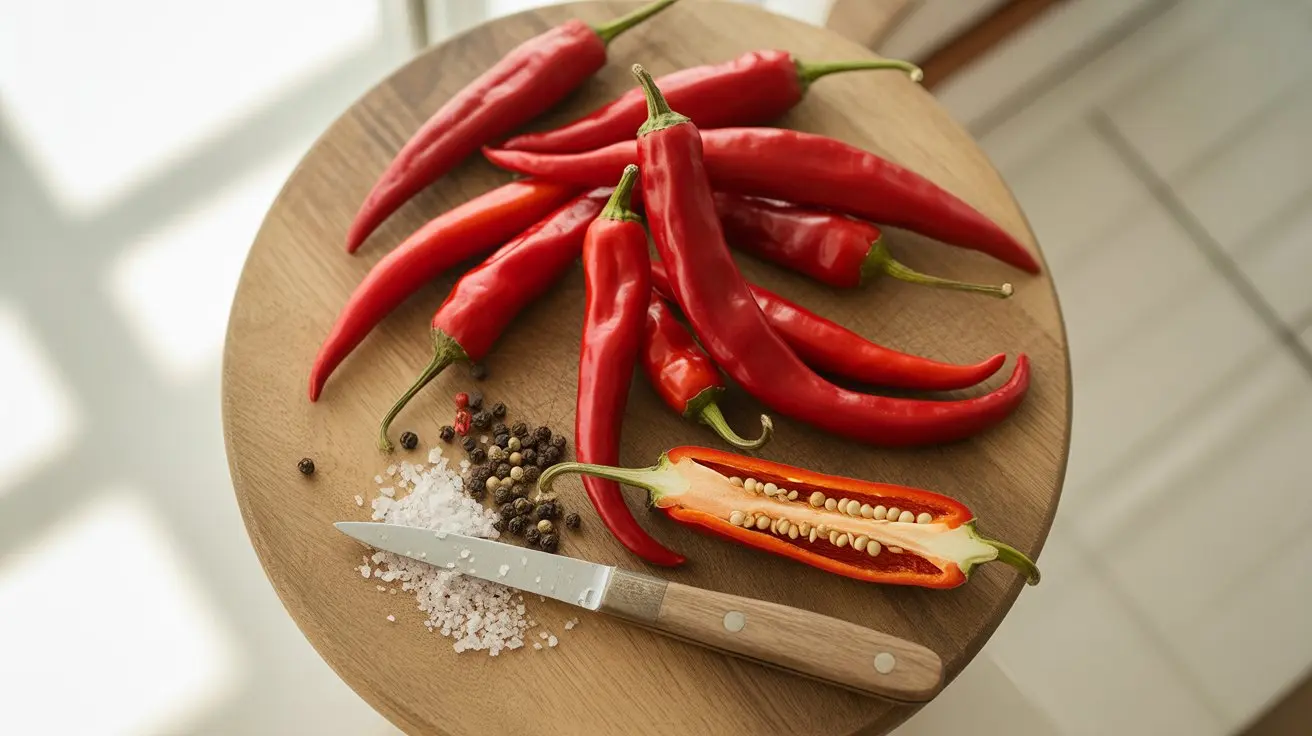
Calabria, the sun-scorched toe of Italy's boot, produces a pepper that reflects its terroir completely — intense, complex, and a little wild. The Calabrian chili (Capsicum annuum) grows as a small, elongated pod that ripens from green to a deep, glossy red. Its flavor is the defining characteristic: fruity up front, with a smoky undertone that emerges especially in preserved or dried forms.
Heat sits at 25,000–40,000 SHU, which puts it solidly in the hot pepper SHU bracket — meaningful burn that lingers without overwhelming the dish. That balance is exactly why Italian cooks reach for it constantly. You get heat and flavor in the same ingredient, not just fire.
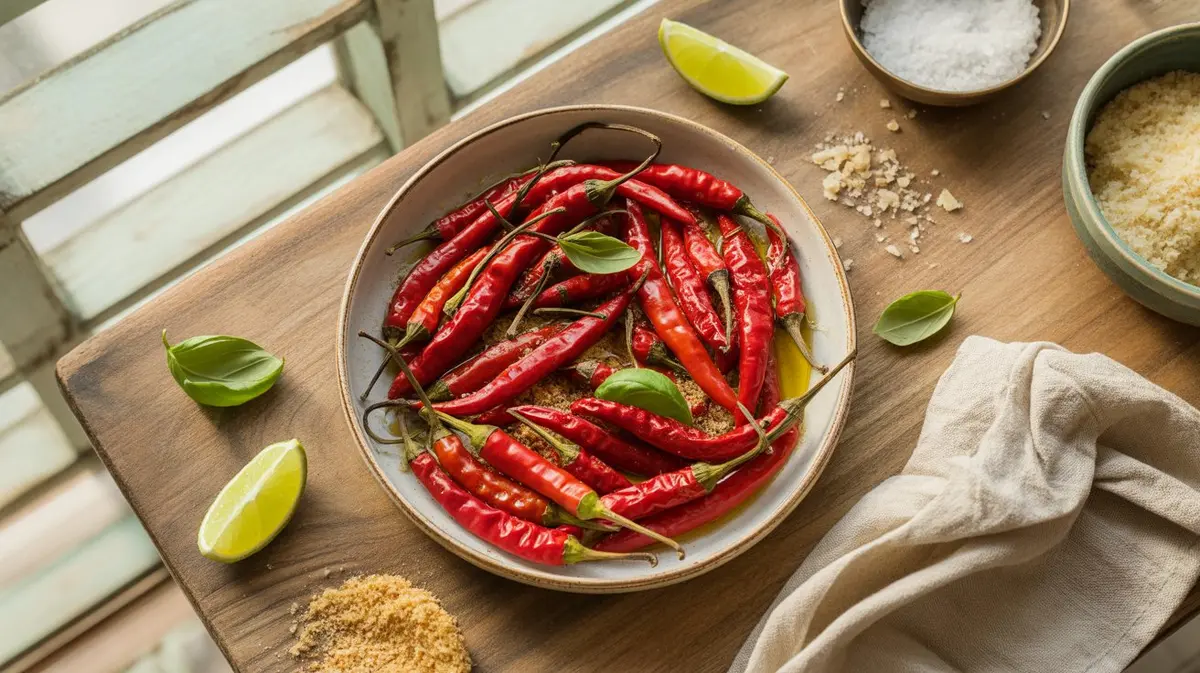
Most Calabrian chilies sold outside Italy arrive preserved in olive oil or as a paste (known as peperoncino calabrese). The oil-packed version adds both the pepper's heat and a deeply flavored oil to whatever you're cooking. As part of the broader Italian pepper tradition, this variety occupies a particularly central role — it's the chili that defines the region's spicy reputation.
Belonging to the Capsicum annuum botanical family, it shares lineage with cayenne, jalapeño, and paprika. What sets it apart is the combination of Mediterranean growing conditions and traditional preservation methods that concentrate its fruity-smoky character into something genuinely distinctive.
History & Origin of Calabrian Chili
Peppers arrived in Italy via Spanish trade routes in the early 16th century, but Calabria adopted them with unusual intensity. The region's poverty historically drove preservation techniques — drying, oil-packing, and fermenting — that transformed simple chili peppers into pantry staples capable of lasting through winter.
By the 18th and 19th centuries, peperoncino had become embedded in Calabrian identity. The pepper's heat and preservability made it both a flavor tool and a practical food source for rural communities. Dishes like 'nduja (a spreadable spiced salami) and fileja al ragù piccante exist because of this pepper.
Today, Calabrian chili production is concentrated in the province of Vibo Valentia, where the Mediterranean climate — hot summers, mineral-rich soil — produces pods with that characteristic fruity depth. International demand for the paste and oil-packed versions has grown significantly since the early 2000s as Italian-American restaurants began featuring the ingredient prominently.
How Hot is Calabrian Chili? Heat Level & Flavor
The Calabrian Chili delivers 25K–40K Scoville Heat Units, placing it in the Hot tier (10K–100K SHU). That makes it roughly 8x hotter than a jalapeño.
Flavor notes: fruity and smoky.
Calabrian Chili Nutrition Facts & Health Benefits
A 1-tablespoon serving of Calabrian chili paste (approximately 15g) provides roughly 20–25 calories, primarily from olive oil in the preserved form. The pepper itself contributes vitamin C, vitamin A (from beta-carotene in the red pods), and small amounts of potassium and iron.
Capsaicin — the compound responsible for the heat — has been studied for anti-inflammatory and metabolic effects. The oil-packed format actually aids absorption of fat-soluble vitamins and capsaicinoids. Sodium content varies by brand; check labels on commercial pastes, which can run 150–300mg per tablespoon.
Best Ways to Cook with Calabrian Chili Peppers
The paste form is the most well-suited format. A teaspoon stirred into pasta sauce, pizza dough, or aioli delivers immediate complexity — not just heat, but a smoky-fruity background note that builds slowly. Compared to dried thin-walled peppers with sharp, grassy heat, Calabrian paste integrates more smoothly into sauces.
Pizza is the obvious application — a few torn oil-packed pods on a margherita transforms it entirely. But the pepper works just as well in compound butters, vinaigrettes, and braises. Rub it into chicken thighs before roasting. Whisk it into a lemon-butter sauce for fish. The fruity quality pairs especially well with pork and lamb.
For heat comparison: cayenne's sharp, thin burn runs 30,000–50,000 SHU and tends to sit on top of dishes. Calabrian heat integrates differently — it's rounder, more persistent, carried by fat from the olive oil preservation. That fat-soluble quality means it distributes evenly through cream sauces and braising liquids.
Substitution note: if you can't find the paste, oil-packed whole pods blended with a bit of their oil work identically. For a quick swap, the mild-to-moderate culinary range of Bishop's Crown offers a different flavor profile but similar visual appeal in composed dishes. The Calabrian chili vs. Fresno heat and flavor comparison is worth reading if you're deciding between fresh options at the market.
Where to Buy Calabrian Chili & How to Store
Look for Calabrian chili paste or oil-packed whole pods at Italian specialty grocers, Whole Foods, or online. Brands like Tutto Calabria and Bomba are reliable. The paste should be deep red with visible oil separation — that's normal.
Once opened, store paste in the refrigerator and use within 3–4 weeks; a thin layer of olive oil over the surface extends shelf life. Whole oil-packed pods keep 4–6 weeks refrigerated after opening. Dried Calabrian flakes — similar in heat range to crushed red pepper — store in a cool, dark pantry for up to a year.
Best Calabrian Chili Substitutes & Alternatives
Whether you ran out of calabrian chili or just want to try something different, these peppers make solid stand-ins. We picked them based on heat range, flavor overlap, and how well they actually work in the same dishes.
Our top pick: Red Pepper Flakes (15K–45K SHU). Same species (C. annuum) and nearly the same heat, so it swaps in at a 1:1 ratio without changing the character of the dish. The flavor leans sharp and peppery, which is close enough that most people won’t notice the difference in a cooked recipe.
How to Grow Calabrian Chili Peppers
Growing Calabrian chilies follows the standard C. annuum playbook, but they particularly reward warm, dry conditions — which makes sense given their origin. Start seeds indoors 8–10 weeks before the last frost. Germination is reliable at soil temperatures between 75–85°F.
Transplant outdoors once nighttime temps stay above 55°F. These plants prefer full sun and well-drained soil; they'll tolerate drought better than many peppers but produce more flavorful pods with consistent moderate watering. Heavy nitrogen fertilization pushes foliage at the expense of fruit — back off nitrogen once flowering begins.
Pods mature in 80–90 days from transplant. Harvest when fully red for maximum fruity character. Green pods are edible but lack the depth that makes this variety special.
For anyone interested in saving seeds from your harvest or planning to carry plants through winter, Calabrian chilies respond well to both practices — they're vigorous perennials in frost-free climates. If you want a growing comparison point, serrano's productive, compact heat follows a similar cultivation timeline and can help calibrate your expectations for pod set and plant size.
Frequently Asked Questions
-
The flavor is fruity and smoky, with a heat that builds gradually rather than hitting immediately. Oil-packed and paste forms carry an additional richness from the olive oil that makes the pepper taste more complex than dried alternatives.
-
At 25,000–40,000 SHU, it's roughly 8 times hotter than a jalapeño and slightly milder than cayenne. The heat feels rounder than cayenne because the fat content in oil-packed forms slows how quickly capsaicin reaches your receptors.
-
Harissa is the closest widely available substitute — it's paste-form, red, and similarly fruity, though the spice blend differs. A mix of red pepper flakes and a small amount of smoked paprika can approximate the heat and smokiness in a pinch.
-
"Peperoncino" is a broad Italian term for hot chili peppers, and Calabrian chili is one specific variety within that category. The Calabrian chili vs. peperoncino comparison breaks down the distinctions in detail.
-
Production is centered in Calabria, the southernmost region of mainland Italy, particularly around the province of Vibo Valentia. The Mediterranean climate there — intense summer heat, well-drained soils — is credited with the pepper's distinctive fruity character.
- Chile Pepper Institute — Capsicum Species Overview
- USDA Agricultural Research Service — Capsicum annuum
- Tutto Calabria — Traditional Calabrian Pepper Products
Species classification: C. annuum — based on published botanical taxonomy.