Aji Amarillo

Aji Amarillo is Peru's most iconic pepper, carrying 30,000–50,000 SHU of bright, fruity heat with a distinctive raisin-like depth. A cornerstone of Andean cooking for thousands of years, it belongs to the C. baccatum botanical family and sits firmly in the hot pepper category. Expect roughly 10 times the heat of a jalapeño — closer to a Thai chili in intensity.
- Species: C. baccatum
- Heat tier: Hot (10K–100K SHU)
- Comparison: 10x hotter than a jalapeño
What is Aji Amarillo?
Long before Spanish conquistadors arrived in South America, the aji amarillo was already woven into the fabric of Andean civilization. Archaeological evidence from Peru places Capsicum baccatum cultivation at roughly 6,000 years ago — making this one of the oldest cultivated peppers on the continent.
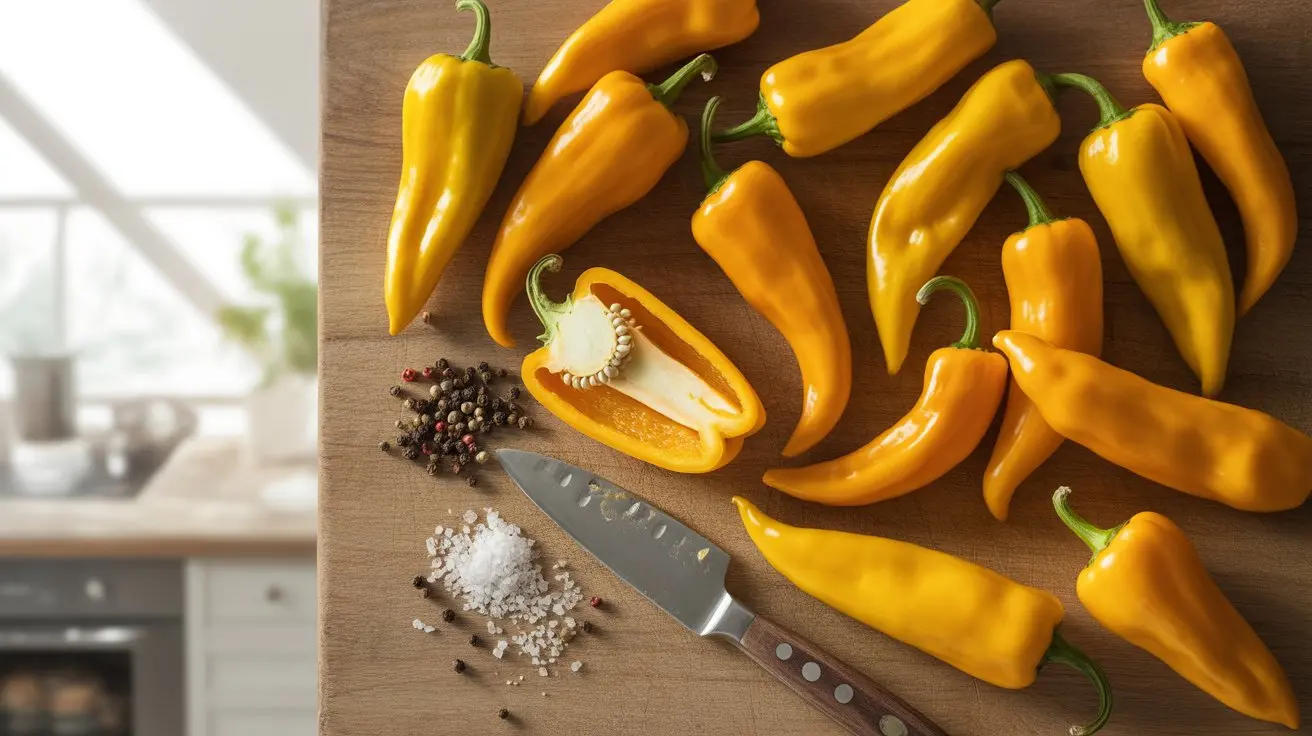
The name means simply 'yellow chili' in Spanish, though ripe pods often shift toward a vivid orange. The elongated shape, typically 4–5 inches long, tapers to a blunt point and carries thin, waxy walls. What separates it from similarly hot peppers is the flavor: unmistakably fruity, almost tropical, with a raisin-like undertone that lingers after the heat fades.
At 30,000–50,000 SHU, the burn is real but manageable — comparable on the Scoville measurement scale to a cayenne's familiar heat level or Tabasco's characteristic heat build. Thai chili runs in the same neighborhood, so if you can handle a Thai green curry without flinching, aji amarillo is accessible territory.
The pepper belongs to the C. baccatum species group, which is distinct from the more common C. annuum and C. chinense families. Baccatum peppers tend toward fruitier flavor profiles with a cleaner, less lingering burn — characteristics the aji amarillo exemplifies. It is the backbone of Peruvian regional pepper tradition in ways few single ingredients can claim for any cuisine.
History & Origin of Aji Amarillo
Peruvian cultures including the Inca cultivated aji amarillo as both food and ritual offering. The pepper appears in ceramic art from pre-Columbian civilizations along the Andean coast, and Spanish chroniclers in the 16th century documented its widespread use across the empire.
Unlike many New World peppers that found their greatest fame after being exported to Asia or Europe, the aji amarillo stayed home. It remained central to Peruvian cooking through colonial rule, independence, and into the modern era. Today it is sometimes called 'the soul of Peruvian cuisine' by chefs working in the country's thriving gastronomic scene.
Lima-based cooking elevated it further during the 20th-century Novoandina movement, which recontextualized indigenous ingredients in modern fine dining — placing aji amarillo on menus worldwide.
How Hot is Aji Amarillo? Heat Level & Flavor
The Aji Amarillo delivers 30K–50K Scoville Heat Units, placing it in the Hot tier (10K–100K SHU). That makes it roughly 10x hotter than a jalapeño.
Flavor notes: fruity and raisin-like.
Aji Amarillo Nutrition Facts & Health Benefits
A 100g serving of fresh aji amarillo provides approximately 40 calories, with significant amounts of vitamin C — often exceeding 150% of the daily recommended value. Like other C. baccatum peppers, it contains capsaicin and related compounds that research associates with metabolism support and anti-inflammatory effects.
The orange-yellow color comes from carotenoids, particularly beta-carotene and zeaxanthin, which support eye health. Potassium, vitamin B6, and folate round out the nutritional profile. The hot SHU bracket these peppers occupy correlates with meaningful capsaicin density — enough to trigger measurable thermogenic effects.
Best Ways to Cook with Aji Amarillo Peppers
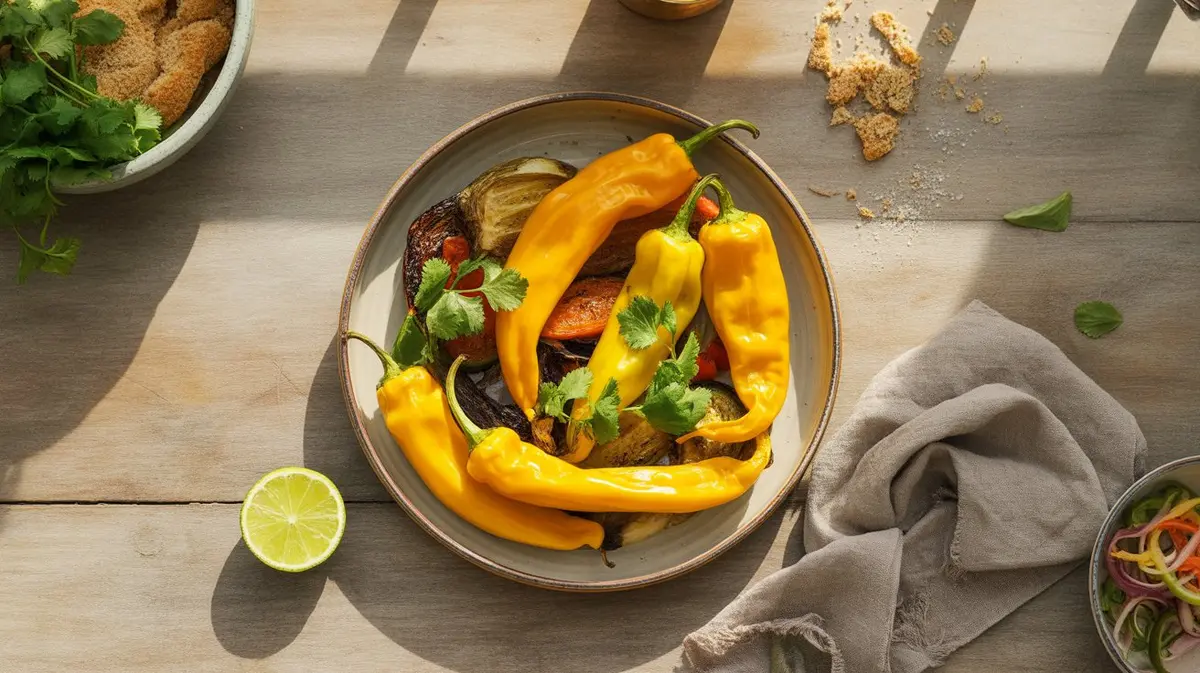
In Peru, aji amarillo is non-negotiable. Aji de gallina (creamy chicken stew), causa limeña (layered potato terrine), and ceviche all depend on it. The pepper provides not just heat but the fruity brightness that makes Peruvian ceviche taste different from every other version on the planet.
Fresh pods can be sliced into salsas or blended into marinades. The standard preparation involves removing seeds and veins — which drops the heat noticeably — then blending the flesh into a smooth paste. That aji amarillo paste is what most home cooks outside Peru actually use, and it's available jarred in Latin grocery stores.
For drying, the pepper loses some of its fruity top notes but gains a deeper, more concentrated sweetness. Dried aji amarillo behaves differently from the dried chiles explored in the Mexican dried chile trinity guide, where earthiness dominates — here the fruit character persists even after drying.
Pairing-wise, it works beautifully with potatoes, corn, seafood, and cheese. The fruity heat also cuts through fatty proteins like duck or lamb. For heat comparison context, the citrusy bite of aji limo's sensory profile is brighter and sharper — aji amarillo is warmer and rounder in comparison.
Where to Buy Aji Amarillo & How to Store
Fresh aji amarillo pods are most available from late summer through early fall at Latin American markets and specialty grocers. Outside that window, jarred aji amarillo paste is the practical choice — it captures the flavor well and stores in the refrigerator for weeks after opening.
Frozen pods are another option and preserve the fresh flavor better than drying. Look for firm, unblemished skin with bold orange color. Avoid pods with soft spots or wrinkled skin.
Store fresh pods in the refrigerator crisper drawer for up to two weeks. Paste keeps refrigerated for 4–6 weeks; freeze it in ice cube trays for longer storage.
Best Aji Amarillo Substitutes & Alternatives
Whether you ran out of aji amarillo or just want to try something different, these peppers make solid stand-ins. We picked them based on heat range, flavor overlap, and how well they actually work in the same dishes.
Our top pick: Cayenne Pepper (30K–50K SHU). The heat level is close enough for a direct swap in salsas, sauces, and stir-fries. Flavor leans neutral and peppery, so the taste will shift a bit — but the overall heat stays in the same range.
How to Grow Aji Amarillo Peppers
Aji amarillo is a warm-season perennial grown as an annual in most climates. Seeds need 80–90 days from transplant to first harvest, so starting indoors 10–12 weeks before last frost is standard practice. Germination is reliable at soil temperatures above 75°F — a heat mat makes a real difference.
The plants grow tall, often reaching 3–4 feet, and benefit from staking once pods set. They prefer well-draining soil with a pH between 6.0 and 6.8, and respond well to consistent moisture without waterlogging. Fertilize with a balanced formula through vegetative growth, then shift to lower nitrogen once flowering begins.
For cultivation characteristics, compare this to peppers grown in upward-facing clusters — aji amarillo pods hang downward, which helps with water drainage off the fruit. Pods start green and ripen through yellow to orange; the sweetest flavor develops at full orange ripeness.
In cooler climates, growing in containers lets you extend the season by moving plants indoors before frost. The pepper anatomy guide is worth reviewing before your first harvest — understanding where capsaicin concentrates helps you control heat when cooking. For broader seed-starting methods, the cultivation guide for starting peppers covers transplant timing and hardening off in detail.
Frequently Asked Questions
-
The flavor is distinctly fruity — tropical and slightly raisin-like — with heat that builds steadily but doesn't linger the way some hotter peppers do. It's warmer and rounder than the sharp citrus bite of aji limo, making it more versatile across a range of dishes.
-
The flavor is hard to replicate exactly, but a blend of habanero (reduced quantity) and a milder fruity pepper can approximate the heat and character — see the aji amarillo swap options page for specific ratios. Scotch bonnet comes closer in fruitiness but runs significantly hotter.
-
Paste is made from roasted or blanched fresh pods with seeds and veins removed, so it's milder and more concentrated in flavor than raw pods. For most Peruvian recipes, jarred paste is actually the traditional home-cook format — not a compromise.
-
At 30,000–50,000 SHU, aji amarillo is noticeably milder than a habanero's 100,000–350,000 SHU — roughly 3–7 times less intense. The heat and flavor side-by-side breakdown shows how the fruity profiles overlap despite the significant heat gap.
-
Latin American grocery stores carry jarred paste year-round, and fresh pods appear at specialty markets during late summer harvest season. Online retailers stock both dried whole pods and frozen fresh options if local sourcing is limited.
- Chile Pepper Institute — Capsicum Species Guide
- Smithsonian — Ancient Peruvian Agriculture and Capsicum
- USDA FoodData Central — Peppers, hot chili, raw
- Gastón Acurio — Peru: The Cookbook (Phaidon, 2015)
Species classification: C. baccatum — based on published botanical taxonomy.