
KnowThePepper
Bulgarian Carrot Pepper

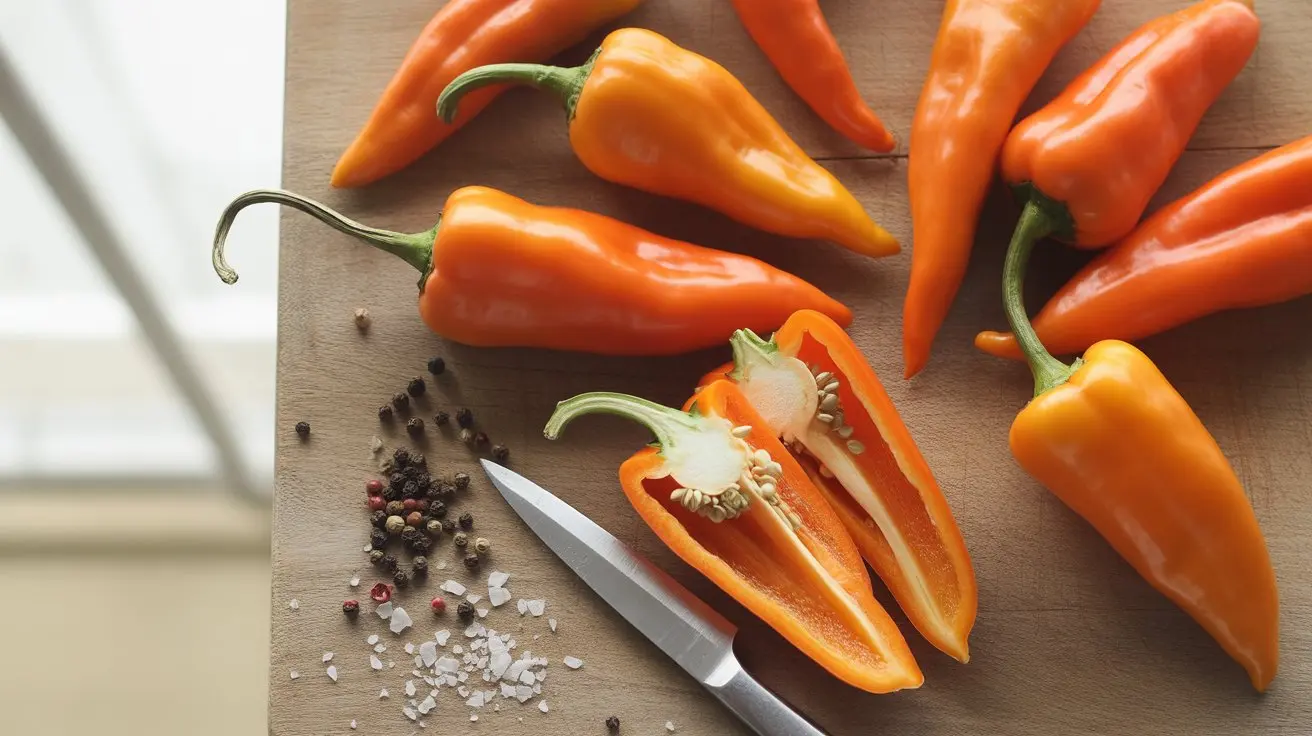
The bulgarian carrot pepper is a bright orange Bulgarian Capsicum annuum known for tapered carrot-shaped pods, steady heat in the 5,000-30,000 SHU range, and unusually good drying and pickling performance for such a small pepper. Seed sellers and growers keep returning to the same identity cues: roughly 3-inch fruit, compact productive plants, and a kitchen profile that feels closer to a serrano than to a sweet wax pepper.
- Species: Capsicum annuum
- Heat tier: Hot (10K–100K SHU)
- Comparison: 6x hotter than a jalapeño
What is Bulgarian Carrot Pepper?
The bulgarian carrot pepper earns its name honestly. The pods ripen to a saturated orange, stay narrow and tapered, and often look more like small carrots than like the blockier peppers people expect in this heat tier. Sandia describes bright orange 3-inch fruit on compact plants, while Experimental Farm Network calls them little carrot-shaped pods produced in profusion.
Heat is the second surprise. Most readers expect a pepper with this color and shape to stay mild, but Bulgarian Carrot usually lands in the 5,000-30,000 SHU range. That means it can open near jalapeno territory and climb toward the longer, drier burn of cayenne-style peppers, while still often tasting practically closer to serrano-level heat and bite. Experimental Farm Network sums it up well by calling it about as spicy as a serrano.
What makes the cultivar worth growing is the combination of shape, color, and use. This is not just another medium-hot annuum with a new name. Bulgarian Carrot is small enough to dry easily, bright enough to look dramatic in a jar, and crisp enough to stay interesting when pickled or chopped fresh.
If the reader question is whether Bulgarian Carrot is mainly ornamental or mainly culinary, the useful answer is that it leans culinary first, then happens to look ornamental while doing it. The pods are too productive and too versatile in vinegar, flakes, and hot sauce to treat the plant as decoration only.
History & Origin of Bulgarian Carrot Pepper
The variety is tied strongly to Bulgaria, and Experimental Farm Network notes that the peppers are known there as shipka. That naming clue matters because it links the route to a living regional pepper identity instead of an English-language catalog nickname alone.
The deeper breeder trail is not especially clean in public documentation, which is common for older open-pollinated peppers that moved through gardeners and seed savers before modern catalog descriptions standardized them. What is consistent is the seed-trade memory: Bulgarian Carrot is treated as an older Bulgarian cultivar and is now circulated as an heirloom hot pepper across North American specialty seed sellers.
That seed-trade persistence makes sense. The pepper is visually distinctive, productive on a small plant, and useful in the kitchen in more ways than many ornamental-looking peppers. It stayed in circulation because growers kept saving it and cooks kept finding jobs for it, especially where a thinner-walled hot pepper was better than a bulky roasting type.
How Hot is Bulgarian Carrot Pepper? Heat Level & Flavor
The Bulgarian Carrot Pepper delivers 5K–30K Scoville Heat Units, placing it in the Hot tier (10K–100K SHU). That makes it roughly 6x hotter than a jalapeño.
Flavor notes: fruity, crisp, and steadily hot.
Bulgarian Carrot Pepper Nutrition Facts & Health Benefits
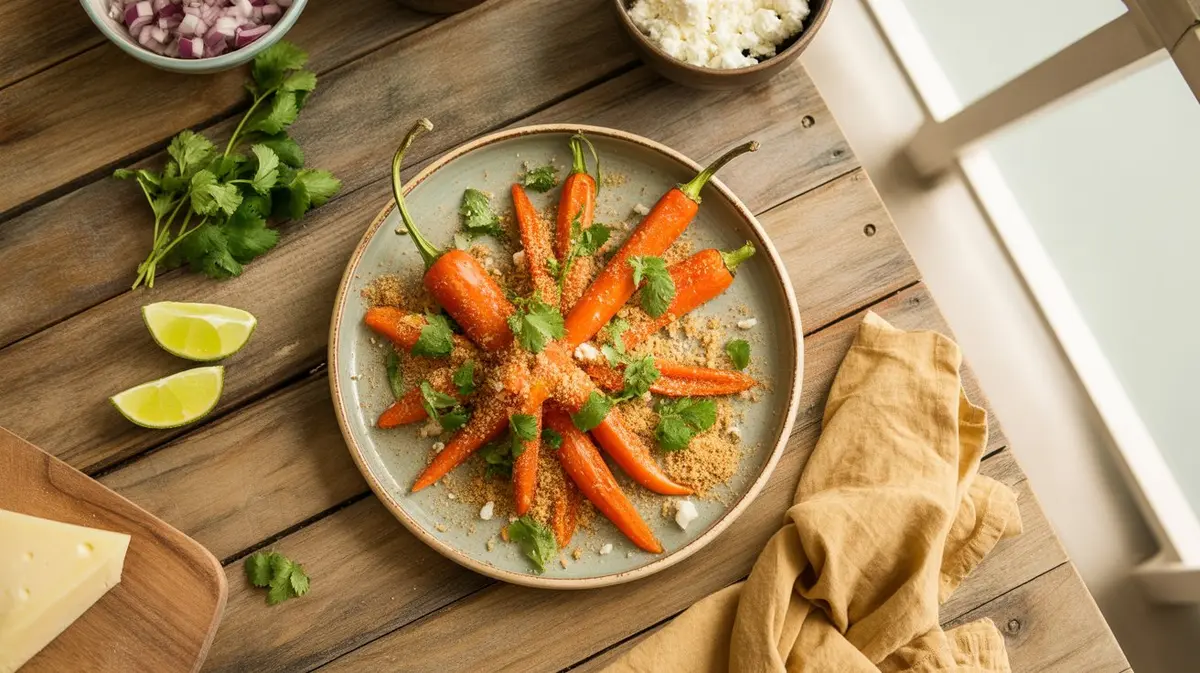
USDA FoodData Central is still the right general nutrition baseline for a pepper like Bulgarian Carrot: low calories, useful vitamin C, useful vitamin A precursors, and the usual fresh-pepper water content when pods are eaten raw. In practical terms, that means the pepper contributes more than heat even when you are only slicing a few pods into a batch.
The orange stage matters here. As the pods color up, carotenoid development becomes part of the visible and nutritional identity, which is one reason the ripe fruit reads differently from green harvests both visually and in flavor.
Heat still matters because this pepper sits in a range wide enough to surprise people. If you want the chemistry behind that burn, the capsaicin guide is the right follow-up. On this route, the bigger nutrition point is simpler: Bulgarian Carrot is a real edible hot pepper with enough crisp flesh to work fresh and enough thin-walled efficiency to work dried.
Best Ways to Cook with Bulgarian Carrot Peppers
Bulgarian Carrot is strongest when you treat it as a crisp, fruity hot pepper instead of trying to force it into thick-walled pepper jobs. Experimental Farm Network explicitly calls it versatile for drying whole, pounding into flakes, roasting, frying, salsa, and pickling. That list fits the pod structure. The pepper is narrow enough to dry fast, firm enough to pickle cleanly, and bright enough to add a clear fruit note before the heat catches up.
Fresh use is straightforward. Thin slices bring a cleaner, sharper hit than a fleshy roasting pepper, and the heat profile often lands closer to the narrow pointed burn of bird's eye chili than to a sweet banana or wax pepper. The difference is that Bulgarian Carrot usually keeps a little more fruitiness and crunch.
Pickling is one of the best fits. The orange color stays visually strong, the pods keep some snap, and the heat does not disappear into the brine. If you want a wetter sauce pepper, the juicier Tabasco-style path gives you more mash volume. Bulgarian Carrot is better when you want slices, rings, or whole peppers that still look distinct in the jar.
Drying is the other standout use. Sandia sells the pepper as a strong option for spicy dishes and sauces, and Experimental Farm Network goes further by naming whole-pod drying and flakes as top uses. That is a real route-owned distinction, not boilerplate. Many peppers are technically dryable. Bulgarian Carrot is one people actually choose for it.
Where to Buy Bulgarian Carrot Pepper & How to Store
Fresh Bulgarian Carrot peppers are easier to find through specialty growers, seed sellers, and home gardens than through mainstream grocery shelves. That matches the cultivar's niche. It is popular with gardeners and pepper enthusiasts, but it is not a broad retail commodity pepper.
When buying fresh pods, look for firm skin, complete orange ripening, and a clean taper without wrinkling. Green fruit is usable, but it does not yet show the full fruity character that makes the pepper distinctive.
Fresh pods hold about 1 to 2 weeks in the refrigerator if they stay dry. For longer storage, drying is the cleanest match for the cultivar, while freezing peppers is a good second choice if the harvest is headed toward cooked sauces or saut?s. Because the pods are slim and thin walled, dehydrating them is usually easier than with chunkier peppers.
Best Bulgarian Carrot Pepper Substitutes & Alternatives
Whether you ran out of bulgarian carrot pepper or just want to try something different, these peppers make solid stand-ins. We picked them based on heat range, flavor overlap, and how well they actually work in the same dishes.
Our top pick: Lemon Drop (15K–30K SHU). The heat level is close enough for a direct swap in salsas, sauces, and stir-fries. Flavor leans citrusy and bright, so the taste will shift a bit — but the overall heat stays in the same range.
How to Grow Bulgarian Carrot Peppers
Bulgarian Carrot is a good grower pepper because the published guidance is unusually specific. Sandia recommends starting seeds indoors about 8 weeks before the last frost with 85 F bottom heat. The same listing calls the plants compact and productive, which lines up with the cultivar's popularity in shorter-season and smaller-space gardens.
Plant size is part of the appeal. Sandia describes 18-inch plants, while Experimental Farm Network says plants run up to 2 feet tall. That is compact enough for raised beds and for the container pepper setup guide without turning the plant into a novelty-only patio pot. You get a real harvest from a modest footprint.
Days to maturity also help explain why the pepper shows up in shorter-season conversations. Sandia lists 75 days after transplant, which is quick enough to make the cultivar attractive where larger late peppers struggle to color up. Oregon State Extension also includes Bulgarian Carrot among recommended garden cultivars, which reinforces that this is a practical home-garden choice rather than a fussy collector plant.
Use the standard University of Minnesota pepper rules once seedlings leave the heat mat: transplant only after nights stay above 50 to 55 F, keep moisture even, and avoid letting the root zone swing from soaked to dusty. If the plant sets a heavy crop, stake it lightly. Experimental Farm Network specifically notes that individual plants can topple from the pepper load.
Frequently Asked Questions
-
Bulgarian Carrot usually falls in the 5,000-30,000 SHU range, so it overlaps serrano and often feels close to it in real cooking. Experimental Farm Network describes it as about as spicy as a serrano, which is a useful practical benchmark.
-
The name is visual. The ripe pods turn bright orange and stay narrow and tapered, so they look like small carrots. The cultivar is also tied to Bulgaria, where Experimental Farm Network notes it is known as shipka.
-
Yes. Drying is one of its best uses because the pods are thin walled, narrow, and productive. They dry cleanly whole and also work well crushed into flakes or powder.
-
Yes. The plant usually stays around 18 inches to 2 feet tall, which makes it very workable in a medium container with full sun and steady moisture. It is compact enough for patios without giving up real yield.
-
Wait for the pods to reach full orange color if you want the clearest flavor and the most recognizable version of the variety. Green pods are edible, but they do not show the same fruity character.
- Sandia Seed Company: Bulgarian Carrot Pepper Seeds
- Experimental Farm Network: Bulgarian Carrot (Shipka) Hot Pepper
- University of Minnesota Extension: Growing peppers
- Oregon State Extension: Grow your own peppers
- USDA FoodData Central
Species classification: Capsicum annuum — based on published botanical taxonomy.