7 Pot Primo

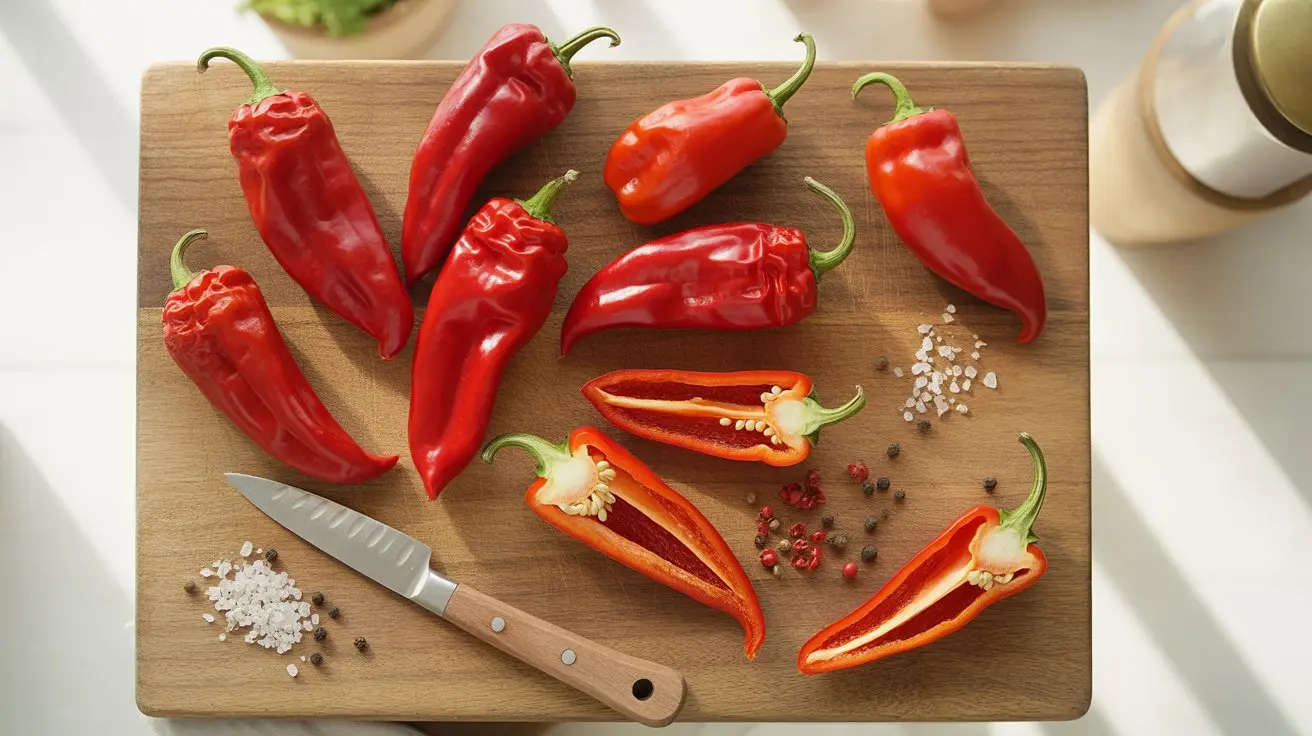
The 7 Pot Primo is a Louisiana-bred C. chinense that sits at 1,000,000-1,469,000 SHU - roughly 294 times hotter than a jalapeño. What separates it from the super-hot crowd is a genuine fruity, floral flavor underneath the punishment. The distinctive wrinkled pods with their signature tail make it recognizable at a glance, and it performs well both in the garden and the kitchen.
- Species: C. chinense
- Heat tier: Super-Hot (1M+ SHU)
- Comparison: 294x hotter than a jalapeño
What is 7 Pot Primo?
Troy Primeaux, a horticulturist from Louisiana, developed the 7 Pot Primo by crossing a 7 Pot pepper with the wrinkled, tail-bearing pods that characterize some of the world's most extreme chiles. The result is a pepper that earns its place in the super-hot heat category while delivering something beyond raw fire.
The pods are immediately recognizable - heavily wrinkled skin, deep red coloration at full ripeness, and a narrow pointed tail that curls off the bottom. That tail isn't decorative. It signals the genetic lineage and often concentrates some of the most intense heat.
At 1,000,000 to 1,469,000 SHU, the Primo sits comfortably alongside some of the most formidable peppers in the C. chinense botanical family. For context, a Komodo Dragon's scorching fruity heat tops out around 1,400,000 SHU - similar territory, different character.
The flavor profile is the real story here. Fruity and floral notes come through before the heat builds, which makes the Primo more useful in cooking than peppers that deliver only pain. Experienced chileheads use it in hot sauces where they want complexity alongside the burn. The heat itself builds slowly, then holds on longer than most super-hots.
History & Origin of 7 Pot Primo
Troy Primeaux - 'Primo' - developed this pepper in Louisiana in the early 2000s, working through careful selection to stabilize a cross that combined extreme heat with genuine flavor complexity. The name combines the 7 Pot pepper lineage (referring to the Caribbean claim that one pod could heat seven pots of stew) with his own nickname.
The pepper gained traction in the hot pepper community through online forums and seed trading networks before commercial growers picked it up. It represents a broader trend in American super-hot breeding during the 2000s, where growers from the American pepper-growing tradition pushed beyond simple heat records toward peppers with actual culinary merit. The Primo became a benchmark for what a super-hot could be when flavor was part of the breeding goal.
How Hot is 7 Pot Primo? Heat Level & Flavor
The 7 Pot Primo delivers 1M–1.5M Scoville Heat Units, placing it in the Super-Hot tier (1M+ SHU). That makes it roughly 294x hotter than a jalapeño.
Flavor notes: fruity and floral.
7 Pot Primo Nutrition Facts & Health Benefits
Like other C. chinense super-hots, the 7 Pot Primo is dense with capsaicin - the compound responsible for the TRPV1 receptor activation that produces heat sensation. Fresh pods are high in vitamin C, often exceeding orange concentrations by weight, along with vitamin A and antioxidant carotenoids that increase as pods ripen from green to red.
Calorie content is negligible - a single pod contributes almost nothing to daily intake while delivering meaningful micronutrients. The capsaicin itself has documented associations with metabolism support and anti-inflammatory effects in research contexts, though the quantities used in food are far below therapeutic doses.
Best Ways to Cook with 7 Pot Primo Peppers
Working with the 7 Pot Primo requires restraint - a single pod can overwhelm a large batch of hot sauce if you're not careful. That said, the fruity and floral notes make it worth the effort. Roasting the pods before use softens the raw heat slightly and amplifies the fruit character.
For hot sauces, a ratio of one Primo to a larger volume of complementary super-hots with good flavor depth works well. The Primo contributes heat and floral brightness while the blend rounds out the flavor.
If you're experimenting with peppers for pizza applications, a Primo-infused oil is more practical than fresh pods - steep sliced dried Primos in warm olive oil, strain, and use sparingly. The pepper heat chart guide is useful for calibrating how much Primo to substitute when a recipe calls for a milder super-hot.
Dried and powdered, the Primo is flexible. A pinch goes into rubs, marinades, and chocolate-based desserts where the floral notes can actually shine. Always wear gloves when processing fresh pods - the oil is persistent and transfers easily.
Where to Buy 7 Pot Primo & How to Store
Fresh 7 Pot Primo pods are rarely found in grocery stores. Specialty pepper vendors, farmers markets with dedicated chile growers, and online retailers are the practical sources. Look for pods with tight, wrinkled skin and no soft spots - the characteristic tail should be intact.
Refrigerate fresh pods in a paper bag for up to 2 weeks. For longer storage, slice and freeze on a sheet pan before transferring to a sealed bag - frozen Primos hold flavor well for 6-12 months. Dried pods keep 1-2 years in an airtight container away from light. Seeds are widely available from reputable hot pepper seed vendors for home growing.
Best 7 Pot Primo Substitutes & Alternatives
Whether you ran out of 7 pot primo or just want to try something different, these peppers make solid stand-ins. We picked them based on heat range, flavor overlap, and how well they actually work in the same dishes.
Our top pick: Trinidad Scorpion Butch T (1.5M–1.5M SHU). Same species (C. chinense) and nearly the same heat, so it swaps in at a 1:1 ratio without changing the character of the dish. The flavor leans fruity and intense, which is close enough that most people won’t notice the difference in a cooked recipe.
How to Grow 7 Pot Primo Peppers
The 7 Pot Primo is a long-season pepper. Starting seeds indoors 10-12 weeks before the last frost date is standard practice - rushing this timeline results in smaller plants with lower yields. Germination is reliable at 80-85°F soil temperature, typically within 7-14 days.
Transplanting outdoors works best when nighttime temps stay consistently above 55°F. Plants reach 3-4 feet tall and benefit from staking once pod load increases. Full sun and well-draining soil with a slightly acidic pH (6.0-6.5) are the baseline requirements.
For starting super-hots from transplant to harvest, patience is the main skill. The Primo can take 120-150 days from transplant to ripe red pods. Green pods are edible but lack the full fruity character that develops as they ripen through yellow-orange to deep red.
Compared to the prolific production of wrinkled-pod super-hots with similar genetics, the Primo produces moderate yields per plant. Consistent watering during pod development prevents blossom drop. Container growing works if the pot is large enough - 5-gallon minimum, though 10-gallon produces noticeably better results.
Frequently Asked Questions
-
The 7 Pot Primo ranges from 1,000,000 to 1,469,000 SHU, placing it alongside peppers like the intensely aromatic burn of the Butch T Scorpion and above most standard super-hots. For reference, that upper range exceeds the distinctive wrinkled-pod heat of some UK-bred nagas and sits well above the Komodo Dragon.
-
The flavor is genuinely fruity and floral - tropical fruit notes with a slight sweetness that comes through in the first few seconds before the heat takes over. This complexity is why experienced sauce makers seek it out rather than defaulting to peppers that deliver only heat.
-
It requires a long growing season - 120-150 days from transplant - and consistent warmth, which makes it challenging in northern climates without a greenhouse or indoor lighting setup. The plants themselves are not particularly finicky once established, but rushing the seed-starting timeline is the most common mistake.
-
Fresh pods are rarely found in retail settings - specialty online pepper vendors and regional farmers markets with dedicated chile growers are the most reliable sources. Seeds are widely available from hot pepper seed companies and are often easier to source than fresh pods.
-
Both sit in similar SHU territory, but they have different characters - the sharp, building heat profile of the Naga Viper tends toward a more aggressive immediate burn, while the Primo's heat builds more gradually with more pronounced fruity notes up front. The Primo's wrinkled tail pods are also visually distinct from the Viper's smoother profile.
- Chile Pepper Institute - Super Hot Varieties
- USDA Plant Database - Capsicum chinense
- Pepperscale - 7 Pot Primo Overview
- Baker Creek Heirloom Seeds - Hot Pepper Growing Guide
Species classification: C. chinense — based on published botanical taxonomy.