What Is a Chili Pepper? Fruit, Heat, Species, and Uses
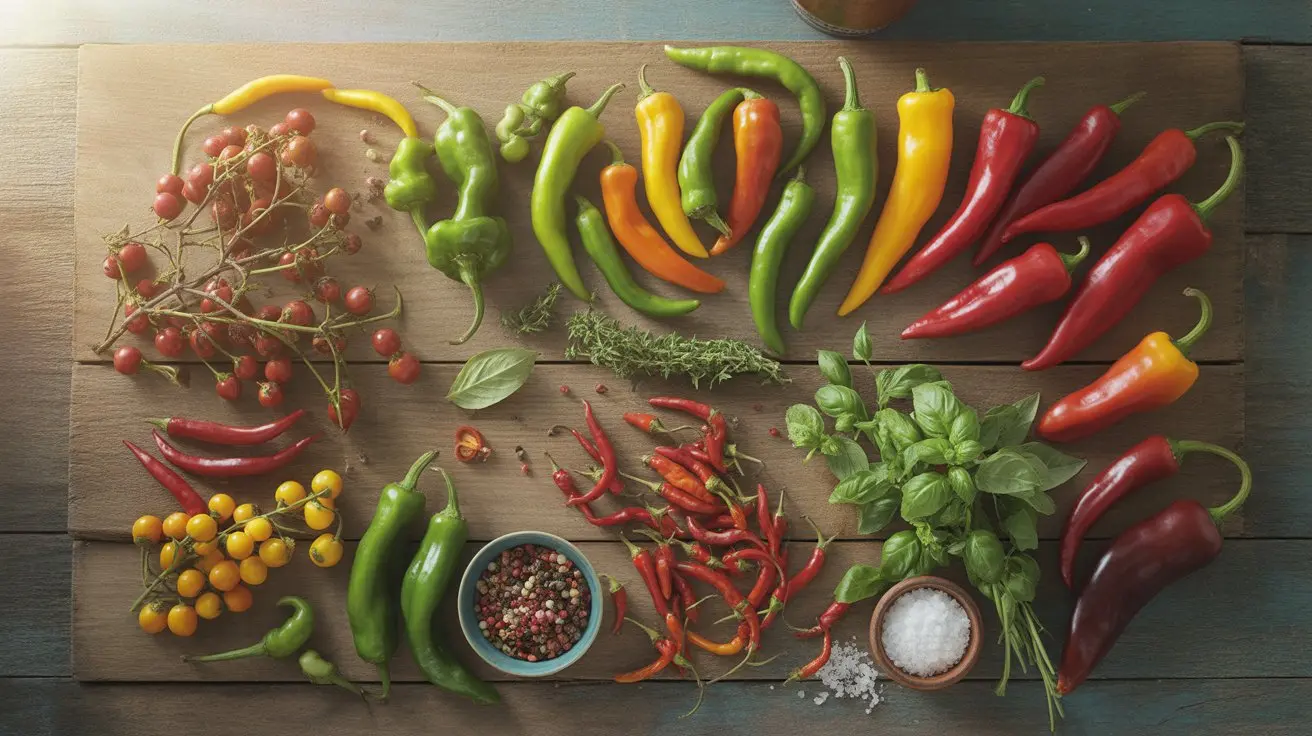
A chili pepper is the fruit of a Capsicum plant grown or used for pungency. It is botanically a fruit, usually treated as a vegetable when fresh and as a spice when dried, and can belong to several domesticated Capsicum species.
A chili pepper is a Capsicum fruit valued for pungency, although many cultivars also bring sweetness, acidity, floral aroma, or smoke-friendly flesh. Chili describes a practical ingredient group, not one species or one pod shape.
That definition separates chili peppers from sweet peppers in ordinary cooking without placing them in different botanical families. Bells, jalapeños, habaneros, and rocotos all belong to the Capsicum genus, but cooks usually reserve chili for fruit in which heat matters.
What Makes a Pepper a Chili Pepper?
Capsicum plants belong to the nightshade family, alongside tomatoes and eggplants. Their peppers develop from flowers and hold seeds, which makes each pod a fruit in botanical terms.
Pungent cultivars create the category cooks call chilies. A bell pepper remains a Capsicum fruit, but its lack of intended heat places it on the sweet side of the kitchen distinction.
Useful definition: a chili pepper is a Capsicum fruit whose named cultivar, heat, and flavor make it useful as a pungent fresh or dried ingredient.
The boundary has mild exceptions. A poblano may offer modest heat, while an unusually mild pod from a hotter cultivar can taste gentler than its label suggests.
Why Is a Chili Pepper Botanically a Fruit?
The fruit-versus-vegetable question changes with context. Botany identifies the plant structure, while kitchen language describes how the ingredient is prepared.
| Context | What a chili pepper is | Why |
|---|---|---|
| Botany | A fruit, more specifically a berry | It develops from a flower ovary and contains seeds |
| Fresh cooking | Usually handled like a vegetable | It is chopped, roasted, fried, stuffed, or added to savory food |
| Dried seasoning | A spice or spice ingredient | Dry pods, flakes, and powder season food in small amounts |
All three descriptions can therefore be correct. Calling a jalapeño a vegetable in a recipe does not change the botanical fact that the pod is fruit.
Sweetness does not decide the classification. Some ripe habaneros smell distinctly fruity, while green chilies can taste grassy and sharp.
Which Capsicum Species Produce Chili Peppers?
Most cultivated chilies belong to five domesticated Capsicum species recognised in crop literature. USDA GRIN maintains separate taxonomic records for each one, which shows why chili pepper cannot be a single-species name.
| Species | Familiar examples | Useful identifying context |
|---|---|---|
| Capsicum annuum | Jalapeño, cayenne, poblano, many paprika types | The broadest familiar group, with sweet and hot cultivars |
| Capsicum chinense | Habanero, Scotch bonnet, ghost pepper | Often aromatic and very hot, although heat still varies by cultivar |
| Capsicum frutescens | Tabasco and related upright-fruited types | Commonly represented by slender, pungent pods |
| Capsicum baccatum | Aji amarillo and many South American ají cultivars | Frequently associated with bright fruit character and distinctive flowers |
| Capsicum pubescens | Rocoto and manzano | Recognisable by dark seeds and hairy foliage |
A species name narrows the family, but it does not give a precise heat promise. Capsicum annuum alone includes zero-heat bells, mild poblanos, medium jalapeños, and hotter cayenne cultivars.
The cultivar name gives the cook more useful information. It connects a pod to a typical heat range, wall thickness, aroma, mature color, and common preparation.
What Makes Chili Peppers Hot?
Capsaicin is the best-known member of a group called capsaicinoids. These compounds activate heat-sensing receptors in the mouth and skin, so the nervous system reads the contact as burning even though the pepper is not physically hot.
The highest concentrations generally occur in placental tissue, the pale inner structure that supports the seeds. Capsaicinoids can spread onto nearby seeds and inner walls, which explains why removing seeds often reduces heat even though the seeds are not the main production site.
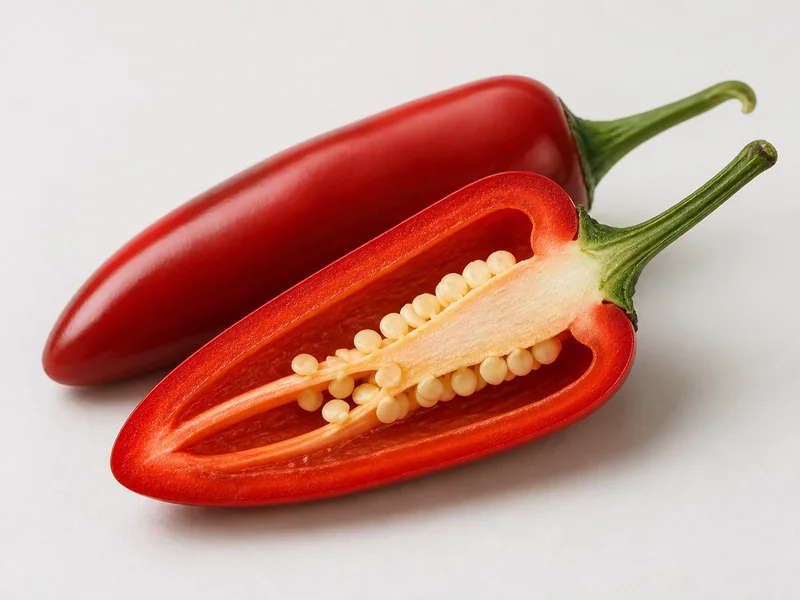
- Placenta: the pale inner ribs and core where capsaicinoid concentration is usually greatest.
- Seeds: reproductive structures that can carry pungent material on their surface.
- Pericarp: the outer fruit wall that supplies most of the flesh, color, and texture.
- Stem and calyx: the attachment point and green cap, which help identify the top of the fruit.
Trimming the inner ribs can lower the heat in a particular pod, but it cannot make every chili mild. Capsaicinoid distribution varies, and some pungent material remains on the inner wall.
A pod's Scoville rating estimates pungency rather than temperature, acidity, or sweetness. The named cultivar and measured range provide context, while an individual harvest can land higher or lower.
Can You Tell a Chili's Heat by Its Shape or Color?
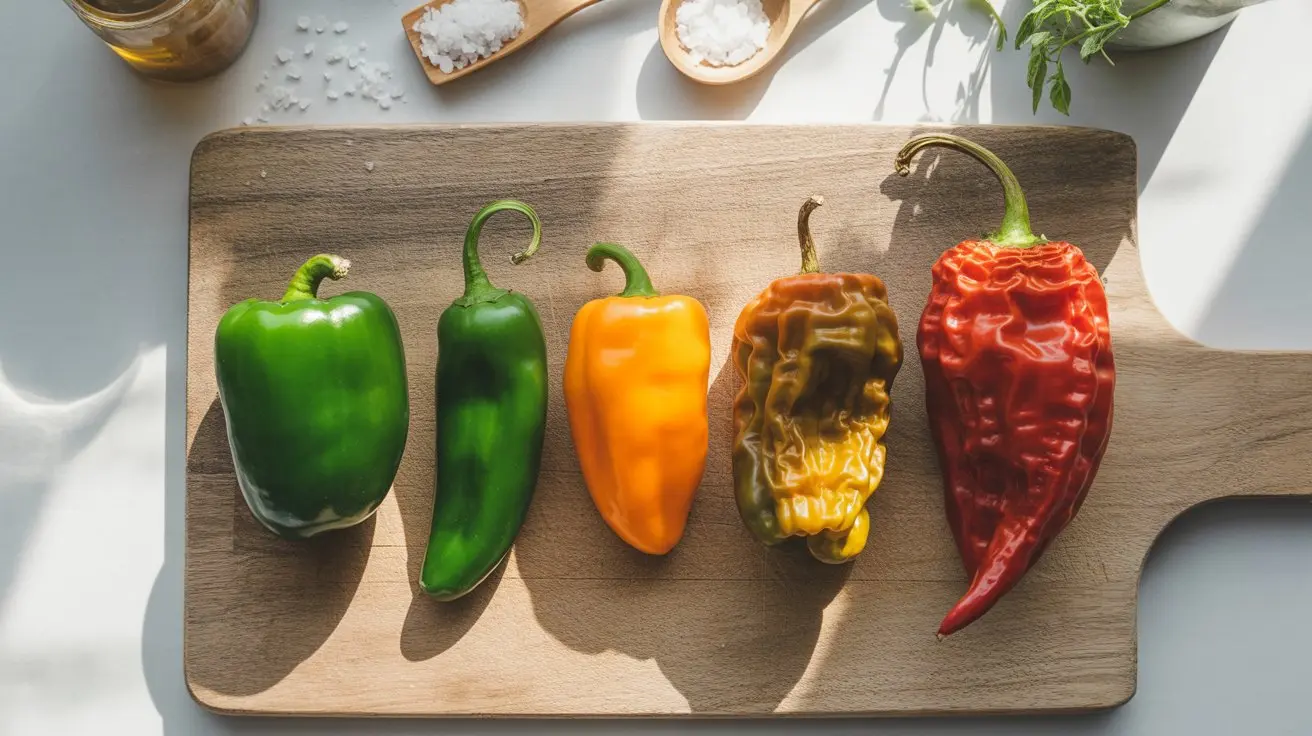
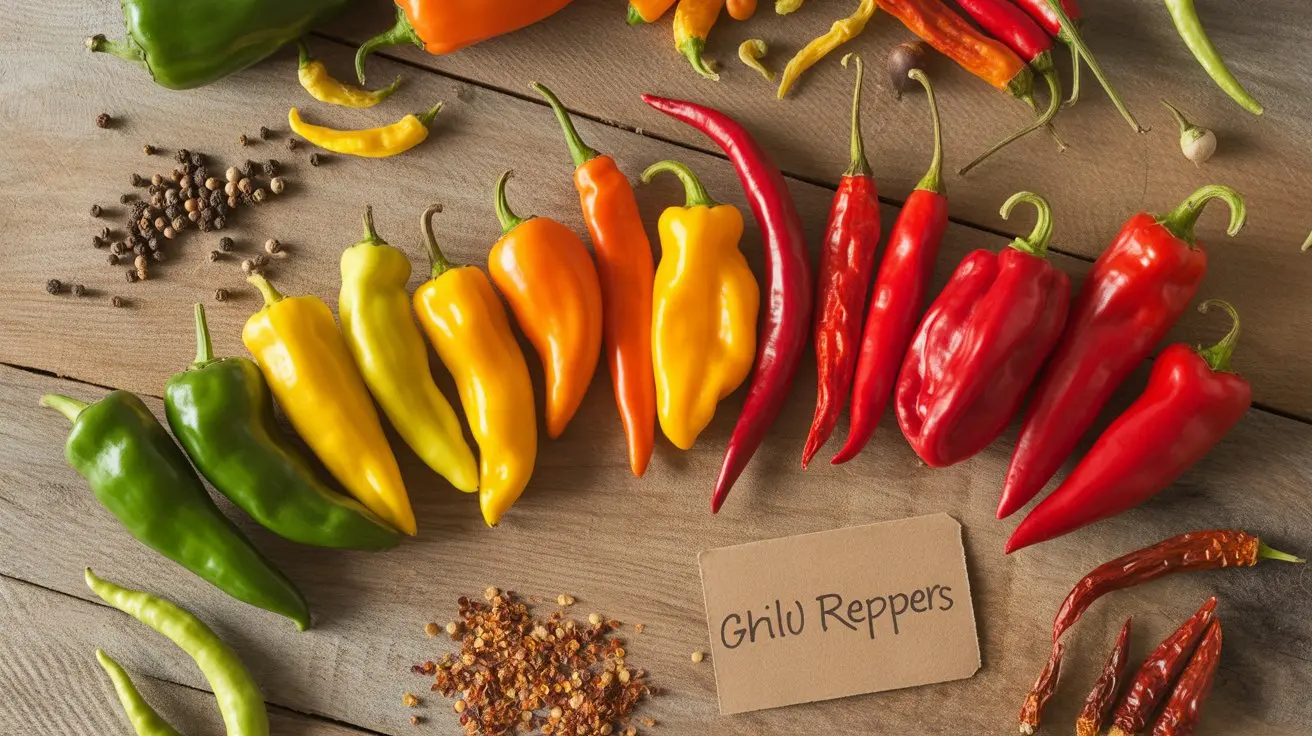
Color often tells you maturity, not heat. Many chilies begin green and ripen red, orange, yellow, brown, or another cultivar-specific color as pigments and flavor change.
Shape can also mislead. A pale yellow, curved sweet banana pepper can resemble a hotter Hungarian wax pepper closely enough that the name matters more than the silhouette.
| Signal | What it can tell you | What it cannot guarantee |
|---|---|---|
| Cultivar name | A useful typical range and flavor identity | The exact heat of one fruit |
| Maturity color | Where a known cultivar sits in its ripening path | That red is always hotter than green |
| Pod shape | A clue when paired with leaves, flowers, and a label | Reliable separation of every mild and hot lookalike |
| Seed count | How many seeds the fruit formed | How much capsaicinoid the pod contains |
Corking, small stress lines on the skin, appears often on some jalapeños. It can accompany maturity or growing conditions, but it is not a dependable universal heat meter.
When zero heat matters, buy a named sweet cultivar rather than judging a loose pod by color. When high heat matters, use the named chili and its stated range instead of relying on a dramatic shape.
How Do Fresh and Dried Chilies Behave Differently?
Processing changes water, texture, aroma, surface area, and how evenly pungency disperses through a dish. The same cultivar can therefore act like a different ingredient after drying or grinding.
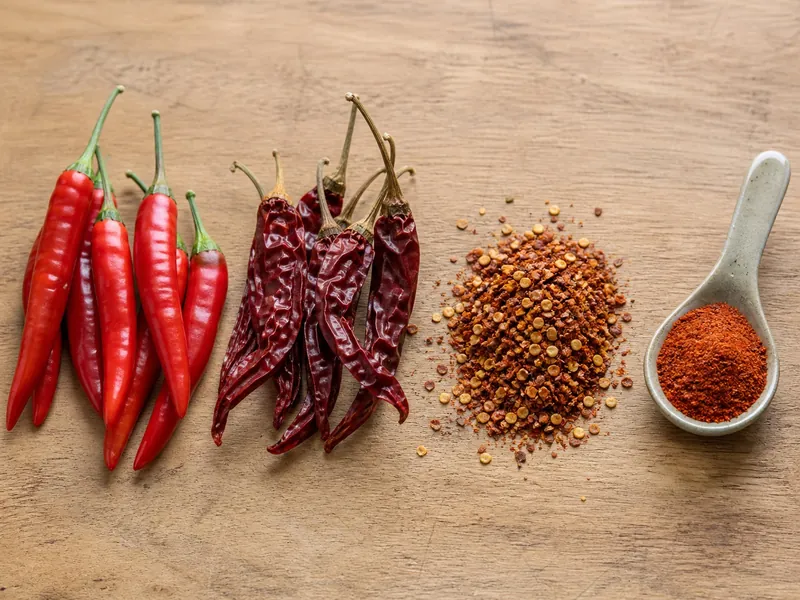
| Form | What it contributes | Strong starting uses |
|---|---|---|
| Fresh whole or chopped | Juicy flesh, fresh aroma, visible pieces, local bursts of heat | Salsa, stir-fries, pickles, relishes, garnishes |
| Whole dried pod | Concentrated dry aroma and a form that can be toasted, soaked, or simmered | Sauces, stews, broths, infused oil |
| Flakes | Visible fragments with uneven bursts and some seed texture | Pizza, noodles, finishing seasoning, quick sautés |
| Powder | Fast, even dispersion with no fresh texture | Rubs, spice blends, sauces, seasoned flour |
Drying removes water, not capsaicinoids. A teaspoon of powder can feel more concentrated than a teaspoon of fresh chopped pepper because more dry pepper material fits into the measure.
Ground chili and chili powder are not always interchangeable package terms. In some markets, ground chile names one dried pepper, while chili powder can contain cumin, garlic, oregano, salt, or other seasonings.
Chili, Chile, or Chilli: Which Spelling Is Correct?
English uses several regional spellings. Chili is common in American English, chile is strongly associated with New Mexico and Spanish-influenced usage, and chilli is common in British and other international English.
- Chili pepper, chile pepper, and chilli pepper can all refer to pungent Capsicum fruit.
- Chile on a package often helps distinguish the pepper from the bean-and-meat dish called chili.
- Chili powder needs an ingredient-list check because the package may contain one ground pepper or a seasoning blend.
- Named forms such as ancho, chipotle, and paprika tell you more than spelling alone.
An ancho is a dried ripe poblano, and a chipotle is a smoked dried jalapeño. Processing names like these preserve an ingredient identity that the broad word chili cannot supply by itself.
How Do You Choose and Handle a Chili Pepper?
Start with the result the dish needs. Heat level, fruit flavor, wall thickness, fresh texture, and dried aroma are separate traits, so one chili rarely replaces another perfectly on every dimension.
- Name the pepper. Prefer a cultivar or established market name over a loose label such as red chili.
- Check the expected heat. Use the stated range as context and allow for natural variation.
- Choose the form. Fresh flesh, a whole dried pod, flakes, and powder change texture and dispersion.
- Consider every diner. Add a measured amount first when tolerance is unknown.
- Limit skin and eye contact. Wear clean food-prep gloves for very hot pods, avoid touching your face, and wash tools and surfaces after cutting.
Capsaicinoids do not dissolve well in plain water, so rinsing alone can move residue around. Dish detergent helps lift oily residue from tools and washable surfaces.
Do not taste an unidentified pod to discover whether it is extremely hot. Confirm the name when possible, then test a tiny controlled amount in food if the expected range fits the people eating it.
What Is a Chili Pepper? Fruit, Heat, Species, and Uses FAQ
- Peppers - University of California Statewide IPM Program
- Grow Your Own Peppers - Oregon State University Extension
- Capsicum annuum L. - USDA GRIN-Global
- Capsicum baccatum L. - USDA GRIN-Global
- Capsicum chinense Jacq. - USDA GRIN-Global
- Capsicum frutescens L. - USDA GRIN-Global
- Capsicum pubescens Ruiz & Pav. - USDA GRIN-Global
- Placenta, Pericarp, and Seeds of Tabasco Chili Pepper Fruits Show a Contrasting Diversity of Bioactive Metabolites