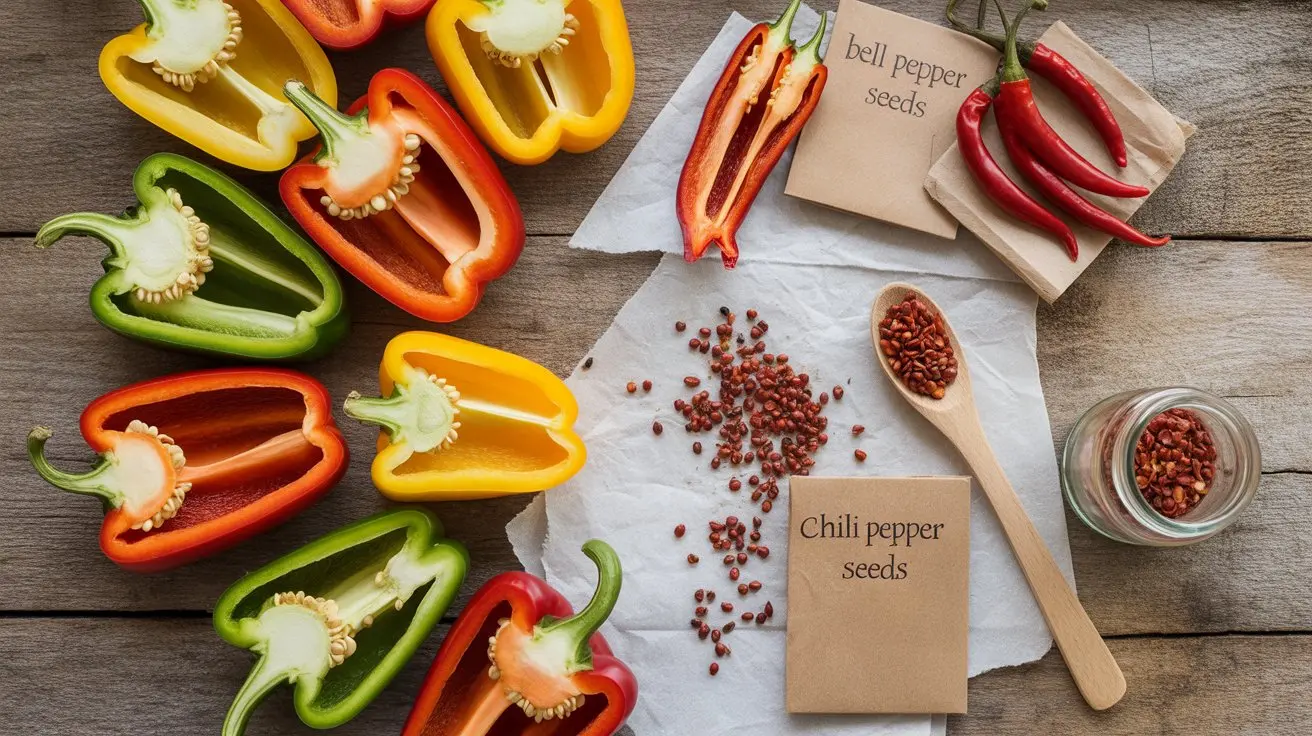
How to Save Pepper Seeds
Harvest and save pepper seeds. Drying, storing, and germination testing for all types. Detailed guide with expert tips and practical advice.
Why Saving Pepper Seeds Is Worth the Effort
The first time I saved seeds from a pepper, it was less a plan and more a panic — a Thai chili plant I'd grown from a single packet had produced the most consistently fiery, thin-walled fruits I'd ever tasted, and the packet was discontinued. I sliced open a ripe pod, scraped the seeds onto a paper plate, and hoped for the best. Three years later, that same lineage is still growing in my garden.
Seed saving is one of those skills that sounds complicated until you actually do it, and then you wonder why you ever bought new seeds every spring.
Which Peppers Are Worth Saving Seeds From
Not all peppers are equally good candidates for seed saving. The best results come from open-pollinated or heirloom varieties — these reproduce true to type, meaning the offspring will closely match the parent plant.
Hybrid varieties (usually labeled F1 on seed packets) are a different story. Seeds from F1 hybrids can germinate, but the resulting plants often revert to unpredictable traits from the parent lines. If you grow hybrids, buy fresh seed each year.
Open-pollinated varieties worth saving include the intensely fruity deep-bronze Caribbean variety with complex cocoa undertones, the compact and prolific small African-origin chili prized for consistent blistering heat, and the versatile slender Southeast Asian pepper with sharp, clean fire. All three breed reliably true when isolated from cross-pollination.
Understanding Cross-Pollination Risks
Peppers are primarily self-pollinating, which works in your favor. The flower structure means pollen typically fertilizes the same flower before insects have a chance to transfer it elsewhere.
That said, cross-pollination does happen — especially when multiple varieties grow within 30 to 50 feet of each other and bees are active. The cross won't affect the flavor of this season's fruit, but it will affect the seeds inside. Plant the next generation from those seeds and you might get something unexpected.
If you're growing several varieties and want to preserve genetic purity, the simplest method is bagging individual flowers before they open. Use small mesh bags or row cover material secured with a twist tie. Once the flower self-pollinates and the petals drop, remove the bag. Mark that fruit — those are your seed-saving specimens.
Choosing the Right Fruit for Seed Harvest
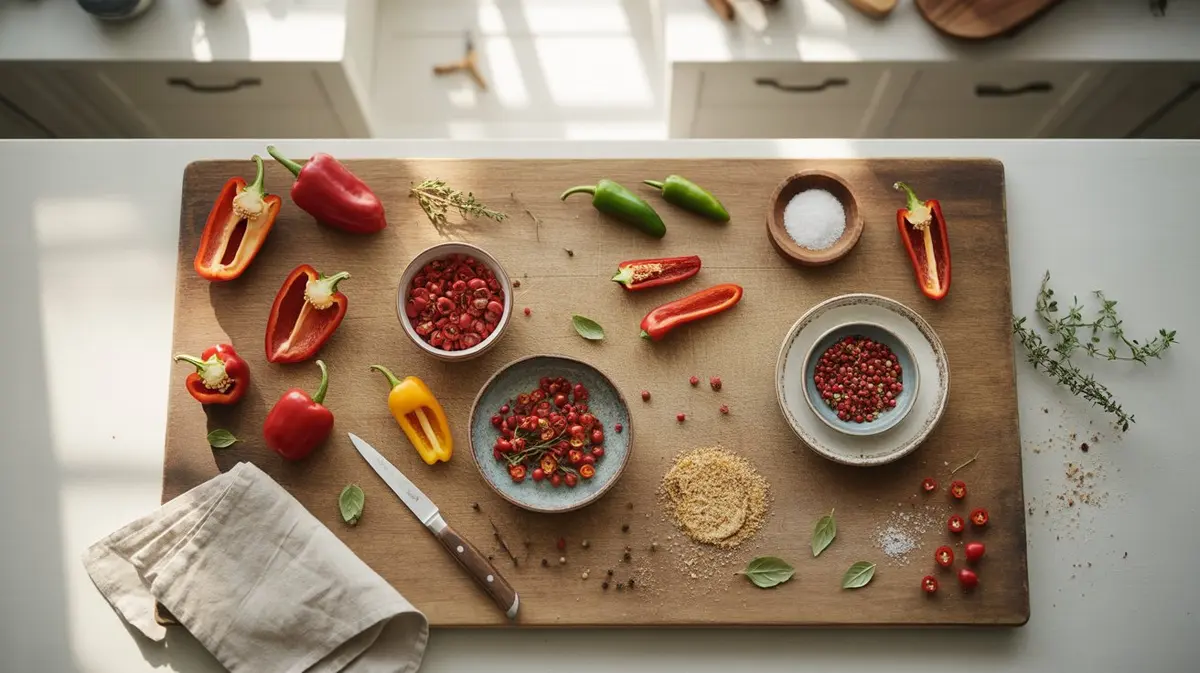
Seed quality starts with fruit selection. Pick from the healthiest, most vigorous plants in your garden — not just any pepper that happens to be ripe.
The fruit itself needs to be fully mature. For most peppers, this means red, orange, yellow, or brown — whatever the fully ripe color is for that variety. Green peppers harvested early contain immature seeds with low germination rates. Leave your seed-saving fruits on the plant as long as possible, even past the point where you'd normally harvest for eating.
Mild varieties like the Turkish-origin pepper with earthy, sun-dried raisin notes and the deep red Turkish pepper with oily, slow-building warmth both need to reach full red before seeds are viable — a detail that surprises growers who typically harvest these while still firm.
If frost is coming before your selected fruits fully ripen, pull the entire plant and hang it upside down indoors. The fruits will continue ripening off the vine.
How to Extract and Clean Pepper Seeds
Wear gloves for hot varieties. Capsaicin concentrates in the placental tissue around the seeds, and the oils transfer easily to skin and eyes.
- Slice the pepper lengthwise and use a spoon or your fingers to scrape seeds into a bowl.
- Separate seeds from the white placental membrane as much as possible — the membrane can harbor mold during drying.
- For a quick rinse, place seeds in a small strainer and run cool water over them, gently rubbing to remove any remaining flesh.
- Spread seeds in a single layer on a ceramic plate, glass dish, or wax paper. Avoid paper towels — seeds stick and you'll tear them trying to remove them.
- Label immediately. It's shockingly easy to mix up varieties once they're out of the fruit.
The bold southern Italian pepper known for its bright red oil and sharp heat produces seeds that are particularly sticky from the oil content — rinse those extra thoroughly before drying.
Drying Seeds Properly
This step is where most first-time seed savers go wrong. Seeds need to be completely, thoroughly dry before storage — not just surface dry, but dry all the way through.
Spread seeds in a single layer and let them dry at room temperature for 1 to 2 weeks. Stir or flip them every day or two so they dry evenly. A spot with good airflow and low humidity works best — avoid anywhere with temperature swings or condensation.
You can speed things up with a dehydrator set to its lowest setting (95-100°F), but monitor closely. Heat above 110°F damages seed viability. Never use an oven, even on its lowest setting — most ovens run too hot.
To test if seeds are fully dry, try the snap test: a properly dried pepper seed should snap cleanly when bent, not flex or bend. Seeds that bend still contain moisture and will mold in storage.
Storing Seeds for Maximum Viability
Moisture and heat are the enemies of stored seeds. The goal is a cool, dark, dry environment with stable temperature.
The classic home setup: small paper envelopes inside an airtight glass jar, with a silica gel desiccant packet to absorb any residual moisture. Label each envelope with variety name, harvest year, and any notes about the plant's performance.
Storage location matters more than most people realize. A kitchen cabinet near the stove is one of the worst spots — temperature fluctuates every time you cook. Better options include a cool closet, a basement shelf, or the refrigerator. For long-term storage beyond 3 years, the freezer is genuinely effective if seeds are completely dry before freezing (any residual moisture will expand and rupture cells).
Pepper seed viability by species varies. Capsicum annuum seeds typically remain viable for 2 to 5 years under good conditions. Capsicum chinense seeds — the species that includes habaneros and many Caribbean varieties — often store for 3 to 5 years. Capsicum frutescens, which includes Tabasco and many small-fruited varieties, tends toward the shorter end of that range.
Testing Germination Before You Plant
Before committing a full tray to seeds you've stored for a few years, run a germination test. It takes about two weeks and tells you exactly what to expect.
- Count out 10 seeds from your stored batch.
- Dampen a paper towel — moist but not dripping.
- Fold the seeds inside the towel and place it in a zip-lock bag. Leave the bag slightly open for air circulation.
- Keep it somewhere warm — 80-85°F is ideal for most pepper species. The top of a refrigerator often works.
- Check daily after day 7. Count how many sprout by day 14.
If 8 or more germinate, your seeds are in good shape. If 5-7 sprout, plant more densely than usual to compensate. Below 5, consider sourcing fresh seed — low germination rates mean slow, patchy starts and you'll spend the whole season trying to catch up.
This test also reveals whether seeds are dormant versus dead. Dormant seeds sometimes need a longer warm soak or a brief cold stratification period before they'll break. Dead seeds won't sprout regardless of conditions.
Isolation Distances for Pure Seed Strains
If genetic purity matters to you — and for rare or heirloom varieties, it should — isolation distance is the most reliable protection against accidental crossing.
The general recommendation is 30 to 50 feet between varieties for home gardens with moderate insect activity. For seed growers producing stock for sale or trade, commercial standards often require 150 to 300 feet of separation.
In small gardens where distance isn't possible, physical barriers work. A row of tall plants between varieties (corn, sunflowers) can reduce bee movement between pepper rows. Caging individual plants with fine mesh prevents insect access entirely. These methods aren't foolproof, but they significantly reduce crossing risk.
Varieties with high-heat character in the 30,000 to 100,000 SHU range and those in the extreme heat tier above 100,000 SHU often have particularly devoted growers who want to preserve exact genetics — isolation is worth the extra effort for these.
Labeling and Record-Keeping
This sounds tedious. It is, a little. But a well-kept seed journal pays off every single season.
At minimum, record: variety name, harvest year, source of original seed, isolation method used, and any notable plant characteristics (disease resistance, early maturity, unusual fruit size). A simple notebook works. A spreadsheet works better if you grow many varieties.
Photograph your plants and fruits at harvest time. Memory is unreliable when you're managing 15 varieties, and a photo of the fruit next to a ruler is worth more than any written description when you're trying to identify a mystery packet three years later.
Integrating Seed Saving Into Your Growing Season
The easiest way to build seed saving into your routine is to designate seed-saving plants early in the season — before the first harvest. Mark them with a stake or flag so you're not tempted to pick from them for eating.
For a full walkthrough of starting those saved seeds the following spring, the step-by-step pepper growing process from germination to transplant covers timing, soil temperature, and hardening off in detail.
Understanding the heat character of what you're saving also helps you make better selection decisions year to year. The Scoville unit definition and measurement scale is worth knowing if you're selecting for heat intensity across generations — it gives you a framework for comparing what you're getting from saved seed versus the original.
Mild varieties in the low-heat range under 5,000 SHU and medium-heat peppers between 5,000 and 30,000 SHU are often the most beginner-friendly to save because the selection pressure is lower — you're not trying to maintain extreme heat genetics, just consistent flavor and form.
For anyone curious about why heat levels can shift across generations of saved seed, the heat trigger mechanism and why peppers produce capsaicin explains the underlying biology clearly — and makes the selection process feel less like guesswork.
Common Mistakes and How to Avoid Them
Harvesting seeds too early is the most frequent error. Green or underripe peppers have immature seeds that look fine but germinate poorly. Always wait for full color change.
Storing seeds in plastic bags without desiccant is the second most common problem. Plastic traps residual humidity. Paper envelopes inside sealed glass jars with silica gel is the correct setup.
Skipping labels seems harmless until you have six envelopes of small, identical-looking seeds and no memory of which is which. Label before you even start extracting.
Finally, don't save from only one plant. Pull seeds from two or three of your best specimens to maintain genetic diversity. Single-plant seed lines can become inbred over many generations, showing reduced vigor and increased susceptibility to disease.
Frequently Asked Questions
-
Sometimes. If the pepper is a fully ripe, open-pollinated variety, the seeds are often viable. Most grocery store peppers are harvested underripe or are F1 hybrids, so germination rates tend to be low and offspring unpredictable.
-
Most pepper seeds remain viable for 2 to 5 years when stored in cool, dry, dark conditions with a desiccant. Capsicum chinense varieties like habaneros often last toward the longer end of that range under good storage conditions.
-
They can, but the cross does not affect the current season's fruit flavor or heat. It only affects the genetics of seeds inside that fruit. Plants grown from crossed seeds may produce unpredictable heat levels or fruit shapes.
-
The most common reasons are seeds harvested before full maturity, seeds that were not completely dry before storage, or seeds stored in conditions with fluctuating temperature or humidity. Run a germination test to assess viability before planting a full tray.
-
Save at least 20 to 30 seeds per variety as a practical minimum, drawn from two or three different plants. This maintains enough genetic diversity to avoid inbreeding depression over multiple generations of replanting.