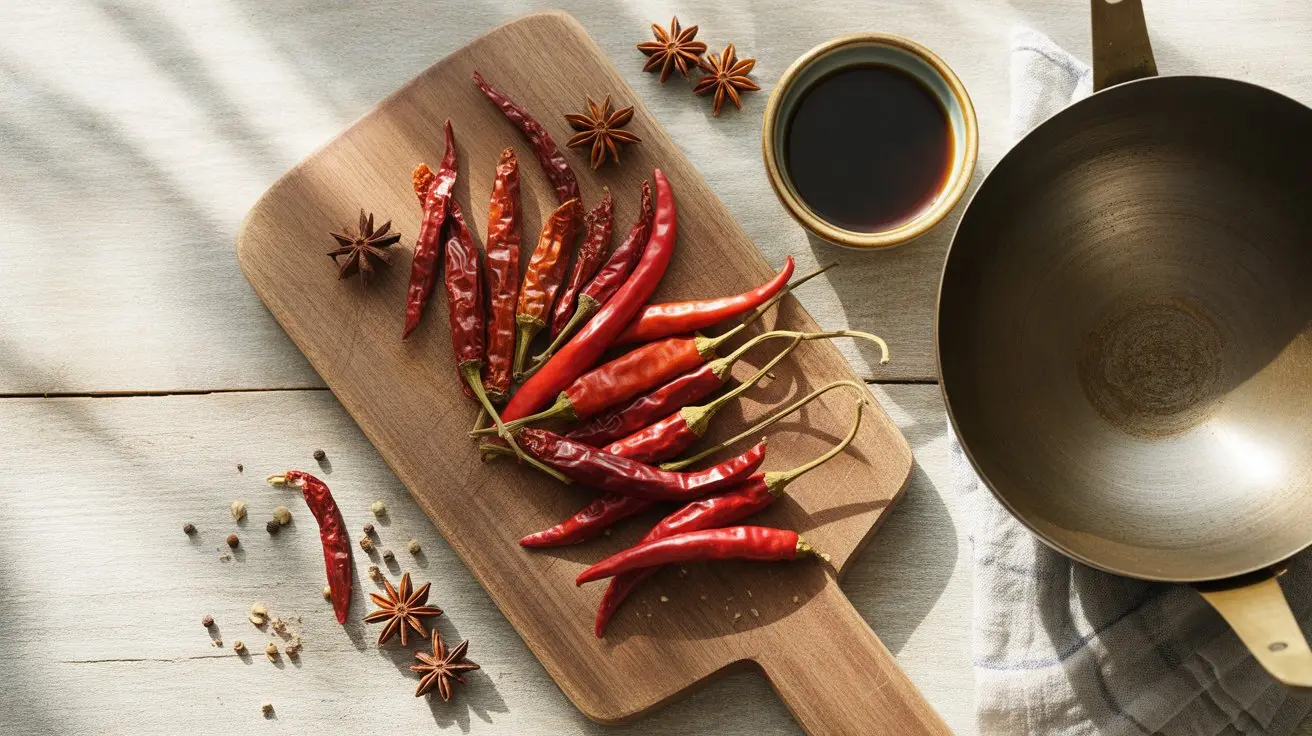
Peppers in Chinese Cooking
Chinese cuisine uses Sichuan peppercorn (numbing), Tien Tsin (heat), and Facing Heaven pepper (smoky). 8 key varieties. Find your perfect heat level.

The Role of Peppers in Chinese Cuisine
Chinese cooking has a complicated, fascinating relationship with the pepper. Unlike cuisines that treat chili heat as a single dimension, Chinese culinary tradition layers multiple types of spice — numbing, sharp, smoky, fruity — often within the same dish.
The varieties used across China's regions range from mild, fragrant cultivars prized for color and sweetness to ferociously hot dried chilis that define the character of Sichuan, Hunan, and Yunnan cooking.
A Brief History: How Chilis Came to China
Chili peppers arrived in China sometime in the late 16th century, most likely via Portuguese trade routes through Macau or overland along the Silk Road from Central Asia.
Early records describe them as ornamental curiosities. By the 18th century, Sichuan and Hunan cooks had integrated chilis so thoroughly into their cuisines that it became impossible to imagine those traditions without them.
The Chinese pepper-growing tradition developed independently from Latin American origins, selecting and breeding cultivars suited to local soils, climates, and flavor preferences. Today China is one of the world's largest producers and consumers of dried chili peppers.
The Sichuan Peppercorn: Not a True Pepper
Before covering chili varieties, one ingredient demands its own explanation: the Sichuan peppercorn (huajiao, 花椒), which is not a pepper at all.
It belongs to the Zanthoxylum genus — a citrus relative — and produces the signature ma (numbing) sensation through compounds called hydroxy-alpha-sanshool, which activate touch receptors rather than the heat-sensing TRPV1 pathway that triggers the TRPV1 response in true chilis.
Combined with chili heat, this creates mala (麻辣) — the defining flavor principle of Sichuan cooking. The numbing effect amplifies perceived heat, which is why mala dishes hit differently than straightforward hot food.
Key Chili Varieties in Chinese Cooking
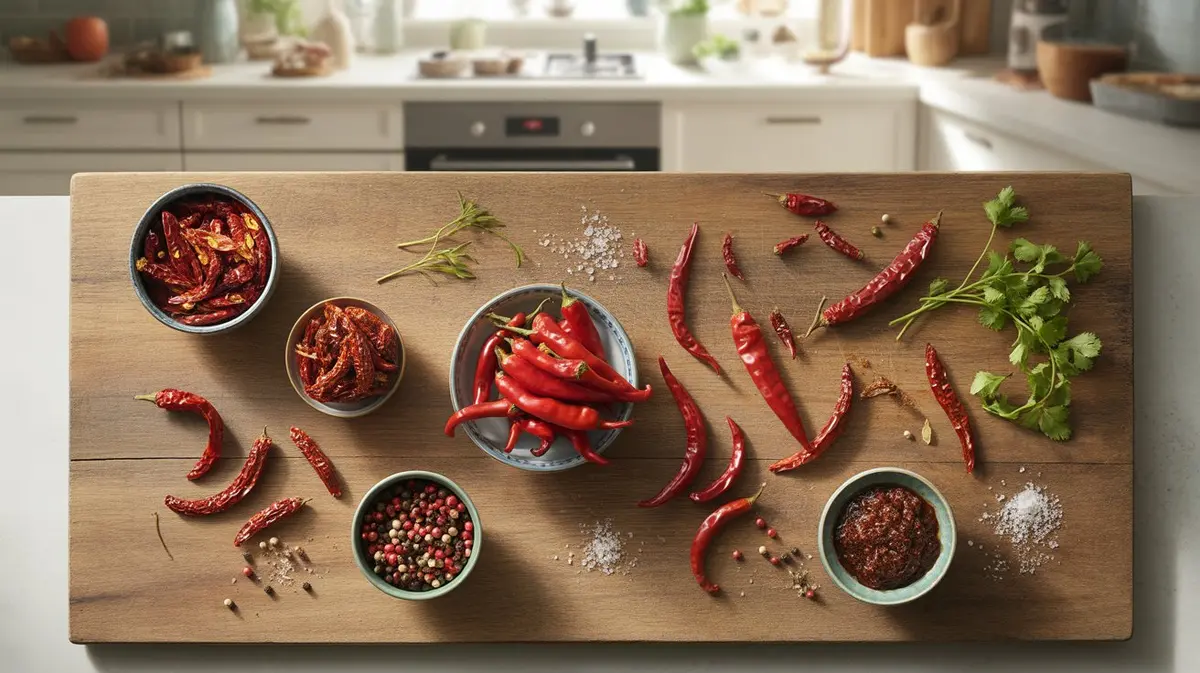
China uses dozens of regional chili varieties, but several appear consistently across professional and home kitchens.
Facing Heaven pepper (Chaotian jiao, 朝天椒) is the most iconic Sichuan chili. Named for the way fruits point upward on the plant, it measures roughly 30,000-50,000 SHU — sitting comfortably in the hot pepper range — with a smoky, slightly sweet character that deepens when dried and toasted.
Er Jing Tiao (二荆条) is a Sichuan cultivar prized for its deep red color and complex flavor rather than raw firepower. At around 15,000-23,000 SHU, it delivers moderate heat with exceptional fragrance — the preferred variety for doubanjiang (fermented chili bean paste).
Hunan's Xiaomi La (小米辣, "millet pepper") is small, thin, and sharp. Fresh or pickled, it adds direct heat without the smokiness of dried Sichuan varieties. These are the chilis you'll find floating in Hunan-style steamed fish and stir-fries.
Yunnan cooking draws on its proximity to Southeast Asia, using bird's eye-style chilis and fresh green peppers with herbal notes that feel closer to Thai cooking than the dried-chili traditions of Sichuan.
Regional Heat Profiles Across China
China's chili culture is deeply regional, and the differences matter when you're cooking or eating.
Sichuan is defined by mala — the combination of numbing Sichuan peppercorn and chili heat. Dishes like mapo tofu, twice-cooked pork, and Sichuan hot pot layer dried chilis, chili oil, and doubanjiang to build complex, sustained heat.
Hunan cooking skips the numbing element and goes straight for direct, sharp heat. Hunan chefs often use fresh, pickled, or fermented chilis rather than dried ones, producing a cleaner, more aggressive burn. Chairman Mao's red-braised pork — despite being a rich dish — traditionally includes significant chili.
Xinjiang in the northwest uses dried red chilis in lamb dishes and rice preparations, influenced by Central Asian spice traditions. The heat is present but secondary to cumin and other aromatics.
Cantonese and Shanghainese cooking sits at the opposite end of the spectrum — chilis appear occasionally as accents rather than foundations, and dishes in these traditions are rarely hot by Sichuan or Hunan standards.
Comparing Chinese Chilis to Global Varieties
Understanding where Chinese chilis fall on a global scale helps when sourcing substitutes or understanding heat intensity.
The Facing Heaven pepper at 30,000-50,000 SHU is roughly 2-3 times hotter than an Anaheim, which typically measures around 500-2,500 SHU. Tien Tsin peppers push into territory comparable to India's fiercely sharp Jwala chili, another thin-walled dried variety built for intense, clean heat.
For context on the higher end of global heat, the Guntur chili's intense South Indian heat — ranging up to 100,000 SHU — sits well above what most Chinese recipes call for, though Hunan cooking can approach that territory with concentrated preparations.
At the fragrant, lower-heat end, the Byadgi chili's deep color with mild warmth offers a useful comparison to Er Jing Tiao — both are prized for pigmentation and flavor complexity over raw firepower.
Chili Oil: The Universal Chinese Condiment
No discussion of Chinese pepper culture is complete without chili oil (辣椒油, la jiao you). It appears on tables from Xi'an noodle shops to Hong Kong dim sum restaurants.
The base technique involves heating oil to around 180-200°C, then pouring it over dried chili flakes, often with Sichuan peppercorn, star anise, and sometimes sesame seeds. The flash-infusion extracts fat-soluble capsaicin and aromatic compounds simultaneously.
Commercial versions like Lao Gan Ma vary widely in heat and composition. The homemade version gives you full control — using Facing Heaven or Tien Tsin chilis for heat, Er Jing Tiao for color, and adjusting the Sichuan peppercorn ratio to dial the numbing effect up or down.
Chili oil is also where a pepper's bright citrus-forward character can add unexpected dimension — though traditional Chinese recipes use locally grown varieties, the flavor principle of fruity heat cutting through oil is consistent.
Doubanjiang: Fermented Chili Paste
Doubanjiang (豆瓣酱) is arguably the most important chili product in Sichuan cooking. Made from fermented broad beans and chilis — traditionally Er Jing Tiao — it ages for months or years in clay pots, developing a complex, funky, deeply savory profile.
The fermentation process transforms the chili's raw heat into something more integrated and rounded. Good doubanjiang from Pixian (郫县) carries Protected Geographical Indication status in China, similar to how Champagne or Parmigiano-Reggiano are protected in Europe.
When cooking with doubanjiang, the standard technique is to fry it in oil until the oil turns red and fragrant — a process called "blooming" — before adding other ingredients. This step is non-negotiable in mapo tofu and many Sichuan braises.
Dried vs. Fresh: How Chinese Cooks Use Each Form
Chinese cooking treats dried and fresh chilis as distinct ingredients with different roles, not interchangeable forms of the same thing.
Dried whole chilis are toasted in oil to infuse flavor into the cooking fat, then often left in the dish as a visual and textural element. They deliver smokiness and depth.
Dried chili flakes and powder go into spice rubs, noodle sauces, and dumpling dipping sauces. The grind size matters — coarser flakes give texture, fine powder integrates more completely.
Fresh chilis appear in Hunan cooking, Yunnan dishes, and modern interpretations of Sichuan food. They add brightness and a vegetable quality that dried chilis can't replicate.
Pickled chilis (泡椒, pao jiao) are a Sichuan specialty — fresh chilis fermented in brine, producing a sour-hot combination used in fish dishes and cold appetizers. The acidity balances rich proteins beautifully.
Heat Management Techniques
Chinese cooks have developed specific methods for controlling chili heat that differ from Western approaches.
Toasting whole dried chilis in a dry wok before adding oil concentrates their flavor while making the heat more manageable — some volatile compounds cook off, leaving deeper, less aggressive spice.
Seeding dried chilis reduces heat significantly. Many Sichuan recipes call for whole chilis in the oil-infusion step but specify that the seeds should be removed first when the intent is flavor rather than maximum heat.
The fat content in dishes like mapo tofu and twice-cooked pork isn't incidental — fat slows capsaicin absorption and extends the flavor experience. Understanding the TRPV1 receptor activation behind chili heat explains why dairy and fat help manage intensity in ways that water cannot.
For those building tolerance, starting with peppers in the medium heat bracket before moving to full Sichuan preparations is a practical approach. Er Jing Tiao-based dishes make a good entry point.
Sourcing and Substitution
Authentic Chinese chili varieties are increasingly available outside China through Asian grocery stores and online retailers, but substitutions are sometimes necessary.
For Tien Tsin peppers, dried Thai bird's eye chilis provide similar heat with slightly different flavor. The Filipino siling labuyo's fierce, thin-walled heat works in applications where you need concentrated spice without bulk.
For Er Jing Tiao's color and moderate heat, the Byadgi chili's deep pigmentation and gentle warmth is a reasonable substitute in spice pastes and oils where color matters as much as heat.
When a recipe calls for fresh green chilis in Hunan-style dishes, serrano peppers approximate the heat level well. For the fruity notes in some Yunnan preparations, the wiri wiri pepper's distinctive fruity punch offers an interesting if non-traditional alternative.
The Indian pepper-growing tradition and Chinese chili culture share more overlap than most people expect — both developed high-heat, thin-walled dried varieties suited to long-cooked preparations, and substitutions across these traditions often work better than substituting with thick-walled American peppers.
Building a Chinese Pepper Pantry
If you cook Chinese food regularly, these are the chili products worth keeping stocked.
- Dried Facing Heaven or Tien Tsin chilis — the backbone of Sichuan oil infusions and kung pao preparations
- Sichuan peppercorns — fresh stock matters; older peppercorns lose their numbing punch
- Doubanjiang (Pixian variety) — refrigerate after opening; it keeps for months
- Dried chili flakes — Korean gochugaru works as a milder substitute when Chinese varieties are unavailable
- Good chili oil — either commercial (Lao Gan Ma) or homemade
- Pickled chilis (pao jiao) — for Sichuan fish dishes and cold appetizers
The full range of Chinese pepper varieties extends well beyond what's covered here — regional specialties from Guizhou, Shaanxi, and Gansu each have their own chili traditions worth exploring as your cooking develops.
For those curious about how heat intensity is formally measured across all these varieties, the Scoville unit definition and testing method provides useful context for comparing chilis across culinary traditions.
Frequently Asked Questions
-
Mala combines chili heat (la) with the numbing sensation (ma) from Sichuan peppercorn, which activates touch receptors rather than heat receptors. The numbing effect amplifies perceived chili intensity, making mala dishes feel hotter than their SHU rating suggests.
-
Yes, with caveats — gochugaru is milder and slightly sweeter than most Chinese dried chili varieties. It works well in color-forward applications like chili oil but won't deliver the same heat intensity as Tien Tsin or Facing Heaven peppers.
-
Doubanjiang is a specific type of chili bean paste made from fermented broad beans and chilis, traditionally Er Jing Tiao variety from Pixian, Sichuan. Generic