
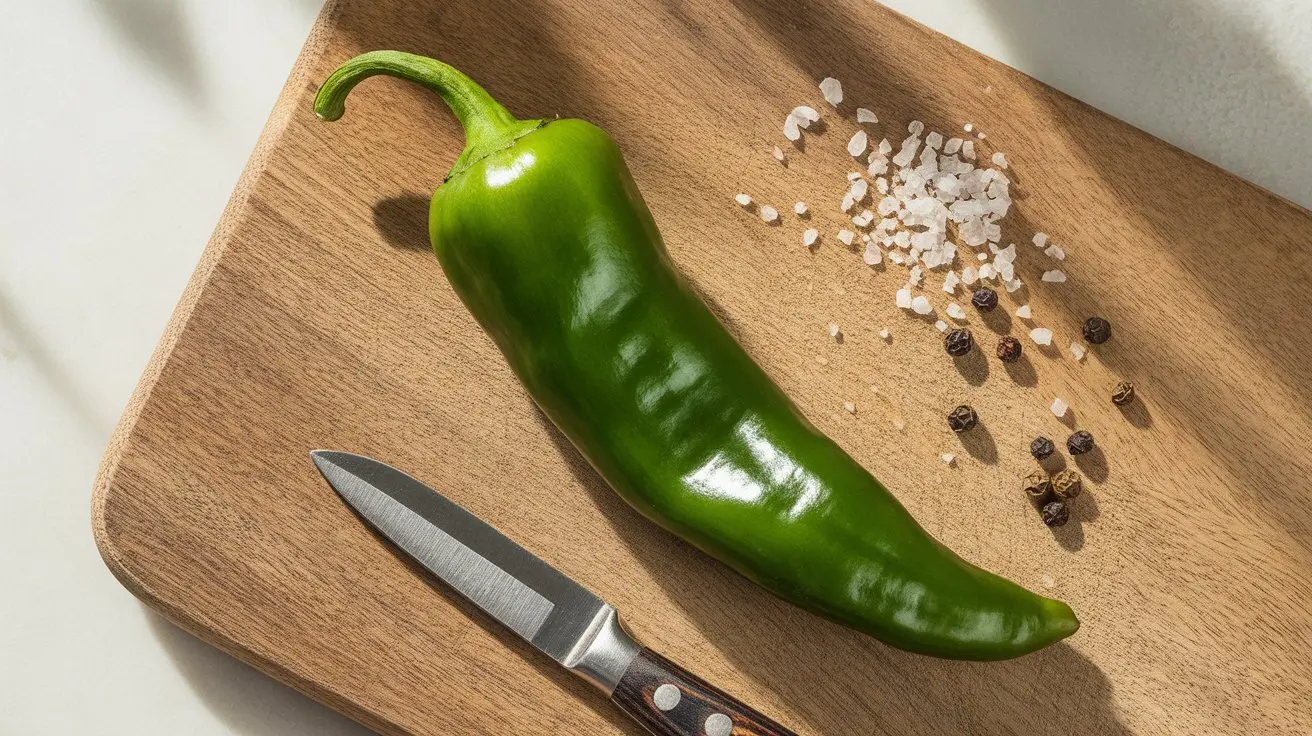
Best Serrano Pepper substitutes and alternatives for cooking
Substitute Guide

7 Best Substitutes for Serrano Pepper (Ranked)

Quick Summary

Serrano peppers bring a clean, grassy heat that sits noticeably above jalapeño territory — typically around 10,000-23,000 SHU — with a bright, crisp flavor that works raw or cooked. When fresh serranos aren't available, the right substitute depends on whether you're chasing that heat level, that flavor profile, or both. The seven options below cover the full spectrum, from mild swaps to near-identical heat matches.

Advertisement

Best Serrano Pepper Substitutes

These alternatives are ranked by how closely they match Serrano Pepper’s heat level and flavor profile. Use the conversion ratios to adjust quantities in your recipe.
#1
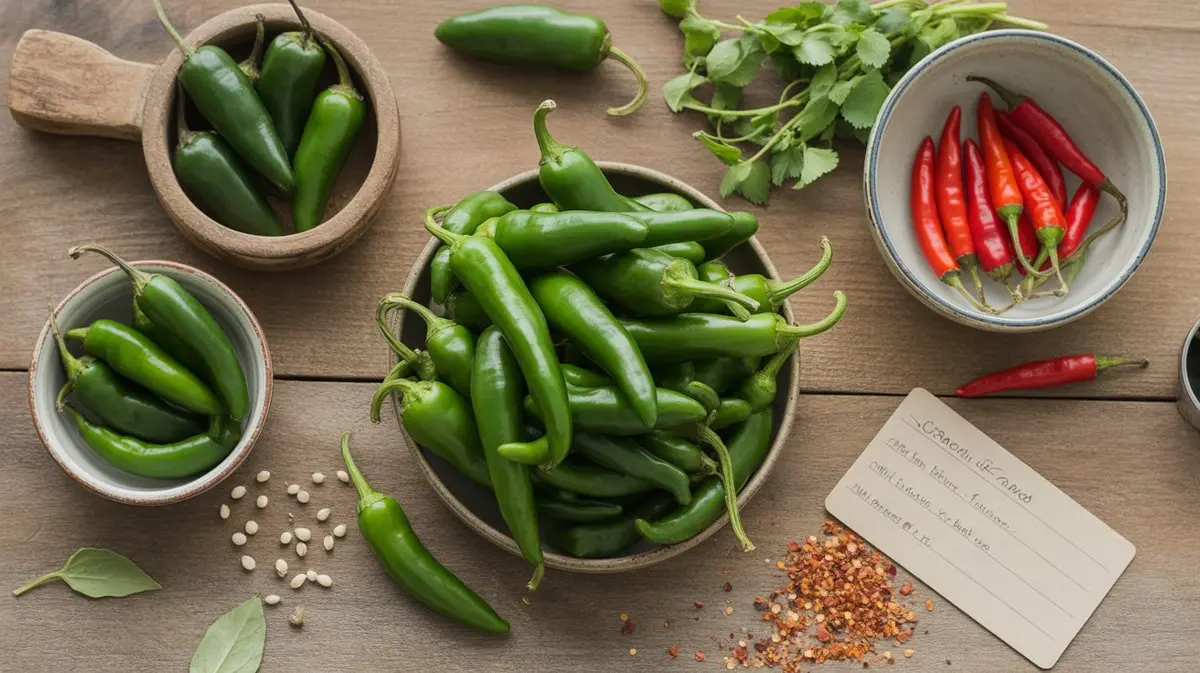
Thai Bird's Eye Chili (Prik Kee Noo) Closest Match

The fiery punch of this tiny Thai chili sits between 50,000-100,000 SHU — significantly hotter than serrano — but the flavor profile shares that same sharp, clean heat without smokiness. Use about 1/3 of the amount called for in your recipe. These work best in cooked dishes like stir-fries and soups where the raw grassiness of serrano isn't the main point. Slice thin or leave whole and fish them out before serving if you want the heat without the full intensity.

#2
Guntur Sannam Runner-Up

The bold dried heat of Guntur Sannam is an Indian chili that typically ranges from 35,000-50,000 SHU, making it hotter than serrano but manageable with adjustment. Use 1/2 the quantity in cooked applications. The flavor is earthy and slightly fruity — not identical to serrano's grassy brightness, but close enough in cooked salsas, curries, and braised dishes. Rehydrate dried Guntur Sannam in warm water before using as a fresh serrano stand-in.

#3
Malagueta Pepper Also Great

Brazil's sharp and pungent malagueta clocks in around 60,000-100,000 SHU, so treat it like the bird's eye — use 1/4 to 1/3 of the called-for amount. The flavor is bright and acidic with a thin flesh that breaks down quickly in cooking, making it ideal for hot sauces and marinades where serrano would normally go. Fresh malagueta can be harder to source outside Brazilian markets, but pickled versions work well in vinegar-forward applications.

Comparison of Serrano Pepper with similar peppers for substitution
#4
Lumbre Pepper

Lumbre sits in a heat range closer to serrano than most on this list, making it one of the more practical swaps. The crisp, grassy character of lumbre translates well in fresh salsas and pico de gallo — use a 1:1 ratio. It's a New Mexico-type pepper with enough heat to satisfy serrano fans without requiring recipe math. Availability is the main hurdle; look for it at specialty Latin grocers or grow it from seed.

#5
NuMex Joe E. Parker

This mild New Mexico green chili comes in well below serrano on the heat scale — think Anaheim territory — but its fresh, vegetal flavor makes it a reasonable swap when heat isn't the priority. Use 1.5x the amount to get comparable volume, and consider adding a small pinch of cayenne to nudge the heat closer to serrano's range. It roasts beautifully and works in enchiladas, stews, and egg dishes.

#6
Rocotillo

The mild, fruity character of rocotillo puts it at the low end of the heat spectrum compared to serrano, but its thin walls and bright flavor make it useful in fresh preparations. Use 1:1 or slightly more to compensate for the heat gap. Rocotillo's flavor is almost citrusy, which can actually complement dishes where serrano's grassiness would be a secondary note anyway. It's a better fit for salsas and garnishes than for cooking applications where serrano's heat is structural.

#7
Bell Pepper

The crisp, sweet flesh of bell pepper brings zero heat to the equation, so this substitution only makes sense when you're serving heat-sensitive guests or want the texture and volume without the burn. Use 1:1 by volume and add a few drops of hot sauce or a small amount of crushed red pepper to approximate serrano's kick. Red bells are sweeter; green bells are closer to serrano's grassy, vegetal notes. The fruity, heatless character of habanada is another zero-heat option worth knowing — it mimics habanero's floral fruitiness without any capsaicin, which sits at a different flavor point than serrano but works in tropical salsas and ceviche.

For context on where these peppers fall across the broader Scoville heat measurement index, serrano anchors the mid-hot range — above jalapeño, well below habanero. The side-by-side heat comparison between jalapeño and serrano breaks down exactly how much hotter serrano runs, which helps calibrate how aggressively you need to adjust these substitutes.

Related Chocolate Habanero: 300K–425K SHU, Taste & Recipes
Peppers to Avoid as Serrano Pepper Substitutes

Poblano peppers seem like a logical serrano swap given their fresh green flavor and widespread availability, but at 1,000-2,000 SHU they're roughly ten times milder than serrano. The flavor is earthier and more complex — great for stuffing, but it won't deliver the sharp, clean heat that makes serrano distinctive in salsas and raw preparations.

Cayenne powder is tempting because the heat level roughly matches, but the format changes everything. Dried cayenne lacks the fresh, grassy bite that serrano contributes, and the texture disappears entirely. Dishes that rely on fresh serrano for crunch and brightness — pico de gallo, fresh salsas, sliced garnishes — simply cannot be replicated with a dried powder, regardless of how precisely you dial in the heat.

Jalapeño is the most common suggested substitute, but it undershoots serrano's heat by a significant margin. If the serrano is doing structural work in a recipe — providing the dominant heat note — jalapeño will leave the dish noticeably flat. It works as a fallback in cooked applications, but don't expect it to replicate serrano's intensity without doubling the quantity.

Fact-Checked & Expert Reviewed
Editorial Standards: All facts verified against authoritative sources. Content reviewed by subject matter experts before publication.
Review Process: Written by Sofia Torres (Lead Culinary Reviewer) , reviewed by Karen Liu (Lead Fact-Checker & Science Editor) . Last updated February 18, 2026.

Related Pepper Comparisons: Side-by-Side Heat & Flavor

Serrano Pepper Substitute FAQ

Lumbre pepper is the closest match for fresh applications — it shares serrano's crisp texture and clean heat at roughly the same intensity. Use it at a 1:1 ratio and your salsa won't miss a beat.

Jalapeño works as a fallback, but it runs significantly milder than serrano — roughly half the heat at peak. You'll want to use 1.5 to 2 jalapeños for every serrano called for, and even then the heat ceiling is lower.

NuMex Joe E. Parker or rocotillo both bring serrano's fresh green flavor with considerably less fire. Add a small amount of cayenne or crushed red pepper to close the heat gap if the dish needs it.

Dried alternatives like Guntur Sannam can work in cooked dishes, soups, and sauces, but they can't replicate the fresh crunch and grassy brightness that serrano contributes to raw preparations. Rehydrate them thoroughly before using.

Bird's eye chilies typically measure 50,000-100,000 SHU, which puts them roughly three to five times hotter than serrano's typical range. Always start with one-third the amount and taste before adding more.

Sources & References
Karen Liu
Fact-checked by Karen Liu
Contributing Editor & Food Scientist
All Substitutes Browse Peppers Substitute Finder Tool