Culinary Writer & Recipe Developer•Updated Feb 19, 2026•
Reviewed by
Karen Liu
Quick Summary
The manzano pepper (also called rocoto in some regions) is a thick-walled, apple-shaped Capsicum pubescens with black seeds and a fruity, slightly floral flavor that sits somewhere between a mild habanero and a sweet pepper. Finding a true match is tricky because the pubescens species has a texture and flavor profile unlike most common market peppers. These seven substitutes cover the range from heat-free sweet options to mild fruity alternatives depending on what your recipe actually needs.
These alternatives are ranked by how closely they match Manzano Pepper’s heat level and flavor profile. Use the conversion ratios to adjust quantities in your recipe.
#1
Rocotillo Closest Match
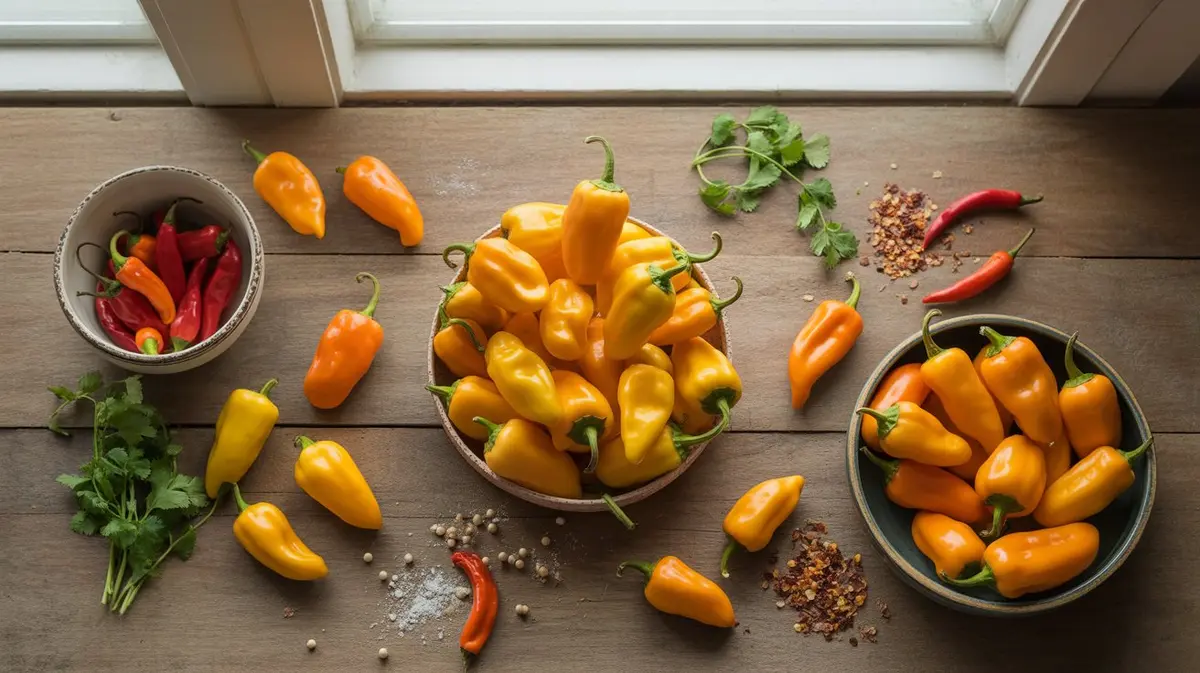
The rocotillo's lantern-shaped sweetness makes it the closest structural and flavor match available. It shares the apple-like fruitiness that defines manzano and has a similar thick, crunchy wall. Use a 1:1 ratio by weight. Heat is negligible, so if your recipe relied on manzano for mild warmth, add a small pinch of cayenne to compensate.
#2
Bell Pepper Runner-Up
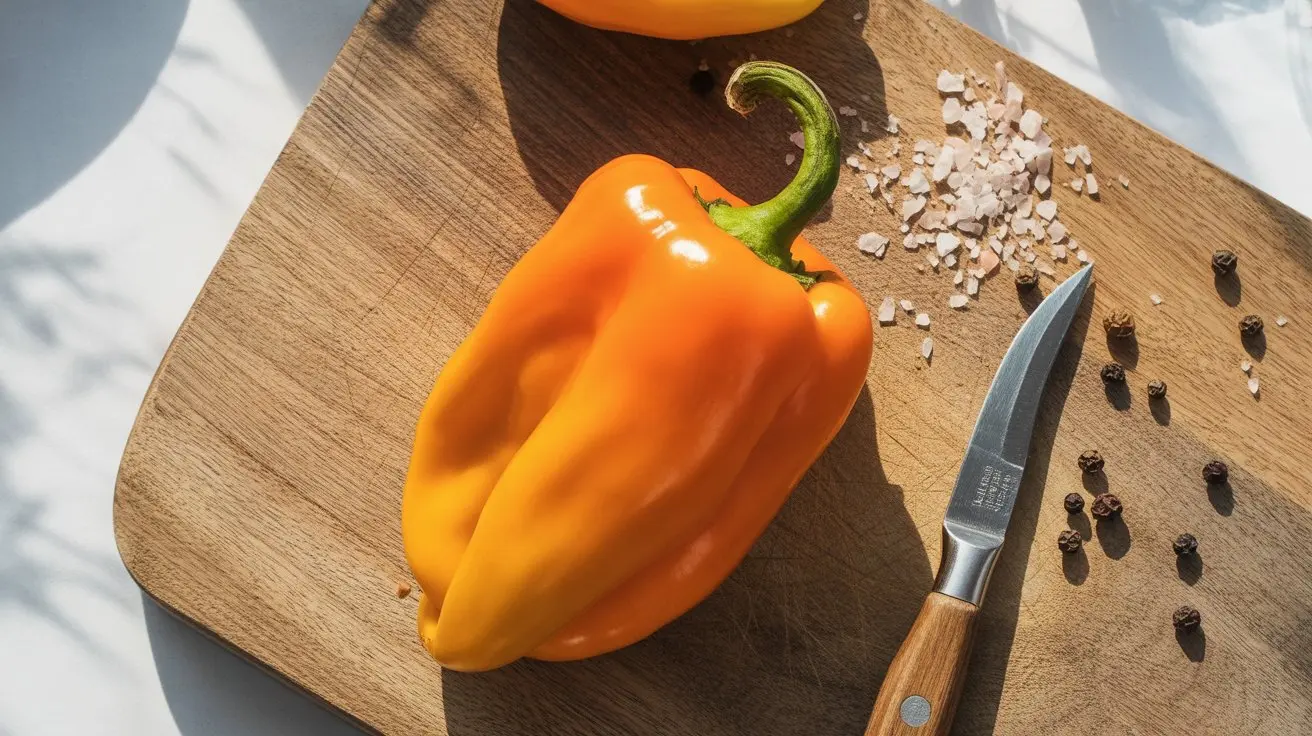
The crisp, grassy sweetness of a red or orange bell replicates manzano's bulk and wall thickness better than most alternatives. Red bells in particular carry enough sugar to approximate the fruity undertone. Substitute 1:1 by volume. The flavor is less floral, but in cooked salsas and stuffed pepper applications the difference narrows considerably.
#3
Habanada Also Great
Bred specifically to carry habanero's intensely fruity, tropical sweetness without any capsaicin, the habanada is a standout swap when the recipe needs that aromatic floral quality manzano provides. Use 1:1, though habanadas are smaller, so count by pepper count rather than cups. The thin walls mean they cook down faster — add them later in the process.
#4
NuMex Heritage Big Jim
When stuffing is the goal, the NuMex Heritage Big Jim's large roastable cavity earns its place on this list. The walls are thick and the flavor is mild and slightly sweet with a green pepper backbone. Use 1:1 by piece for stuffed applications. It lacks the fruity depth of manzano but makes up for it in sheer capacity and structure.
#5
NuMex Joe E. Parker
A New Mexico Hatch-style chile that carries mild, earthy sweetness with good flesh thickness. The NuMex Joe E. Parker's roasted green chile character works particularly well in cooked sauces and chiles rellenos-style dishes where manzano would otherwise appear. Substitute 1:1 by weight. Roasting first pulls out more of its sweetness and bridges the flavor gap.
#6
Lumbre
The Lumbre pepper's bright, slightly smoky sweetness offers a reasonable match in cooked applications, especially where manzano would be roasted or charred. It runs slightly thinner-walled than manzano, so expect less structural integrity in stuffed dishes. Use 1:1 by weight in sauces, salsas, and braised preparations. It holds up well to longer cooking times.
#7
Rocoto (if accessible)
The rocoto's apple-like thick-walled heat represents the closest botanical relative to manzano — both are Capsicum pubescens. True rocoto does carry noticeable heat (around 30,000-100,000 SHU in its standard form), so this swap works only when a mild kick is acceptable in the dish. Use 1:1 and taste as you go. For completely heat-free applications, stick with options 1-3 on this list.
A note on texture: manzano's wall thickness is one of its most distinctive traits. When that crunch matters — raw salsas, ceviche, relishes — prioritize rocotillo or bell pepper. When the recipe cooks the pepper down, habanada and NuMex varieties perform equally well. The side-by-side heat and flavor difference between habanero and manzano is worth understanding if you want to know why the fruity notes in manzano are so hard to replicate. Similarly, the key differences between manzano and rocoto pepper clarify why even close relatives don't substitute perfectly.
Jalapeño seems like an obvious swap given its widespread availability, but the flavor profile is completely wrong. Jalapeños carry a grassy, vegetal sharpness that clashes with the fruity, floral character manzano brings to a dish. The wall texture is also thinner and less apple-like.
Serrano runs into the same problem from a different angle. Its heat (10,000-23,000 SHU) overshoots what most manzano recipes expect, and its flavor is sharply herbaceous rather than sweet or fruity. In raw preparations especially, a serrano will dominate everything around it.
Anaheim pepper looks promising on paper — mild, thick-walled, widely available — but its flavor is distinctly earthy and green with almost no fruit character. In dishes where manzano's apple-like sweetness is the point, an Anaheim reads as flat and generic by comparison.
Fact-Checked & Expert Reviewed
Editorial Standards: All facts verified against authoritative sources. Content reviewed by subject matter experts before publication.
Review Process:
Written by
Sofia Torres
(Lead Culinary Reviewer)
, reviewed by
Karen Liu
(Lead Fact-Checker & Science Editor)
. Last updated February 19, 2026.
Bell peppers work well structurally because their walls are thick enough to hold a filling, and red or orange bells carry enough sweetness to approximate manzano's fruitiness. The flavor won't be identical — bells lack the floral note — but in a baked or braised stuffed pepper dish, most tasters won't notice the difference once the filling takes center stage.
Rocotillo is the strongest choice for raw applications because it shares the apple-like crunch and fruity flavor that makes manzano distinctive in uncooked preparations. Habanada is a close second if you want more aromatic intensity, though its thinner walls give a softer texture after a few hours in citrus or acid.
Habanada comes closest to replicating manzano's fruity, floral character without any capsaicin — it was bred from habanero stock to preserve the aroma compounds while eliminating the burn. Rocotillo is also a solid option, with a similar lantern shape and sweet, mild flavor that mirrors the apple-like quality manzano is known for.
Manzano and rocoto are closely related — both are Capsicum pubescens with thick walls, black seeds, and fruity flavor — but standard rocoto carries significant heat (often 30,000 SHU or higher) while manzano is typically much milder. The flavor and structural comparison between manzano and rocoto pepper breaks this down further, but the short answer is: rocoto works as a manzano substitute only when some heat is acceptable in the dish.
It depends on the substitute. Thick-walled options like bell pepper and NuMex Heritage Big Jim behave similarly to manzano under heat and need roughly the same cooking time. Habanada has thinner walls and cooks down faster, so add it later in the process to avoid ending up with mush.