Culinary Writer & Recipe Developer•Updated Feb 19, 2026•
Reviewed by
Karen Liu
Quick Summary
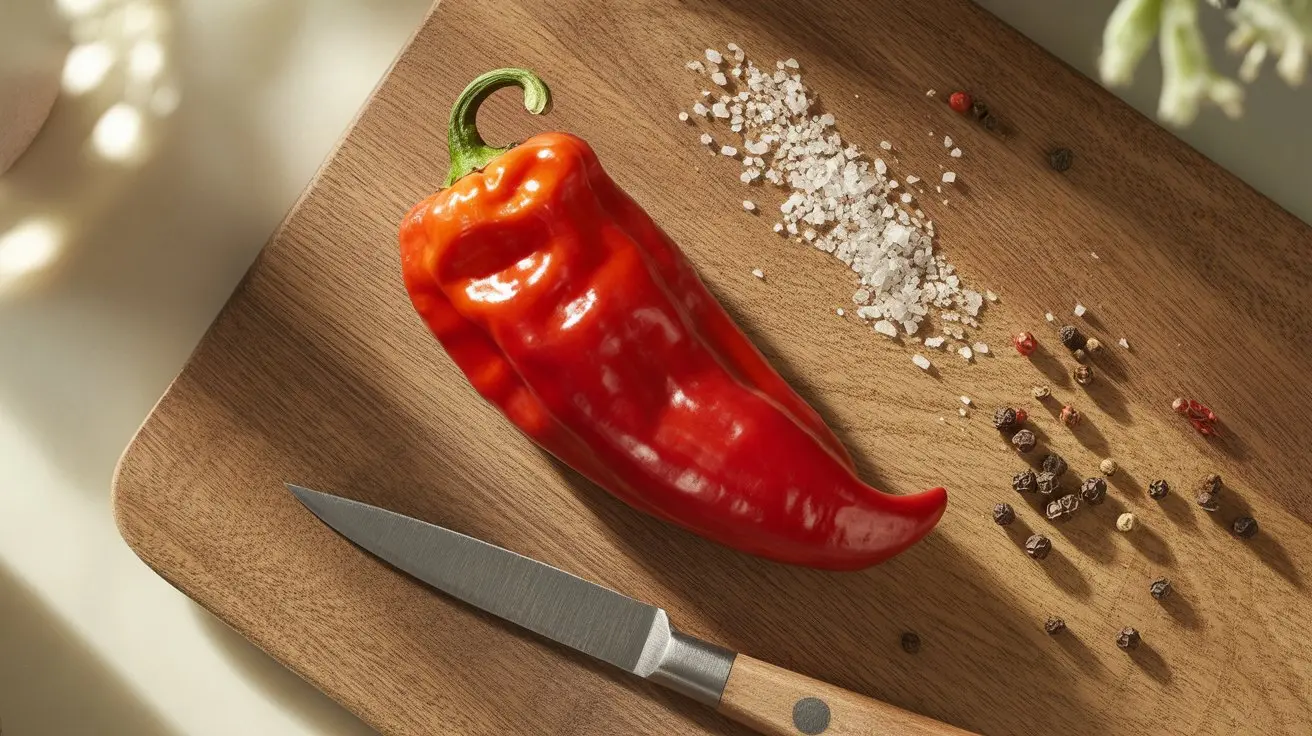
Fresno peppers bring a bright, medium heat with fruity undertones and thick walls that hold up beautifully in salsas, stir-fries, and pickling. When you can't find them fresh, the right substitute depends on whether you need to match their heat, their texture, or both. The seven options below cover the full range of what a Fresno can do.
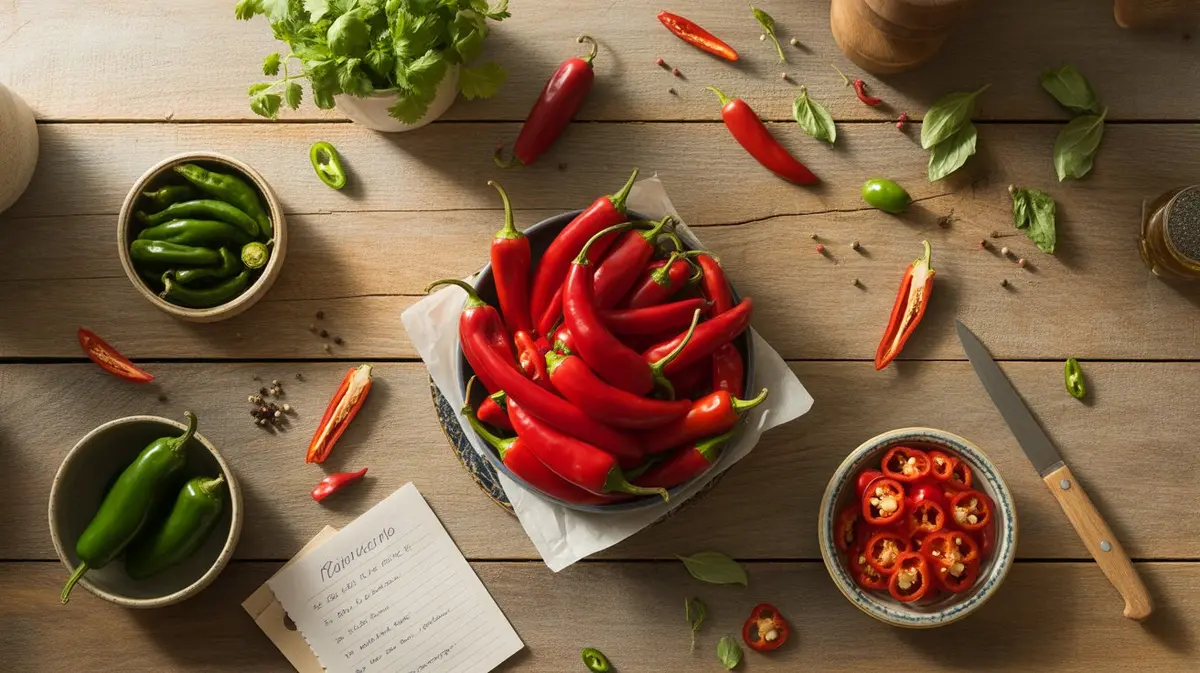
These alternatives are ranked by how closely they match Fresno Pepper’s heat level and flavor profile. Use the conversion ratios to adjust quantities in your recipe.
#1
Red Jalapeño Closest Match
The closest match most cooks will reach for first. A fully ripened jalapeño delivers that same snappy, vegetal heat with a touch of sweetness that develops as the pepper matures on the vine. The wall thickness is nearly identical, which matters when you're stuffing or slicing for a relish. Use a 1:1 ratio — no adjustment needed. If you want to dig into how these two stack up side by side, the Fresno vs. jalapeño heat and flavor breakdown covers the nuances well.
#2
Bell Pepper Runner-Up
For anyone who needs the Fresno's crisp texture and fruity character without any heat at all, Bell Pepper's sweet, zero-heat crunch is the answer. They share that same thick, juicy wall structure. The flavor is milder and more straightforwardly sweet, so lean on other aromatics to compensate. Use 1:1 by volume, and if you want a hint of color drama, choose red or orange bells over green. Best for stuffed pepper applications and raw preparations.
#3
Habanada Also Great
This is the sleeper pick. The Habanada's intensely fruity, heatless profile was bred specifically to capture the tropical, floral notes of a habanero without any burn — and those flavor notes overlap surprisingly well with a ripe Fresno's fruitiness. The walls are thinner, so expect a softer texture after cooking. Use 1:1, but taste as you go since the sweetness can run more pronounced. Ideal for salsas and sauces where the Fresno's fruity dimension is what you're after.
#4
Rocotillo
Often overlooked outside Caribbean cooking, the Rocotillo's mild, squash-like sweetness sits in a similar heat neighborhood to a Fresno and offers a distinct fruity quality. The shape is different — flattened and disc-like — but the flavor translates well into relishes and cooked sauces. Use a 1:1 ratio by weight. If you're building a dish where the Fresno's color and gentle warmth are central, this is a solid option that won't throw off your balance.
#5
NuMex Heritage Big Jim
Big Jim is a New Mexico green chile, and when it's fully ripe and red, it brings a mild, earthy sweetness with just enough warmth to approximate a Fresno's gentle build. The NuMex Heritage Big Jim's thick-walled New Mexico chile character makes it excellent for roasting and stuffing. The flavor is earthier and less fruity than a Fresno, so pair it with acidic ingredients to brighten the dish. Use 1:1 by count for stuffed applications, or adjust slightly by weight for sauces.
#6
NuMex Joe E. Parker
Another New Mexico green chile with a mild, clean heat profile and firm walls. The NuMex Joe E. Parker's mild green chile flavor skews more herbal and less sweet than a Fresno, but it holds up well in cooked preparations where the pepper isn't the primary flavor driver. Best used roasted or charred, which brings out a smokiness that can actually enhance certain dishes. Use 1:1 and consider adding a pinch of smoked paprika to bridge the flavor gap.
#7
Lumbre
Lumbre is a compact, moderately warm pepper with a bright red color and enough heat to remind you a Fresno was ever in the recipe. The Lumbre's vivid heat and red color makes it particularly useful when visual impact matters — think garnishes, pickled rings, or a finishing scatter over tacos. The flavor is sharper and less fruity than a Fresno, so use it at about ¾ of the called-for amount until you calibrate to your heat preference. It punches slightly harder than a Fresno in terms of intensity feel, so a light hand helps.
For dishes where the Fresno's unique combination of heat and fruitiness is central, also worth checking: the Fresno vs. habanero comparison breaks down why the habanero is generally too intense a swap, and when a diluted version might work in sauces.
Habanero seems like a natural escalation from a Fresno, but the heat jump is dramatic enough to fundamentally change a dish. Where a Fresno builds gently, a habanero arrives all at once with a floral intensity that can overwhelm delicate preparations. Even at half the quantity, the burn chemistry works differently on the palate.
Guntur Sannam is a dried Indian chili that shares some color characteristics with a Fresno but diverges sharply in application. It's primarily a dried spice ingredient, not a fresh pepper substitute, and its Guntur Sannam's sharp dried-chili intensity leans smoky and pungent rather than fruity and bright. Using it fresh-equivalent in a Fresno recipe will throw off both texture and flavor.
Prik Kee Noo (Thai bird chile) is tempting because it's widely available, but the Prik Kee Noo's thin-walled, piercing heat bears little structural or flavor resemblance to a Fresno. The walls are paper-thin, the heat is considerably more aggressive, and the flavor profile is grassy rather than fruity. It's a fundamentally different pepper for different culinary purposes.
Fact-Checked & Expert Reviewed
Editorial Standards: All facts verified against authoritative sources. Content reviewed by subject matter experts before publication.
Review Process:
Written by
Sofia Torres
(Lead Culinary Reviewer)
, reviewed by
Karen Liu
(Lead Fact-Checker & Science Editor)
. Last updated February 19, 2026.
A green jalapeño works in a pinch, but a red (ripe) jalapeño is the better call because Fresnos are almost always used at full red maturity, which is where the fruity sweetness develops. The green version will be sharper and more vegetal, missing that characteristic warmth and color a Fresno brings to a dish.
Fresnos and jalapeños occupy a similar heat range, though Fresnos tend to run slightly hotter and fruitier at peak ripeness. The Fresno vs. jalapeño side-by-side comparison breaks down exactly where they diverge in both heat and flavor. For most recipes, the difference is subtle enough that either works.
Red jalapeños are the top pick for pickled rings because the wall thickness and acidity absorption are nearly identical to a Fresno. If you want zero heat in your pickled peppers, Bell Pepper's crisp, sweet walls hold their texture through the brine process just as well.
Dried peppers change the texture equation entirely — you lose the crunch and juicy bite that makes a Fresno useful in salsas and stir-fries. If you're building a cooked sauce where texture isn't the point, a rehydrated mild dried chile can approximate the flavor, but it won't work as a fresh swap.
For flavor-forward applications where you want fruity complexity without heat, the Habanada's heatless tropical sweetness is genuinely useful — it captures a fruitiness that most zero-heat peppers lack. The trade-off is thinner walls and a more delicate texture, so it works better in sauces and salsas than in stuffed or sliced preparations.