
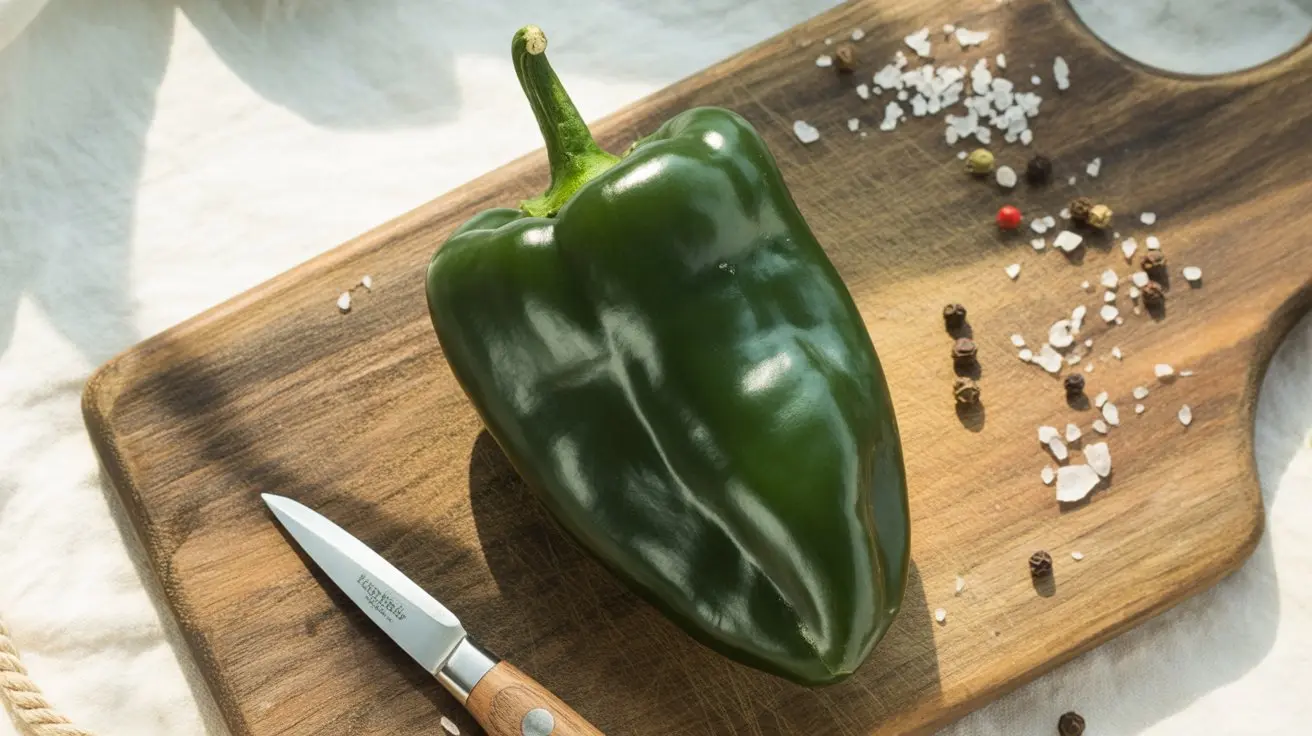
Best Anaheim Pepper substitutes and alternatives for cooking
Substitute Guide

Anaheim Pepper Substitutes: 7 Best Alternatives

Quick Summary

The Anaheim pepper is a mild, thick-walled chile with a grassy sweetness and just enough structure to hold up in stuffed dishes, roasting applications, and green sauces. Finding a substitute comes down to matching that balance of mild heat, meaty flesh, and versatile flavor — not just grabbing the nearest pepper off the shelf. The seven options below cover everything from heat-free swaps to slightly spicier alternatives that can fill the Anaheim's role without derailing a recipe.

Advertisement

Best Anaheim Pepper Substitutes

These alternatives are ranked by how closely they match Anaheim Pepper’s heat level and flavor profile. Use the conversion ratios to adjust quantities in your recipe.
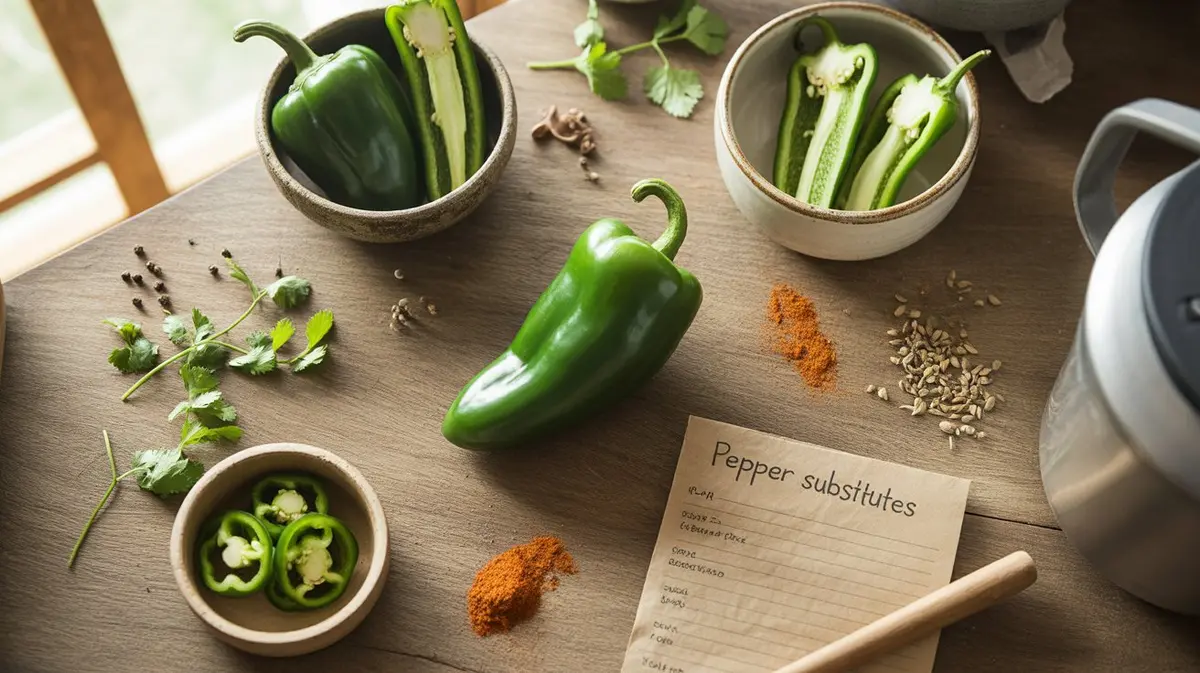
#1
NuMex Heritage Big Jim Closest Match

If there is one substitute that feels purpose-built for this job, it is the NuMex Heritage Big Jim's thick, roastable flesh — a New Mexico chile bred to be everything an Anaheim is, but larger. Developed at New Mexico State University, it sits in the same mild heat SHU bracket and shares the same grassy, slightly sweet flavor profile. The pods run longer (sometimes 12+ inches), so you may need to adjust for size in stuffed preparations. Use a 1:1 ratio — it is the most direct swap on this list.

#2
NuMex Joe E. Parker Runner-Up

Another New Mexico State cultivar, the NuMex Joe E. Parker's balanced mild flavor was specifically developed as an improved chile verde variety. Its walls are thick enough for roasting and peeling, and the flavor leans slightly earthier than an Anaheim without going bitter. Use a 1:1 ratio. This one excels in green chile sauces and posole where the Anaheim's structural integrity matters most.

#3
Poblano Also Great

The poblano is the most widely available substitute and arguably the most versatile. Its flavor runs a bit deeper and earthier than an Anaheim — think dark chocolate notes where the Anaheim has grass — but the heat level stays firmly mild. Walls are thick and hold up beautifully to roasting. Use a 1:1 ratio by count, though poblanos tend to be slightly wider, so one poblano may fill a bit more volume than one Anaheim. For anyone curious about how these two compare structurally, the side-by-side flavor and heat gap between these two chiles is worth reading before committing to a recipe swap.

Comparison of Anaheim Pepper with similar peppers for substitution
#4
Bell Pepper

The Bell Pepper's crisp, sweet zero-heat flesh is the safest choice when heat is not a factor at all and you need something widely available. Green bells match the Anaheim's color in cooked applications; red or yellow bells add sweetness that can work beautifully in roasted salsas. The main tradeoff is texture — bells have thicker, crunchier walls that soften differently under heat, and the flavor is sweeter with none of the subtle chile earthiness. Use a 1:1 ratio, but expect a slightly sweeter, less complex result. For stuffed pepper applications, green bell peppers are the most structurally similar option.

#5
Rocotillo

The Rocotillo's mild, fruity Caribbean character is an underused substitute that works particularly well in fresh salsas and relishes. It brings a brightness that the Anaheim lacks, with a thin-walled structure that does not roast as cleanly. Use a 1:1 ratio by weight for cooked sauces, but reduce by about 20% in fresh applications where the Rocotillo's juiciness can throw off consistency. Best in dishes where the Anaheim is playing a supporting flavor role rather than a structural one.

#6
Habanada

The Habanada's tropical, floral sweetness with zero capsaicin is a genuinely interesting swap for recipes that benefit from fragrant complexity. This is a heatless habanero variety — all the fruity aromatics of a habanero with none of the burn. The flavor profile is distinctly different from an Anaheim, running tropical and floral rather than grassy and mild, so it works better in dishes where the pepper is a flavor accent rather than the main ingredient. Use a 1:1 ratio, but taste as you go — the Habanada's sweetness can be more pronounced than expected. It sits solidly in the sweet and mild pepper tier alongside the Anaheim.

#7
Lumbre

The Lumbre chile's smoky depth and mild heat makes it a solid choice for red chile sauces and dried preparations. It is less common fresh but shines when dried or roasted, contributing a richer, slightly smokier character than a fresh Anaheim would. Use a 1:1 ratio in cooked applications. If your recipe calls for roasted and peeled Anaheims as a base for enchilada sauce or braised meats, the Lumbre steps in cleanly — just expect the finished dish to run slightly darker and more complex in flavor.

Related Chocolate Habanero: 300K–425K SHU, Taste & Recipes
Peppers to Avoid as Anaheim Pepper Substitutes

Jalapeño seems like a logical reach — it is everywhere, it is green, and it is mild-ish. But even a standard jalapeño runs 2,500-8,000 SHU, which is meaningfully hotter than an Anaheim. In dishes where the Anaheim is supposed to provide body and mild flavor without heat, a jalapeño will introduce a capsaicin presence that changes the character of the recipe. The heat gap between these two peppers is larger than most people expect.

Serrano peppers have a similar grassy, fresh flavor to the Anaheim, which makes them tempting. The problem is heat — serranos run 10,000-25,000 SHU, putting them well into a different tier. Swapping them in at a 1:1 ratio in any dish designed around Anaheim's mildness will produce a noticeably spicier result.

Cubanelle peppers are often recommended as an Anaheim substitute, but their walls are significantly thinner and they collapse under high heat rather than holding structure. For stuffed preparations or dishes where the pepper needs to maintain shape through roasting, cubanelles will disappoint.

Fact-Checked & Expert Reviewed
Editorial Standards: All facts verified against authoritative sources. Content reviewed by subject matter experts before publication.
Review Process: Written by Sofia Torres (Lead Culinary Reviewer) , reviewed by Karen Liu (Lead Fact-Checker & Science Editor) . Last updated February 19, 2026.

Related Pepper Comparisons: Side-by-Side Heat & Flavor

Anaheim Pepper Substitute FAQ

Yes — poblanos are arguably the better choice for chile rellenos because their wider shape holds more filling and their walls are thick enough to blister cleanly. The flavor runs earthier and slightly richer than an Anaheim, which most people find works just as well or better in a stuffed and fried preparation.

The NuMex Joe E. Parker and NuMex Heritage Big Jim are the closest matches — both were developed as New Mexico green chile varieties with nearly identical flavor and heat profiles to the Anaheim. Either can be swapped at a 1:1 ratio without adjusting the recipe.

It works in a pinch, but the texture difference is noticeable — bell pepper walls are crunchier and soften differently under heat than the more pliable Anaheim flesh. Green bell peppers are the closest color and flavor match, though they lack the subtle earthy chile character that makes an Anaheim distinctive in roasted salsas and sauces.

A standard jalapeño runs roughly 2,500-8,000 SHU while Anaheims typically measure between 500-2,500 SHU, making a jalapeño anywhere from two to five times hotter depending on the individual pepper. That gap is significant enough that substituting jalapeños at a 1:1 ratio will produce a noticeably spicier dish.

Dried New Mexico chiles (which are often dried Anaheims or closely related cultivars) can substitute for fresh Anaheims in sauces and braises after rehydrating in warm water for 20-30 minutes. The flavor deepens and becomes slightly more complex when dried, so expect a richer result than you would get from fresh peppers.

Sources & References
Karen Liu
Fact-checked by Karen Liu
Contributing Editor & Food Scientist
All Substitutes Browse Peppers Substitute Finder Tool