Shishito Pepper

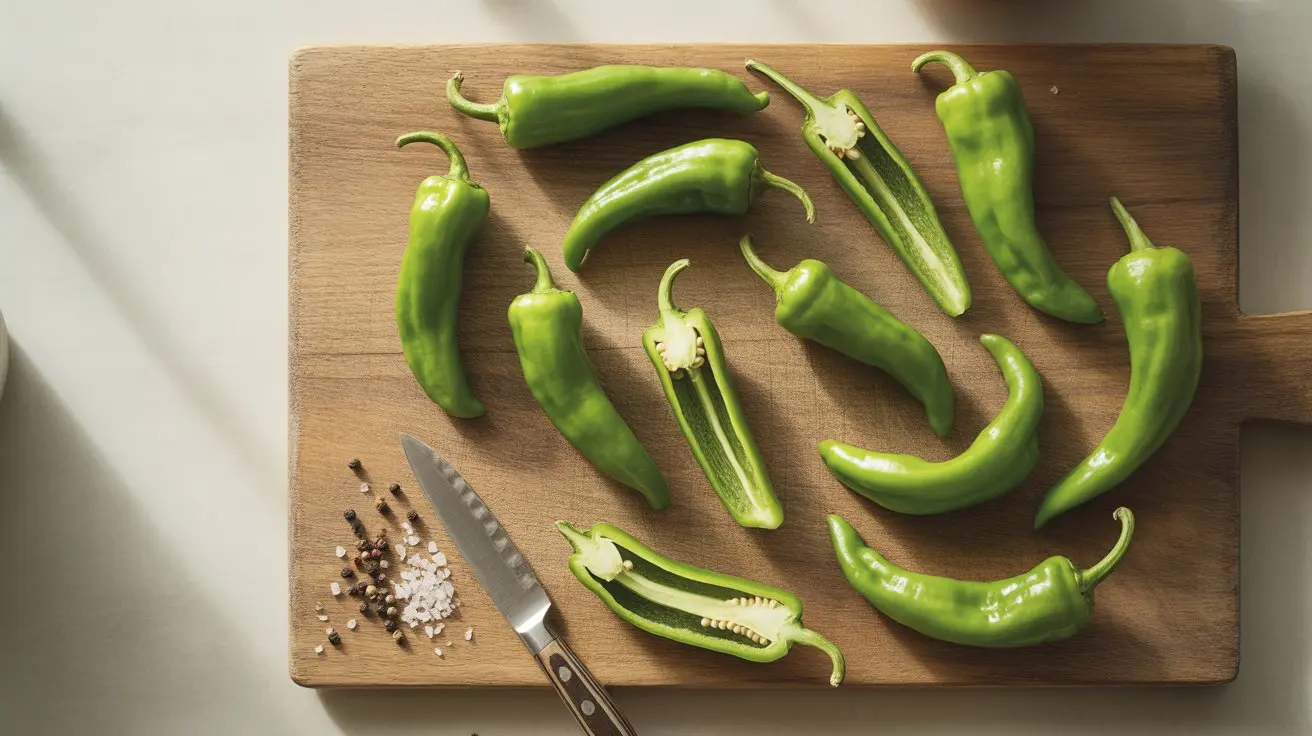
The shishito pepper is a slender, wrinkled Japanese variety registering just 50–200 SHU — firmly in the mild pepper range and nearly always sweet and grassy. About one in ten fruits delivers a surprising burst of heat, which is half the fun of eating them. They're a staple of Japanese izakaya cooking and have become a fixture at American restaurants.
- Species: C. annuum
- Heat tier: Mild (0–999 SHU)
What is Shishito Pepper?
Shishitos belong to Capsicum annuum, the same broad botanical family that includes bell peppers, jalapeños, and most of the peppers you'll find at any grocery store. What sets shishitos apart is their thin walls, distinctive wrinkled skin, and that famous heat roulette — the roughly one-in-ten chance that a given pepper will carry a noticeable kick instead of its typical sweetness.
At 50–200 SHU, shishitos sit at the gentler end of even mild-pepper territory. For context, a banana pepper's mild tangy heat tops out around 500 SHU — shishitos rarely approach that. The flavor profile is grassy and slightly sweet, with a vegetal brightness that blisters beautifully over high heat.
The name itself comes from the Japanese word shishi (lion), referencing the way the tip of the pepper resembles a lion's head. They're harvested green, before full ripeness, when their flavor is freshest. Left on the plant, they'll turn red and sweeten further — though most cooks prefer them green.
Their thin skins mean they cook fast: two to three minutes in a screaming-hot cast iron or under a broiler is all it takes. That accessibility — no seeding, no chopping, minimal prep — is a big reason shishitos have moved from specialty menus into home kitchens across the country.
History & Origin of Shishito Pepper
Shishitos trace their roots to the Japanese pepper-growing tradition, where they've been cultivated for centuries. The variety likely descended from peppers introduced to Japan from Portugal in the 16th century, after Portuguese traders brought Capsicum species from South America to East Asia.
In Japan, shishitos became a fixture of izakaya culture — the casual pub-style dining that forms the backbone of Japanese social eating. Blistered and salted, they were a natural bar snack: quick to prepare, easy to share, and forgiving of a little char.
The variety remained largely unknown outside Japan until the early 2000s, when American chefs began incorporating them into small-plate menus. By the 2010s, they had become a genuine restaurant trend, appearing on menus from Brooklyn to Los Angeles. Home gardeners followed, and seed availability expanded rapidly through the decade.
How Hot is Shishito Pepper? Heat Level & Flavor
The Shishito Pepper delivers 50–200 Scoville Heat Units, placing it in the Mild tier (0–999 SHU).
Flavor notes: sweet and grassy.
Shishito Pepper Nutrition Facts & Health Benefits
Shishito peppers are low in calories and deliver a useful range of micronutrients. A 3.5-ounce (100g) serving of raw shishitos provides roughly 27 calories, 1g protein, 6g carbohydrates, and 2g fiber.
They're a solid source of vitamin C — a single serving can cover 50–70% of the daily recommended intake. They also contribute vitamin B6, folate, and modest amounts of potassium.
Because shishitos register so low on the Scoville heat index — 50–200 SHU — they contain very little capsaicin. The mild heat they do carry is linked to capsaicin's interaction with heat receptors, which you can read about in the chemistry behind pepper burn.
Best Ways to Cook with Shishito Peppers
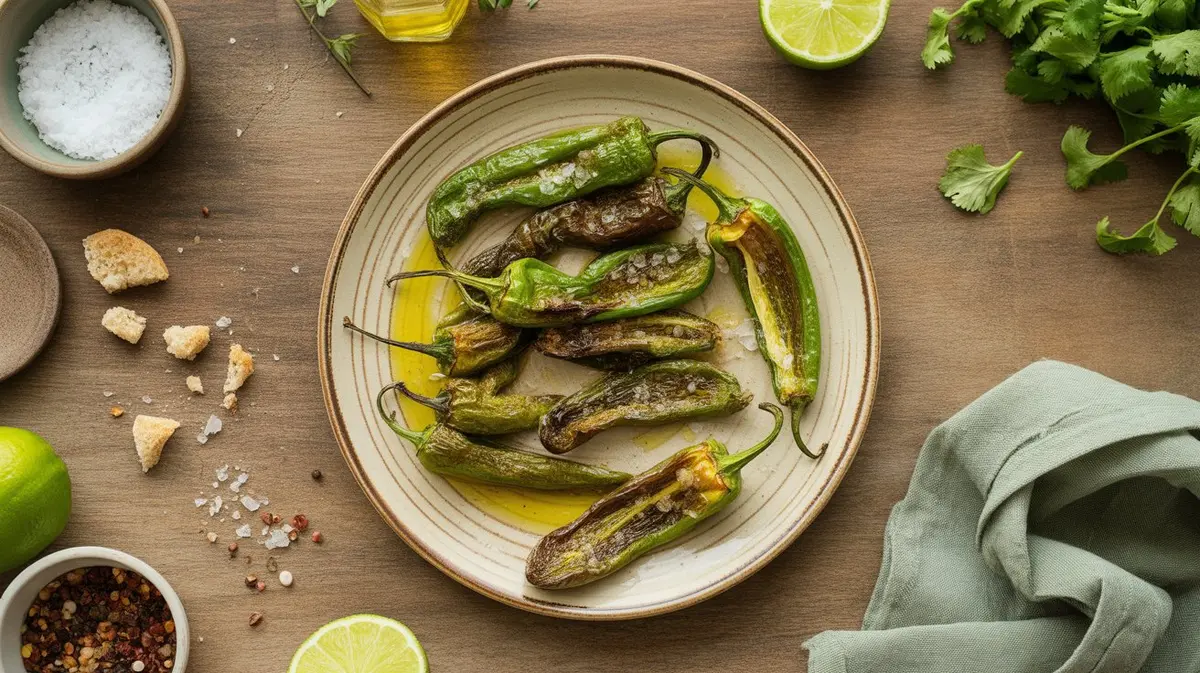
The standard preparation is almost aggressively simple: blister shishitos whole in a dry cast iron skillet or under a broiler until the skins char and blister in spots, then hit them with flaky salt. That's it. The high heat collapses the thin walls slightly and concentrates the grassy sweetness into something more complex.
Beyond the classic blister, shishitos work well in tempura — their thin skins fry quickly and stay crisp. They're also excellent grilled on skewers alongside proteins, where they pick up smoke without turning mushy.
For flavor pairings, shishitos take well to citrus (a squeeze of lemon or yuzu), umami-forward sauces (miso butter, ponzu), and aged cheeses. Some preparations stuff them with cream cheese or soft goat cheese before blistering, though the peppers' small size makes this fiddly work.
Compared to something like the mild sweet notes of a Tangerine Dream pepper's roasting applications, shishitos are more savory and grassy — they want salt and acid, not sugar. If you're cooking for heat-sensitive guests, shishitos are a reliable choice, though that rogue hot one keeps things interesting.
Where to Buy Shishito Pepper & How to Store
Shishitos peak in late summer, typically July through September, when farmers markets carry them in abundance. Specialty grocery stores and Asian markets stock them year-round, and they're increasingly available at mainstream supermarkets in the produce section.
Look for firm, bright green peppers with taut, wrinkled skin. Avoid any that feel soft or show dark spots — those are past their prime.
Refrigerate unwashed in a paper bag or loosely wrapped in a dry paper towel inside a plastic bag. They keep well for 5–7 days this way. Wash just before cooking — excess moisture causes premature softening.
Best Shishito Pepper Substitutes & Alternatives
Whether you ran out of shishito pepper or just want to try something different, these peppers make solid stand-ins. We picked them based on heat range, flavor overlap, and how well they actually work in the same dishes.
Our top pick: Sweet Italian Pepper (0–100 SHU). Same species (C. annuum) and nearly the same heat, so it swaps in at a 1:1 ratio without changing the character of the dish. The flavor leans sweet and mild, which is close enough that most people won’t notice the difference in a cooked recipe.
How to Grow Shishito Peppers
Shishitos are productive, relatively compact plants that suit both garden beds and large containers. They thrive in the same conditions as most C. annuum varieties — full sun, consistent moisture, and warm soil above 60°F at night before transplanting.
Start seeds indoors 8–10 weeks before your last frost date. Germination is reliable at 75–85°F; a heat mat helps considerably. Transplant after hardening off for a week, spacing plants 18–24 inches apart.
The plants are vigorous and branch well without much intervention. Fruit sets prolifically once daytime temperatures settle between 70–85°F. Pick peppers green at 3–4 inches long — waiting too long lets them ripen to red, which is fine for flavor but signals the plant to slow production.
For companion planting strategies that maximize yield, the pepper companion planting guide covers basil, carrots, and other beneficial neighbors. Watch for aphids and spider mites in hot, dry stretches — the pepper pests and disease guide is worth bookmarking before your first season. Shishitos are generally less fussy than hotter varieties, making them a good starting point for newer growers interested in seed-starting and cultivation basics.
Frequently Asked Questions
-
The heat variation comes down to environmental stress during fruit development — factors like temperature swings, inconsistent watering, or soil conditions can trigger higher capsaicin production in individual fruits. It's not a defect; it's a characteristic of the variety that makes eating them genuinely unpredictable.
-
Yes, though they're rarely served that way — the thin skin and grassy flavor really open up with heat. Raw shishitos work fine sliced into salads or eaten as a snack, but blistering transforms their flavor in a way that raw preparation simply cannot replicate.
-
Padróns are the closest Western equivalent to shishitos and share the same heat-roulette quality, though padróns tend to run slightly hotter on average. The side-by-side differences in flavor, heat, and use are covered in detail on the shishito vs. padrón comparison page.
-
Shishitos register 50–200 SHU, placing them solidly in the mild-to-medium heat spectrum — though they sit near the very bottom of that range. Most eating experiences are essentially heat-free, with only occasional fruits delivering any noticeable warmth.
-
They're among the more productive small-fruited varieties — a single plant in good conditions can yield dozens of peppers over a season. Consistent picking encourages continued production, so harvest frequently once fruits reach 3–4 inches rather than letting them accumulate on the plant.
- Capsicum annuum Species Overview — Chile Pepper Institute, NMSU
- Shishito Pepper Production Guide — University of California Cooperative Extension
- Scoville Scale and Capsaicin Measurement — American Chemical Society
Species classification: C. annuum — based on published botanical taxonomy.