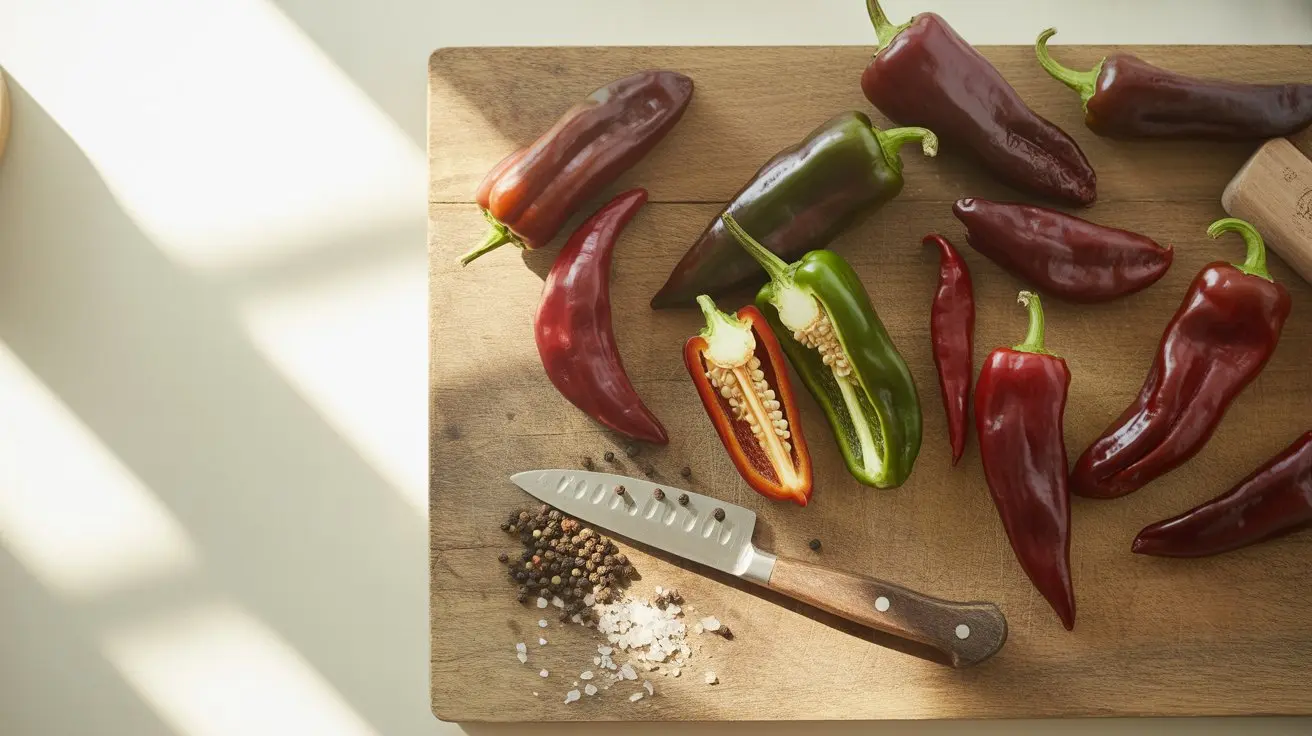
Pasilla de Oaxaca

The Pasilla de Oaxaca is a smoked dried chile from the Sierra Juárez mountains of Oaxaca, Mexico, registering 4,000–10,000 SHU. Its defining characteristic is a deep, campfire-like smokiness achieved through traditional wood-smoke drying — not chemical processing. Rich, earthy, and moderately hot, it anchors Oaxacan black mole and regional salsas.
- Species: C. annuum
- Heat tier: Hot (10K–100K SHU)
- Comparison: 2x hotter than a jalapeño
What is Pasilla de Oaxaca?
Long before commercial chile processing existed, Zapotec communities in the mountains of Oaxaca were smoke-drying their local chiles over smoldering wood fires. The result is the Pasilla de Oaxaca — a pepper that carries centuries of technique in every wrinkled, mahogany-brown pod.
Despite the name, this chile has no botanical relationship to the Mulato's earthy dried complexity or standard pasilla negro of central Mexico. The 'pasilla' label refers to its raisin-like appearance after drying, but the Oaxacan variety is its own distinct regional product — a smoked chile in the tradition of chipotles, but with a flavor profile that's arguably more complex.
At 4,000–10,000 SHU, it sits firmly in the 10K-and-under heat zone — noticeable warmth without aggression. The smoke character dominates the first impression, followed by dried fruit undertones (think prune and dark cherry), then a slow-building heat that lingers.
As a member of C. annuum, it shares botanical lineage with jalapeños and New Mexico chiles, but the smoke-drying process transforms it into something categorically different from its fresh-pepper relatives. The elongated pods reach 3–5 inches when dried, with a deep reddish-brown skin that's almost leathery to the touch.
History & Origin of Pasilla de Oaxaca
The Pasilla de Oaxaca originates specifically in the Sierra Juárez region — the mountainous zone northeast of Oaxaca City where Zapotec agricultural traditions run deep. Local farmers grow a regional chile variety and smoke-dry it using wood fires, a preservation method that predates Spanish contact.
This pepper is central to Oaxacan black mole (mole negro), one of the seven famous moles of Oaxaca. The smoke component in that dish comes directly from these chiles — not from added liquid smoke or processing shortcuts.
As part of the broader Mexican pepper tradition, the Pasilla de Oaxaca has remained largely regional. Unlike chipotles or anchos, it never achieved wide commercial distribution outside Oaxaca, which preserved its traditional production methods. Small-scale farmers still produce it using wood-smoke drying, making each batch slightly different from the last.
How Hot is Pasilla de Oaxaca? Heat Level & Flavor
The Pasilla de Oaxaca delivers 4K–10K Scoville Heat Units, placing it in the Hot tier (10K–100K SHU). That makes it roughly 2x hotter than a jalapeño.
Flavor notes: smoky and rich.
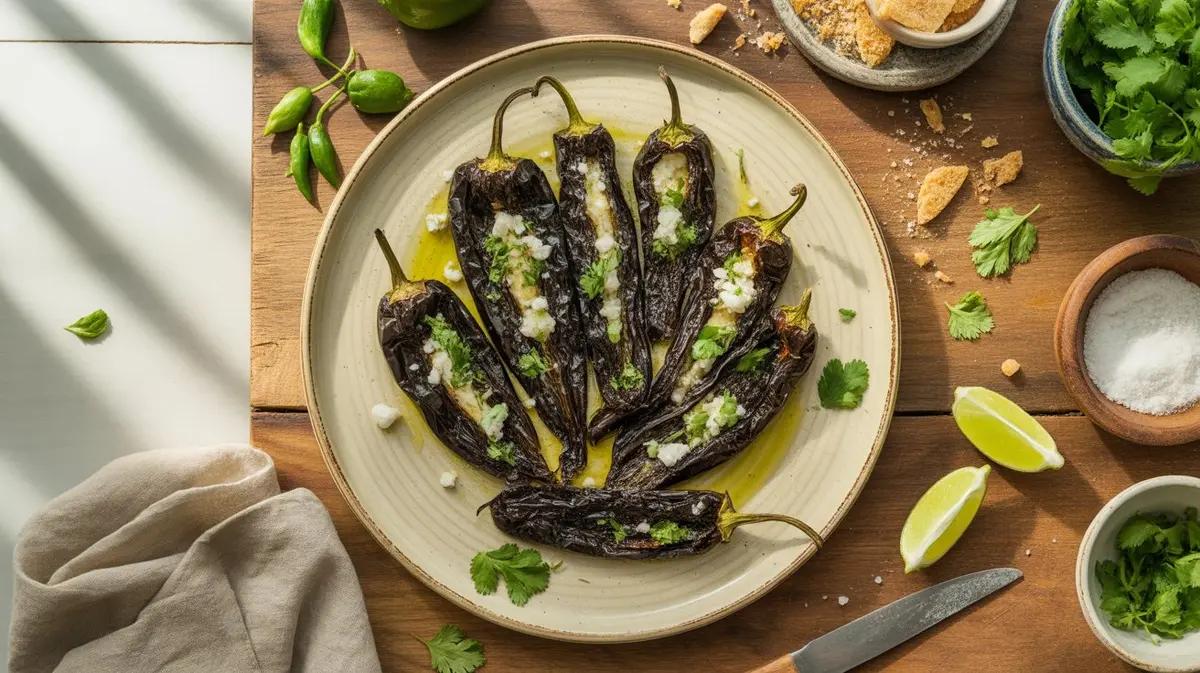
Pasilla de Oaxaca Nutrition Facts & Health Benefits
Dried Pasilla de Oaxaca is nutritionally dense relative to its small serving size. A 1-tablespoon serving of ground dried chile contains roughly 15–20 calories, with meaningful amounts of vitamin A (from beta-carotene in the red pigment), vitamin C, and iron.
The capsaicin content — responsible for its how capsaicin triggers heat receptors — falls in the moderate range at 4,000–10,000 SHU. Capsaicin has documented anti-inflammatory properties in peer-reviewed literature. The smoke-drying process concentrates nutrients while reducing water content, making dried chiles more nutrient-dense by weight than their fresh counterparts.
Best Ways to Cook with Pasilla de Oaxaca Peppers
The Pasilla de Oaxaca is primarily a dried-chile ingredient — you rehydrate it, toast it, or grind it depending on the application.
For mole negro and other complex sauces, toast the dried pods briefly in a dry skillet (30 seconds per side), then soak in hot water for 20 minutes. The soaking liquid carries flavor too — use it in your sauce base. The practical guide to working with dried Mexican chiles covers rehydration ratios and toasting technique in detail.
In salsas, charred and blended Pasilla de Oaxaca creates a smoky salsa negra that works alongside grilled meats. It pairs naturally with chocolate, plantains, and dark-roasted tomatoes — ingredients that echo its own dried-fruit and smoke notes. Check the fresh salsa recipe guide for blending ratios when using smoked chiles.
For substitutions, smoky chipotle-style applications of the Morita can approximate the smoke character, though the flavor depth differs. The earthy heat of New Mexico-style dried chiles offers a different regional angle without the smoke.
Ground Pasilla de Oaxaca works as a dry rub component — about 1 teaspoon per pound of meat adds smoke and heat without overpowering.
Where to Buy Pasilla de Oaxaca & How to Store
Pasilla de Oaxaca is most available from late fall through winter, following the harvest season. Specialty Mexican grocery stores, Oaxacan food importers, and online retailers like MexGrocer or Amazon carry dried pods and ground versions year-round.
Look for pods that are pliable, not brittle — flexibility indicates proper moisture retention during drying. The color should be deep reddish-brown, almost black.
Store whole dried pods in an airtight container away from light and heat. They keep 6–12 months at room temperature, or up to 2 years frozen. Ground Pasilla de Oaxaca loses its smoke intensity faster — use within 6 months.
Best Pasilla de Oaxaca Substitutes & Alternatives
Whether you ran out of pasilla de oaxaca or just want to try something different, these peppers make solid stand-ins. We picked them based on heat range, flavor overlap, and how well they actually work in the same dishes.
Our top pick: Gochugaru (2K–10K SHU). Same species (C. annuum) and nearly the same heat, so it swaps in at a 1:1 ratio without changing the character of the dish. The flavor leans smoky and sweet, which is close enough that most people won’t notice the difference in a cooked recipe.
How to Grow Pasilla de Oaxaca Peppers
Growing Pasilla de Oaxaca from seed is straightforward for anyone experienced with C. annuum cultivation — the challenge is in the post-harvest processing, not the plant itself.
Start seeds indoors 8–10 weeks before last frost. Germination runs 10–14 days at soil temperatures around 80°F. The plants prefer full sun and well-draining soil; they're drought-tolerant once established, which reflects their mountain origin in Oaxaca's Sierra Juárez.
Compared to the mild-heat, high-yield growing style of Hatch-type chiles, Pasilla de Oaxaca plants are more compact and produce fewer pods — but each pod carries more flavor complexity when dried.
For seed-starting and transplant methods, treat them like any mid-season annuum: harden off carefully, space 18 inches apart, and water deeply but infrequently. Days to maturity run approximately 90–100 days to full red.
The authentic smoke-drying process requires a cold smoker or improvised wood-smoke setup. Hardwoods like oak or mesquite work best. Dry the pods over low smoke (150–160°F) for 24–48 hours until leathery but not brittle. This is where the pepper's character is made.
Frequently Asked Questions
-
The standard pasilla negro (also called chile negro) is a different regional variety grown primarily in central Mexico and sold dried without smoking. Pasilla de Oaxaca is smoke-dried using wood fires in the Sierra Juárez mountains, giving it a campfire complexity that pasilla negro simply doesn't have.
-
Thai chilis typically run 50,000–100,000 SHU, making them roughly 5–25 times hotter than Pasilla de Oaxaca's 4,000–10,000 SHU range. Pasilla de Oaxaca delivers noticeable warmth but is firmly in the moderate category — hot enough to register, mild enough to use generously in sauces.
-
Chipotles (smoked jalapeños) share the smoke character but taste different — chipotles have a sharper, more acidic heat while Pasilla de Oaxaca is earthier and more fruit-forward. For a closer match, look for smoky chipotle-style applications of the Morita, which sits in a similar SHU range and smoke profile.
-
For sauces, moles, and salsas, yes — toast the dried pod briefly in a dry pan, then soak in hot water for 15–20 minutes until pliable. For dry rubs or spice blends, you can grind the dried pod directly without rehydrating.
-
No — anchos are dried poblanos, a different variety with a milder, more chocolatey flavor and lower heat. Pasilla de Oaxaca comes from a distinct regional chile and its smoke comes from the drying process, not from any relationship to poblano or ancho varieties.
- Chile Pepper Institute — Dried Chile Varieties
- USDA Agricultural Research Service — Capsicum annuum
- Diana Kennedy, 'The Essential Cuisines of Mexico' — Oaxacan Mole Documentation
Species classification: C. annuum — based on published botanical taxonomy.