Pasilla Pepper

The pasilla pepper is a dried chilaca, prized in Mexican cooking for its 1,000–2,500 SHU warmth and deep, earthy richness. Grown as a long, dark green fresh chile, it transforms dramatically when dried — developing chocolate and dried-fruit notes that form the backbone of complex mole sauces. A rewarding garden pepper with specific but manageable care requirements.
- Species: C. annuum
- Heat tier: Medium (1K–10K SHU)
What is Pasilla Pepper?
Pasilla sits in the medium heat intensity range — warm enough to notice, gentle enough to let flavor lead. The heat arrives slowly, more like a lingering warmth in the back of the throat than a sharp bite. At 1,000–2,500 SHU, it lands softer than a Fresno but carries far more aromatic complexity.
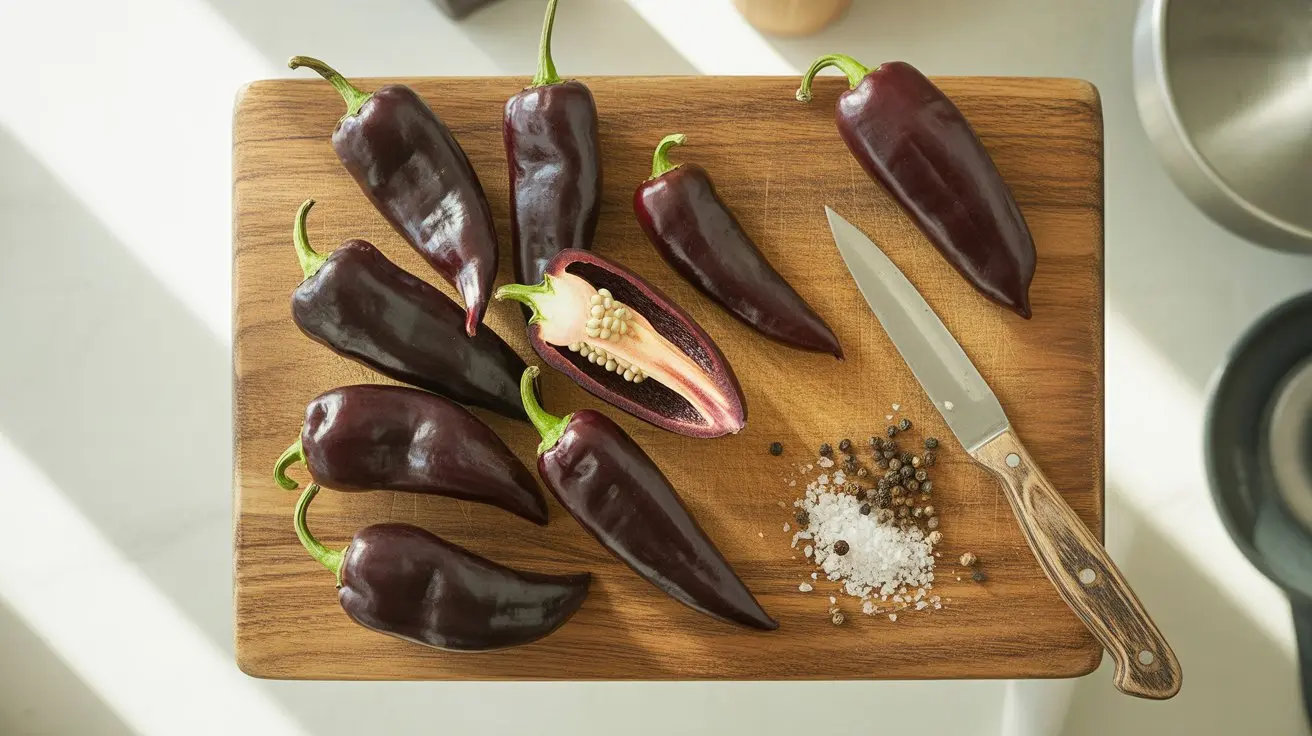
Fresh, the pepper is called chilaca — a long, slender, dark green to near-black pod that can reach 8–10 inches. The name "pasilla" (meaning "little raisin" in Spanish) refers specifically to the dried form, which wrinkles and darkens to a deep brown-black. That drying process concentrates everything: the earthiness intensifies, subtle notes of dried cherry and chocolate emerge, and the texture becomes leathery and pliable.
Botanically, it belongs to Capsicum annuum, the species that also includes jalapeños, anchos, and New Mexico chiles. Pasilla is one of the "holy trinity" of dried chiles used in traditional Mexican mole negro, alongside mulato and the dried fruity depth of ancho.
Growing pasilla rewards patience. The plants are vigorous, producing pendant pods on tall, branching stems. Their narrow, elongated shape — a distinctive dark-green fresh appearance before drying — sets them apart visually from broader dried chiles like ancho or mulato.
History & Origin of Pasilla Pepper
Pasilla peppers trace back centuries in central and southern Mexico, particularly Oaxaca and Michoacán, where dried chiles formed the foundation of complex regional sauces. The deep-rooted Mexican pepper tradition embraced pasilla as an essential mole ingredient long before Spanish contact documented it.
One persistent naming confusion: in California and parts of the American Southwest, fresh poblano peppers are sometimes mislabeled "pasilla." In traditional Mexican usage, pasilla refers strictly to the dried chilaca. The fresh-to-dried transformation and sensory shift is central to the pepper's identity — the two forms have genuinely different flavor profiles.
The Oaxacan cultural roots of chilhuacle offer a useful parallel — many dried Mexican chiles share this regional specificity and naming complexity, each tied to particular dishes and preparation traditions.
How Hot is Pasilla Pepper? Heat Level & Flavor
The Pasilla Pepper delivers 1K–3K Scoville Heat Units, placing it in the Medium tier (1K–10K SHU).
Flavor notes: earthy and rich.
Pasilla Pepper Nutrition Facts & Health Benefits
Dried pasilla chiles are nutrient-dense by weight. A 1-ounce (28g) serving of dried pasilla delivers roughly 90 calories, 4g of fiber, and significant amounts of vitamins A and C — though drying reduces vitamin C compared to fresh. Iron and potassium are present in useful quantities.
Capsaicin at 1,000–2,500 SHU is low enough that the metabolic effects associated with hotter peppers are minimal. The antioxidant load from carotenoids and flavonoids remains substantial. Dried chiles used in sauce form typically mean a single pepper per serving, keeping caloric contribution modest.
Best Ways to Cook with Pasilla Peppers
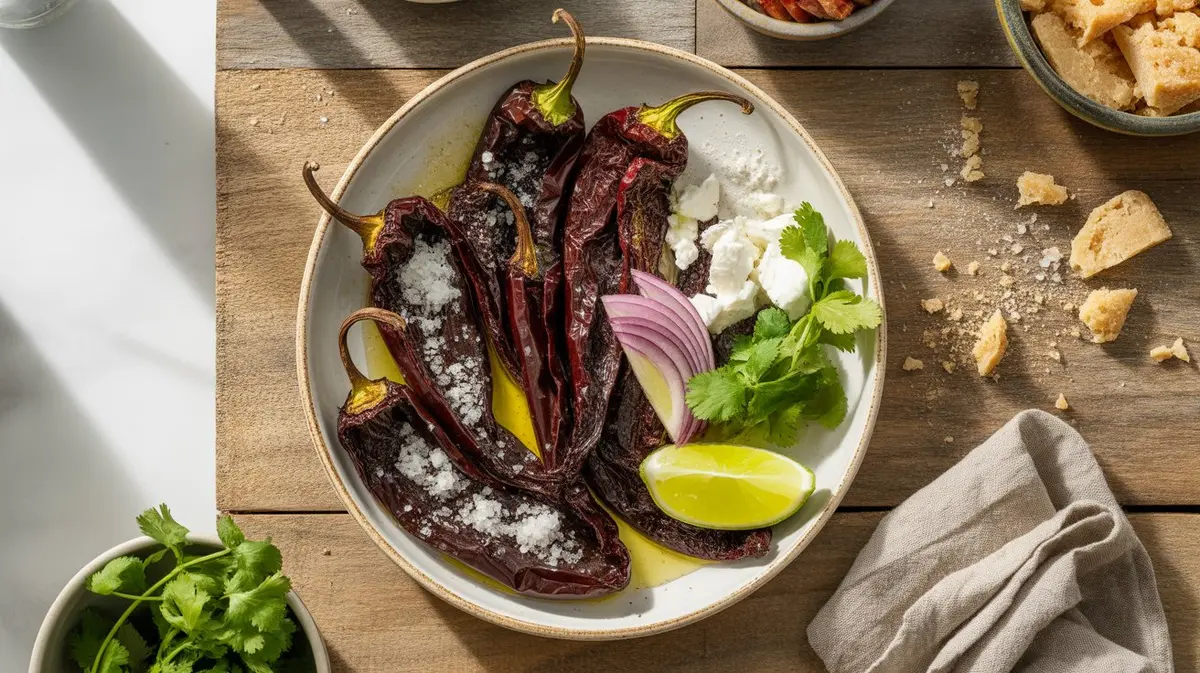
Dried pasilla chiles need rehydration before most uses. Toast them briefly in a dry skillet — 30 seconds per side until fragrant — then soak in hot water for 15–20 minutes. The soaking liquid is bitter but usable in small amounts for added depth.
The rehydrated flesh blends into mole negro, enchilada sauce, and adobo marinades. Its earthiness pairs naturally with chocolate, cumin, and dried fruit. Compared to the flexible mild-to-medium cooking range of Anaheim-style chiles, pasilla brings more complexity but less brightness — it's a background-builder, not a fresh accent.
For mole negro, pasilla typically combines with mulato and ancho. Each contributes differently: pasilla handles the earthy bass note, ancho the sweetness, mulato the mid-range depth. Toasting is non-negotiable — it activates volatile aromatics and reduces any raw bitterness.
Ground pasilla powder works well in dry rubs for beef and lamb. A tablespoon stirred into black bean soup adds dimension without overwhelming heat. The pepper anatomy guide explains how the placenta and seed placement in elongated pods like pasilla affects heat distribution — useful to know when adjusting spice levels in a sauce.
Where to Buy Pasilla Pepper & How to Store
Whole dried pasilla chiles appear in Latin grocery stores year-round, usually sold loose or in cellophane bags. Look for pods that are pliable, not brittle — flexibility signals proper moisture content and better flavor. Avoid any with mold, excessive cracking, or a dusty, faded color.
Store whole dried chiles in an airtight container away from light, where they keep for up to a year without significant flavor loss. Ground pasilla powder degrades faster — use within 3–4 months for best aroma. Rehydrated chiles should be used within 3 days if refrigerated. Fresh chilaca pods, when available, store like any fresh chile: refrigerated, unwashed, for up to a week. The NuMex Big Jim-style long green chiles follow similar storage logic.
Best Pasilla Pepper Substitutes & Alternatives
Whether you ran out of pasilla pepper or just want to try something different, these peppers make solid stand-ins. We picked them based on heat range, flavor overlap, and how well they actually work in the same dishes.
Our top pick: Padrón Pepper (500–3K SHU). Same species (C. annuum) and nearly the same heat, so it swaps in at a 1:1 ratio without changing the character of the dish. The flavor leans mild and grassy, which is close enough that most people won’t notice the difference in a cooked recipe.
How to Grow Pasilla Peppers
Pasilla plants are tall growers, often reaching 24–36 inches with good support. Start seeds indoors 8–10 weeks before last frost — the long growing season (roughly 80–85 days to maturity) means early starts matter. Check the complete seed-starting walkthrough for germination temperature guidance; pasilla seeds want 80–85°F soil to sprout reliably.
Transplant after soil temperatures stabilize above 60°F. Space plants 18–24 inches apart — they branch outward as they mature, and crowding invites fungal issues on the dense foliage. Full sun is essential; pasilla underperforms in partial shade.
Water consistently but avoid waterlogged soil. These plants are somewhat drought-tolerant once established, but irregular watering during pod development causes blossom drop and misshapen fruit. Mulch helps retain moisture and regulate soil temperature.
The cultivation approach for similarly sized dark-podded chiles translates well here — both prefer well-drained, moderately fertile soil without excessive nitrogen, which pushes leaf growth at the expense of pods. A balanced fertilizer at transplant, then a phosphorus-forward feed once flowering begins, works well.
For drying, harvest pods when fully mature and dark. String them in a well-ventilated space or use a dehydrator at 125°F until leathery but pliable. Comparing the full-season growing needs of Hatch-style medium chiles shows similar timing and care requirements.
Frequently Asked Questions
-
Pasilla is the dried form of the chilaca chile, a long, dark, slender pepper; poblano is a wider, heart-shaped fresh pepper that becomes ancho when dried. In California, fresh poblanos are sometimes mislabeled pasilla, which causes persistent confusion. They are botanically distinct with different flavor profiles.
-
Yes, but the plants get tall and need a 5-gallon minimum container with a stake or cage for support. Container-grown pasillas dry out faster than in-ground plants, so consistent watering becomes even more critical. Yields will be smaller than in-ground, but the flavor of home-dried pods is excellent.
-
At 1,000–2,500 SHU, pasilla is milder than a Fresno chile (2,500–10,000 SHU) and roughly comparable to an Anaheim. The heat is gentle and slow-building, making pasilla accessible to people who find jalapeños too sharp.
-
Mulato or ancho are the closest substitutes — both are dried C. annuum chiles with earthy, chocolate-adjacent flavors. Ancho is slightly sweeter and wider; mulato is darker and more bitter. Either works in mole or enchilada sauce when pasilla is unavailable.
-
At 24–36 inches tall with multiple branching stems loaded with long pods, pasilla plants benefit significantly from caging or individual staking. Without support, heavy pod loads can snap branches, especially after rain. Install stakes at transplanting to avoid disturbing roots later.
- Chile Pepper Institute - New Mexico State University
- USDA FoodData Central - Dried Peppers
- University of California Cooperative Extension - Pepper Production
- Kennedy, Diana. The Essential Cuisines of Mexico. Clarkson Potter, 2000.
Species classification: C. annuum — based on published botanical taxonomy.