
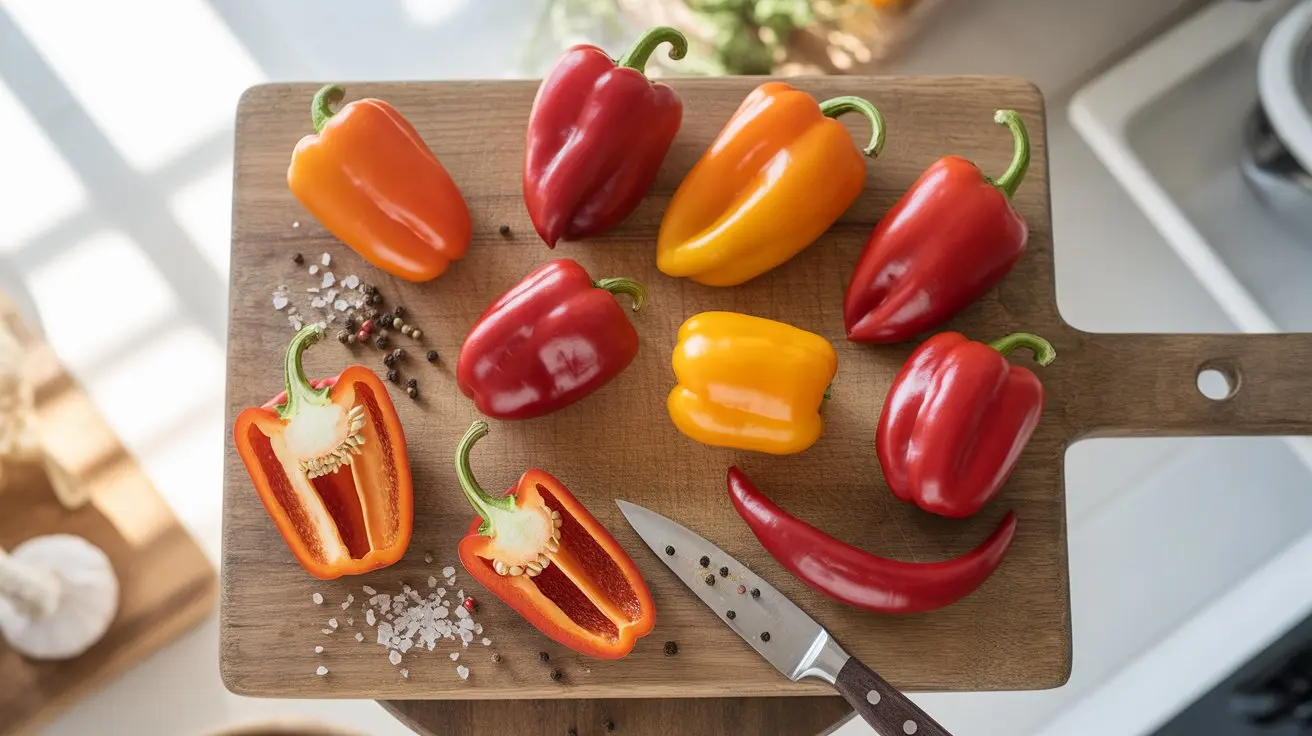
NuMex Heritage 6-4

The NuMex Heritage 6-4 is a mild, elongated New Mexico-style chile developed at New Mexico State University, registering 1,000–1,500 SHU. Bred to replicate the classic flavor of heritage New Mexico chiles, it excels in traditional red and green chile sauces. Home gardeners prize it for reliable yields, manageable plant size, and thick walls ideal for roasting and drying.
- Species: Capsicum annuum
- Heat tier: Medium (1K–10K SHU)
What is NuMex Heritage 6-4?
Bred by researchers at the [Chile Pepper Institute](https://cpi.nmsu.edu/) at New Mexico State University, the NuMex Heritage 6-4 was developed specifically to capture the flavor profile of traditional New Mexico 6-4 heritage varieties — the kind that defined New Mexico chile culture for generations before commercial breeding shifted priorities toward disease resistance and yield.
The pepper sits at 1,000–1,500 SHU on the Scoville position for mild-to-medium peppers, placing it firmly in accessible territory. That is comparable to a Fresno's warm, fruity heat — present but never aggressive. The walls are thick and meaty, the skin thin enough to peel cleanly after roasting, and the flavor carries that earthy, slightly sweet New Mexico character that dried chile fans immediately recognize.
Fruits grow 6–8 inches long, tapering to a blunt tip. They ripen from green to red, and both stages have culinary merit. Green is grassier and brighter; red is deeper, more complex, and slightly sweeter.
The plant itself is a Capsicum annuum — the same species as jalapeños, the smoky dried Morita chile, and most familiar garden peppers — which means it responds well to standard growing conditions. Days to maturity run approximately 75–80 days from transplant, making it feasible in most temperate climates with a reasonable growing season.
History & Origin of NuMex Heritage 6-4
New Mexico chile breeding has a long institutional history, and the NuMex Heritage 6-4 sits at the intersection of preservation and modern science.
The original New Mexico 6-4 was released in 1957 by Dr. Roy Nakayama at NMSU, becoming the backbone of New Mexico's commercial chile industry for decades. Over time, growers shifted toward newer varieties optimized for mechanized harvesting, and the classic 6-4 flavor became harder to find.
The Heritage 6-4 was developed to bring that flavor back. NMSU researchers worked to stabilize the genetic traits of the original while improving consistency for home and small-farm growers. The result is a variety that honors the culinary legacy of New Mexico chile — the same flavor that built the state's famous mild-to-medium heat tradition — while performing reliably in modern garden conditions.
How Hot is NuMex Heritage 6-4? Heat Level & Flavor
The NuMex Heritage 6-4 delivers 1K–2K Scoville Heat Units, placing it in the Medium tier (1K–10K SHU).
Flavor notes: mild and sweet.
NuMex Heritage 6-4 Nutrition Facts & Health Benefits
A 100g serving of fresh NuMex Heritage 6-4 delivers roughly 30–35 calories, with minimal fat and around 6–7g of carbohydrates. Like most New Mexico-style chiles, it is a solid source of vitamin C — particularly in the red-ripe stage, when antioxidant content peaks.
The pepper also provides vitamin A (from beta-carotene), vitamin B6, and small amounts of potassium and iron. Capsaicin content is low given the 1,000–1,500 SHU range, so the metabolic effects associated with hotter varieties are minimal. The receptor science behind capsaicin's effect on the body still applies, just at a gentler intensity.
Best Ways to Cook with NuMex Heritage 6-4 Peppers
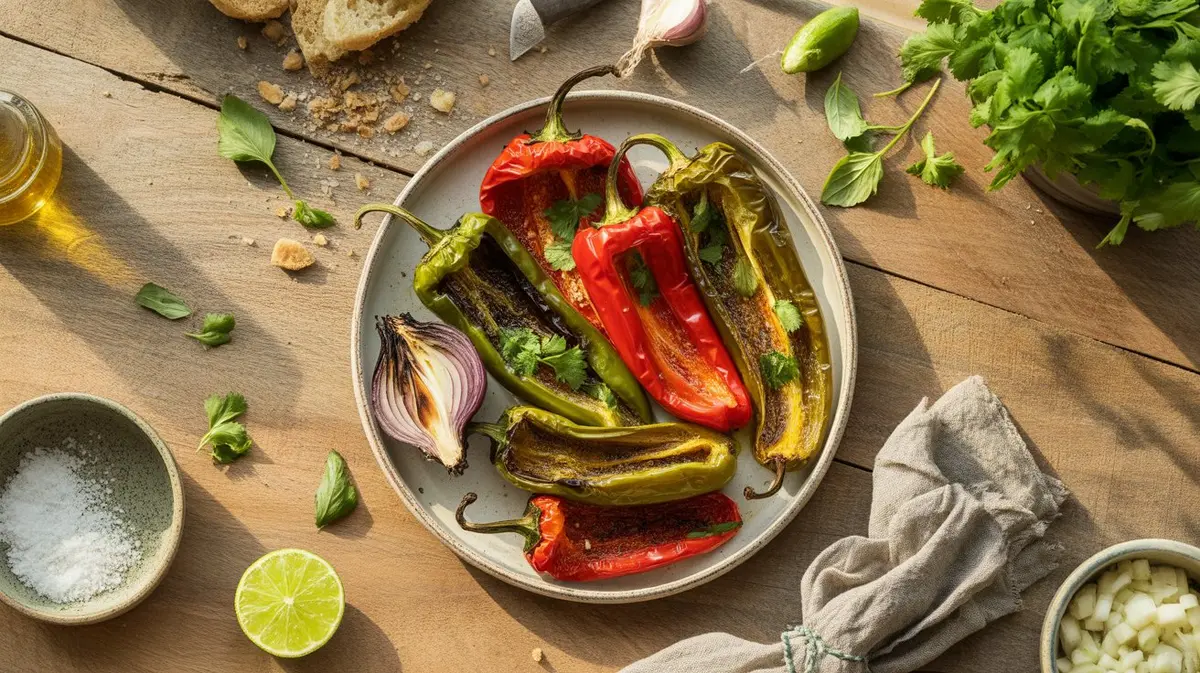
Green chile stew is the natural starting point for NuMex Heritage 6-4. Roast the green fruits directly over flame or under a broiler until the skin blisters and blackens, then steam in a covered bowl for 10 minutes. The skin peels off cleanly, leaving thick, fragrant flesh that holds up beautifully in pork or potato-based stews.
Dried red pods open up a different set of applications. Ground into powder, the flavor is earthy and mildly sweet — closer to the deep, brick-red character of dried ancho-style low heat than to anything sharp or aggressive. It works well in enchilada sauce, tamale masa, and dry rubs.
For fresh use, the thick walls make this pepper excellent for stuffing. Unlike thinner-walled varieties, it holds its structure through baking. Think cheese-stuffed and baked, or sliced into strips for fajitas.
The 1,000–1,500 SHU range means this pepper is genuinely approachable for people who find standard green chiles too hot. It sits in similar territory to the sweet-smoky depth of dried Peruvian low-heat peppers without the distinctly fruity undertone those bring. flexible enough for everyday cooking, distinctive enough to anchor a dish.
Where to Buy NuMex Heritage 6-4 & How to Store
Fresh NuMex Heritage 6-4 peppers rarely appear in mainstream grocery stores — your best bet is farmers markets in New Mexico and the Southwest, or specialty produce suppliers. Seeds are available from NMSU-affiliated sources and select heirloom seed companies.
Fresh green pods keep 1–2 weeks refrigerated in a paper bag. Roasted and peeled flesh freezes exceptionally well — portion into 1-cup bags for easy use through winter. Dried red pods store for 12+ months in an airtight container away from light. Flavor holds better whole than ground, so grind only what you need.
Best NuMex Heritage 6-4 Substitutes & Alternatives
Whether you ran out of numex heritage 6-4 or just want to try something different, these peppers make solid stand-ins. We picked them based on heat range, flavor overlap, and how well they actually work in the same dishes.
Our top pick: Urfa Biber (500–2K SHU). The heat level is close enough for a direct swap in salsas, sauces, and stir-fries. Flavor leans smoky and earthy, so the taste will shift a bit — but the overall heat stays in the same range.
How to Grow NuMex Heritage 6-4 Peppers
The NuMex Heritage 6-4 is a reliable garden performer, but it rewards attention during the early stages. Start seeds indoors 8–10 weeks before last frost — soil temperature should stay at 80–85°F for germination. A heat mat makes a real difference here. For a detailed germination walkthrough for starting peppers, the process is standard Capsicum annuum protocol.
Transplant after all frost risk passes, spacing plants 18–24 inches apart in rows. Full sun is non-negotiable — aim for at least 8 hours daily. These plants get large, often reaching 24–30 inches tall, so staking or caging helps once fruit load builds up.
Fertilize with a balanced feed early in the season, then shift to lower-nitrogen formulas once flowering begins. Too much nitrogen late in the season pushes leaf growth at the expense of fruit set.
New Mexico summers are the ideal climate, but the variety performs well in zones 6–10 with adequate irrigation. Consistent moisture matters — uneven watering causes blossom drop and blossom-end rot. Mulching around the base helps regulate soil temperature and retain moisture.
For those also growing the productive, tangy-walled Hungarian Wax nearby, cross-pollination is possible since both are Capsicum annuum. Isolation of 300–500 feet preserves seed purity if you plan to save. See also the practical guide to growing cayenne for general chile-growing principles that apply here.
Frequently Asked Questions
-
Both peppers land in similar territory — NuMex Heritage 6-4 registers 1,000–1,500 SHU, while the Fresno's warm, fruity heat typically reaches 2,500–10,000 SHU. That makes the Heritage 6-4 noticeably milder, with a gentler warmth that most people find completely approachable.
-
Yes — this variety performs well in USDA zones 6–10 with full sun and consistent moisture. The main requirement is a growing season of at least 75–80 days after transplant, which most temperate climates can support.
-
Roasting and freezing is the most practical method — peeled, roasted flesh maintains flavor for up to 12 months in a freezer. Drying whole red pods works equally well for long-term storage, and they can be ground to powder as needed.
-
It is a specific heritage variety developed at NMSU to replicate the flavor of the original 1957 New Mexico 6-4 release, which had become largely displaced by commercial hybrids. Other New Mexico green chiles may differ in heat, wall thickness, and flavor depth.
-
The tangy, medium-heat dried Guajillo brings a sharper, more acidic flavor profile compared to the earthy sweetness of Heritage 6-4. Both work in red sauces, but the Heritage 6-4 produces a rounder, milder result more typical of New Mexico-style dishes.
- Chile Pepper Institute — NMSU
- NuMex Heritage 6-4 Variety Release — NMSU
- USDA PLANTS Database — Capsicum annuum
- New Mexico Chile Pepper History — NMSU Extension
Species classification: Capsicum annuum — based on published botanical taxonomy.