Maras Pepper

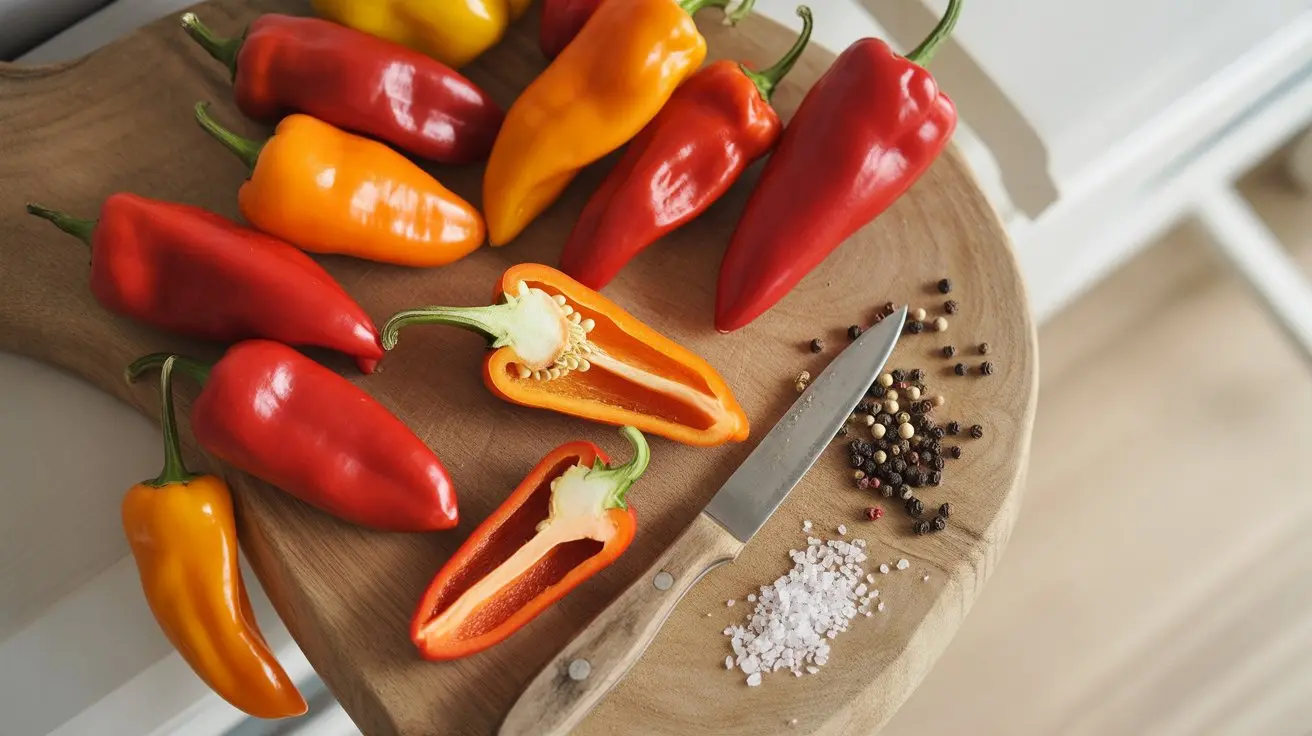
The Maras pepper is a sun-dried Turkish chili from the Kahramanmaras region, registering 30,000-50,000 SHU - roughly ten times hotter than a jalapeño. Its earthy, fruity depth makes it a cornerstone of Turkish and Middle Eastern cooking. Ground into flakes or paste, it brings both color and slow-building heat to everything from kebabs to olive oil.
- Species: C. annuum
- Heat tier: Hot (10K–100K SHU)
- Comparison: 10x hotter than a jalapeño
What is Maras Pepper?
Turkey's most celebrated chili comes from the city of Kahramanmaras in southeastern Anatolia, where the climate and volcanic soil produce a pepper unlike anything else in the region. At 30,000-50,000 SHU, the Maras sits in the hot pepper intensity tier - serious heat, but not reckless.
What separates it from other peppers in this SHU range is texture and oil content. Fresh Maras peppers are elongated and deep red, but they're almost always sold sun-dried and coarsely ground into pul biber - the iconic Turkish red pepper flake. That drying process concentrates the natural oils, which is why Maras flakes feel slightly moist and glossy compared to the dusty cayenne flakes you might find at a grocery store.
The flavor is genuinely complex: fruity upfront, earthy in the middle, with a clean finish that doesn't linger aggressively. It belongs to Capsicum annuum, the same species as bell peppers and jalapeños, but it expresses the species differently - less grassy, more savory.
For anyone cooking Turkish food authentically, Maras pepper is non-negotiable. It shows up in lahmacun, muhammara, kebab marinades, and simply dissolved into good olive oil as a condiment. The heat builds gradually rather than hitting immediately, which lets the flavor register before the burn.
History & Origin of Maras Pepper
Kahramanmaras has been cultivating its namesake pepper for centuries, with the region's unique combination of hot summers, cool nights, and mineral-rich soil creating ideal conditions for flavor development. The city itself was granted a geographical indication for Maras pepper by Turkey, protecting the name much like Champagne protects French sparkling wine.
The Turkish pepper growing tradition stretches back to the Ottoman era, when spice trade routes brought New World peppers into Anatolian kitchens. Maras became the dominant variety in southeastern Turkey, prized not just for heat but for its high oil content - critical for producing the glossy, aromatic flakes that define pul biber.
Today, Maras pepper has gained international attention as Turkish cuisine spreads globally, appearing in specialty spice shops and restaurant supply catalogs far beyond its original geography.
How Hot is Maras Pepper? Heat Level & Flavor
The Maras Pepper delivers 30K–50K Scoville Heat Units, placing it in the Hot tier (10K–100K SHU). That makes it roughly 10x hotter than a jalapeño.
Flavor notes: fruity and earthy.
Maras Pepper Nutrition Facts & Health Benefits
Like most dried chilies, Maras pepper delivers concentrated nutrients per tablespoon. Capsaicin, the compound responsible for heat, has been studied for anti-inflammatory properties - the chemistry behind how capsaicin interacts with pain receptors explains why heat feels the way it does.
Mars flakes provide vitamin A (from beta-carotene), vitamin C, and iron in meaningful amounts for a spice. The high oil content contributes small amounts of healthy fats. Capsaicin content correlates with the 30,000-50,000 SHU range - moderate-to-high by culinary standards, with associated metabolic benefits seen in regular consumption of hot chilies.
Best Ways to Cook with Maras Peppers
Pul biber - coarsely ground Maras flakes - is the form you'll encounter most. It belongs on your spice shelf alongside salt and black pepper if you cook anything adjacent to Turkish, Lebanese, or broader Eastern Mediterranean food.
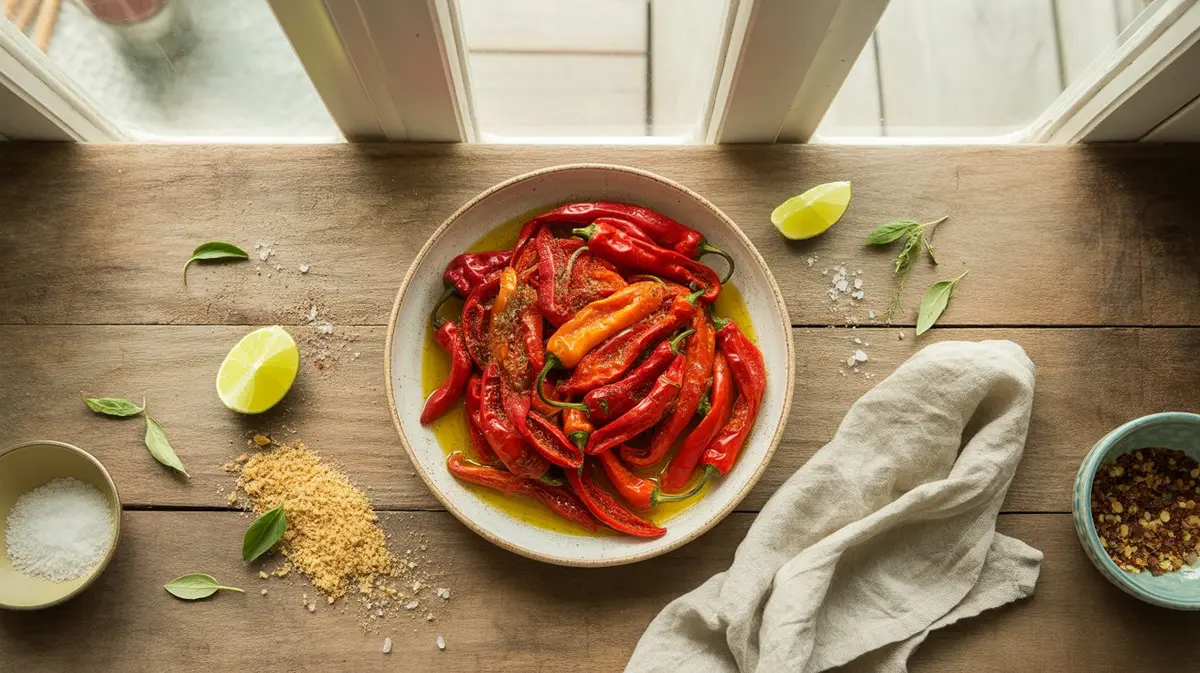
The most immediate application is Maras butter: gently warm unsalted butter with a generous pinch of flakes until the fat turns brick-red and fragrant. Pour it over hummus, grilled fish, or poached eggs. It takes four minutes and transforms a dish completely.
For muhammara, the Syrian-Turkish walnut and red pepper spread, Maras is the traditional choice. Its fruity earthiness balances the bitterness of walnuts better than sharper vinegar-forward heat like Tabasco's fermented character would.
Meat applications are where it shines brightest. Mix Maras flakes into ground lamb for kofte, use it as the primary spice in Adana kebab, or combine it with yogurt for a marinade that tenderizes and colors simultaneously. The pepper's natural oils help it adhere to protein surfaces better than dried powders.
Swapping it against the bright citrus-forward Peruvian fruitiness of aji amarillo's cooking range shows how differently two similar-SHU peppers can behave in a dish - Maras is warmer and more savory, aji amarillo brighter and more tropical. Neither substitutes cleanly for the other.
Where to Buy Maras Pepper & How to Store
Look for Maras pepper flakes (labeled pul biber or Maras biber) at Turkish grocery stores, Middle Eastern markets, or specialty spice retailers. Quality flakes should look slightly oily and deep brick-red - dry, pale flakes have lost their character.
Store in an airtight glass jar away from direct light. Properly stored, Maras flakes hold their flavor for up to a year, though the aromatic oils fade after six months. If you want to save seeds from fresh Maras peppers for next season, the seed-saving method guide walks through the drying and storage process.
Best Maras Pepper Substitutes & Alternatives
Whether you ran out of maras pepper or just want to try something different, these peppers make solid stand-ins. We picked them based on heat range, flavor overlap, and how well they actually work in the same dishes.
Our top pick: Cayenne Pepper (30K–50K SHU). Same species (C. annuum) and nearly the same heat, so it swaps in at a 1:1 ratio without changing the character of the dish. The flavor leans neutral and peppery, which is close enough that most people won’t notice the difference in a cooked recipe.
How to Grow Maras Peppers
Maras peppers grow best in climates that mirror southeastern Turkey: hot days, moderate nights, and well-drained soil. In North America, USDA zones 7-10 suit them well outdoors; zone 6 growers can succeed with a long head start indoors.
Start seeds 8-10 weeks before last frost indoors. Germination is reliable at soil temperatures between 75-85°F - a heat mat under the tray makes a real difference. For a complete walkthrough, the full pepper seed-starting guide covers timing and technique in detail.
Transplant after nighttime temperatures stay above 55°F. Maras plants grow to about 24-30 inches and benefit from staking once fruit load develops. They prefer consistent moisture but are sensitive to waterlogged roots - raised beds or containers with drainage holes work well.
Full sun is non-negotiable. Less than 6 hours and fruit production drops noticeably. Compared to the intense cultivation demands of Guntur's heat-building varieties, Maras is relatively forgiving for home growers.
Harvest when fully red, then sun-dry or use a dehydrator at 135°F until brittle. Coarsely grind in a spice grinder, leaving some texture - the goal is flakes, not powder. Watch for aphids and spider mites; the guide on managing pepper pests and diseases is worth bookmarking before problems start.
Frequently Asked Questions
-
Pul biber is the Turkish term for crushed red pepper flakes, and Maras biber (Maras pepper) is the most prized variety used to make it. True Maras pul biber comes specifically from the Kahramanmaras region and has a slightly oily texture and deep fruity flavor that generic red pepper flakes don't match.
-
Maras pepper ranges 30,000-50,000 SHU, putting it squarely in the same heat bracket as cayenne's well-known 30K-50K burn range. In practice, Maras often feels slightly milder because its high oil content slows capsaicin absorption, giving the flavor more time to register before the heat peaks.
-
You can, but the result will taste noticeably different. Standard red pepper flakes are drier, less fruity, and often made from generic cayenne-type peppers without the earthy complexity Maras brings. For dishes where the pepper is a starring ingredient - like muhammara or Adana kebab - the substitution shows.
-
Turkish grocery stores and Middle Eastern markets are the most reliable sources for genuine pul biber made from Maras peppers. Online spice retailers like Burlap & Barrel and Penzeys carry it as well - look for products that specify Kahramanmaras origin on the label.
-
Yes - compared to many hot peppers in its SHU range, Maras is reasonably forgiving. It performs well in containers, tolerates minor inconsistencies in watering, and produces reliable fruit in a long warm season. The main requirement is full sun and warm soil; give it those and it rewards you generously.
- Turkish Patent Institute - Geographical Indication for Maras Pepper
- Chile Pepper Institute, New Mexico State University
- USDA Agricultural Research Service - Capsicum annuum
Species classification: C. annuum — based on published botanical taxonomy.