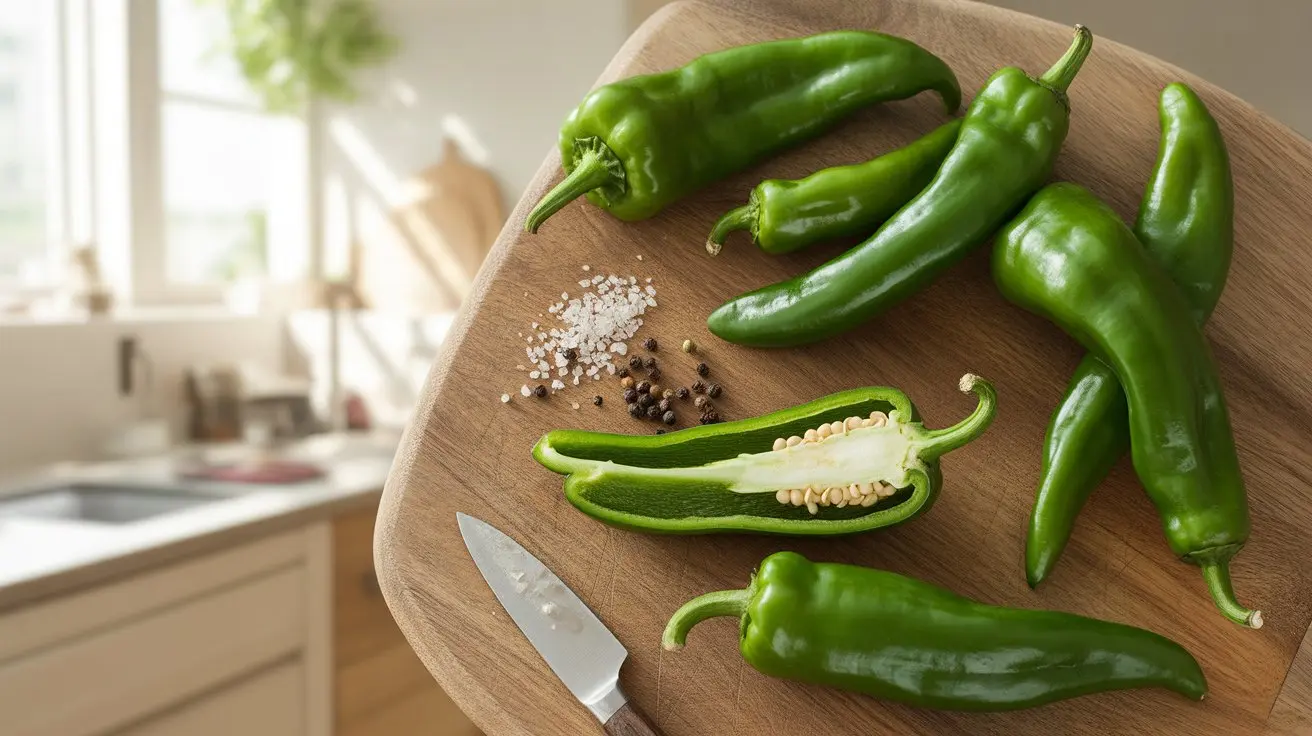
Korean Green Pepper

The Korean green pepper sits at 1,500–10,000 SHU — a wide range that makes it one of the more variable peppers in Korean cooking. Thin-walled, elongated, and grassy in flavor, it can be nearly mild one day and noticeably spicy the next. That unpredictability is part of its character, and Korean cooks have built entire dishes around working with it.
- Species: C. annuum
- Heat tier: Hot (10K–100K SHU)
- Comparison: 2x hotter than a jalapeño
What is Korean Green Pepper?
Pull one of these off the plant and you might think you're holding a long, tapered banana pepper — but bite in and the difference is immediate. The Korean green pepper (Capsicum annuum) delivers a fresh, grassy flavor with a clean heat that builds gradually rather than hitting all at once.
At 1,500–10,000 SHU, the heat range is unusually wide for a single variety. That variability isn't a flaw — it reflects how Korean peppers are grown and selected across different regions and seasons. A pepper from early in the season might barely register on the pepper heat index, while one harvested in late summer heat can push toward the upper end of its range.
The thin walls and mild grassiness make this pepper genuinely different from most Western chiles. There's no fruitiness, no smokiness — just clean vegetable flavor with a pepper backbone. That simplicity is the point. Korean cuisine uses this pepper as a base note, not a star ingredient, letting it support fermented, savory, and umami-forward dishes without overpowering them.
Falling into the medium heat classification range for most of its SHU spectrum, it sits comfortably between the mildest table peppers and the more assertive chiles used in spice-forward cuisines. For anyone exploring Korean pepper traditions, this is the essential starting point.
History & Origin of Korean Green Pepper
Peppers arrived on the Korean peninsula via trade routes from the Americas sometime in the late 16th or early 17th century, likely introduced through Portuguese traders or Japanese contact during the Imjin War period. They integrated into Korean cuisine faster than almost any other food culture adopted the chile.
Within a few generations, Korean farmers had selected for varieties suited to their climate and cooking needs — thin-walled, moderately hot, and productive in the peninsula's humid summers. The green pepper became a staple of banchan (side dishes), kimchi variations, and everyday cooking.
Modern Korean green peppers are part of the broader C. annuum botanical family, the same species that includes bell peppers and jalapeños, though their flavor profile reflects centuries of regional selection rather than Western breeding programs.
How Hot is Korean Green Pepper? Heat Level & Flavor
The Korean Green Pepper delivers 2K–10K Scoville Heat Units, placing it in the Hot tier (10K–100K SHU). That makes it roughly 2x hotter than a jalapeño.
Flavor notes: mild and grassy.
Korean Green Pepper Nutrition Facts & Health Benefits
A 100g serving of raw Korean green pepper provides roughly 27–30 calories, with minimal fat and about 6g of carbohydrates. Vitamin C content is significant — green peppers generally deliver 80–100mg per 100g, covering most of a daily requirement in a single serving.
The capsaicin compounds responsible for heat also have documented anti-inflammatory properties. Fiber content runs around 2g per 100g, supporting digestive health. These peppers also contribute small amounts of vitamin B6, potassium, and folate — the nutritional profile of a genuinely useful vegetable, not just a heat delivery mechanism.
Best Ways to Cook with Korean Green Peppers
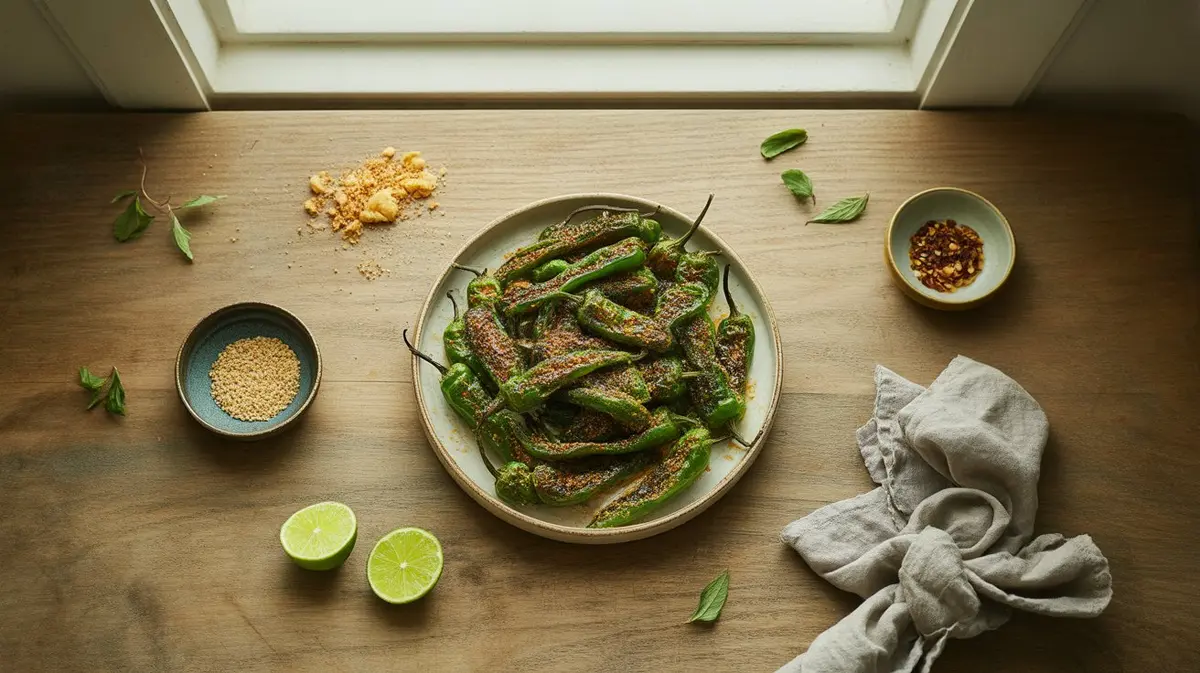
Korean green peppers shine in applications where their thin walls and fresh flavor can do real work. Sliced raw into doenjang jjigae (fermented soybean paste stew), they add bite and color without softening into mush. Stuffed with seasoned meat or tofu and pan-fried, they hold their shape beautifully.
For pickling, the thin skin means they absorb brine quickly — a simple soy, vinegar, and sesame oil pickle takes only a few hours rather than days. The result is a crunchy, tangy condiment that works alongside rice or grilled meat.
Compared to something like the smoky, complex dried heat of a Pasilla de Oaxaca, the Korean green pepper is refreshingly straightforward — no smokiness, no dried fruit notes, just clean pepper flavor. That directness makes it easier to use across a wide range of dishes.
Substitution-wise, the bright, moderate heat of a California Fresno works in a pinch for fresh applications, though the flavor profile skews fruitier. For Korean recipes specifically, look for the elongated green variety at Asian grocery stores rather than substituting — the texture difference matters more than the heat difference in most preparations.
Where to Buy Korean Green Pepper & How to Store
Look for firm, bright green peppers with no soft spots or wrinkling. At Korean grocery stores, they're typically sold loose or in small bags and labeled simply as "green pepper" or "Korean pepper." Avoid any with yellowing tips — that signals age.
Refrigerate unwashed in a paper bag or loosely wrapped in a dry paper towel inside a plastic bag. They stay fresh for 7–10 days this way. For longer storage, slice and freeze — they lose their crunch but work fine in cooked dishes. Don't wash until just before use, as moisture accelerates decay.
Best Korean Green Pepper Substitutes & Alternatives
Whether you ran out of korean green pepper or just want to try something different, these peppers make solid stand-ins. We picked them based on heat range, flavor overlap, and how well they actually work in the same dishes.
Our top pick: Gochugaru (2K–10K SHU). Same species (C. annuum) and nearly the same heat, so it swaps in at a 1:1 ratio without changing the character of the dish. The flavor leans smoky and sweet, which is close enough that most people won’t notice the difference in a cooked recipe.
How to Grow Korean Green Peppers
Korean green peppers are productive plants that do well in USDA zones 5–11 as annuals. Start seeds indoors 8–10 weeks before your last frost date. They germinate best at soil temperatures around 80°F — a heat mat makes a noticeable difference.
Transplant outdoors after nighttime temperatures stay consistently above 55°F. Space plants 18–24 inches apart; they tend to branch heavily and need room to spread. Full sun is non-negotiable — at least 6–8 hours daily.
One thing worth knowing: Korean green peppers are susceptible to flower drop during heat spikes or inconsistent watering. The practical guidance on pepper flower drop is worth reading before your first bloom cycle if you're growing these for the first time.
Harvest at the green stage for culinary use — typically 65–75 days after transplant. If you're curious about the full timeline from seed to harvest, the how long peppers grow guide breaks it down clearly. Peppers left on the plant will ripen to red and develop more heat, similar to how gochugaru's cultivation characteristics shift flavor and pungency as fruits mature.
Frequently Asked Questions
-
At 1,500–10,000 SHU, Korean green peppers overlap almost entirely with jalapeño's range of 2,500–8,000 SHU. The key difference is variability — a single batch of Korean green peppers can range from nearly mild to noticeably spicy, while jalapeños are more consistent.
-
For fresh applications, Anaheim or mild, grassy New Mexico green chile comes closest in texture and heat. For cooked dishes, the earthy, versatile dried Mulato chile won't replicate the fresh flavor but fills a similar supporting role in complex recipes.
-
Yes — as the pepper matures from green to red, capsaicin concentration increases and the flavor shifts from grassy to sweeter with more heat. Most Korean recipes specifically call for the green stage because the flavor is cleaner and less assertive at that point.
-
Not exactly — gochujang is made from dried and ground red peppers, including varieties like the distinctively vibrant dried red chile used for gochugaru, which are selected and dried specifically for paste production. Fresh Korean green peppers are a different use case entirely, eaten raw, pickled, or cooked rather than processed into paste.
-
Flower drop usually comes down to temperature stress — either too hot above 90°F or too cool below 55°F at night — or inconsistent watering. The practical guidance on pepper flower drop covers the most common causes and fixes in detail.
- Chile Pepper Institute - Capsicum annuum Varieties
- USDA FoodData Central - Raw Peppers Nutritional Profile
- University of California Cooperative Extension - Pepper Production
Species classification: C. annuum — based on published botanical taxonomy.