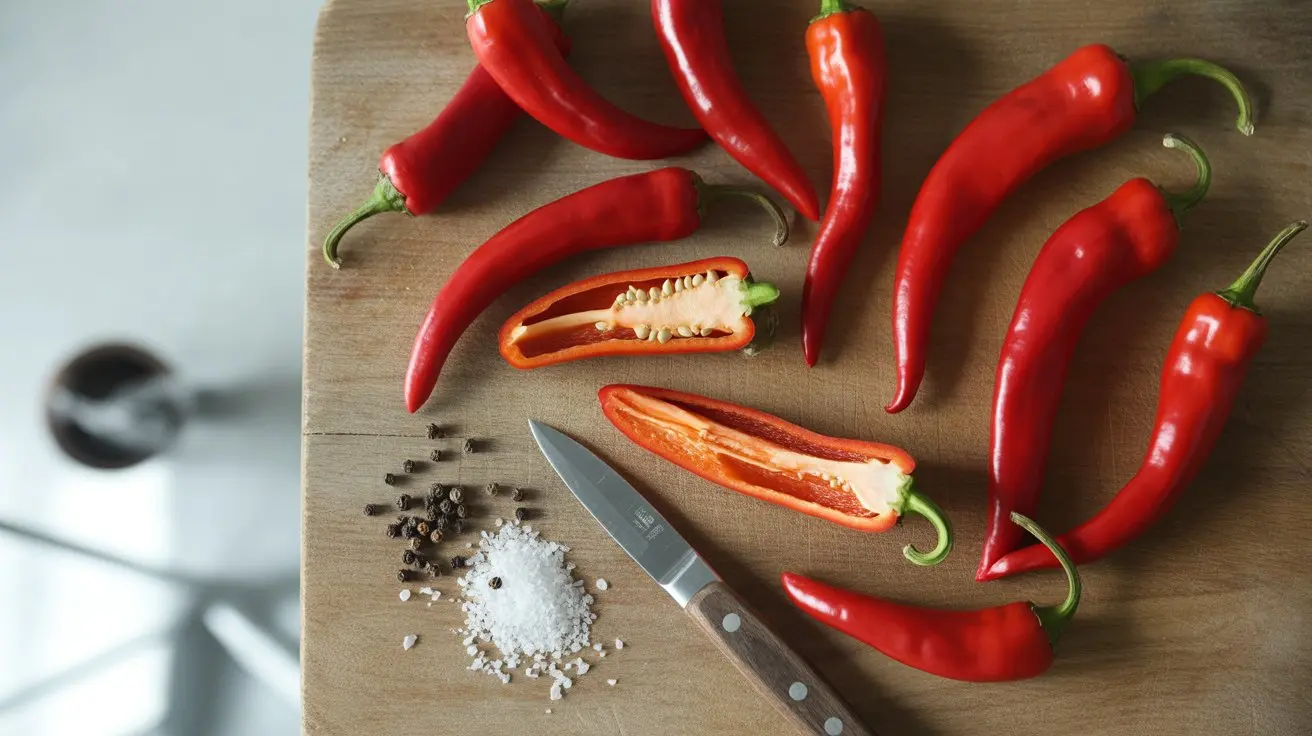
De Arbol

De Arbol delivers 15,000-30,000 SHU of clean, building heat with a distinctly smoky, nutty backbone that sets it apart from most dried chilies. A staple of Mexican pepper traditions, this slender red pod punches roughly 6x hotter than tabasco while remaining genuinely useful in the kitchen. It dries beautifully, holds its heat, and forms the backbone of countless salsas and sauces.
- Species: C. annuum
- Heat tier: Hot (10K–100K SHU)
- Comparison: 6x hotter than a jalapeño
What is De Arbol?
The first time a de arbol found its way into my kitchen, I mistook it for a decorative dried chili. Slim, lacquer-red, barely three inches long — it looked ornamental. Then I bit into one and understood why Mexican cooks have been reaching for this pepper for centuries.
At 15,000-30,000 SHU, de arbol sits firmly in the hot pepper range — serious heat that builds steadily rather than ambushing you. The burn is clean and linear, spreading across the tongue without the fruity distraction of a habanero or the grassy edge of a fresh serrano. What makes de arbol genuinely special is the flavor underneath that heat: toasted nuts, dried wood smoke, and a faint earthiness that deepens when the pods are briefly dry-toasted in a skillet.
Botanically, de arbol belongs to Capsicum annuum — the same broad species as bell peppers and jalapeños — though its heat profile feels nothing like either. The name translates roughly to "tree chili" in Spanish, a nod to the woody, tree-like stem that stays rigid even as the pod dries. Pods mature from green to bright red and remain structurally intact through drying, which makes them excellent for long storage.
Compared to the fruity Peruvian heat of aji amarillo, de arbol is drier, smokier, and more assertive. It rewards patience — toast it too long and it turns bitter, but treat it right and it delivers a complexity that dried ancho or guajillo simply cannot.
History & Origin of De Arbol
De arbol traces its roots to central Mexico, where it has been cultivated for centuries across the states of Jalisco, Nayarit, and Oaxaca. Pre-Columbian communities used it both fresh and dried, and the pepper became deeply embedded in regional cooking long before Spanish contact.
The pepper's Spanish name — "chili de arbol" or "tree chili" — likely emerged during the colonial period, referencing the unusually stiff, woody stem that distinguishes it visually from other dried chilies. By the 19th century, it had become a commercial crop in western Mexico, traded dried in large quantities.
Today it remains one of Mexico's most exported dried chilies, appearing in everything from artisan hot sauces to industrial spice blends. Its long shelf life and consistent heat made it a practical choice for trade routes, and that practicality still drives its global presence in Latin grocery stores and specialty spice shops worldwide.
How Hot is De Arbol? Heat Level & Flavor
The De Arbol delivers 15K–30K Scoville Heat Units, placing it in the Hot tier (10K–100K SHU). That makes it roughly 6x hotter than a jalapeño.
Flavor notes: smoky and nutty.
De Arbol Nutrition Facts & Health Benefits
Like most dried chilies, de arbol is used in small quantities, so per-serving nutrition is modest. A 5g serving (roughly 3-4 dried pods) provides approximately 15-18 calories, with trace amounts of fat and protein. The real nutritional story is capsaicin — the compound responsible for de arbol's heat — which has been studied for its anti-inflammatory properties and metabolism effects.
Dried de arbol is a concentrated source of vitamin A (as beta-carotene) and vitamin C, though heat processing reduces the latter. It also provides small amounts of iron and potassium. The heat trigger behind capsaicin's burn activates TRPV1 receptors, which is why the sensation feels like actual heat rather than a flavor.
Best Ways to Cook with De Arbol Peppers
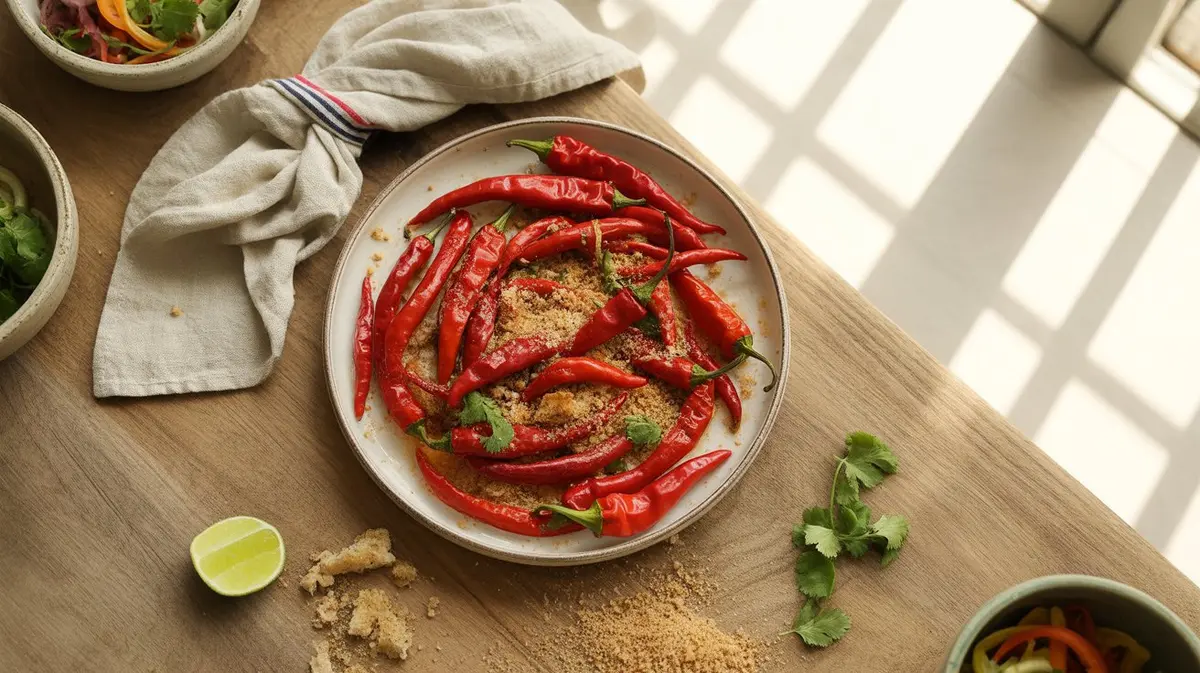
De arbol is one of those peppers that rewards a little technique. Dry-toasting the pods in a hot skillet for 20-30 seconds per side — just until fragrant — unlocks the nutty, smoky notes that define the variety. Push past that window and bitterness creeps in fast.
The classic application is salsa de arbol: toasted pods rehydrated in hot water, blended with tomatoes, garlic, and a splash of apple cider vinegar. The result is a table salsa with real heat and depth, nothing like the watery commercial versions. For those interested in stir-fry applications, de arbol works surprisingly well — toss whole dried pods into hot oil before adding aromatics, pulling them out before serving if guests are heat-sensitive.
In mole and enchilada sauces, de arbol adds heat without muddying the flavor base. It pairs naturally with peppers built for smoking applications, and blending dried de arbol with ancho or mulato creates a layered sauce with both heat and body.
Ground de arbol powder substitutes for cayenne in most applications, though the flavor is noticeably more complex. A rough ratio: 1 teaspoon de arbol powder for every 3/4 teaspoon cayenne when you want more nuance. The thin-walled dried heat of japones is the closest substitute if de arbol is unavailable.
Where to Buy De Arbol & How to Store
De arbol is widely available dried in Latin grocery stores, often sold loose by weight or in small cellophane bags. Look for pods that are bright red to deep crimson, pliable but not moist, with no visible mold or off odors. Brittle, nearly black pods are past their prime — the heat lingers but the flavor fades.
Store dried pods in an airtight container away from light and heat. A cool pantry works fine; the freezer extends shelf life to 2+ years without flavor loss. Ground de arbol powder should be replaced every 6-12 months as the volatile compounds responsible for that smoky, nutty character dissipate faster than whole pods.
Best De Arbol Substitutes & Alternatives
Whether you ran out of de arbol or just want to try something different, these peppers make solid stand-ins. We picked them based on heat range, flavor overlap, and how well they actually work in the same dishes.
Our top pick: Lemon Drop (15K–30K SHU). The heat level is close enough for a direct swap in salsas, sauces, and stir-fries. Flavor leans citrusy and bright, so the taste will shift a bit — but the overall heat stays in the same range.
How to Grow De Arbol Peppers
De arbol is a reliable producer once established, though it demands heat to perform. Start seeds indoors 8-10 weeks before last frost — germination runs 10-14 days at soil temperatures around 80-85°F. The plants grow noticeably upright and bushy, reaching 3-4 feet tall, with that characteristic woody stem structure visible even in young plants.
Transplant outdoors only after nighttime temps stay consistently above 55°F. De arbol needs full sun and well-drained soil; waterlogged roots stall growth quickly. Spacing at 18 inches gives each plant room to branch without crowding.
Pods mature from green to bright red in 80-90 days from transplant. The plants set fruit prolifically — a single established plant can carry dozens of pods simultaneously. For drying, harvest when fully red and hang in small bunches in a warm, dry space with good airflow. The pods dry naturally within 2-3 weeks and retain heat and flavor for up to a year.
Anyone curious about how de arbol compares to other varieties worth growing should check the step-by-step growing walkthrough. Those familiar with the cultivation characteristics of the lemon drop will find de arbol somewhat easier to manage — it is less fussy about humidity and more forgiving of inconsistent watering.
Frequently Asked Questions
-
De arbol registers 15,000-30,000 SHU, which puts it roughly 6 times hotter than tabasco sauce at its upper range. The burn style also differs — de arbol builds more slowly and lingers longer than the sharp, vinegary spike of tabasco.
-
Fresh de arbol pods are edible but rarely found outside of growing regions in Mexico — they are almost universally sold and used dried. The drying process concentrates the smoky, nutty flavor compounds that make the pepper worth seeking out in the first place.
-
Keep the skillet at medium heat and toast for no more than 20-30 seconds per side, watching for the moment the aroma shifts from raw to nutty. Pulling the pods immediately at that point prevents the thin skin from scorching, which is the primary cause of bitterness.
-
They overlap in heat range — both fall in the 15,000-30,000 SHU zone — but they are distinct varieties with different flavor profiles. Cayenne is sharper and more one-dimensional, while de arbol carries that characteristic smoky, nutty depth most noticeable in dried and toasted form.
-
On the Scoville unit scale, de arbol at 15,000-30,000 SHU sits in the middle of the hot tier — well above jalapeño but far below superhots like Carolina Reaper. It occupies similar territory to the assertive thin-walled heat of thai chili, though de arbol's dried form gives it a smokier, more complex character.
- Chile Pepper Institute - New Mexico State University
- USDA Agricultural Research Service - Capsicum Varieties
- Bernal, R. et al. - Traditional Uses of Chili Peppers in Mexico
Species classification: C. annuum — based on published botanical taxonomy.