
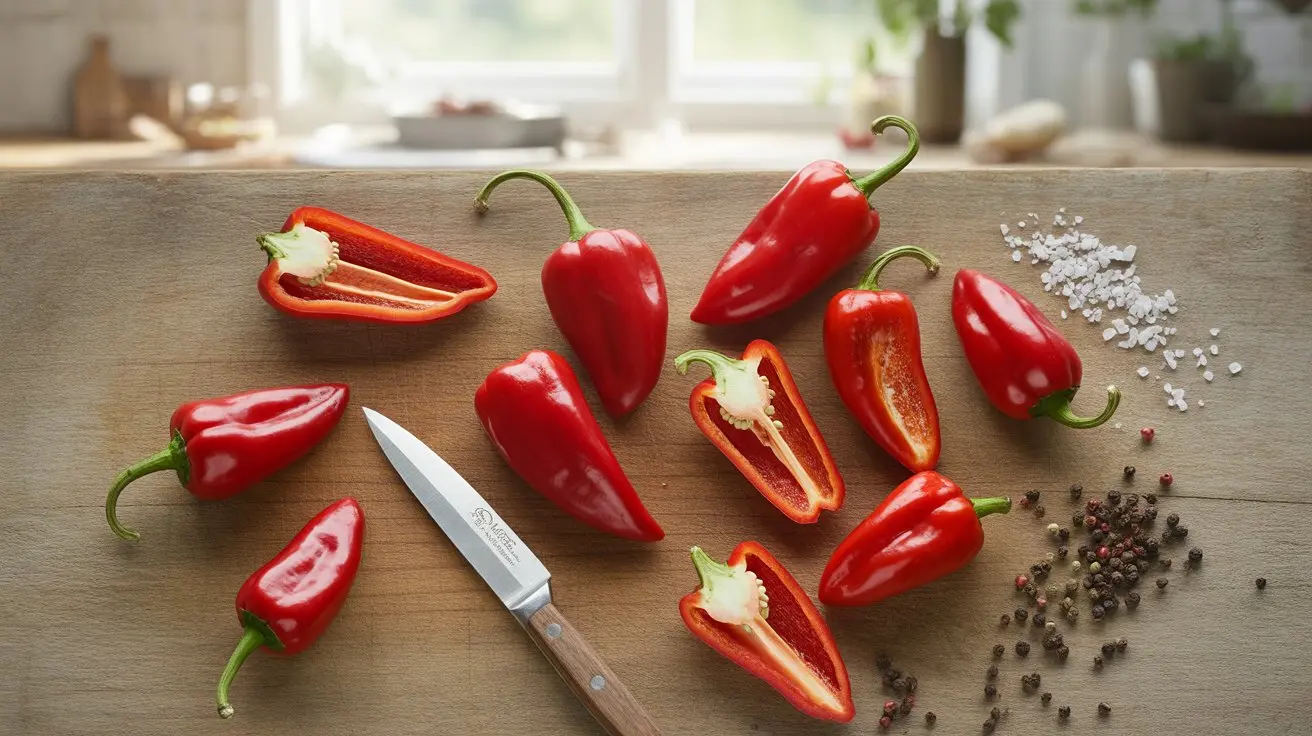
Cherry Bomb Pepper

The cherry bomb pepper is a round, apple-sized Capsicum annuum from the USA that sits at 2,500-5,000 SHU — roughly on par with a mid-range jalapeño's familiar medium burn. Its thick walls and sweet, mild heat make it the go-to choice for stuffing, pickling, and fresh eating. If you want accessible heat with real flavor, this is it.
- Species: Capsicum annuum
- Heat tier: Medium (1K–10K SHU)
What is Cherry Bomb Pepper?
Round, glossy, and about the size of a golf ball, the cherry bomb pepper delivers a flavor-forward experience that its modest 2,500-5,000 SHU range only begins to describe. The heat is mild enough to let the natural sweetness come through clearly — you get warmth without the fire drowning out everything else.
Thick flesh is the defining physical trait here. The walls are meaty and substantial, which makes cherry bombs ideal for stuffing with cheese, sausage, or breadcrumb mixtures. They hold their shape beautifully under heat, whether roasted whole, grilled on skewers, or baked in a casserole.
Color progression runs from bright green to deep red as the peppers ripen, with the red stage offering peak sweetness and the most balanced heat. Green cherry bombs are more vegetal and slightly sharper — some cooks prefer them pickled at this stage for a brighter, more acidic result.
As a Capsicum annuum, the cherry bomb shares its species with bell peppers, paprika, and the smoky depth of dried chipotle. That shared lineage shows up in the flavor: there's a familiar sweetness underneath the heat that makes this pepper approachable for people who shy away from spicier varieties.
Grown widely across the continental United States, cherry bombs thrive in home gardens and produce reliably heavy crops through the summer season.
History & Origin of Cherry Bomb Pepper
The cherry bomb pepper is an American-bred variety developed specifically for the home garden and commercial pickling market. Unlike many peppers with roots stretching back centuries to Mexico or South America, this one is a relatively modern cultivar — bred for consistent round shape, thick walls, and predictable mid-range heat.
Its development reflects a broader 20th-century trend in American horticulture: taking the heat and flavor complexity of traditional hot peppers and packaging them into a form that's easier to grow, harvest, and process at scale. The round shape and sturdy flesh made cherry bombs a natural fit for the jarred pepper industry.
Today the variety is widely available from seed suppliers across the country and remains one of the most popular choices for home gardeners who want a productive, practical pepper with accessible heat. It sits comfortably in the same medium heat SHU band as many beloved everyday peppers.
How Hot is Cherry Bomb Pepper? Heat Level & Flavor
The Cherry Bomb Pepper delivers 3K–5K Scoville Heat Units, placing it in the Medium tier (1K–10K SHU).
Flavor notes: mild and sweet.
Cherry Bomb Pepper Nutrition Facts & Health Benefits
A 100g serving of fresh cherry bomb pepper contains roughly 30-40 calories, with the majority coming from natural sugars that contribute to the pepper's characteristic sweetness. Red-ripe peppers deliver significantly more vitamin C than green ones — often exceeding 100mg per 100g, which covers more than the daily recommended intake.
Cherry bombs also provide vitamin A (as beta-carotene), vitamin B6, and small amounts of potassium and folate. The capsaicin content, while modest given the 2,500-5,000 SHU range, still contributes to the metabolic effects associated with how capsaicin affects the body's heat response. Fiber content is moderate at roughly 1.5g per 100g.
Best Ways to Cook with Cherry Bomb Peppers
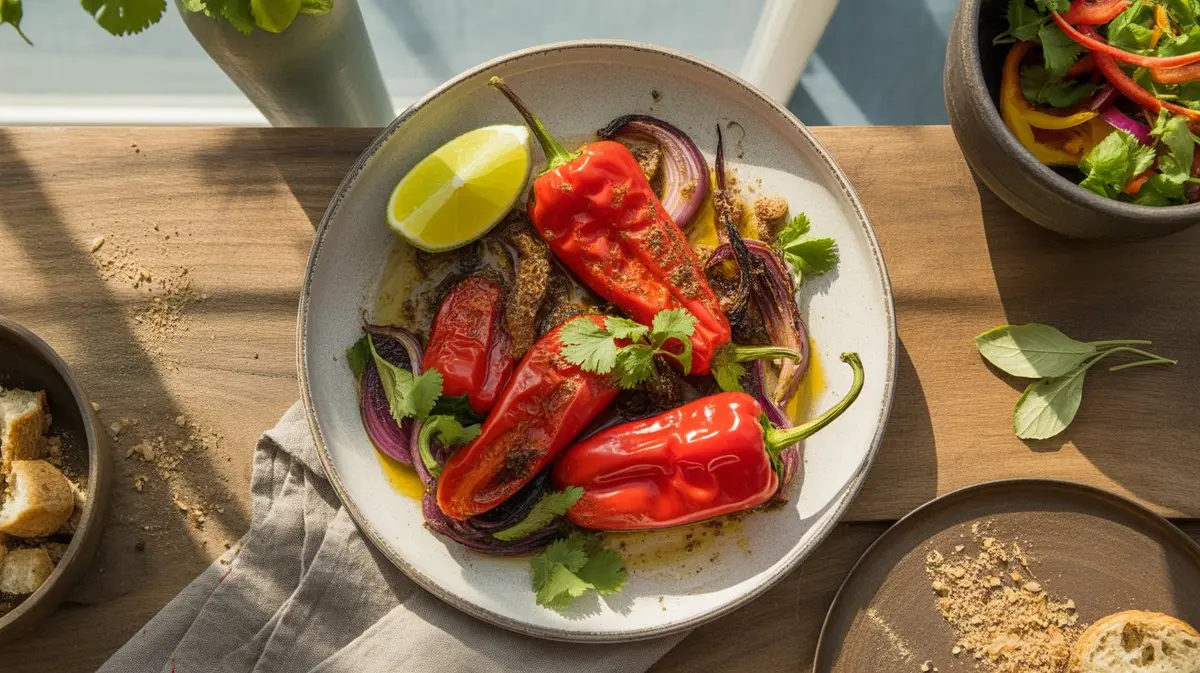
Cherry bombs are arguably the best stuffing pepper below the hot tier. The cavity is generous, the walls thick enough to hold fillings without collapsing, and the mild sweetness complements almost anything you put inside — cream cheese and herbs, Italian sausage, or a rice-and-feta mixture all work beautifully.
Pickling is the other major application. Whole pickled cherry bombs in vinegar brine are a classic Italian-American antipasto staple, and the thick flesh means they stay firm even after months in the jar. Slice them into rings for sandwiches and pizza, or serve them whole alongside cured meats.
For fresh applications, the pepper's round shape makes it a natural for slicing into rings for salads or charring whole on a grill. The skin blisters nicely over direct flame, and roasted cherry bombs develop a deeper, almost fruity sweetness.
Compared to Fresno's sharper, brighter heat profile, cherry bombs are notably sweeter and more rounded in flavor. They also pair well alongside the earthy, mild warmth of dried guajillo in cooked sauces where you want layered heat without single-note spiciness.
For heat chemistry behind why the warmth builds gradually in thick-walled peppers, capsaicin's interaction with pain receptors explains the mechanism well.
Where to Buy Cherry Bomb Pepper & How to Store
Fresh cherry bombs show up at farmers markets and specialty grocers in summer through early fall. Look for firm, glossy skin with no soft spots — the weight should feel substantial relative to the size, indicating thick, meaty walls.
Store unwashed fresh peppers in the refrigerator crisper drawer for up to 2 weeks. For longer storage, roast and freeze them whole or in halves; they hold well for 6 months frozen.
Jarred pickled cherry bombs are available year-round at most Italian delis and many grocery stores. Once opened, keep refrigerated and use within 2-3 months for best texture. Seeds are widely available from major suppliers if you want to grow your own.
Best Cherry Bomb Pepper Substitutes & Alternatives
Whether you ran out of cherry bomb pepper or just want to try something different, these peppers make solid stand-ins. We picked them based on heat range, flavor overlap, and how well they actually work in the same dishes.
Our top pick: Mirasol Pepper (3K–5K SHU). The heat level is close enough for a direct swap in salsas, sauces, and stir-fries. Flavor leans fruity and bright, so the taste will shift a bit — but the overall heat stays in the same range.
How to Grow Cherry Bomb Peppers
Cherry bombs are among the more forgiving hot peppers to grow — compact plants, reliable fruit set, and good disease resistance make them a solid choice for gardeners at any experience level.
Start seeds indoors 8-10 weeks before the last frost date. Germination happens best at soil temperatures around 75-85°F, so bottom heat helps considerably. Transplant outdoors once nighttime temperatures stay consistently above 55°F.
Plants stay relatively compact, typically reaching 18-24 inches tall, which makes them suitable for container growing as well as garden beds. Space transplants 18 inches apart to allow good airflow — cherry bombs are dense enough that crowded plants can develop fungal issues in humid conditions.
If your plants are showing unusual leaf symptoms, guidance on pepper leaves curling covers the most common causes. And if your plants are growing well but not setting fruit, troubleshooting a pepper plant not fruiting walks through the likely culprits including temperature extremes and pollination gaps.
Full sun is non-negotiable — aim for 6-8 hours daily. Consistent moisture produces the thickest walls; let the soil dry out too much and you'll get thinner flesh and less weight per fruit. Fruits mature from green to red in approximately 75-80 days from transplant.
Frequently Asked Questions
-
At 2,500-5,000 SHU, the cherry bomb sits in roughly the same heat range as a mid-level jalapeño, which tops out around 8,000 SHU. In practice, cherry bombs often taste milder because their thick, sweet flesh balances the heat more effectively than a jalapeño's thinner walls.
-
Yes — raw cherry bombs are crisp, mildly sweet, and perfectly approachable for most people who can handle any heat at all. They're particularly good sliced into rings for salads or served on antipasto boards alongside olives and cured meats.
-
A simple white vinegar brine with garlic, salt, and a pinch of sugar works well — pack whole peppers into sterilized jars and process in a water bath for 10 minutes for shelf-stable results. The thick walls stay firm through the pickling process, which is one of the main reasons this variety became a pickling staple.
-
From transplant, expect roughly 75-80 days to reach full red ripeness. You can harvest them green earlier, but the sweetness and heat balance improve significantly as they turn red.
-
They're one of the best stuffing peppers available — the round shape creates a natural bowl, and the thick walls hold up to baking without turning mushy. Cream cheese, sausage, and breadcrumb fillings are all common, and the mild heat complements rather than overwhelms most stuffing ingredients.
- Chile Pepper Institute - Capsicum annuum Overview
- Scoville Scale Reference - NMSU Chile Pepper Institute
- University of California Cooperative Extension - Growing Peppers
- USDA FoodData Central - Sweet Peppers Nutritional Data
Species classification: Capsicum annuum — based on published botanical taxonomy.