Bhut Jolokia Chocolate

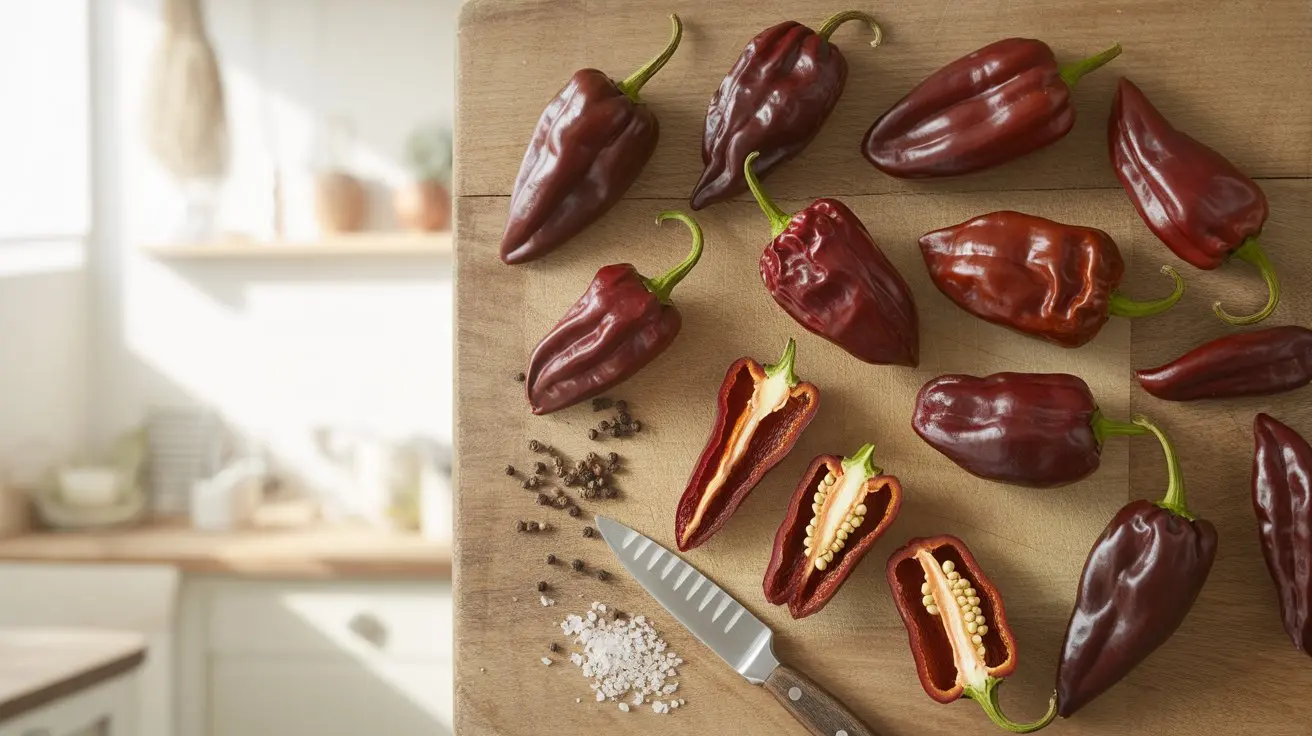
The Bhut Jolokia Chocolate is a dark, wrinkled variant of the original ghost pepper, registering 800,000–1,001,304 SHU. Grown in northeastern India, it carries the same scorching heat as its red sibling but with a distinctly smoky, fruity depth that makes it a favorite among growers and hot sauce makers. Expect serious burn — this pepper sits firmly in super-hot territory.
- Species: C. chinense
- Heat tier: Super-Hot (1M+ SHU)
- Comparison: 200x hotter than a jalapeño
What is Bhut Jolokia Chocolate?
Few peppers stop a garden visitor in their tracks quite like the Bhut Jolokia Chocolate. The pods ripen from green to a deep chocolate-brown, heavily wrinkled and slightly elongated — visually striking in a way that signals danger before you even touch one.
Heat tops out around 1,001,304 SHU, though most pods land between 800,000 and 950,000 SHU depending on growing conditions. That puts it roughly half the heat of the Carolina Reaper's record-breaking burn, but still far beyond what most people consider manageable without preparation.
What separates this variety from the standard red ghost is flavor. The chocolate phenotype develops noticeably more smoky, earthy tones alongside the fruity top notes — a combination that makes it genuinely interesting to cook with, not just painful. The classic ghost pepper's raw sensory profile skews fruitier and sharper; the chocolate version mellows that edge with something almost cocoa-adjacent.
This is a C. chinense species pepper, sharing genetics with habaneros and Scotch bonnets but operating at a completely different heat tier. It belongs to the broader northeastern Indian pepper tradition, where the original ghost pepper was weaponized — literally — before becoming a global chili phenomenon.
For growers, the appeal is real: a visually dramatic plant with pods that photograph beautifully and taste complex enough to justify the grow.
History & Origin of Bhut Jolokia Chocolate
The ghost pepper lineage traces back to the Assam, Nagaland, and Manipur regions of northeastern India, where C. chinense peppers had been cultivated for centuries before Western researchers took notice. The chocolate variant emerged as a naturally occurring phenotype within that population — a color morph rather than a hybrid.
In 2007, the original Bhut Jolokia claimed the Guinness World Record for hottest pepper, a title it held until the Trinidad Moruga Scorpion's verified heat levels surpassed it in 2012. The chocolate variant was never separately record-certified but gained recognition among specialty growers throughout the 2010s.
Local communities in Assam had long used ghost peppers medicinally and as a cooking ingredient. The broader Indian pepper heritage that produced this variety reflects centuries of agricultural selection for heat, not mild snacking.
How Hot is Bhut Jolokia Chocolate? Heat Level & Flavor
The Bhut Jolokia Chocolate delivers 800K–1M Scoville Heat Units, placing it in the Super-Hot tier (1M+ SHU). That makes it roughly 200x hotter than a jalapeño.
Flavor notes: smoky and fruity.
Bhut Jolokia Chocolate Nutrition Facts & Health Benefits
Like all C. chinense super-hots, the Bhut Jolokia Chocolate delivers significant capsaicin concentration — the compound responsible for both the heat and documented metabolic effects. Capsaicin binds to TRPV1 receptors; understanding the receptor science behind why peppers burn explains why dairy fat (not water) provides relief.
Fresh pods contain vitamin C in meaningful amounts, along with vitamin A precursors and antioxidants. Caloric content is negligible. Dried powder retains most micronutrients but concentrates capsaicin further. A pinch of this powder in a dish adds heat without adding measurable calories.
Best Ways to Cook with Bhut Jolokia Chocolate Peppers
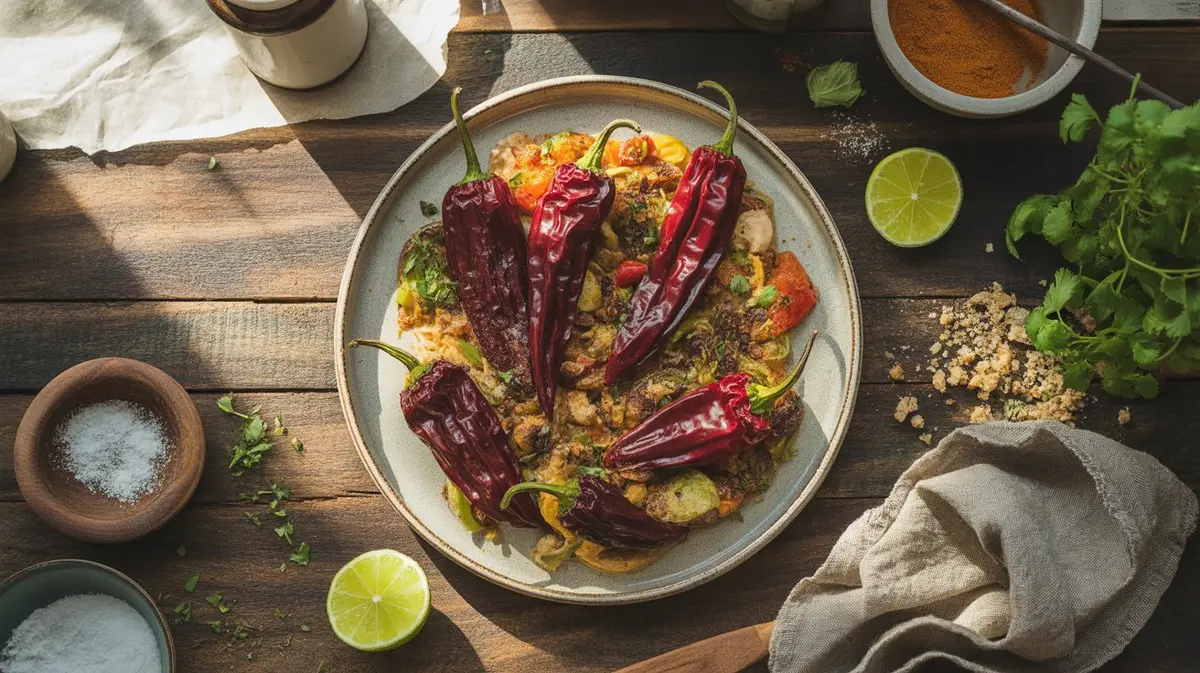
Chocolate Bhut Jolokia Mole is the obvious starting point — the smoky earthiness of these pods integrates naturally into a slow-cooked mole sauce in a way that red ghost peppers simply don't. Use one small dried pod per batch; that's enough.
Drying intensifies both the heat and the smoky character. Smoke-dried and ground into powder, this pepper becomes a serious all-purpose heat additive with real flavor depth. Add it to dry rubs for brisket or pork shoulder where the cocoa-adjacent notes actually complement the meat.
Fermented hot sauces are another strong application. The fruity top notes survive lacto-fermentation well, and the resulting sauce has complexity that single-note super-hots lack. If you're exploring how to cook with dried peppers, roasting the pods first before grinding amplifies the smokiness considerably.
For comparison, the yellow variant's culinary applications skew brighter and more citrusy — useful context if you're deciding which to grow for a specific dish.
Always wear nitrile gloves when handling. Capsaicin transfers to surfaces, cutting boards, and eyes with alarming efficiency at this heat level.
Where to Buy Bhut Jolokia Chocolate & How to Store
Fresh Bhut Jolokia Chocolate pods appear occasionally at specialty grocers and farmers markets from August through October in North American growing regions. Online retailers like [Pepper Joe's](https://www.pepperjoe.com) and specialty hot pepper farms ship fresh pods seasonally.
Refrigerate fresh pods in a paper bag for up to one week. For longer storage, freeze whole pods — they retain heat and most flavor compounds well. Dried pods or powder keep 12–18 months in an airtight container away from light. Buy seeds from reputable sources to ensure true chocolate phenotype, not a mislabeled red variety.
Best Bhut Jolokia Chocolate Substitutes & Alternatives
Whether you ran out of bhut jolokia chocolate or just want to try something different, these peppers make solid stand-ins. We picked them based on heat range, flavor overlap, and how well they actually work in the same dishes.
Our top pick: Bhut Jolokia Yellow (800K–1M SHU). Same species (C. chinense) and nearly the same heat, so it swaps in at a 1:1 ratio without changing the character of the dish. The flavor leans fruity and citrusy, which is close enough that most people won’t notice the difference in a cooked recipe.
How to Grow Bhut Jolokia Chocolate Peppers
Starting seeds 8–10 weeks before last frost is non-negotiable for this variety. Germination requires soil temps of 80–85°F — a heat mat under your seed tray isn't optional, it's the difference between 14-day sprouts and nothing.
For a complete walkthrough on timing and technique, the ghost pepper growing guide covers soil prep and transplant timing that applies directly to chocolate bhut varieties. The step-by-step germination process for C. chinense peppers is also worth reading before you start.
Transplant into containers no smaller than 5 gallons, or directly into raised beds with well-draining, slightly acidic soil (pH 6.0–6.8). These plants get large — expect 3–4 feet tall in a good season.
Full sun is mandatory: 8+ hours daily. Stress from inconsistent watering actually increases capsaicin production, but deliberate drought stress risks pod drop. Keep moisture consistent, then back off slightly during pod ripening.
Pods take 150–180 days from transplant to full chocolate ripeness. Don't rush harvest — green pods lack the flavor depth that makes this variety worth growing. The 7 Pot Red Giant's visually bold pod structure ripens on a similar timeline if you want a comparison point.
Fertilize with a low-nitrogen formula once flowering begins. Too much nitrogen pushes leafy growth at the expense of pods.
Frequently Asked Questions
-
The Bhut Jolokia Chocolate peaks around 1,001,304 SHU, while the Carolina Reaper's certified extreme heat averages above 1,641,183 SHU — making the Reaper roughly 60–70% hotter. Both are firmly in super-hot territory, but the chocolate bhut is more approachable for experienced heat enthusiasts.
-
The chocolate phenotype is a color morph of the same species, but it develops noticeably smokier, earthier flavor notes alongside the fruity heat. The classic ghost pepper's sensory profile is sharper and fruitier; the chocolate version has a depth that makes it more interesting in cooked applications.
-
Expect 150–180 days from transplant to full chocolate-brown ripeness — one of the longer maturation timelines in the super-hot category. Starting seeds indoors 8–10 weeks before last frost is essential to get a full season's growth in temperate climates.
-
Yes, but the container needs to be at least 5 gallons — these plants reach 3–4 feet tall and need root room to produce well. Use a well-draining mix, place the container in full sun, and fertilize with a low-nitrogen formula once the plant starts flowering.
-
Several close relatives make interesting companions in the garden. The white bhut variant's regional cultural roots and similar heat range pair well with the chocolate for side-by-side comparison, while the Nagabon's cultivation characteristics — similar heat, slightly different pod structure — offer another option in the same SHU range.
- Bhut Jolokia: The World's Hottest Chile Pepper — Chile Pepper Institute, NMSU
- Characterization of Capsicum chinense Jacq. (Solanaceae) from Northeast India
- Guinness World Records — Hottest Chilli
Species classification: C. chinense — based on published botanical taxonomy.