Bedfordshire Super Naga

The Bedfordshire Super Naga is a British-bred C. chinense that registers 1,000,000–1,400,000 SHU — roughly 280 times hotter than a jalapeño and significantly above most habaneros. Developed in England, it delivers an intensely fruity heat in a deeply wrinkled pod. It sits firmly in the super-hot tier and demands serious respect from anyone handling it.
- Species: C. chinense
- Heat tier: Super-Hot (1M+ SHU)
- Comparison: 280x hotter than a jalapeño
What is Bedfordshire Super Naga?
Bred in Bedfordshire, England, this pepper emerged from the same wave of British super-hot development that produced the Dorset Naga's distinctive aroma and scorching build in the early 2000s. The Bedfordshire Super Naga belongs to Capsicum chinense — the species responsible for most of the world's extreme heat — and it earns its place at the top of that spectrum.
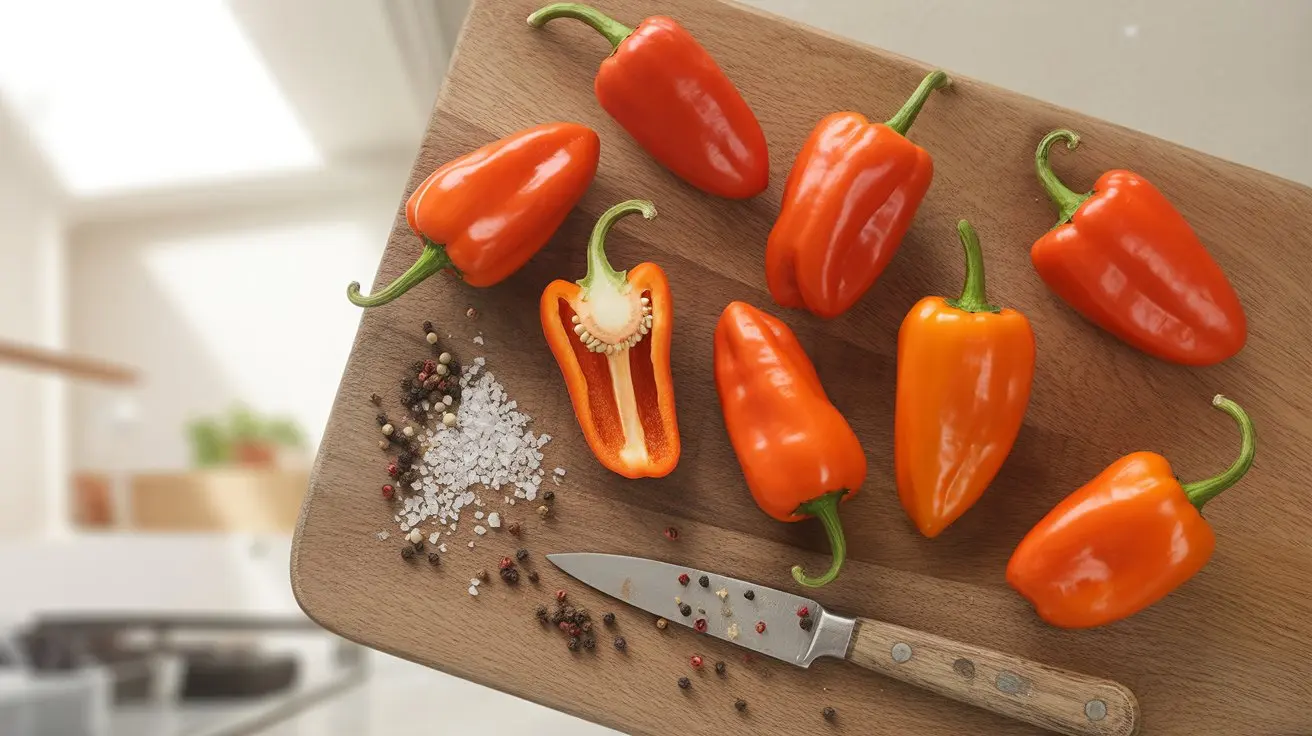
Pods are small-to-medium, heavily wrinkled, and ripen from green through orange to a deep red. That crinkled exterior is more than cosmetic; the surface area concentrates volatile aromatic compounds that give the pepper its signature fruity nose before the heat arrives.
At 1,000,000–1,400,000 SHU, it overlaps with some of the most notorious peppers on the planet. For context, a standard habanero tops out around 350,000 SHU — the Bedfordshire Super Naga runs four times hotter at its peak. The botanical family it belongs to includes habaneros, Scotch bonnets, and ghost peppers, all sharing that characteristic delayed-onset burn that builds slowly and lingers.
The flavor underneath the fire is genuinely fruity — tropical, almost floral — which makes it appealing for hot sauces where complexity matters. But that fruit character is only accessible when the pepper is used in controlled quantities. At full strength, the capsaicin load overwhelms everything else.
History & Origin of Bedfordshire Super Naga
The Bedfordshire Super Naga is part of a broader British tradition of developing extreme C. chinense varieties, a movement that gained momentum in the early 2000s when UK growers began crossbreeding Naga Morich and Bhut Jolokia lines with locally adapted stock.
Britain's South Asian diaspora played a significant role in this history — Naga peppers had long been used in Bangladeshi and Sylheti cooking, and that culinary tradition crossed the Atlantic with immigrant communities. British growers then pushed those genetics further, selecting for higher capsaicin content and adaptability to cooler, shorter growing seasons.
The result was a cluster of British super-hots, including this variety, that sit alongside the regional pepper tradition developed over several decades. The Bedfordshire Super Naga represents the intersection of South Asian culinary heritage and British horticultural ambition.
How Hot is Bedfordshire Super Naga? Heat Level & Flavor
The Bedfordshire Super Naga delivers 1M–1.4M Scoville Heat Units, placing it in the Super-Hot tier (1M+ SHU). That makes it roughly 280x hotter than a jalapeño.
Flavor notes: intensely fruity.
Bedfordshire Super Naga Nutrition Facts & Health Benefits
Like all C. chinense super-hots, the Bedfordshire Super Naga delivers meaningful nutrition in small amounts. Capsaicin — the compound behind its 1,000,000–1,400,000 SHU — has been studied for metabolic and anti-inflammatory effects, with the chemistry behind capsaicin's burn mechanism well documented in peer-reviewed literature.
A single fresh pod provides vitamin C levels exceeding daily requirements, along with vitamin A, potassium, and dietary fiber. The intense heat means portions are tiny, so nutritional contribution per serving is modest — but the capsaicin itself has documented thermogenic properties that support metabolism at regular consumption.
Best Ways to Cook with Bedfordshire Super Naga Peppers
At this heat level, the Bedfordshire Super Naga functions as an ingredient measured in fractions, not whole pods. A single pepper can flavor 2–4 liters of hot sauce, depending on the base and your target heat level.
The fruity character shines best in fermented preparations. Adding a quarter-pod to a fermented pepper mash lets the lactobacillus activity mellow the raw capsaicin edge while preserving the tropical aromatics. The result is a complex, deeply fruity heat that works well in vinegar-based sauces and marinades.
For cooking applications, the pepper performs well in slow-cooked curries and stews where the heat distributes through the dish. Compare its approach to the gnarly, slow-burning fruit notes of the 7 Pot Primo's culinary applications — both reward patience and dilution.
Dried and powdered, a pinch goes into spice blends, dry rubs, or chocolate-based desserts where a slow-building heat is the goal. Always wear gloves during prep. Cross-contamination from cut pods to eyes or mucous membranes causes serious discomfort that no amount of water will fix — capsaicin is oil-soluble, so dairy or oil-based rinses work better.
Where to Buy Bedfordshire Super Naga & How to Store
Fresh Bedfordshire Super Naga pods appear at specialist UK chili markets and online retailers primarily in late summer through autumn — August to October reflects the typical harvest window. Year-round availability comes through dried pods, powder, and seeds from dedicated hot pepper vendors.
Store fresh pods in the refrigerator in a paper bag for up to two weeks. For longer storage, freeze whole pods without blanching — they retain heat and flavor well for 12 months. Dried pods keep indefinitely in an airtight container away from light. Seeds for growing are available from UK-based chili seed specialists and ship internationally.
Best Bedfordshire Super Naga Substitutes & Alternatives
Whether you ran out of bedfordshire super naga or just want to try something different, these peppers make solid stand-ins. We picked them based on heat range, flavor overlap, and how well they actually work in the same dishes.
Our top pick: Naga Viper (1.3M–1.4M SHU). Same species (C. chinense) and nearly the same heat, so it swaps in at a 1:1 ratio without changing the character of the dish. The flavor leans fruity and fierce, which is close enough that most people won’t notice the difference in a cooked recipe.
How to Grow Bedfordshire Super Naga Peppers
Growing the Bedfordshire Super Naga in the UK — where it was developed — requires starting seeds 10–12 weeks before last frost, typically January or February indoors. Germination needs consistent soil temps of 28–32°C (82–90°F); a heat mat is not optional at this latitude.
Transplant into containers or raised beds once nighttime temps stay above 15°C (59°F). In British conditions, a polytunnel or greenhouse extends the season enough to get full pod development. Plants reach 60–90cm tall and benefit from staking once pods set.
Feed with a high-potassium fertilizer once flowering begins — nitrogen-heavy feeds push foliage at the expense of fruit. The cultivation characteristics of the Trinidad Scorpion Butch T are broadly similar; both demand long seasons and consistent warmth to reach maximum SHU.
Pods mature in 150–180 days from transplant, which is why early starting matters so much. Harvest when fully red for peak heat and flavor. Plants are perennial in frost-free climates — overwintering indoors is worth the effort for established specimens that fruit earlier in subsequent years.
Frequently Asked Questions
-
A standard habanero peaks around 350,000 SHU, while the Bedfordshire Super Naga reaches 1,000,000–1,400,000 SHU — roughly four times hotter at its upper range. Both share the C. chinense fruity character, but the Bedfordshire Super Naga delivers it at a scale that requires serious dilution to taste rather than just feel.
-
Yes, but success depends on starting seeds early (January–February) and using a polytunnel or greenhouse for most of the season. The variety was developed in England, so it handles cooler conditions better than many tropical super-hots, but it still needs 150–180 days to mature fully.
-
Start with one-eighth to one-quarter of a pod per large batch of sauce or curry, then taste and adjust after cooking. Fermentation also tames the raw heat while preserving the fruity aromatics, making it excellent for long-aged hot sauces.
-
Yes — it shares C. chinense genetics with both, and British breeders developed it partly from Naga Morich lines brought over through the UK's Bangladeshi community. It is not a direct cross with the Bhut Jolokia, but they occupy overlapping SHU territory.
-
It sits at the upper end of British-developed varieties, comparable in heat to the scorching fruity build of the Dorset Naga and well above most commercially available hot sauces. For an even more extreme British comparison, the Naga Viper's record-level capsaicin concentration edges slightly higher at its peak.
- Chile Pepper Institute - Capsicum Species Overview
- USDA Agricultural Research Service - Capsaicin Data
- BBC - The British Chilli Revolution
Species classification: C. chinense — based on published botanical taxonomy.