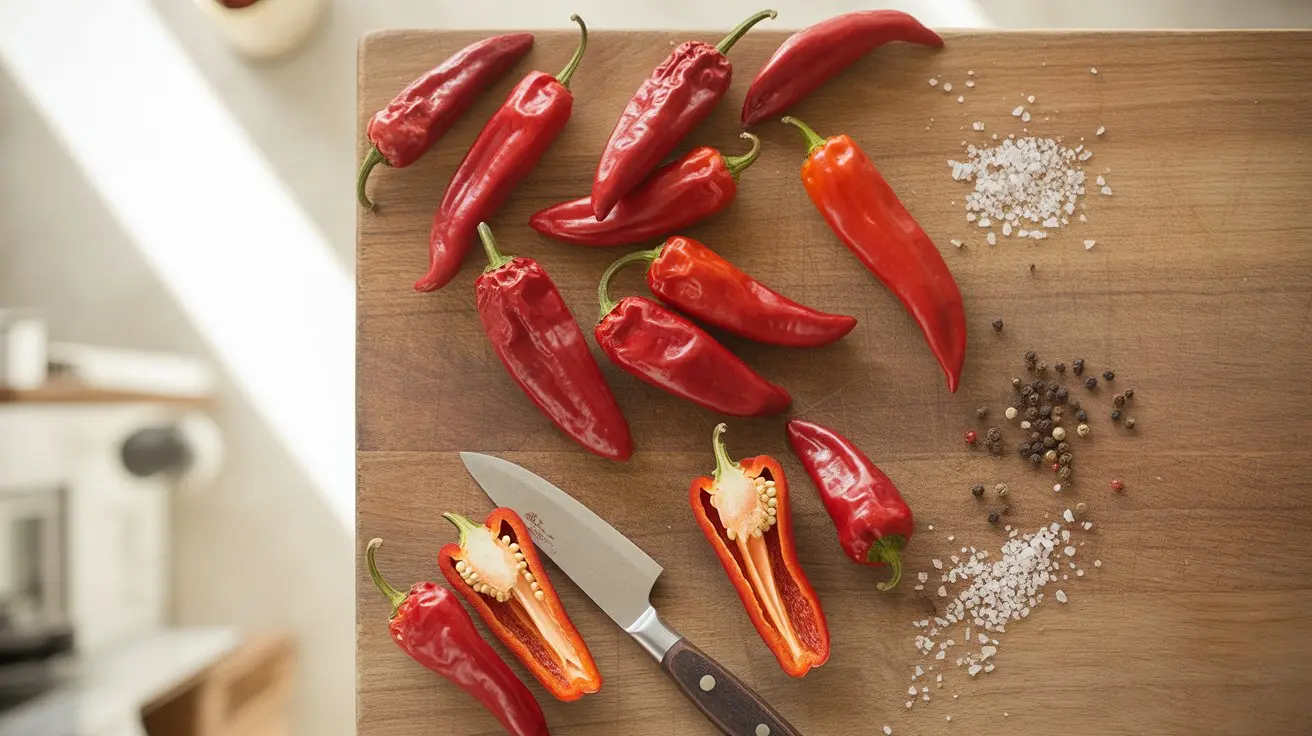
Aleppo Pepper

The Aleppo pepper is a Syrian heirloom prized more for its flavor than its fire. At 10,000–30,000 SHU, it sits in the hot pepper classification but delivers something rarer than raw heat: a complex, fruity-earthy depth with a slow, oily burn. Ground into flakes and sun-dried, it has been a cornerstone of Middle Eastern and Mediterranean cooking for centuries.
- Species: C. annuum
- Heat tier: Hot (10K–100K SHU)
- Comparison: 6x hotter than a jalapeño
What is Aleppo Pepper?
Most peppers ask you to choose between heat and flavor. The Aleppo pepper refuses that trade-off.
Named after the Syrian city of Aleppo, this C. annuum variety produces medium-sized, deep red fruits that are traditionally harvested, seeded, and slow-dried in the sun before being crushed into coarse, oily flakes. That processing step is everything — it concentrates the fruit's natural sugars while the residual seed oil keeps the flakes moist and pliable, unlike the bone-dry texture of cayenne or crushed red pepper.
At 10,000–30,000 SHU, the heat is real but measured. Roughly comparable to tart, citrus-forward 15K–30K SHU heat in terms of raw Scoville range, Aleppo reads differently on the palate — the burn arrives slowly, builds at the back of the throat, and fades without lingering aggression. The flavor underneath is what keeps cooks coming back: ripe tomato, mild raisin, a whisper of cumin, and a gentle salinity from the salt added during drying.
Because of the Syrian conflict, authentic Aleppo pepper has become harder to source. Turkish-grown versions labeled "Halaby pepper" are the most common substitute and are generally excellent, though purists note slight flavor differences. The broader Middle Eastern pepper tradition has long centered this variety as a finishing spice, and its global reputation has only grown as Western cooks discovered its versatility.
History & Origin of Aleppo Pepper
Aleppo sits at the crossroads of the ancient Silk Road, and its pepper trade reflects that history. The city was a major spice market for centuries, and Capsicum annuum varieties arrived from the Americas in the 16th century, quickly integrating into the region's existing spice culture.
By the 19th century, Aleppo pepper had become a defining ingredient in Syrian, Turkish, and Lebanese kitchens — a finishing spice used the way black pepper functions in Western cooking, but with far more personality. Armenian, Turkish, and Arab communities each developed distinct uses for it, spreading the pepper's reach across the Mediterranean and into diaspora communities worldwide.
The Syrian civil war, which began in 2011, devastated Aleppo's pepper production. Many growers relocated to southern Turkey, where the pepper is now cultivated extensively under the name Halaby pepper, preserving the tradition even as its geographic origin remains contested.
How Hot is Aleppo Pepper? Heat Level & Flavor
The Aleppo Pepper delivers 10K–30K Scoville Heat Units, placing it in the Hot tier (10K–100K SHU). That makes it roughly 6x hotter than a jalapeño.
Flavor notes: fruity and earthy.
Aleppo Pepper Nutrition Facts & Health Benefits
Like most C. annuum peppers, Aleppo delivers meaningful nutrition even in the small quantities typically used. A 1-teaspoon serving of dried flakes provides roughly 6–8 calories, trace amounts of fat (mostly from the natural seed oil retained during processing), and useful levels of vitamin A and vitamin C.
Capsaicin, the compound responsible for the heat, has been studied for anti-inflammatory and metabolic effects. The molecular structure behind capsaicin's burn is the same across all hot peppers — what varies is concentration.
Aleppo flakes also contain iron, potassium, and antioxidant carotenoids from the deep red pigment. The added salt in commercial flakes means sodium content varies by brand — check labels if that matters to you.
Best Ways to Cook with Aleppo Peppers
Aleppo flakes behave more like a finishing oil than a dry spice — the moisture content means they bloom quickly in heat without scorching, making them ideal for the last minute of a sauté.
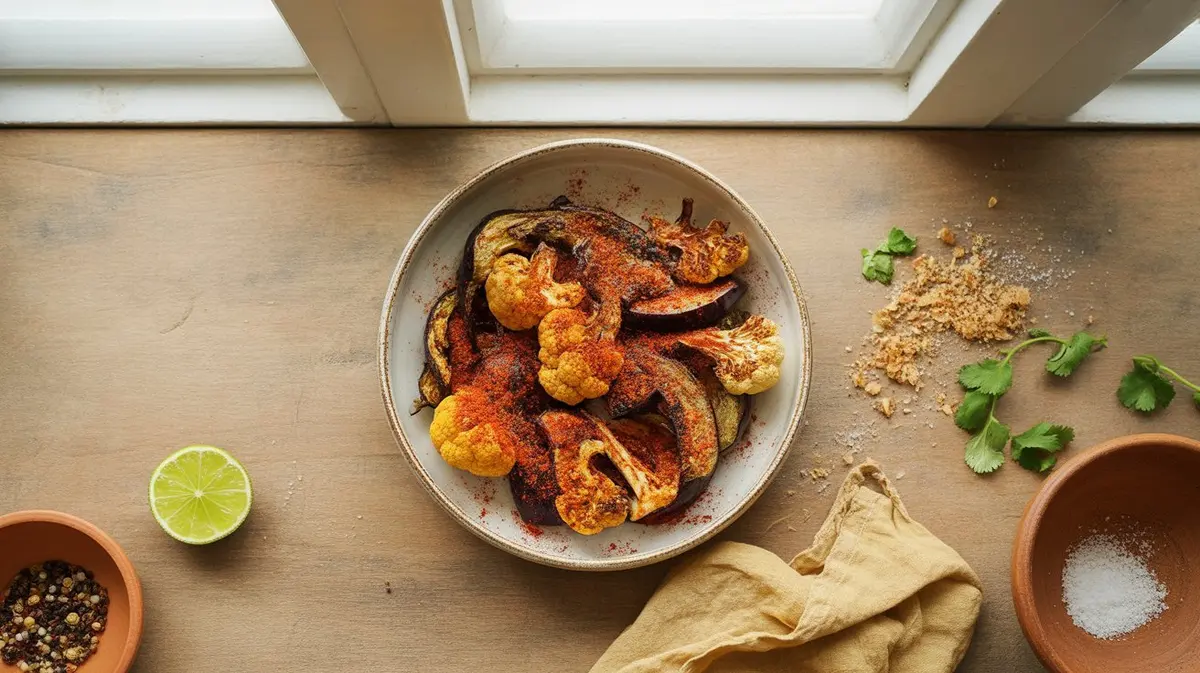
The most direct application: bloom 1–2 teaspoons of flakes in olive oil over medium heat for 30–45 seconds, then pour that infused oil directly over hummus, labneh, roasted vegetables, or grilled fish. This technique shows up across Syrian, Turkish, and Lebanese cooking and requires almost no skill to execute well.
Beyond finishing, Aleppo works as a dry rub component for lamb, chicken, and beef — the fruity depth complements red meat in ways that plain cayenne cannot. It also dissolves beautifully into tomato-based braises, adding complexity without the sharpness of thin-skinned, intensely hot Mexican dried chilies.
For baking, a pinch of Aleppo in chocolate cookies or brownies creates a slow-building warmth that most people can't identify but universally appreciate. It pairs naturally with cumin, coriander, sumac, and pomegranate molasses.
Substituting? A blend of sweet paprika (2 parts) and cayenne (1 part) approximates the heat, though you'll lose the oily texture and fruity notes. Thick-fleshed peppers with broad culinary range won't replicate the flake format but can work in fresh preparations.
Where to Buy Aleppo Pepper & How to Store
Authentic Aleppo pepper should feel slightly oily and pliable, not dry and powdery. If the flakes crumble like sawdust, they've been stored too long or processed without the traditional seed oil.
Look for it at Middle Eastern grocery stores, specialty spice shops, or online retailers like Kalustyan's or Penzeys. Turkish-labeled Halaby pepper is the most widely available equivalent and works identically in recipes.
Store in an airtight container away from heat and light. Properly stored flakes hold their flavor for 12–18 months, though the oily texture begins fading after the first year. Refrigeration extends shelf life without harming quality.
Best Aleppo Pepper Substitutes & Alternatives
Whether you ran out of aleppo pepper or just want to try something different, these peppers make solid stand-ins. We picked them based on heat range, flavor overlap, and how well they actually work in the same dishes.
Our top pick: Lemon Drop (15K–30K SHU). The heat level is close enough for a direct swap in salsas, sauces, and stir-fries. Flavor leans citrusy and bright, so the taste will shift a bit — but the overall heat stays in the same range.
How to Grow Aleppo Peppers
Growing Aleppo pepper in North America is straightforward for anyone familiar with C. annuum cultivation basics — the plant doesn't demand special treatment, just warmth and patience.
Start seeds indoors 8–10 weeks before last frost. Germination is reliable at 75–85°F soil temperature, typically within 10–14 days. Transplant after all frost risk passes and nighttime temps stay above 55°F consistently.
The plants reach 24–36 inches tall and prefer full sun with well-draining soil. Once established, they're relatively drought-tolerant — overwatering is a more common mistake than underwatering. Pairing them with basil or carrots can help with pest management; check the practical guidance on pepper companion planting for spacing recommendations.
Fruits mature from green through red over 80–90 days from transplant. For authentic flake production, harvest when fully red and beginning to soften. Traditional processing involves halving, seeding, salting lightly, and sun-drying over several days — a method that differs from the quick-dry approach used for Indian varieties with similar growing characteristics.
Watch for aphids and spider mites, particularly in hot, dry conditions. The practical guidance on pepper pests and diseases covers organic controls that work well for this variety.
Frequently Asked Questions
-
Aleppo pepper has a fruity, earthy flavor with notes of ripe tomato, mild raisin, and a subtle saltiness from the traditional drying process. The heat is moderate — 10,000–30,000 SHU — and builds slowly at the back of the throat rather than hitting immediately.
-
Crushed red pepper works in a pinch but reads hotter and sharper, without the oily texture or fruity depth. A better approximation is 2 parts sweet paprika plus 1 part cayenne, which gets closer to Aleppo's heat level and color, though the flavor complexity won't fully match.
-
They refer to the same pepper variety — Halaby is the Turkish-grown version of the Syrian Aleppo pepper, produced after many growers relocated due to the Syrian conflict. Most tasters find them nearly identical, though some note Halaby can be slightly milder or less oily depending on the producer.
-
Cayenne typically measures 30,000–50,000 SHU, putting it above Aleppo's 10,000–30,000 SHU range — so Aleppo runs roughly half the heat of cayenne at its peak. The difference feels even larger in practice because Aleppo's burn is slower and less sharp than cayenne's immediate sting.
-
Online spice retailers like Kalustyan's, Penzeys, and The Spice House all carry Aleppo or Halaby pepper with reliable quality. Look for flakes that appear dark red and slightly moist — if they look pale or powdery, the batch is likely old and will lack the characteristic oily texture.
- Chile Pepper Institute - Capsicum Species Overview
- USDA FoodData Central - Dried Chili Pepper Nutritional Data
- Serious Eats - Aleppo Pepper Guide
- Penzeys Spices - Aleppo Pepper Product Information
Species classification: C. annuum — based on published botanical taxonomy.