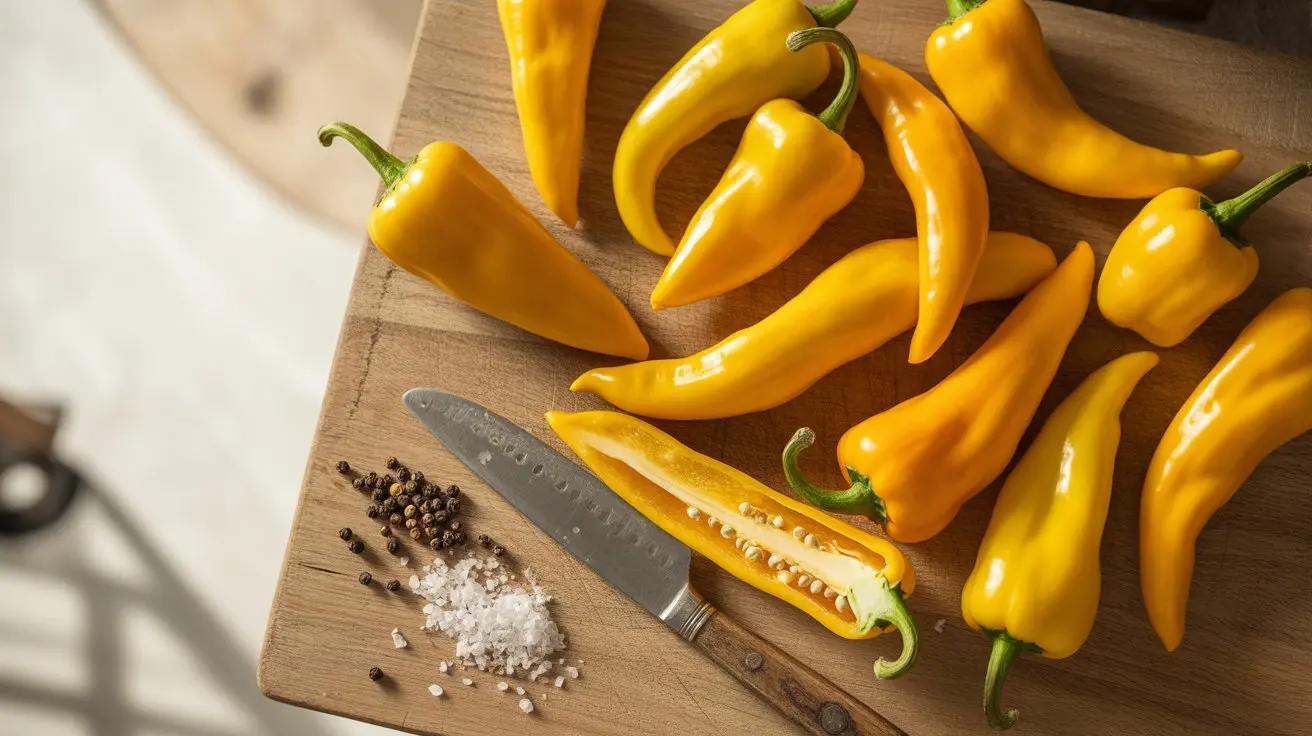

The aji mirasol is a Peruvian C. baccatum pepper ranging 6,000–15,000 SHU — roughly three times hotter than cayenne — with a distinctly fruity, tangy flavor that intensifies when dried. Used fresh as aji amarillo and dried as mirasol, it anchors Peruvian cooking from stews to sauces. Its moderate heat and bright flavor make it one of South America's most flexible chiles.
- Species: C. baccatum
- Heat tier: Hot (10K–100K SHU)
- Comparison: 3x hotter than a jalapeño
What is ?
Peru's kitchen has a pepper for nearly every purpose, and the aji mirasol fills a role that no import can replicate. The name translates roughly to 'looking at the sun,' a nod to the way the elongated pods point upward on the plant as they ripen from green through yellow-orange to a deep red.
Fresh, this pepper is sold as aji amarillo — the golden chile central to ceviche, causa, and countless Peruvian stews. Once dried, it becomes the mirasol, concentrating its fruity, tangy character into something richer and more complex. The flavor carries notes of stone fruit and a mild citrus edge, nothing like the one-dimensional burn you get from a generic hot pepper.
At 6,000–15,000 SHU, it sits comfortably within the hot pepper classification — noticeable heat without overwhelming the dish. That range puts it above cayenne at its lower end and matches it at the top. For context, a smoke-dried jalapeño's mellow heat sits lower on the scale, making aji mirasol a step up in intensity but still firmly in the realm of everyday cooking heat.
The species, Capsicum baccatum, is native to South America and produces peppers with a characteristic fruity brightness that distinguishes them from the C. annuum varieties most North American cooks are used to. That botanical difference is part of why aji mirasol tastes the way it does — there is genuine genetic distance between this and a standard cayenne.
History & Origin of
Aji mirasol has been cultivated in Peru for thousands of years, with C. baccatum domestication traced to the Andean region long before European contact. Archaeological evidence from coastal Peruvian sites confirms chile use dating back over 6,000 years, though specific varietal records are harder to pin down.
The pepper remained central to Peruvian cuisine through the Inca Empire and the colonial period, never displaced by Old World ingredients the way some indigenous crops were. Its dual identity — fresh as aji amarillo, dried as mirasol — gave it year-round utility that helped preserve its prominence.
Modern Peruvian cooking still treats aji mirasol as foundational. The regional pepper traditions of South America shaped global interest in Peruvian cuisine, and this pepper is a big reason that cuisine is now taken seriously on the international stage. Baker Creek Heirloom Seeds and specialty Latin American importers have made it more accessible to North American growers over the past two decades.
How Hot is ? Heat Level & Flavor
The delivers 6K–15K Scoville Heat Units, placing it in the Hot tier (10K–100K SHU). That makes it roughly 3x hotter than a jalapeño.
Flavor notes: fruity and tangy.
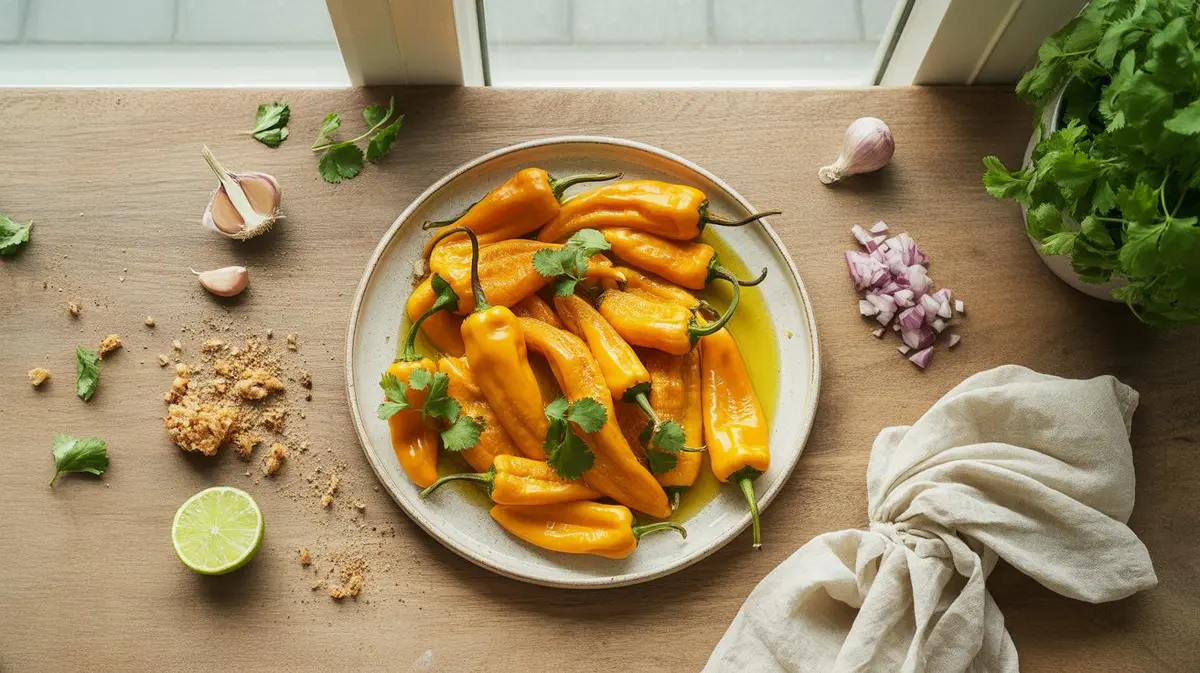
Nutrition Facts & Health Benefits
Like most chiles, aji mirasol delivers meaningful nutrition in small quantities. A 1-tablespoon serving of paste provides vitamin C, vitamin A (from carotenoids responsible for the orange-red color), and modest amounts of potassium and iron.
The capsaicin content — responsible for the 6,000–15,000 SHU heat — has been studied for its role in metabolism and inflammation. Research into capsaicin's therapeutic applications suggests potential benefits for pain management and circulation, though cooking quantities won't replicate clinical doses.
Dried mirasol concentrates nutrients relative to fresh weight, making it a more potent source of fat-soluble vitamins per gram than the fresh pepper.
Best Ways to Cook with Peppers
Start with the paste. Peruvian cooks typically roast dried mirasol pods, soak them, and blend them into a smooth paste that becomes the base for sauces, marinades, and stews. The roasting step deepens the fruity notes and adds a mild smokiness without pushing the flavor toward the charred territory you get with, say, a smoke-dried chipotle's deep earthiness.
Fresh aji amarillo (the same pepper before drying) is indispensable for ceviche leche de tigre and aji de gallina — Peru's beloved creamy chicken stew. The tangy heat cuts through rich sauces without dominating them. Dried mirasol works beautifully in slow-cooked bean dishes, braised meats, and mole-adjacent sauces where complexity matters more than raw firepower.
Substitution is imperfect but possible. A fresh Fresno's bright medium heat approximates the fresh pepper reasonably well. For the dried form, guajillo comes closest — the guajillo's mild fruity depth shares enough of the tangy character to work in most recipes, though it lacks the C. baccatum brightness.
Pairing-wise, aji mirasol loves dairy (cream, cheese, huancaina sauce), citrus, and starchy bases like potato and corn. The fruity tang bridges savory and acidic components in a way that makes sauces taste more layered than their ingredient lists suggest.
Where to Buy & How to Store
Fresh aji amarillo is difficult to find outside major Latin American grocery markets in the US. Frozen aji amarillo paste (Goya and Peruvian brands) is widely available online and in Latin markets — it is the most practical format for most cooks.
Dried mirasol pods appear at specialty spice shops and online retailers. Look for pods that are pliable and deep red-brown, not brittle or faded. Store dried pods in an airtight container in a cool, dark place for up to one year.
For fresh peppers, a Beaver Dam Pepper's similar growing season and market availability offers a rough comparison for timing your purchases at farmers markets. Paste keeps refrigerated for two weeks after opening, or freeze in ice cube trays for longer storage.
Best Substitutes & Alternatives
Whether you ran out of or just want to try something different, these peppers make solid stand-ins. We picked them based on heat range, flavor overlap, and how well they actually work in the same dishes.
Our top pick: Byadgi Chili (8K–15K SHU). The heat level is close enough for a direct swap in salsas, sauces, and stir-fries. Flavor leans earthy and mild, so the taste will shift a bit — but the overall heat stays in the same range.
How to Grow Peppers
C. baccatum varieties generally take longer to mature than C. annuum peppers, and aji mirasol is no exception. Expect 90–120 days from transplant to ripe fruit, so start seeds indoors 10–12 weeks before your last frost date. Soil temperature for germination should stay above 75°F — a heat mat is worth using here.
The plants grow tall, often reaching 3–4 feet, with an open, branching structure that benefits from staking once fruit sets. Full sun and well-draining soil are non-negotiable. Aji mirasol tolerates moderate drought once established but produces better fruit with consistent moisture, particularly during flowering.
For growers interested in similar cultivation patterns, Buena Mulata's growth habits and pod development offer useful comparison points — both are mid-season producers that reward patience.
Harvest fresh (yellow-orange stage) for cooking as aji amarillo, or leave pods on the plant until deep red for drying. To dry at home, hang pods in a warm, well-ventilated space for 3–4 weeks, or use a dehydrator at 135°F until completely brittle. Store dried pods in an airtight container away from light. For a complete approach to extending your harvest, the pepper storage methods guide covers both fresh and dried options in detail.
Frequently Asked Questions
-
They are the same pepper at different stages — aji amarillo refers to the fresh yellow-orange fruit, while aji mirasol is what it is called after drying. Drying concentrates the flavor and shifts the color to a deep red-brown.
-
At 6,000–15,000 SHU, aji mirasol runs about three times hotter than cayenne at its lower end and matches it at the top of its range. The Scoville scale measurement system places it firmly in the hot tier, though its fruity flavor makes the heat feel less aggressive than the number suggests.
-
Guajillo is the closest widely available substitute — its mild fruity depth approximates the tangy character of dried mirasol reasonably well. The heat level is lower and the C. baccatum brightness won't be there, but the overall sauce profile will be similar enough for most dishes.
-
Frozen aji amarillo paste from brands like Goya is the most accessible format, available at Latin American grocery stores and online. Dried mirasol pods can be found at specialty spice retailers and through online importers that carry South American ingredients.
-
No — aji mirasol is Capsicum baccatum, while jalapeño belongs to C. annuum. That species difference is a big part of why aji mirasol has a distinctly fruity, tangy flavor profile that C. annuum peppers like the Hungarian wax pepper's peppery heat characteristics simply don't share.
- Chile Pepper Institute - Capsicum Species Overview
- Baker Creek Heirloom Seeds - Aji Mirasol
- USDA GRIN - Capsicum baccatum
- Scoville Scale Reference - PepperScale
Species classification: C. baccatum — based on published botanical taxonomy.