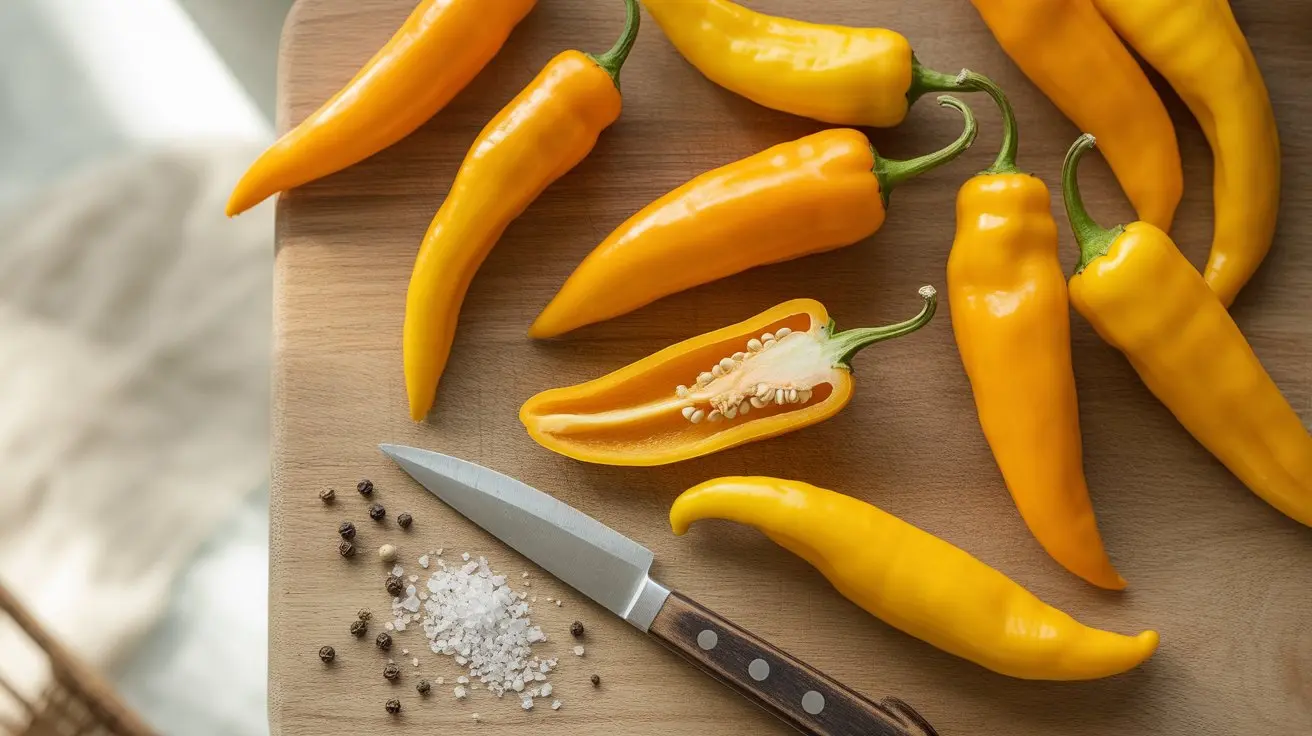
Aji Limo

Aji Limo is a round C. chinense pepper from Peru's coastal regions, registering 30,000-50,000 SHU - roughly ten times hotter than a jalapeño. Its defining characteristic is a sharp citrus-fruit aroma that hits before the heat does. Peruvian cooks have relied on it for centuries, particularly in ceviche, where its bright acidity and clean burn are essentially irreplaceable.
- Species: C. chinense
- Heat tier: Hot (10K–100K SHU)
- Comparison: 10x hotter than a jalapeño
What is Aji Limo?
Long before Spanish colonizers arrived, coastal Peruvian communities were cultivating aji limo as a cornerstone of their food culture. The name itself - limo meaning lime in Quechua-influenced Spanish - signals exactly what makes this pepper stand apart: a fragrance and flavor profile that reads as citrus first, heat second.
The pods are small and round, typically 1-2 inches in diameter, ripening through yellow, orange, and red. That color range isn't just visual - each stage delivers slightly different flavor intensity, with fully red specimens carrying the most pronounced fruity heat.
At 30,000-50,000 SHU, aji limo sits in the same bracket as sharp, vinegary hot sauce peppers and fiery thin-walled dried chilies, but its flavor character is entirely its own. The heat is fast and clean rather than lingering, which is part of why it works so well in acid-forward dishes.
As a C. chinense species member, it shares botanical roots with habaneros and Scotch Bonnets, but the flavor expression diverges sharply - tropical fruit notes dominate where those relatives lean floral or smoky.
For context within the hot pepper intensity bracket, aji limo lands at the lower end, making it genuinely usable in everyday cooking without requiring heat management gymnastics. That accessibility, combined with its flavor complexity, explains its enduring presence in Peruvian kitchens.
History & Origin of Aji Limo
Aji limo's roots trace to Peru's northern coast, where pre-Columbian civilizations including the Moche and Chimu cultivated it alongside maize and squash. Archaeological evidence from coastal Peruvian sites suggests Capsicum cultivation in the region dates back thousands of years, with aji varieties serving ritual and dietary roles simultaneously.
The pepper's tight geographic identity - it thrives specifically in Peru's coastal valleys - meant it never traveled the way cayenne or habanero did. While Spanish trade routes carried dozens of New World peppers across continents, aji limo remained largely Peruvian, embedded in the rich regional pepper traditions of the Andes and coast.
Modern Peruvian cuisine's global rise has finally given aji limo broader recognition, particularly through ceviche's international popularity. Chefs outside Peru now seek it specifically - the citrus character isn't replicable with substitutes.
How Hot is Aji Limo? Heat Level & Flavor
The Aji Limo delivers 30K–50K Scoville Heat Units, placing it in the Hot tier (10K–100K SHU). That makes it roughly 10x hotter than a jalapeño.
Flavor notes: fruity and citrusy.
Aji Limo Nutrition Facts & Health Benefits
A 100g serving of fresh aji limo provides roughly 40 calories, with significant amounts of vitamin C - often exceeding 150% of daily recommended intake, typical for C. chinense peppers. Vitamin A (from beta-carotene) is substantial in red-ripe pods.
Capsaicin, the compound responsible for the chemical interaction with TRPV1 heat receptors, also carries documented anti-inflammatory properties. Aji limo contains meaningful levels of vitamin B6, potassium, and dietary fiber.
The caloric load is negligible in practical serving sizes - the flavor and heat impact come long before any caloric contribution matters.
Best Ways to Cook with Aji Limo Peppers
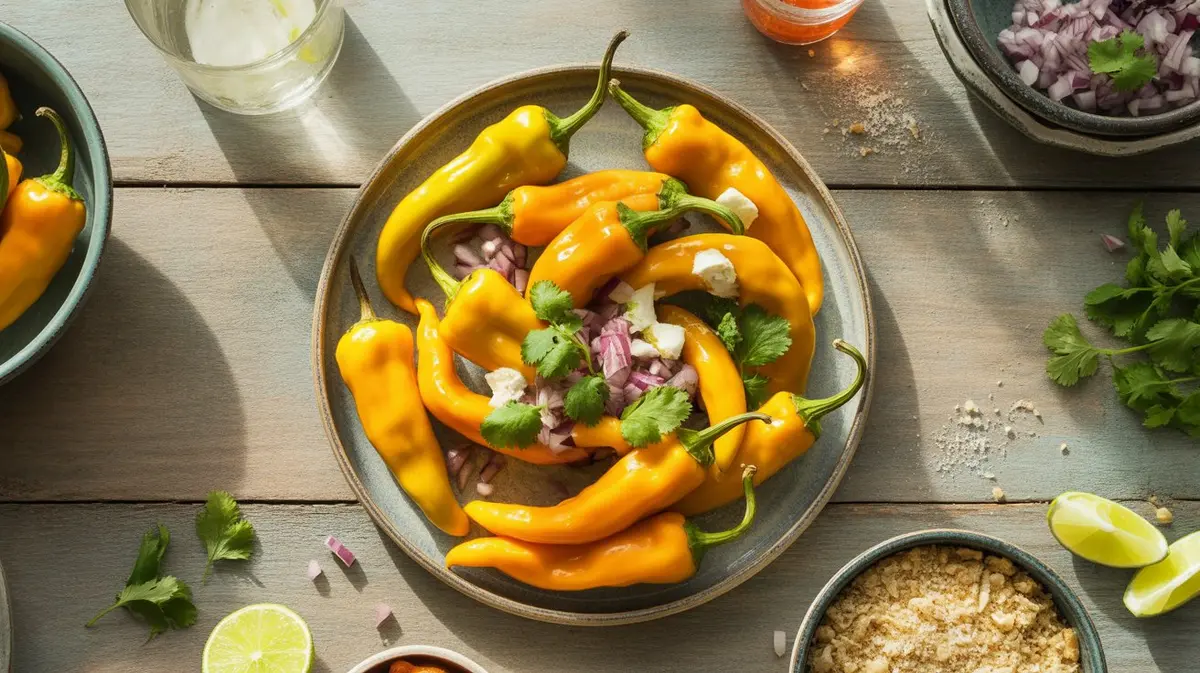
Aji limo's role in ceviche is not decorative - it is structural. The pepper's citrus volatiles interact with the lime marinade to create a layered acidity that flat chili pastes cannot replicate. Most Peruvian cooks use it fresh, sliced thin, added near the end so the heat stays bright rather than cooking out.
Fresh pods work well in leche de tigre (the ceviche marinade itself), salsas, and ceviches across Peru's northern coast. The heat is direct and clean - it builds quickly and fades without the slow creep you get from Indian peppers with deep cultural heat traditions.
Dried aji limo loses some citrus volatility but gains concentrated fruit sweetness, making it useful in spice rubs and stews. You can also roast the peppers lightly to soften the raw edge while preserving the fruity character - a technique that works especially well when making sauces for grilled fish.
For preservation, freezing fresh pods maintains flavor better than drying. Slice before freezing for convenience - they go directly into hot dishes from frozen without thawing.
Substituting with Peru's golden fruity workhorse gets you closer than most alternatives, though aji amarillo runs hotter and less citrusy. For pure heat matching without the flavor, the fiery thin pods of bird's eye hit the same SHU range.
Where to Buy Aji Limo & How to Store
Fresh aji limo outside Peru requires specialty Latin markets or online retailers. Look for firm, glossy pods without soft spots - any color stage from yellow to red is usable. Avoid wrinkled skin, which signals moisture loss and diminished citrus volatility.
Fresh pods keep 1-2 weeks refrigerated in a paper bag (plastic traps moisture and accelerates decay). For longer storage, freezing sliced pods preserves flavor far better than air-drying.
Dried and frozen forms appear at specialty grocers and Peruvian food importers. Paste form (aji limo pasta) is available canned and offers convenient heat without prep work, though the fresh citrus notes are largely absent.
Best Aji Limo Substitutes & Alternatives
Whether you ran out of aji limo or just want to try something different, these peppers make solid stand-ins. We picked them based on heat range, flavor overlap, and how well they actually work in the same dishes.
Our top pick: Cayenne Pepper (30K–50K SHU). The heat level is close enough for a direct swap in salsas, sauces, and stir-fries. Flavor leans neutral and peppery, so the taste will shift a bit — but the overall heat stays in the same range.
How to Grow Aji Limo Peppers
The hardest part of growing aji limo isn't germination - it's humidity management. As a coastal Peruvian native, this pepper wants warm nights and moderate humidity, conditions that are easy to oversimulate into fungal problems. Good air circulation around the canopy matters more than most growers expect.
Germination needs 80-85°F soil temperature and typically takes 14-21 days. Start seeds 10-12 weeks before last frost indoors. Transplant after nighttime temperatures hold consistently above 55°F.
Like other C. chinense varieties, aji limo has a long growing season - expect 90-100 days from transplant to first ripe pods. The plants stay relatively compact at 18-24 inches, making containers viable.
Full sun is non-negotiable. Calcium-rich soil helps prevent blossom end rot, which hits chinense types harder than annuums. Water consistently but never let roots sit wet - these coastal plants tolerate brief dry spells better than soggy conditions.
For anyone wanting deeper cultivation context, the full pepper growing guide covers transplanting schedules and soil prep in detail. Harvest at any color stage - yellow and orange pods deliver the brightest citrus notes, while red pods carry more heat.
Frequently Asked Questions
-
Aji limo ranges 30,000-50,000 SHU, placing it in roughly the same heat territory as a Thai chili, which typically runs 50,000-100,000 SHU. So aji limo sits at the milder end of that comparison - similar burn intensity but with a completely different flavor profile dominated by citrus rather than pure heat.
-
The citrus-fruit character is genuinely hard to replicate - aji amarillo comes closest among Peruvian peppers but runs hotter and less lemony. A combination of habanero (for heat and fruitiness) plus a squeeze of extra lime juice approximates the effect, though serious ceviche cooks consider aji limo non-negotiable.
-
At 30,000-50,000 SHU, aji limo sits in the hot pepper intensity range - well above jalapeños but below habaneros. You can check how that Scoville rating system works if you want context for where this lands across the full spectrum of chili heat.
-
No - both are Peruvian C. chinense peppers, but they are distinct varieties with different shapes, colors, and flavor profiles. Aji limo is rounder with a sharper citrus character, while aji amarillo is elongated, orange-yellow, and carries more tropical fruit sweetness with higher heat potential.
-
Yes - the plants stay compact at 18-24 inches, making them well-suited to large containers (at least 5 gallons). The key requirement is consistent warmth; container soil heats and cools faster than ground soil, so monitoring nighttime temperatures matters more for container-grown plants.
- Chile Pepper Institute - Capsicum Species Overview
- USDA Plants Database - Capsicum chinense
- Oxford Companion to Food - Aji Peppers
- Universidad Nacional Agraria La Molina - Peruvian Capsicum Research
Species classification: C. chinense — based on published botanical taxonomy.