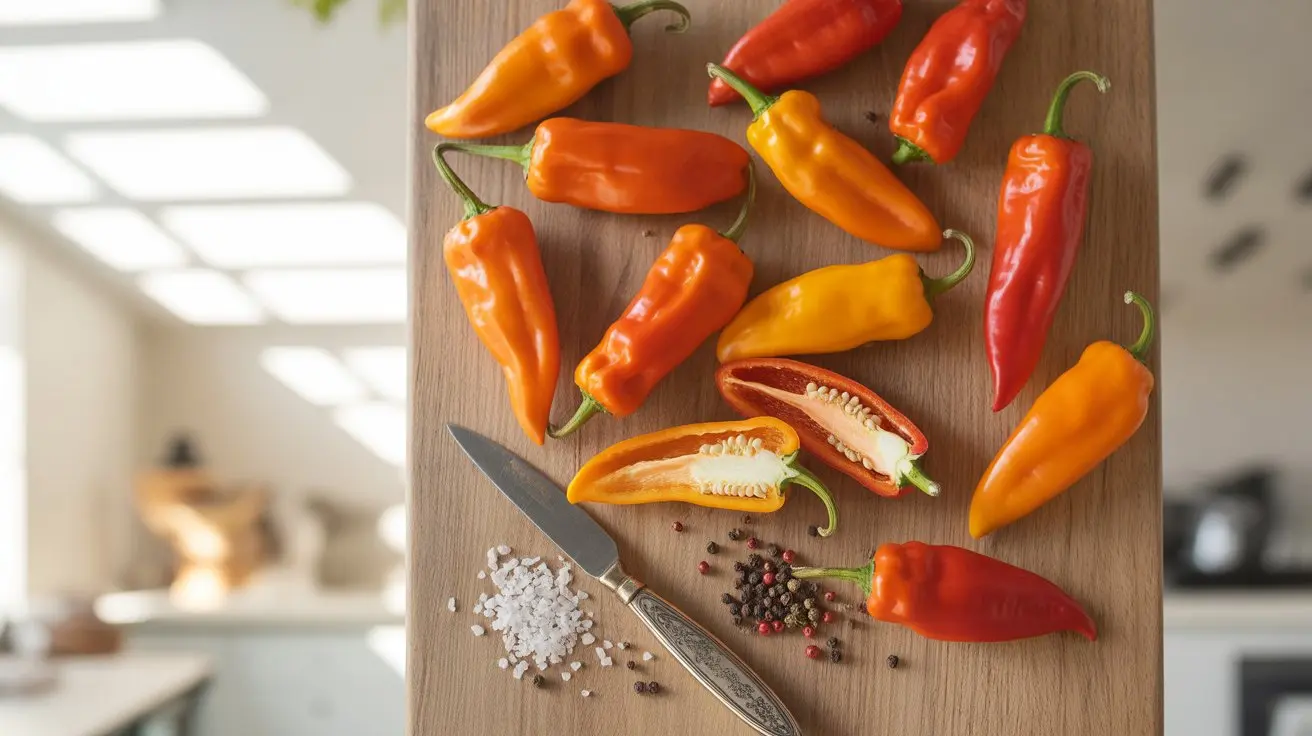

The aji cito is a small, elongated Peruvian pepper from the C. baccatum species, landing between 30,000 and 50,000 SHU. It hits about 10 times hotter than a jalapeño, delivering a bright, fruity burn that builds steadily. Prized in Andean cooking and increasingly popular with home growers, it produces abundantly and thrives with minimal fuss once established.
- Species: C. baccatum
- Heat tier: Hot (10K–100K SHU)
- Comparison: 10x hotter than a jalapeño
What is ?
Tiny but assertive, the aji cito earns its place in both the garden and the kitchen. Native to Peru, it belongs to the Capsicum baccatum species — a group known for floral, fruit-forward heat rather than the sharp chemical bite you get from some C. annuum varieties.
At 30,000–50,000 SHU, the heat sits in the same bracket as peppers with that distinctive rolling burn — not immediately overwhelming, but persistent and building. Compared to a serrano, it runs roughly 2–3 times hotter, which is noticeable but manageable.
The pods are slender and elongated, ripening from green through yellow or red depending on the specific selection. Flavor-wise, expect brightness up front — almost citrusy — followed by clean, sustained heat. It doesn't taste muddled or earthy the way some dried chiles do.
For gardeners, the aji cito is a rewarding grow. Plants tend to be compact and prolific, producing clusters of small pods throughout a long fruiting window. Because it belongs to the C. baccatum Peruvian pepper lineage, it adapts reasonably well to a range of climates, though it prefers warm, humid conditions similar to its Andean homeland.
It pairs naturally with other South American staples — citrus, fresh herbs, seafood — and holds up well in sauces, marinades, and fresh preparations alike.
History & Origin of
Peru's pepper heritage runs deep, and the aji cito is part of that long continuum. Capsicum baccatum peppers have been cultivated in the Andes for thousands of years, with archaeological evidence placing their domestication in present-day Peru and Bolivia.
The name "aji" simply means chili pepper in much of South America — it's not a branded variety but a regional type, which means selection and naming have evolved locally over generations. Peruvian markets still carry multiple aji varieties side by side, each with a distinct role in regional cuisine.
Unlike the fruity orange heat of Peru's most famous export, the aji cito stayed closer to home, remaining a niche variety even within Peru. It has gained modest international attention through seed preservation communities and growers interested in South American pepper diversity.
How Hot is ? Heat Level & Flavor
The delivers 30K–50K Scoville Heat Units, placing it in the Hot tier (10K–100K SHU). That makes it roughly 10x hotter than a jalapeño.
Flavor notes: fruity and bright.
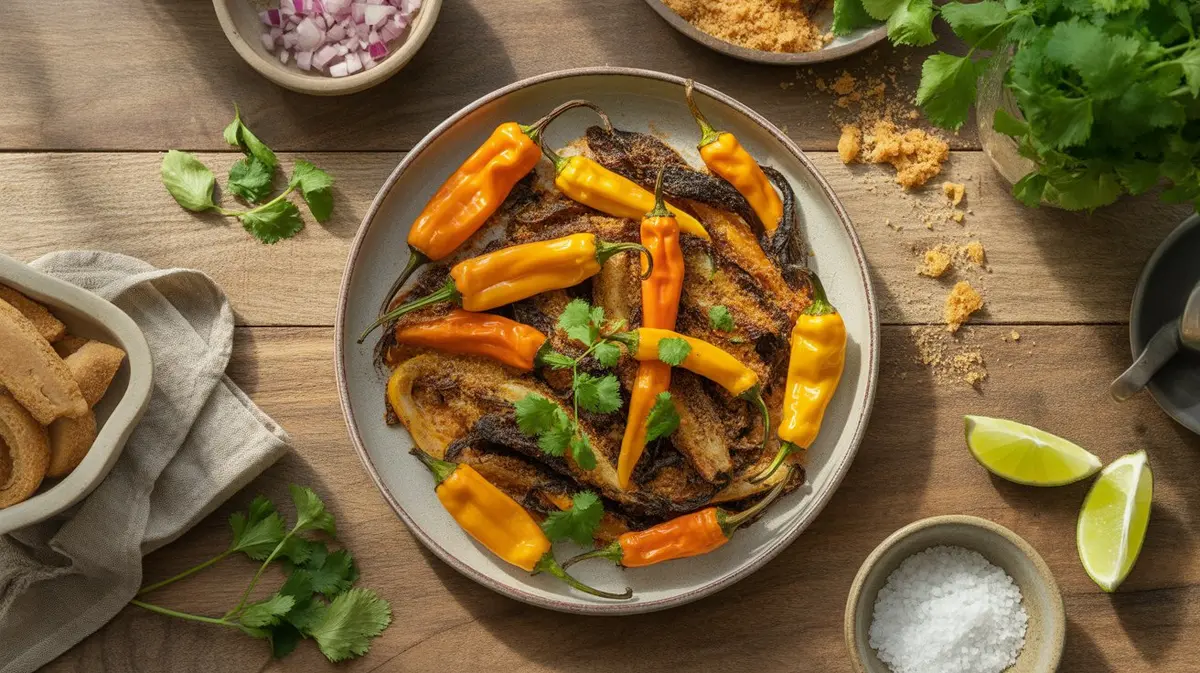
Nutrition Facts & Health Benefits
Like most hot peppers in the 30,000–50,000 SHU range, the aji cito is nutritionally dense relative to its size. Fresh pods are rich in vitamin C — often exceeding 100% of the daily recommended value per 100g serving — along with meaningful amounts of vitamin A and vitamin B6.
Capsaicin, the compound responsible for heat, has been studied for its potential anti-inflammatory and metabolic effects. The chemistry behind how capsaicin interacts with pain receptors is well-documented in food science literature.
Calorie count is negligible — roughly 20–30 calories per 100g — making these a high-impact, low-cost nutritional addition to any dish.
Best Ways to Cook with Peppers
The aji cito's flavor profile — bright, fruity, and clean — opens it to more uses than its heat level might suggest. It works particularly well in fresh preparations where you want heat that doesn't bulldoze other flavors.
Thin the pods into a quick pepper sauce with lime juice, garlic, and a touch of oil, and you have something that works on grilled fish, roasted vegetables, or eggs. The citrusy quality holds up well in acidic environments, unlike some peppers that go flat in vinegar-heavy sauces.
For cooking comparisons: the sharp, vinegary sauce applications that made Louisiana-style hot sauces famous work differently here — aji cito is better suited to fresh or lightly cooked preparations than long-fermented ones. The fruity character fades with extended heat.
Dried aji cito can be ground into a powder or used in spice blends. Compare that to the deep red color and moderate kick of Turkish dried peppers — the aji cito brings more brightness and less earthiness.
For heat calibration: the aji cito lands in the same 30K–50K SHU intensity range as the well-known thin red pods from Andhra Pradesh, though the flavor profiles diverge significantly. Store fresh pods correctly — see practical guidance on keeping peppers at peak quality — and they'll last 1–2 weeks refrigerated.
Where to Buy & How to Store
Fresh aji cito peppers are rarely found outside Peruvian markets or specialty Latin grocery stores. Your best bet is sourcing seeds from reputable suppliers like Baker Creek or Refining Fire Chiles and growing your own.
Dried or powdered versions occasionally appear in South American and Andean pepper traditions specialty shops. Check for pods that are firm and glossy with no soft spots or wrinkled skin.
For storage, fresh pods keep 1–2 weeks refrigerated in a paper bag. For longer preservation, follow practical guidance on how to store peppers — freezing whole pods is effective and retains most of the flavor.
Best Substitutes & Alternatives
Whether you ran out of or just want to try something different, these peppers make solid stand-ins. We picked them based on heat range, flavor overlap, and how well they actually work in the same dishes.
Our top pick: Cayenne Pepper (30K–50K SHU). The heat level is close enough for a direct swap in salsas, sauces, and stir-fries. Flavor leans neutral and peppery, so the taste will shift a bit — but the overall heat stays in the same range.
How to Grow Peppers
Start seeds indoors 8–10 weeks before your last frost date. C. baccatum varieties like the aji cito germinate best at soil temperatures between 80–85°F — a heat mat makes a real difference here, cutting germination time from 3 weeks down to 10–12 days in many cases.
For anyone building out a full pepper-growing setup, a solid seed-starting and full-season growing guide covers the fundamentals that apply across species.
Transplant outdoors once nighttime temps stay consistently above 55°F. Aji cito plants appreciate full sun and well-draining soil with a slightly acidic pH around 6.0–6.5. They're relatively compact — typically 18–24 inches tall — which makes them manageable in containers.
Fertilize with a balanced feed early in the season, then shift to a lower-nitrogen formula once flowering begins. Too much nitrogen encourages leaf growth at the expense of pod production.
Compared to the prolific fruiting habit of small wild-type hot peppers, the aji cito produces larger individual pods but similar overall yields. It's also less finicky about humidity than some C. chinense varieties.
Expect pods to begin setting 75–90 days after transplant. Harvest regularly to keep plants producing. Pods can be picked green or left to ripen fully — the fruity flavor intensifies at full color.
Frequently Asked Questions
-
The aji cito runs 2–3 times hotter than a serrano, which typically tops out around 15,000–20,000 SHU. The burn is bright and sustained rather than sharp, thanks to the fruity C. baccatum flavor profile.
-
Yes — the plants stay compact at 18–24 inches, making them well-suited to 3–5 gallon containers. Use well-draining potting mix and place the container in full sun for best pod production.
-
The flavor is distinctly fruity and citrus-forward, which is characteristic of the C. baccatum species. That brightness makes it more interesting in fresh sauces than peppers with a purely sharp or earthy profile.
-
No — both are Peruvian C. baccatum peppers, but the golden-fruited variety known for its bold color is a distinct cultivar with a different pod shape, color, and slightly different flavor. Aji cito is smaller and less widely commercialized.
-
Pods can be harvested green for a sharper, less sweet flavor, or left to ripen to full red or yellow for more pronounced fruitiness. Regular harvesting encourages the plant to keep producing throughout the season.
- Capsicum baccatum - Chile Pepper Institute, NMSU
- Andean Pepper Diversity - International Potato Center (CIP)
- Capsicum Domestication History - PNAS Research
- Pepper Nutrition Data - USDA FoodData Central
Species classification: C. baccatum — based on published botanical taxonomy.