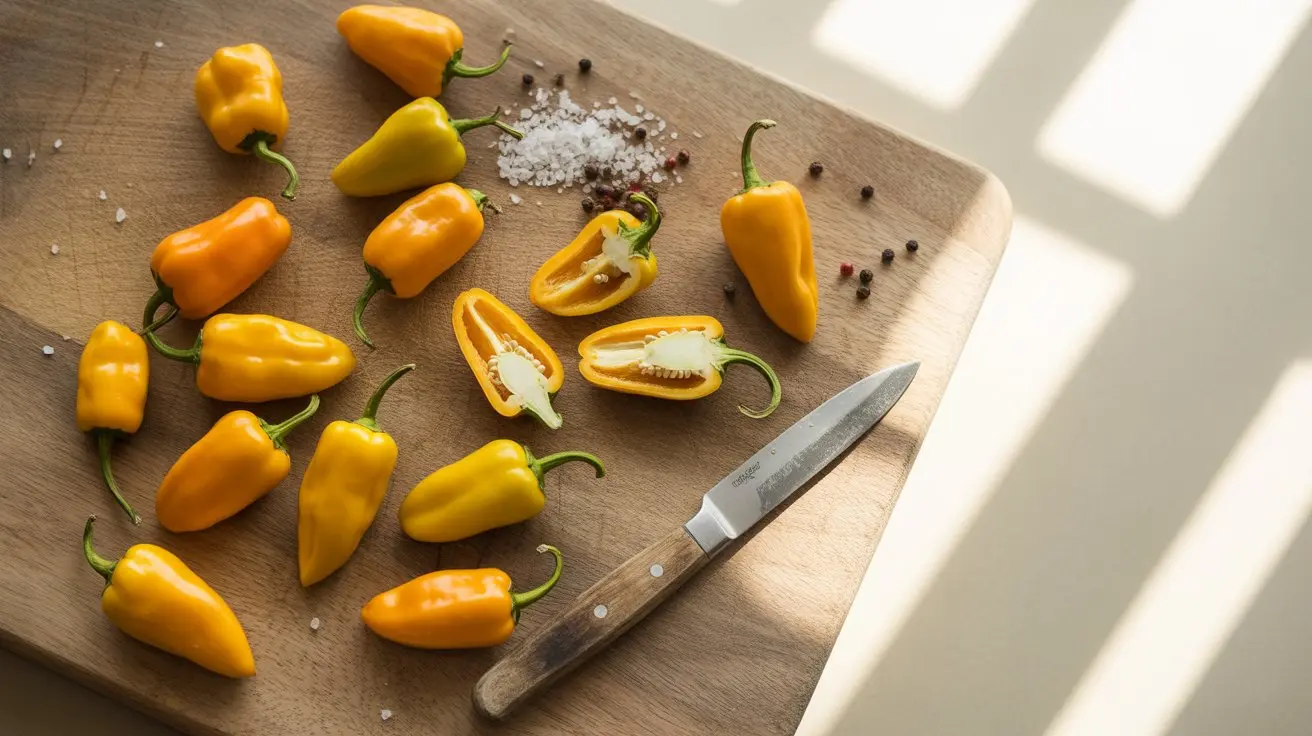
Aji Charapita

The aji charapita is a tiny, round C. chinense pepper from Peru's Amazon basin, registering 30,000–50,000 SHU — roughly 10 times hotter than a serrano. Its intensely fruity, citrusy flavor has made it one of the most expensive peppers by weight in the world. Small enough to mistake for a pea, it punches well above its size in both heat and aromatic complexity.
- Species: C. chinense
- Heat tier: Hot (10K–100K SHU)
- Comparison: 10x hotter than a jalapeño
What is Aji Charapita?
At first glance, the aji charapita looks like a yellow pea someone dropped in the garden. Round, smooth, and rarely exceeding 5–8mm in diameter, this C. chinense botanical family native to the Peruvian Amazon is about as far from a standard chili pepper as you can get in terms of appearance.
The heat lands firmly in the hot pepper range at 30,000–50,000 SHU — comparable to a tabasco's sharp, vinegary burn but with a completely different flavor character. Where tabasco bites clean and fast, charapita delivers a slow-building warmth wrapped in tropical fruit and lime zest notes that linger long after the heat fades.
Peru's indigenous communities have used this pepper for centuries, and it remains a staple of Amazonian cooking. Outside South America, it's become something of a collector's item — both for its remarkable flavor and its reputation as one of the priciest peppers on the market, sometimes fetching hundreds of dollars per kilogram fresh in European specialty markets.
The plant itself is a sprawling, multi-branching shrub that produces hundreds of tiny fruits per season. Mature pods ripen from green through yellow, with the golden-yellow stage being the most prized for flavor. The fruity, citrusy heat profile sits in a category of its own among Peruvian peppers — distinct from the deep Andean cultural roots of aji amarillo while sharing that same South American brightness.
History & Origin of Aji Charapita
The aji charapita originates from the Loreto region of northeastern Peru, deep in the Amazon rainforest. "Charapita" is a colloquial term for people from Loreto, giving this pepper a distinctly regional identity tied to Amazonian culture rather than the Andean highlands that produced most of Peru's famous aji varieties.
For generations, it was essentially unknown outside Peru. Local markets in Iquitos sold it fresh and dried, but no commercial cultivation infrastructure existed to move it internationally. That changed as Peruvian cuisine gained global recognition in the 2000s and 2010s — chefs seeking authentic ingredients drove demand that pushed prices skyward.
The Peruvian pepper tradition runs deep, and the charapita represents its wildest, most aromatic branch. Unlike cultivated varieties bred for consistency, most charapita plants still grow semi-wild or in small family gardens, which partly explains both the scarcity and the price.
How Hot is Aji Charapita? Heat Level & Flavor
The Aji Charapita delivers 30K–50K Scoville Heat Units, placing it in the Hot tier (10K–100K SHU). That makes it roughly 10x hotter than a jalapeño.
Flavor notes: fruity and citrusy.
Aji Charapita Nutrition Facts & Health Benefits
Like most C. chinense peppers, the aji charapita is nutritionally dense relative to its tiny size. Fresh pods are a good source of vitamin C — often exceeding 100% of daily recommended intake per 100g serving — along with vitamin A from carotenoids responsible for the yellow pigmentation.
Capsaicin, the compound behind the 30,000–50,000 SHU heat, has been studied for its anti-inflammatory and metabolic effects. The receptor science explaining why capsaicin burns involves TRPV1 ion channels rather than actual tissue damage.
Calorie count is negligible — roughly 40 calories per 100g — and the pods contain small amounts of potassium, iron, and B vitamins. Antioxidant content is high, consistent with other brightly colored C. chinense varieties.
Best Ways to Cook with Aji Charapita Peppers
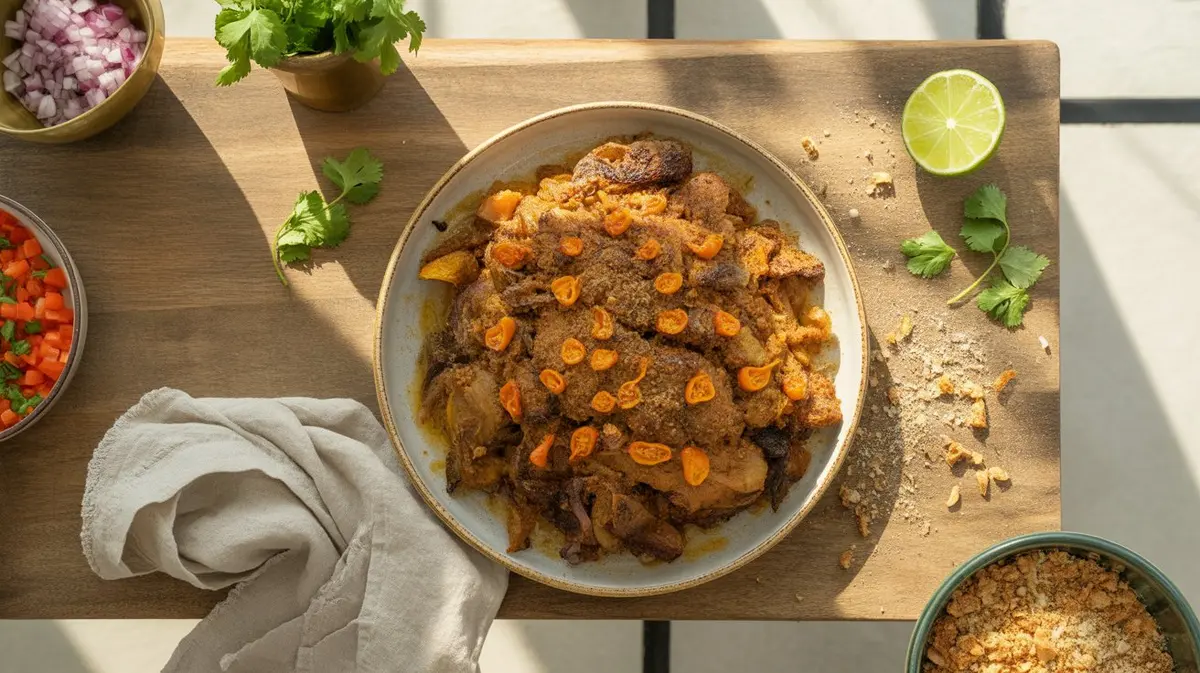
Leche de tigre — the citrusy tiger's milk marinade at the heart of Peruvian ceviche — is where aji charapita truly belongs. A few whole pods muddled into the lime juice, fish stock, and onion base adds a fruity heat that no other pepper quite replicates. The citrus notes in the pepper amplify the lime rather than competing with it.
Because the pods are so small, most cooks use them whole or halved rather than minced. Dropping 4–5 pods into a pot of pickled pepper brine produces a condiment that keeps for months and works on everything from grilled fish to roasted vegetables.
Dried charapita powder has become a restaurant staple for finishing dishes — a light dusting over scallop crudo or avocado toast delivers heat and aroma simultaneously. The powder is expensive but potent; a little goes a long way.
For heat comparison purposes, the charapita sits at roughly the same SHU bracket as cayenne's flexible cooking applications and the warm, earthy intensity of Guntur chili's distinct flavor profile, though neither shares its tropical aromatic character. Substitute with birds-eye chili's sharp tropical punch in a pinch, though you'll lose the citrus complexity.
Where to Buy Aji Charapita & How to Store
Fresh aji charapita is extremely difficult to find outside Peru and select South American specialty markets. Online retailers occasionally stock dried whole pods or powder, though prices reflect the scarcity — expect to pay a premium compared to other hot peppers at similar Scoville scale positions.
When buying dried pods, look for uniform golden-yellow color without brown spotting or visible moisture. Seeds from reputable vendors are the most accessible option for most growers.
Fresh pods keep 1–2 weeks refrigerated in a paper bag. For longer storage, freeze whole pods on a baking sheet before transferring to a sealed bag — they retain flavor well for up to 6 months. Dried powder should be stored in an airtight container away from light; potency fades after 12 months.
Best Aji Charapita Substitutes & Alternatives
Whether you ran out of aji charapita or just want to try something different, these peppers make solid stand-ins. We picked them based on heat range, flavor overlap, and how well they actually work in the same dishes.
Our top pick: Cayenne Pepper (30K–50K SHU). The heat level is close enough for a direct swap in salsas, sauces, and stir-fries. Flavor leans neutral and peppery, so the taste will shift a bit — but the overall heat stays in the same range.
How to Grow Aji Charapita Peppers
Growing aji charapita successfully starts with patience at germination. Seeds can take 21–35 days to sprout — longer than most C. chinense varieties — and they demand consistent soil temperatures of 80–85°F (27–29°C). A heat mat under the seed tray is non-negotiable if you want reliable germination rates.
For a full step-by-step approach, the pepper germination walkthrough covers the specifics well. Start seeds 10–12 weeks before your last frost date indoors. Charapita plants grow into large, bushy shrubs — expect 3–4 feet tall and equally wide in a good season — so give them space.
The plant thrives in containers (minimum 5-gallon) or directly in garden beds with well-draining, slightly acidic soil (pH 6.0–6.8). Full sun is essential; anything less than 8 hours and fruit production drops noticeably.
Fertilize with a low-nitrogen mix once flowering begins — too much nitrogen pushes leaf growth at the expense of pods. The distinctive upward-facing growth habit of some related varieties gives you a visual clue about fruit visibility, but charapita pods hang downward beneath dense foliage, so lift branches to check ripeness.
Harvest begins around 90–100 days from transplant. The plant produces prolifically — a single mature specimen can yield several hundred pods — so plan for preservation. Pods left on the plant will continue ripening, and leaving a few to fully dry on the stem is an easy way to save seeds for next season.
Frequently Asked Questions
-
Most aji charapita is still grown in small family gardens in Peru's Amazon region rather than large commercial operations, which severely limits supply. The tiny pod size also means labor costs per kilogram are much higher than for larger peppers — it takes hundreds of pods to fill even a small container.
-
At 30,000–50,000 SHU, the charapita is roughly 10 times hotter than a typical serrano, which registers around 3,000–5,000 SHU. The heat delivery is also different — charapita builds slowly and carries citrusy aromatics, while serrano hits faster and cleaner.
-
Yes, and it does well in containers as long as you use a minimum 5-gallon pot with excellent drainage. The plant grows large and bushy, so a 7–10 gallon container gives roots enough room to support a full fruiting season.
-
The flavor is strongly fruity and citrusy — closer to a squeeze of lime with tropical undertones than the earthier notes you'd find in most hot peppers. That aromatic brightness is what makes it prized in Peruvian cuisine, particularly in ceviche marinades.
-
Pods ripen from green to bright yellow; the golden-yellow stage offers the best balance of heat and fruity flavor. The pods will feel slightly firm but not hard, and they detach easily from the stem when ripe — if you have to tug, give them another few days.
- Chile Pepper Institute - Capsicum Species Overview
- USDA Agricultural Research Service - Capsicum Nutritional Data
- Universidad Nacional de la Amazonia Peruana - Aji Charapita Research
- Baker Creek Heirloom Seeds - Aji Charapita Seed Listing
Species classification: C. chinense — based on published botanical taxonomy.