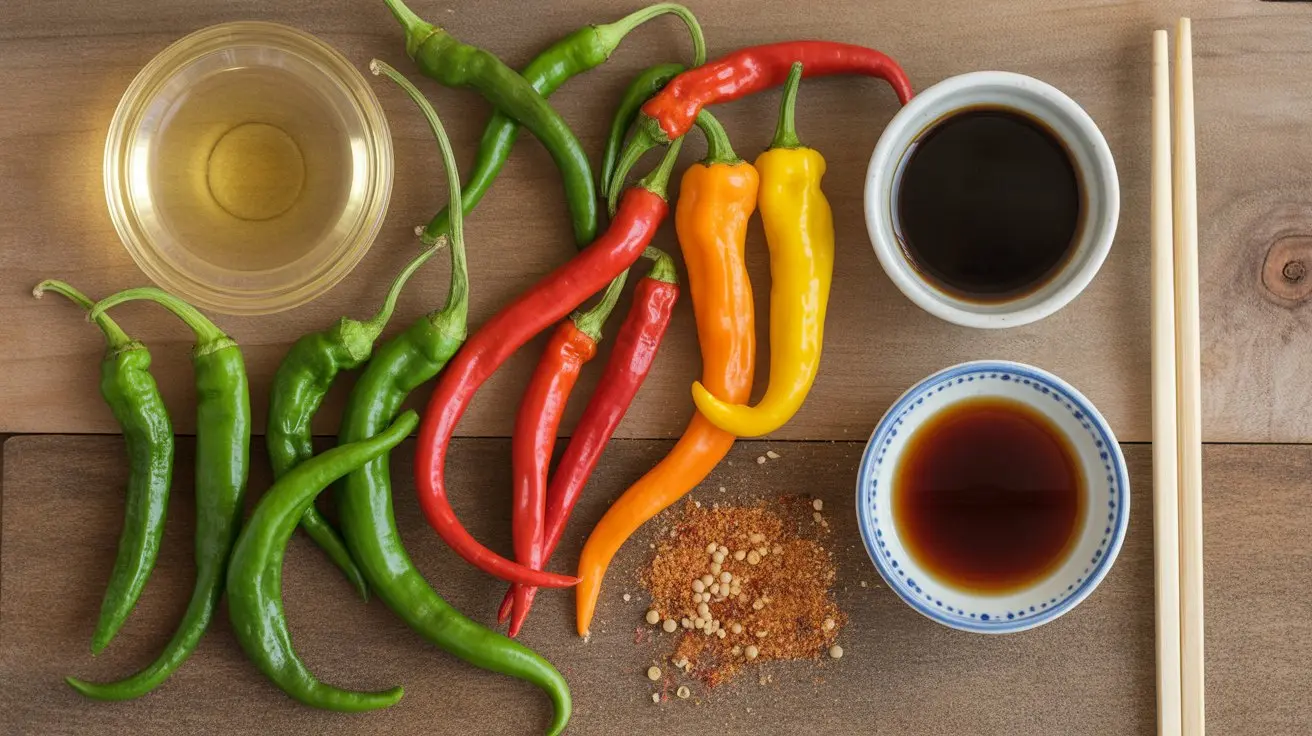
Peppers in Japanese Cooking
Japanese cuisine favors mild peppers like shishito and shichimi togarashi blend. Key varieties, grilling, and condiment uses. Find your perfect heat level.

How Japan Uses Peppers Differently
Japanese cuisine approaches heat with restraint — not because the culture avoids spice, but because the philosophy of wa (harmony) extends to flavor itself.
Peppers appear in Japanese cooking less as a primary heat source and more as an accent, a seasoning component, or a textural element. Understanding this distinction changes how you cook with them.
Shishito: The Pepper That Defines Japanese Grilling
Yakitori bars across Tokyo serve shishito peppers blistered in a dry pan or over bincho charcoal — no sauce, just flaky salt, and maybe a squeeze of sudachi citrus.
Shishito sits comfortably in the mild heat range, typically measuring 50 to 200 SHU. The catch: roughly one in ten peppers carries a surprising kick, which is part of what makes them entertaining to eat.
The flavor is grassy and slightly sweet, with a thin wall that blisters fast. Cast iron works perfectly — get it smoking hot, add a neutral oil, and the peppers need only 4 to 5 minutes total.
Shishito belongs to Capsicum annuum, the same species that covers everything from bell peppers to cayenne. Despite their mild nature, they carry genuine pepper flavor rather than sweetness alone.
Togarashi: Japan's Native Heat Tradition
Togarashi simply means "chili pepper" in Japanese, but the word carries significant culinary weight.
The small, thin-walled togarashi pepper — sometimes called Takanotsume (hawk's claw) for its curved shape — registers around 50,000 SHU, putting it firmly in what heat enthusiasts would call the assertive hot range. That's considerably hotter than a Fresno, which peaks around 10,000 SHU.
Dried togarashi appears in everything from soba broth to pickled vegetables. Japanese cooks typically use it whole in oil infusions or crumbled over finished dishes — rarely cooked into sauces the way Mexican or Korean cuisines handle dried chiles.
For those curious about how Japan developed its pepper traditions, the history connects to Portuguese traders in the 16th century who introduced Capsicum to the archipelago.
Shichimi Togarashi: Seven-Spice Blend
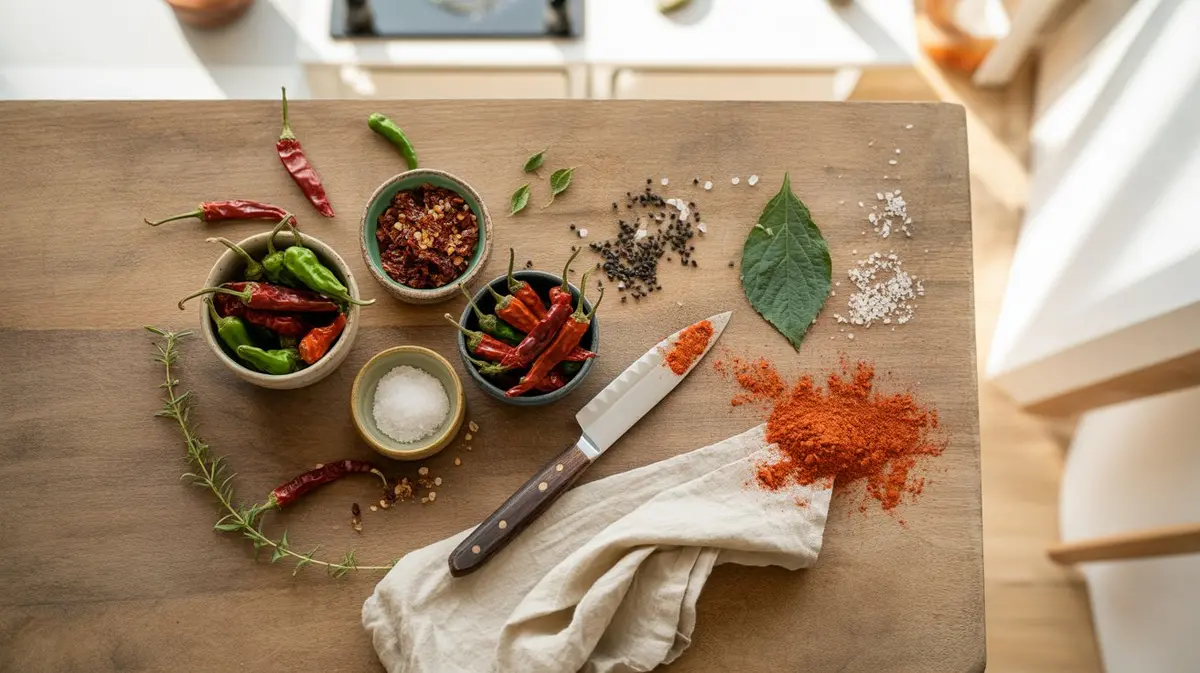
The seven components typically include ground togarashi, sansho pepper (a citrusy numbing spice unrelated to Capsicum), dried orange peel, black and white sesame seeds, hemp seeds, and nori. The ratios vary by region and maker, with Kyoto-style blends leaning milder and Tokyo versions running hotter.
This blend demonstrates exactly how Japanese cooking integrates heat: as one layer among many, balanced against citrus, umami, and texture. It goes on ramen, udon, grilled meats, and even rice.
Making shichimi at home requires sourcing quality dried togarashi. The thin-walled, intensely flavored puya pepper from Mexico shares some structural similarities with togarashi — both deliver direct heat without excessive fruitiness — though they're used in completely different culinary contexts.
Fushimi and Manganji: Kyoto's Sweet Pepper Heritage
Kyoto's kyo-yasai (traditional Kyoto vegetables) include two pepper varieties that rarely appear outside Japan but deserve serious attention.
Fushimi peppers are long, pale green, and almost entirely sweet — heat so minimal it barely registers. They're simmered in dashi with soy and mirin, or simply grilled and served as a side dish.
Manganji peppers run slightly larger with a bit more substance, still mild but with a richer, more complex sweetness. Both are considered kyoyasai heritage varieties protected by regional designation.
These peppers reflect the same gentle heat philosophy as mild-spectrum peppers grown across many cuisines — the focus shifts entirely to flavor and texture when capsaicin steps aside.
Comparing Japanese Peppers to Global Varieties
Japanese pepper culture sits in interesting contrast to the heat traditions of neighboring countries and distant cuisines.
Where Korean cooking features gochugaru with its 1,500 to 10,000 SHU range as a foundational ingredient, Japanese cooking keeps dried chiles as an accent. The Korean pepper tradition built fermented pastes and kimchi around sustained heat — Japan built its spice tradition around restraint and balance.
South American peppers offer a useful comparison point. The mirasol pepper's clean, moderate heat — used dried as guajillo in Mexican cooking — shares the Japanese approach of letting dried pepper flavor carry dishes without overwhelming them. Both cuisines respect the pepper as a seasoning rather than a star.
The fruity, deeper heat of the aji panca's smoky-sweet Peruvian profile shows how differently Capsicum can express itself across cultures — where Japan goes restrained and herbal, Peru goes rich and layered.
Yuzu Kosho: Fermented Pepper Condiment
Yuzu kosho might be the most distinctive pepper condiment in Japanese cuisine — and it's genuinely unlike anything else.
Made from green or red togarashi peppers fermented with yuzu citrus peel and salt, the result is intensely aromatic, bracingly citrusy, and carries a sharp heat that builds slowly. A pea-sized amount transforms a bowl of shabu-shabu or a piece of grilled fish.
The fermentation process mellows the raw pepper heat while amplifying the citrus. Green yuzu kosho (made with unripe yuzu and green togarashi) tastes brighter and more herbaceous. Red versions run deeper and more complex.
This fermented approach to pepper preservation connects to a broader tradition of understanding pepper cultivation and harvest timing — the stage at which you pick togarashi dramatically affects the final condiment color and flavor.
Heat Levels in Japanese Cooking: A Practical Map
For cooks trying to navigate Japanese pepper heat, here's how the main varieties stack up:
- Shishito: 50-200 SHU — grilling, snacking, izakaya appetizers
- Fushimi/Manganji: near 0 SHU — simmered dishes, pickles, grilled sides
- Shichimi blend: variable, typically mild-medium overall — table condiment
- Togarashi (whole dried): 40,000-75,000 SHU — oil infusions, broth seasoning
- Yuzu kosho: moderate to hot depending on ratio — finishing condiment
The medium heat intensity zone barely appears in traditional Japanese cooking — the cuisine tends to operate at either end, with mild fresh peppers or potent dried ones used sparingly.
Growing Japanese Pepper Varieties Outside Japan
Shishito seeds are widely available from specialty seed companies, and they're straightforward to grow in most temperate climates.
Plants stay compact — typically 18 to 24 inches — and produce prolifically. They're ready to harvest when the fruits reach about 3 to 4 inches long and still green; waiting until red gives a sweeter, less grassy flavor but loses some of the signature character.
Togarashi varieties require a longer season and warmer conditions. Starting seeds indoors 10 to 12 weeks before last frost gives them enough lead time. Anyone new to growing hot peppers from scratch should check a full seed-to-harvest germination walkthrough before starting — the temperature requirements during germination are critical.
Fushimi and Manganji seeds are harder to source outside Japan but available through specialty importers. Both prefer the same growing conditions as other Capsicum annuum varieties — warm soil, consistent moisture, and good sun.
Authentic Techniques for Cooking Japanese Peppers
Agedashi togarashi — lightly battered and fried shishito peppers served in a dashi broth — shows how Japanese technique transforms a simple ingredient into something elegant.
The batter should be thin, almost translucent, made from cold water and a small amount of flour or tempura mix. The oil needs to hit 170-180°C (340-355°F) for proper crispness without sogginess.
For dried togarashi in broth, the standard approach is to add one or two whole dried peppers to the dashi while it simmers, then remove before serving. This infuses a gentle warmth without visible pepper pieces — the heat is felt, not seen.
Yuzu kosho is never cooked. It goes on at the table, stirred into ponzu, or placed alongside grilled proteins. Heat destroys the volatile citrus aromatics that make it worth using.
Sourcing and Substituting Japanese Peppers
Shishito peppers have become genuinely easy to find — most Asian grocery stores carry them fresh, and many mainstream supermarkets stock them seasonally.
When shishito isn't available, Padrón peppers (the Spanish equivalent) behave nearly identically in cooking. Both share the mild-with-occasional-heat characteristic and blister the same way. The flavor differs slightly — Padrón runs a touch earthier — but the technique is identical.
For dried togarashi substitutes, small dried Thai chilies work in most applications. They're hotter, so use fewer. The aji limo's sharp, citrus-forward heat offers an interesting alternative in yuzu kosho if togarashi is unavailable, though the flavor profile shifts toward Peruvian territory.
Shichimi togarashi is sold pre-made at Japanese grocery stores and online. Making it from scratch allows customization — some cooks swap in the costeño pepper's earthy, medium heat for the togarashi component when experimenting with the blend.
For the fruity, complex notes that appear in some regional Japanese pepper applications, the tiny aji charapita's concentrated fruity burn offers a surprisingly compatible heat character, though it's far hotter than anything traditionally used in Japanese cooking.
Japanese Pepper Nutrition and Health Notes
Shishito peppers are nutritionally solid — high in vitamin C, with meaningful amounts of vitamin A and potassium per serving.
Because they're typically eaten whole (seeds included) rather than used as a spice, the nutritional contribution is more significant than with dried togarashi used in small quantities.
Capsaicin content in shishito is low enough that the receptor science explaining why peppers generate heat barely applies — TRPV1 receptor activation at these concentrations is minimal for most people. The occasional hot shishito activates those receptors just enough to surprise without causing real discomfort.
Dried togarashi, used in small amounts, contributes negligible nutrition but meaningful capsaicin — which research increasingly associates with metabolic and anti-inflammatory effects at regular consumption levels.
Frequently Asked Questions
-
Shishito is the most recognizable fresh pepper in Japanese cuisine, widely used in izakaya grilling. Dried togarashi (takanotsume) is the dominant heat source in broths, condiments, and spice blends like shichimi togarashi.
-
Traditional Japanese cuisine is not built around heat the way Korean or Thai cooking is. Peppers appear as accents and condiments rather than foundational ingredients, keeping most dishes in a mild-to-moderate range.
-
Shichimi togarashi is a seven-ingredient blend that includes sansho pepper, citrus peel, sesame, hemp seeds, and nori alongside ground togarashi. The result is aromatic and layered rather than purely hot.
-
Padrón peppers are the closest substitute and behave identically when blistered in a hot pan. Both share the mild heat with the occasional spicy outlier, though Padrón carries a slightly earthier flavor.
-
Yuzu kosho is a fermented condiment made from togarashi peppers, yuzu citrus peel, and salt. Heat level varies by batch and maker, but it typically delivers a sharp, building warmth balanced by intense citrus aromatics.