Peppers in Indian Cooking
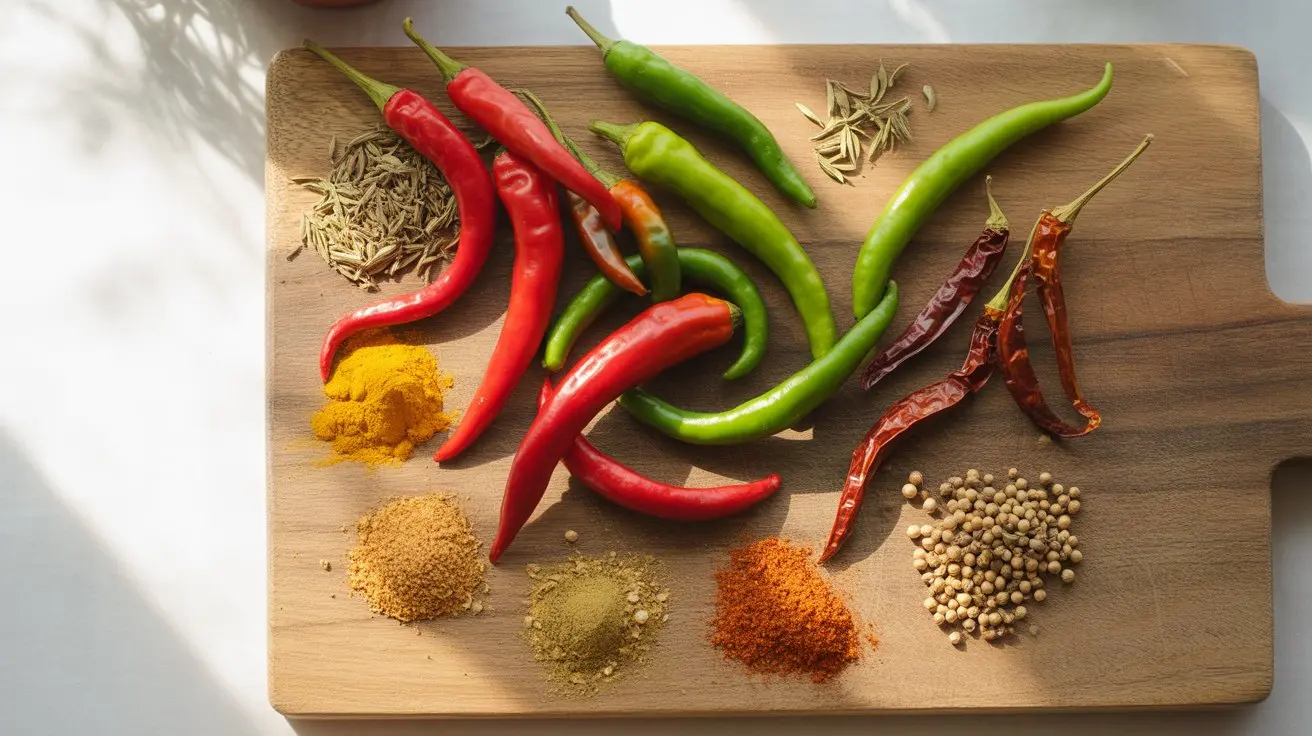
Indian cuisine uses peppers from mild Kashmiri (color) to fierce Bhut Jolokia (heat). Find your perfect heat level.

How Peppers Became the Backbone of Indian Cuisine
Before Portuguese traders arrived on the Malabar Coast in the late 15th century, Indian cooking relied on long pepper and black pepper for heat. The introduction of Capsicum species from the Americas changed everything. Within a century, chiles had woven themselves so deeply into regional Indian food traditions that most cooks today cannot imagine the cuisine without them.
India now ranks among the world's top pepper producers and consumers, with distinct regional varieties shaping the character of dishes from Kashmir to Kerala. Understanding which peppers belong where - and why - is the key to cooking Indian food with authentic flavor and appropriate heat.
The Regional Divide: Not All Indian Heat Is the Same
Northern Indian cooking, particularly Punjabi and Mughal-influenced dishes, tends toward deep color with moderate heat - Kashmiri chiles are the defining example. Southern states like Andhra Pradesh and Tamil Nadu push much further up the heat scale, with some regional dishes considered among the most intensely spiced in the world.
The full range of Indian pepper varieties reflects this geographic split. Coastal cuisines in Maharashtra and Goa incorporate heat differently than the landlocked plains of Rajasthan, where dried chile powder dominates over fresh chiles.
Northeastern India presents a different story entirely. States like Nagaland and Manipur cultivate varieties that belong to the Capsicum chinense species - the same species as habaneros - producing some of the most extreme heat found anywhere in traditional cooking.
Kashmiri Chile: Color First, Heat Second
If one pepper defines the visual identity of North Indian cooking, it is the Kashmiri chile. With a Scoville rating typically between 1,000 and 2,000 SHU, it sits firmly in the mild heat classification - used primarily for the brilliant crimson color it imparts to dishes like rogan josh and tandoori preparations.
Cooks who substitute generic red chile powder for Kashmiri chile end up with heat but lose the color. The two functions are not interchangeable. Professional Indian kitchens often use Kashmiri chile powder specifically to achieve that deep red without making a dish too hot for the intended audience.
Fresh Kashmiri chiles are rarely exported, so outside India, the dried powder form is the practical option. Look for a powder that is intensely red with a slightly sweet, fruity aroma - that fragrance indicates proper drying and storage.
Jwala: The Everyday Workhorse
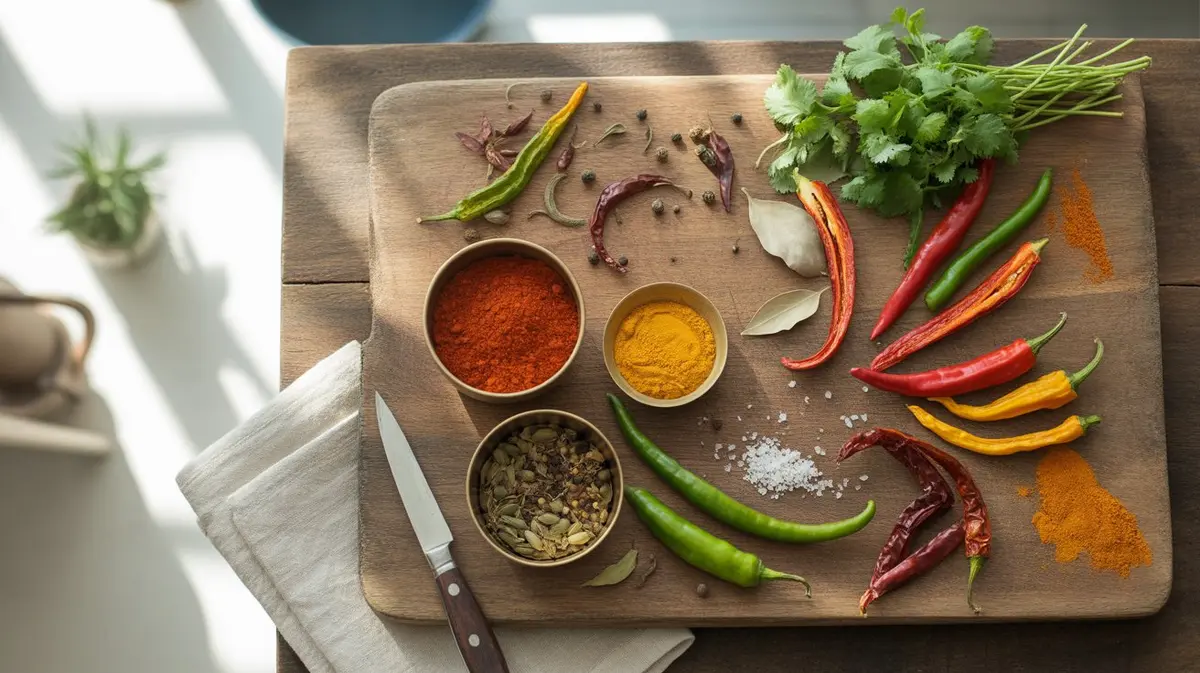
The sharp, grassy bite of the Jwala chile is what most Indian households mean when a recipe simply says "green chiles." Grown primarily in Gujarat, the Jwala registers around 30,000-100,000 SHU, placing it in the hot range - significantly hotter than most Western cooks expect from a "cooking chile."
Its thin flesh makes it ideal for quick tempering in hot oil (the technique called tadka), where it releases its flavor almost instantly. Jwala chiles also appear raw in chutneys, sliced into raitas, and pickled whole in mustard oil.
The flavor profile is distinctly vegetal with a sharp, immediate heat that hits the front of the tongue. It lacks the fruity complexity of habanero-type chiles, but that directness is exactly what Indian cooking often requires - heat that announces itself without lingering too long.
Byadgi and Guntur: Dried Chiles That Define Regional Identity
Karnataka's Byadgi chile shares the Kashmiri chile's emphasis on color over heat, with a wrinkled skin that concentrates its mild, slightly sweet flavor during drying. It forms the base of many coastal Karnataka and Goa dishes, including the famous chicken xacuti.
Guntur chiles from Andhra Pradesh sit at the opposite extreme. With heat levels that can reach 100,000 SHU and above, Guntur is the engine behind Andhra's reputation for the most intensely spiced regional cuisine in India. The Guntur region exports dried red chiles globally, and the variety's pungent, almost smoky heat is irreplaceable in dishes like gongura mutton.
Both dried chiles are typically dry-roasted before grinding, a step that develops complexity and rounds out any raw, bitter notes. Skipping this step produces noticeably flatter results in the finished dish.
Bhut Jolokia: From Northeastern Villages to Global Notoriety
The Bhut Jolokia (Ghost Pepper) from Nagaland and Assam held the world record for hottest pepper from 2007 to 2011, certified by Guinness World Records at over 1,000,000 SHU. That puts it well into the super-hot category, roughly 200 times hotter than a chipotle.
In its home region, the Bhut Jolokia is not treated as a novelty or a dare - it is used in everyday cooking, added to pork dishes and fermented fish preparations in quantities that would be alarming to outsiders. The heat is paired with the region's characteristic fermented and smoked flavors, which temper the perception of the burn.
Outside the Northeast, Bhut Jolokia appears in specialty products - hot sauces, pickles, and spice blends marketed to heat enthusiasts. Its fruity, almost floral aroma before the heat hits is distinctive; the burn itself involves the TRPV1 response at an intensity that can cause physical distress in those unaccustomed to super-hot peppers.
For context on where this falls relative to other extreme peppers, the Scoville ranking method places Bhut Jolokia above even most habanero varieties by a significant margin.
Key Techniques: How Indian Cooks Use Peppers
Indian cooking uses chiles in fundamentally different ways than most Western traditions. Understanding these techniques explains why the same chile can produce very different results depending on when and how it enters the dish.
Tadka (tempering): Whole dried chiles or fresh chiles are added to very hot oil or ghee at the start of cooking, or poured over a finished dish as a final flavor layer. The fat extracts fat-soluble capsaicin and aromatic compounds, distributing them throughout the dish.
Soaking and pasting: Dried chiles are soaked in warm water to rehydrate, then blended into a smooth paste. This method is common in Chettinad cooking and produces a different texture and flavor than grinding dry chiles.
Fresh green chile in everything: Across most of India, finely chopped fresh green chiles go into almost every savory preparation - not as a featured ingredient but as a background heat source, the way Western cooking uses black pepper.
Substitutions and Sourcing Outside India
Finding authentic Indian chile varieties outside South Asia requires some effort. Most South Asian grocery stores carry Kashmiri chile powder, dried Guntur chiles, and frozen or fresh Jwala-type chiles labeled simply as "Indian green chiles."
For Kashmiri chile powder, sweet paprika mixed with a small amount of cayenne approximates the color and mild heat, though the flavor is not identical. For Jwala-type heat in fresh dishes, Thai bird's eye chiles are a closer match than jalapeños in terms of heat level and thin flesh.
The small but fierce Siling Labuyo from the Philippines is botanically related to Indian cooking chiles and can substitute in tadka applications where a small, intensely hot fresh chile is needed. Its heat profile is similarly direct and sharp.
For those interested in the extra-hot end of the spectrum, the Bhut Jolokia can be partially approximated by red Savina habaneros, though the flavor profile differs. The Red Savina's intense fruity heat was itself a record-holder before the Ghost Pepper era and remains a useful reference point for understanding super-hot chile behavior in cooking.
Peppers Beyond India: Neighboring Traditions Worth Knowing
Indian cooking does not exist in isolation - its chile traditions intersect with and diverge from neighboring Asian cuisines in interesting ways. Chinese cooking uses the upward-pointing Facing Heaven chile, a medium-hot dried variety fundamental to Sichuan cuisine, which shares some structural similarities with Indian tadka technique in how chiles are tempered in oil.
Southeast Asian cooking provides useful comparison points. The small, intensely hot Cabe Rawit from Indonesia functions similarly to Indian bird's eye varieties in sambal preparations - both rely on small, thin-walled chiles that deliver concentrated heat without excess moisture. The milder, larger Lombok chile fills the "color and mild heat" role in Indonesian cooking that Kashmiri chile fills in Indian cooking.
These parallels are not coincidental. Portuguese and Arab traders moved chile varieties across the Indian Ocean world simultaneously, and similar culinary problems (how to add color without overwhelming heat, how to build a base spice paste) produced similar solutions across different cultures.
Building an Indian Spice Cabinet: Practical Pepper Priorities
For home cooks approaching Indian cooking seriously, a functional chile pantry requires a few key items rather than an exhaustive collection. Start with these four categories and you can handle most regional Indian recipes.
- Kashmiri chile powder - for color and mild background heat in North Indian dishes
- Cayenne or hot red chile powder - adjustable heat in any dish; Guntur powder if available
- Dried whole red chiles - for tadka; Indian varieties preferred, but dried Thai chiles work
- Fresh green chiles - Jwala type or Thai bird's eye as substitute; used in nearly every savory preparation
Adding Byadgi chile powder for coastal Karnataka dishes and dried Bhut Jolokia for northeastern recipes rounds out the collection for more specialized cooking.
Heat Calibration: Cooking for Different Tolerances
One of the persistent misconceptions about Indian food is that authentic means uniformly incendiary. In reality, Indian cooking encompasses an enormous range of heat levels, and skilled cooks calibrate heat precisely for the dish and the audience.
Mughal-derived dishes like korma are intentionally mild, using cream, nuts, and aromatic spices to create richness without significant heat. Andhra-style preparations at the other extreme are genuinely among the hottest food in the world. Most Indian cooking falls somewhere between these poles, at what the medium heat range would classify as moderate pungency - noticeable but not overwhelming.
The practical skill is adjusting chile quantity and type independently. Reducing Guntur chile powder while maintaining Kashmiri chile powder keeps color and mild flavor while dropping heat significantly. Removing seeds and membranes from fresh Jwala chiles before chopping cuts heat noticeably while preserving the chile's vegetal flavor.
Understanding the hot pepper heat classification helps contextualize where most everyday Indian cooking chiles fall - firmly in the hot tier, not the super-hot extremes that Bhut Jolokia represents.
Frequently Asked Questions
-
Kashmiri chile is the mildest common Indian cooking chile, ranging from 1,000 to 2,000 SHU. It is used primarily for its deep red color rather than its heat, making it suitable for dishes where appearance matters as much as spice level.
-
The Bhut Jolokia measures over 1,000,000 SHU, placing it roughly 200 times hotter than a chipotle. It held the Guinness World Record for hottest pepper from 2007 to 2011 before being surpassed by newer super-hot varieties.
-
Jalapeños are significantly milder than Jwala or bird's eye chiles used in Indian cooking, typically 2,500-8,000 SHU versus 30,000-100,000 SHU for Indian varieties. Thai bird's eye chiles are a much closer substitute in both heat and thin-walled texture.
-
These two chiles serve different functions - Kashmiri chile provides color and mild flavor while cayenne delivers adjustable heat. Using both allows cooks to achieve the right visual appearance without being locked into a fixed heat level.
-
Tadka is a technique where whole or dried chiles are added to very hot oil or ghee, extracting fat-soluble flavor compounds and distributing them through the dish. This produces a more integrated, rounded chile flavor than adding ground chile powder to a liquid base.