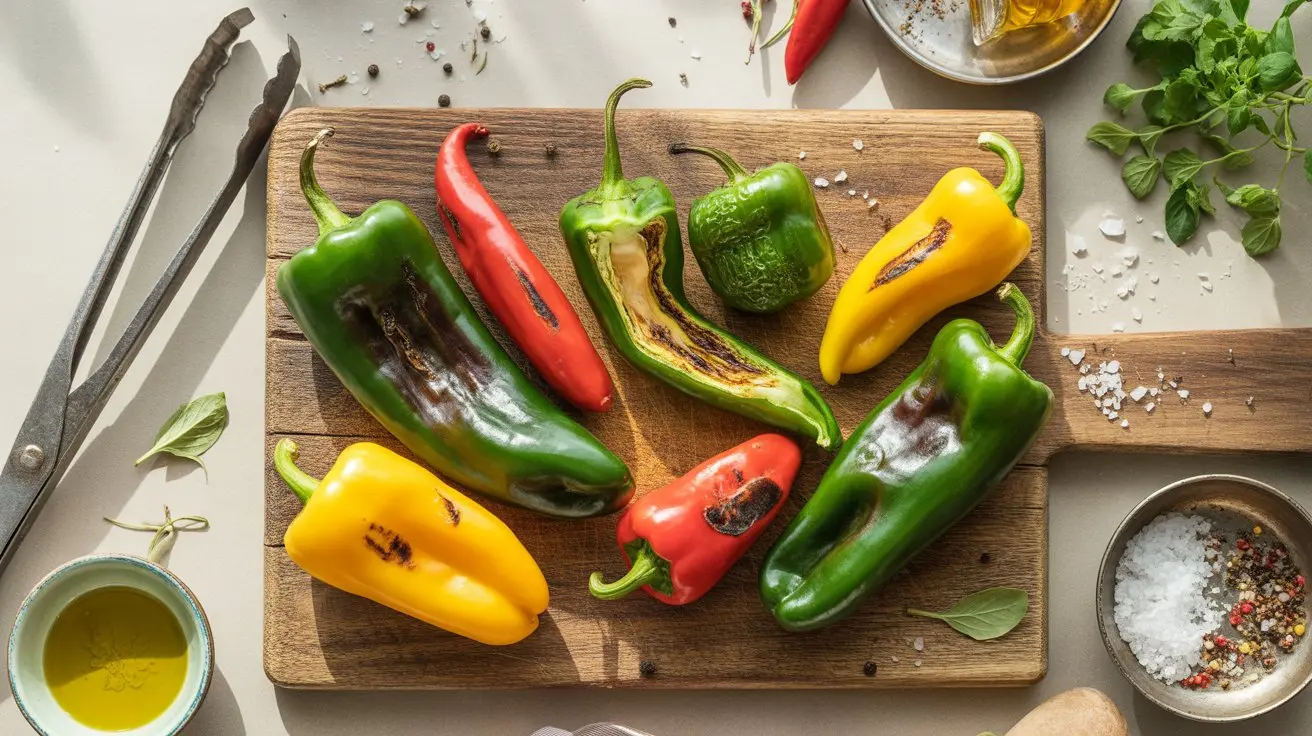
Best Peppers for Grilling
The best peppers for grilling include bell, shishito, Padrón, and jalapeño. Prep, grill times, and flavor-boosting tips. Find your perfect heat level.

Why the Grill Changes Everything About Peppers
Heat transforms peppers in ways a sauté pan simply cannot match. Direct flame chars the skin, concentrates sugars, and softens that raw vegetal edge into something smoky and complex.
The right pepper on the grill becomes a different ingredient entirely - and choosing the wrong one means either mush or an inedible fireball. This guide matches pepper characteristics to grill performance so you get results worth repeating.
Understanding Heat Before You Cook
Pepper selection starts with knowing where each variety sits on the Scoville rating scale - that number tells you whether a pepper will be the main event or just seasoning.
Grilling concentrates flavors, which means capsaicin gets more pronounced as moisture evaporates. A pepper that feels mild raw can register noticeably hotter off the grill.
The reason peppers burn - the receptor science - matters here because heat perception is amplified when you combine capsaicin with char and fat from the grill grates. Keep that in mind when you're building a plate with multiple pepper varieties.
Mild Peppers: Low Stakes, High Reward
Bell peppers are the obvious starting point. They sit at 0 SHU, blister beautifully, and their thick walls hold up through long cook times without collapsing.
Quarter them, brush with oil, and grill cut-side down over medium-high heat for 4-5 minutes. The sugars caramelize fast and you get those dark grill marks without burning through the flesh.
Shishito peppers deserve more grill time than they get. Toss them whole in oil, throw them directly over high heat, and shake the basket every 90 seconds. About one in ten carries a surprise kick - that unpredictability is part of the appeal. They belong in the gentle heat range at roughly 50-200 SHU.
Padrón peppers follow the same logic as shishito but with a slightly more grassy, bitter edge. Both varieties char in under 5 minutes and need nothing more than flaky salt and lemon after cooking.
The distinctively shaped, fruity-mild Bishop's Crown is underused on the grill. Its three-winged structure creates natural pockets that trap oil and seasonings, and the thin walls blister in about 3 minutes over direct flame.
Medium Heat Peppers: The Grill's Sweet Spot
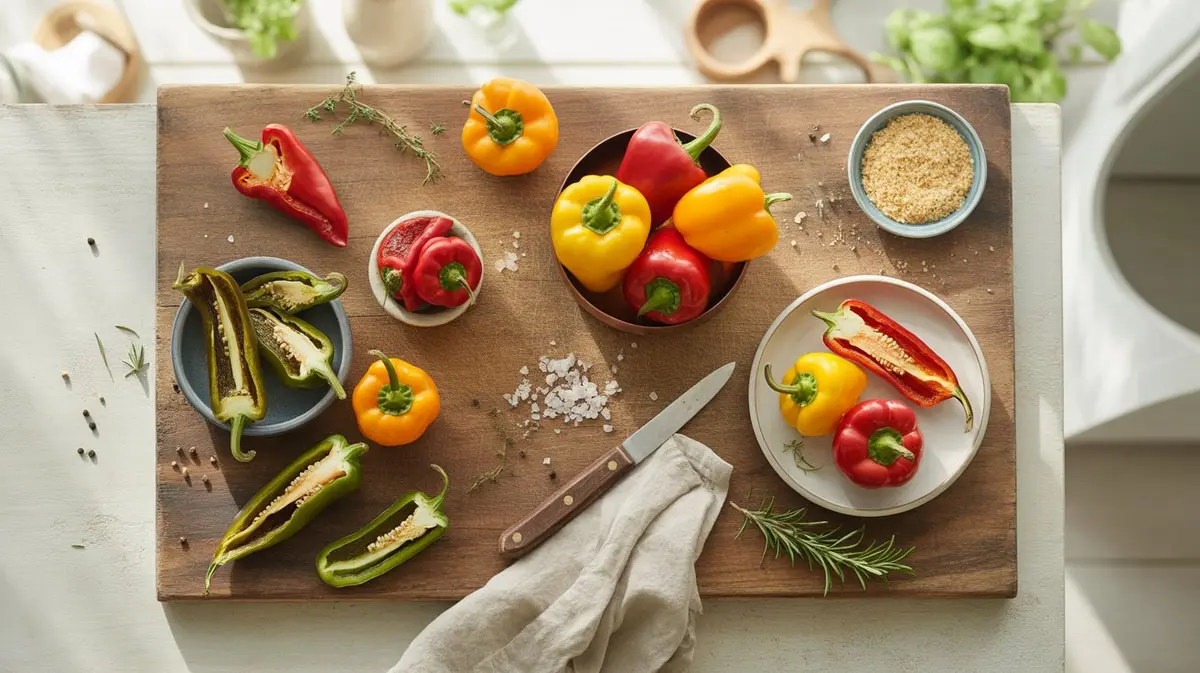
Jalapeños at 2,500-8,000 SHU are probably the most grilled pepper in North America, and for good reason. They're thick enough to hold their shape, thin enough to cook through quickly, and their grassy heat mellows when charred.
Halve them lengthwise, remove seeds if you want less heat, and grill cut-side down for 3-4 minutes. Stuff them with cheese before grilling and you have a dish that works as an appetizer or a side.
Poblanos are the serious griller's workhorse. At 1,000-2,000 SHU, they're mild enough for most guests but complex enough to hold interest. Grill them whole over direct heat, turning every 2 minutes until the skin blackens on all sides - then steam in a covered bowl for 10 minutes before peeling. The result is the base for rajas con crema, one of the most satisfying things you can make from a grill.
Anaheim and New Mexico varieties behave similarly to poblano but with a thinner wall. They sit comfortably in the mid-range heat band and roast faster - about 6-8 minutes total rotating on direct flame.
The NuMex Centennial's ornamental-to-edible range surprises people. These compact peppers grill well whole and transition from yellow through orange to red as they ripen, giving you different flavor profiles depending on when you pick them.
Hot Peppers: Smoke Them or Stuff Them
Serranos at 10,000-23,000 SHU are the jalapeño's sharper, more intense cousin. On the grill, their thin walls blister in under 3 minutes over high heat.
The serrano's crisp, bright heat profile makes it ideal for charring and then chopping into salsas - the smoke from the grill rounds out what can otherwise be a sharp, almost metallic bite when raw.
Fresno peppers occupy similar territory but with a fruitier, slightly sweeter character. They grill faster than serranos due to thinner skin and work well threaded on skewers with chicken or shrimp.
Cayenne at 30,000-50,000 SHU is rarely grilled whole, but the cayenne's sharp, linear heat makes it useful charred and blended into sauces. Grill a dozen alongside your protein, then blend with garlic, vinegar, and olive oil for a table sauce that beats anything from a bottle.
At this heat level, you're in the firmly hot pepper zone - guests should know what they're getting before they bite in.
Extra-Hot and Super-Hot: Handle With Intent
Habaneros at 100,000-350,000 SHU are the upper limit for most grillers. Whole on the grill, they blister and soften in about 4 minutes per side. The heat intensifies dramatically as the flesh breaks down and the oils concentrate.
Use them grilled and diced in small quantities - a single habanero added to a mango-lime salsa for 8 people is exactly right. More than that and you're cooking for yourself.
The bird's eye chili's fierce, penetrating heat makes it a grill ingredient best used as a finishing element rather than a featured component. Char two or three and blend them into a dipping sauce - they contribute smoke and serious heat without overwhelming the protein they accompany.
For those who want to push further, the Jamaican Hot Chocolate's deep, fruity super-heat is genuinely interesting on the grill. At 100,000-200,000 SHU, it carries a rich chocolate-brown color and a flavor that's more complex than most peppers in the extreme heat intensity range. Grill one, blend it with coconut cream and lime, and you have a jerk-adjacent sauce that earns its place on the table.
Anything in the super-hot pepper range - Carolina Reapers, ghost peppers, 7-Pot varieties - should be treated as a flavoring ingredient, not a vegetable. Grill them with gloves on, ventilate your space, and use them in sauces by the quarter or half pepper.
Prep Techniques That Actually Matter
Oil is non-negotiable. Dry peppers stick, burn unevenly, and lose moisture too fast. Toss every pepper in neutral oil before they touch the grate - about 1 tablespoon per pound of peppers is enough.
Salt before grilling, not after, for thick-walled peppers like bells and poblanos. The salt draws out surface moisture, which then evaporates quickly on contact with heat and speeds up caramelization.
For thin-walled peppers like shishito, bird's eye, or cayenne, salt after cooking. Salting beforehand pulls out too much moisture and you end up steaming instead of charring.
- Pat peppers dry before oiling - surface moisture is the enemy of char
- Use a grill basket for small peppers; they fall through standard grates
- Don't move peppers constantly - let them sit for 90 seconds minimum before turning
- Use tongs, not a spatula, for stuffed or halved peppers to prevent filling loss
- Rest grilled peppers for 2-3 minutes before cutting - the internal steam finishes cooking
Direct vs. Indirect Heat: Matching Method to Pepper
Thick-walled peppers - bells, poblanos, Anaheims - benefit from starting over direct heat to get char, then moving to indirect heat to cook through without burning.
Thin-walled peppers - shishito, bird's eye, cayenne - need direct high heat for the entire cook time. They're done in minutes and overcooking turns them bitter.
Stuffed peppers need indirect heat after the initial sear. Put them cut-side up in the indirect zone, close the lid, and let the ambient heat melt the filling and cook the walls through without scorching the outside.
Gas grills run cleaner but produce less smoke flavor. If you're using gas, add a small foil packet of soaked wood chips near the burner - hickory works with most peppers, applewood is better with milder varieties like shishito.
Pairing Peppers With Proteins
Beef and lamb can handle the most assertive pepper flavors. Charred poblanos, serranos, and even habanero-based sauces hold up against the fat and iron of these proteins.
Chicken and pork pair better with mid-range heat. Grilled jalapeños, Fresnos, and Anaheims complement without overwhelming - the pepper should season the meat, not fight it.
Fish and shellfish need restraint. Shishito, Padrón, and Bishop's Crown are natural partners here. Their mild heat and subtle sweetness don't mask the delicacy of seafood the way a serrano would.
Vegetarian grill plates can use peppers as the protein anchor. A whole grilled poblano stuffed with black beans, corn, and queso fresco is a complete dish, not a side. Pair it with charred shishito and you have a plate that holds its own next to anything coming off the grill.
Building a Mixed Pepper Grill Spread
The most effective approach for feeding a group is grilling three or four varieties simultaneously and letting people build their own plates. This requires planning cook times so everything finishes together.
Start the thick-walled peppers first - bells and poblanos need 12-15 minutes total. Add jalapeños and Fresnos at the 8-minute mark. Shishito and small thin-walled peppers go on last, with 4-5 minutes of cook time.
Label heat levels clearly if you're hosting. The difference between a Padrón and a bird's eye chili is not obvious to the uninitiated, and serving them side by side without context will cause problems.
A mixed spread also gives you the chance to show the flavor range within the pepper category - from the sweet char of a bell pepper to the fruity intensity of a habanero-based sauce. That range is what makes peppers interesting to cook with.
Grill-Ready Pepper Quick Reference
- Bell pepper - 0 SHU, 4-5 min direct, quarter or halve
- Shishito - 50-200 SHU, 4-5 min high heat, whole in basket
- Padrón - 500-2,500 SHU, 3-4 min direct, whole
- Bishop's Crown - 5,000-15,000 SHU, 3 min direct, whole or halved
- Jalapeño - 2,500-8,000 SHU, 3-4 min direct, halved or stuffed
- Poblano - 1,000-2,000 SHU, 10-12 min rotating, whole for roasting
- Serrano - 10,000-23,000 SHU, 2-3 min high heat, whole or halved
- Fresno - 2,500-10,000 SHU, 3-4 min direct, whole or skewered
- Cayenne - 30,000-50,000 SHU, 2-3 min direct, whole for sauce blending
- Habanero - 100,000-350,000 SHU, 4 min per side, use sparingly
Sourcing and Seasonal Timing
Late summer is peak pepper season in most of North America - July through September gives you the widest variety at farmers markets and the best prices at grocery stores.
Growing your own gives you access to varieties that never appear in stores. The full germination walkthrough for home growers covers starting peppers from seed indoors 8-10 weeks before your last frost date - which is the right timing to have plants ready for summer grilling season.
For exotic varieties like Bishop's Crown or Jamaican Hot Chocolate, specialty seed suppliers and online retailers are your best source. These peppers rarely appear at standard grocery stores even in peak season.
Buy peppers with firm, glossy skin and no soft spots. Wrinkled skin means the pepper has lost moisture and will char unevenly on the grill. For grilling purposes, slightly underripe peppers often perform better than fully ripe ones - firmer flesh holds up to heat without collapsing.
Frequently Asked Questions
-
Yes - always coat peppers in neutral oil before grilling. Oil prevents sticking, promotes even char, and helps seasoning adhere to the skin. About 1 tablespoon of oil per pound of peppers is sufficient.
-
Grilling concentrates capsaicin as moisture evaporates, so yes - peppers often taste noticeably hotter cooked than raw. A jalapeño that seems mild fresh can register significantly more intense after charring, especially if the seeds remain.
-
Poblanos are the top choice for grilled stuffed peppers - their thick walls hold shape under heat, their mild 1,000-2,000 SHU heat suits most palates, and their size accommodates substantial fillings like beans, cheese, or seasoned meat.
-
Look for blistered, darkened skin with visible char marks on at least two sides. The pepper should feel slightly soft when pressed with tongs. Thick-walled peppers like bells and poblanos should be pliable but not collapsing.
-
You can, but treat them as sauce ingredients rather than vegetables. Grill with gloves, work in a ventilated area, and use grilled super-hots blended into sauces in small quantities - a quarter pepper per batch is typically enough for most recipes.