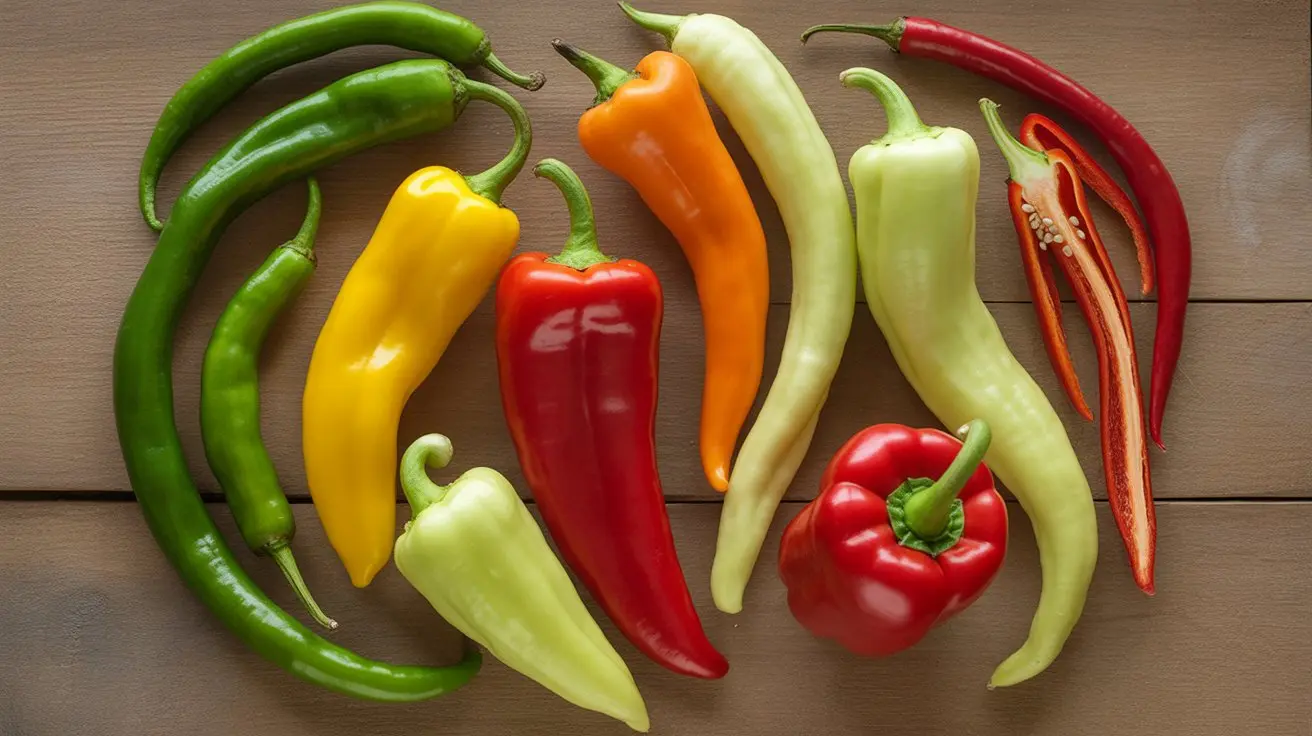
10 Mild Peppers for Beginners
New to peppers? Start with banana, Anaheim, and poblano. We rank 10 mild peppers by flavor, accessibility, and recipes. Find your perfect heat level.

Why Starting Mild Actually Makes You a Better Cook
Most people assume pepper knowledge means chasing heat. The opposite is true. Mild peppers carry more complexity — sweetness, earthiness, fruitiness, grassy bitterness — than their hotter cousins, which often just taste like fire.
Starting here trains your palate to distinguish flavors rather than just survive them. The ten peppers below cover the full range of what mild means: from near-sweet bell territory to the low end of genuine heat, all sitting comfortably in the mild heat classification range on the Scoville scale.
What "Mild" Actually Means on the Scoville Scale
The Scoville scale measures capsaicin concentration in Scoville Heat Units (SHU). Mild peppers generally fall between 0 and 2,500 SHU, though some sources stretch the category to 5,000 SHU.
For context, a chipotle (smoked jalapeño) lands around 2,500-8,000 SHU. Every pepper on this list sits well below that — most beginners won't register any heat at all from the milder entries. The Scoville ranking method gives you a reliable framework for comparing these peppers before you buy.
The 10 Mild Peppers Worth Knowing
1. Bell Pepper (0 SHU)
The starting point for nearly every Western cook, bell peppers contain zero capsaicin due to a recessive gene that blocks capsaicin production entirely. Red bells are simply ripened green ones — sweeter, higher in vitamin C, and more complex in flavor.
They work raw in salads, roasted until charred and soft, or stuffed with rice and meat. If you've never paid attention to the flavor difference between a green and a red bell, that's your first experiment.
2. Banana Pepper (0-500 SHU)
Banana peppers bring a tangy, slightly sweet flavor that makes them ideal for pickling. The pickled version is a staple on sub sandwiches across the U.S., and the fresh version works well sliced into salads or stuffed with cream cheese.
Don't confuse them with pepperoncini — similar shape, but banana peppers are milder and less bitter. Both are Capsicum annuum varieties with a long growing history in Mediterranean and American kitchens.
3. Anaheim Pepper (500-2,500 SHU)
The Anaheim is the workhorse of mild green chiles in American cooking. Long, smooth-skinned, and versatile, it's the pepper most commonly used for chile rellenos and green chile sauce in the Southwest.
Fresh Anaheims taste grassy and slightly sweet. Roasted and peeled, they develop a smoky depth that transforms any dish. They're closely related to the New Mexico/Hatch chile — same variety, different growing region, noticeably different flavor due to soil and altitude.
4. Poblano (1,000-1,500 SHU)
In Mexican pepper traditions, the poblano is arguably the most important chile. It's the foundation of mole negro, the classic stuffed pepper for chiles en nogada, and the dried form — ancho — is one of the most-used dried chiles in the world.
Fresh poblanos have an earthy, almost chocolatey flavor with just enough heat to register. Roasting is essential — it softens the thick skin and concentrates the flavor. This is the pepper that converts people who think they don't like heat.
5. Cubanelle (0-1,000 SHU)
Also called the Italian frying pepper, the cubanelle is thin-walled, sweet, and built for high-heat cooking. It blisters and softens quickly in a pan, making it the go-to pepper for sausage-and-pepper sandwiches in Italian-American cooking.
Raw cubanelles taste slightly bitter and grassy. Cooked, they turn sweet and silky. If you've only eaten them raw, you're missing the point of this pepper entirely.
6. Pimento (100-500 SHU)
The pimento — heart-shaped, deep red, intensely sweet — is what gets stuffed into green olives and ground into paprika. Fresh pimentos are rarely found outside specialty markets, but the jarred version is a pantry staple for pimento cheese, deviled eggs, and countless Southern dishes.
Flavor-wise, they're sweeter and more aromatic than red bell peppers, with a fruitiness that makes them worth seeking out fresh when possible. The dried and ground form, Spanish pimentón, is one of the most complex mild spices in any kitchen.
7. Shishito (50-200 SHU, occasional spiker)
They come from Japanese pepper traditions and have become standard bar food across the U.S. over the past decade. The flavor is grassy, slightly sweet, and clean — nothing complicated, which is exactly what makes them addictive when properly charred.
8. Cherry Bomb Pepper (2,500-5,000 SHU)
The thick-walled, snackable cherry bomb sits at the upper edge of mild territory — enough heat to notice, not enough to intimidate. The round shape and crisp flesh make it ideal for pickling whole or stuffing with cheese and prosciutto.
Cherry bombs are far milder than a chipotle despite their aggressive name. They hold their structure during cooking, which is rare among mild peppers, making them genuinely useful for stuffed preparations that need to survive oven time.
9. Biquinho Pepper (500-1,000 SHU)
The small teardrop-shaped biquinho comes from Brazil and has been gaining traction in specialty food circles for good reason. The flavor is fruity and slightly smoky with almost no heat — more sweet than spicy, with a pop of juice when you bite into one.
They're traditionally pickled in Brazil and served as appetizers or alongside feijoada. The Capsicum chinense species connection might surprise you given how mild they are — the same species includes habaneros — but biquinho expresses almost none of that heat.
10. Pretty in Purple Pepper (500-1,000 SHU)
The ornamental-to-edible purple pepper earns its spot on this list for both flavor and visual appeal. The color fades to red at full ripeness, and the flavor follows — moving from slightly bitter and grassy when purple to sweeter and fruitier when red.
It's a legitimate cooking pepper despite its ornamental reputation. Use it fresh in salads for color contrast, or let it ripen to red for a milder, sweeter flavor. A good option for container gardens where visual appeal matters as much as yield.
Flavor Profiles: What to Expect From Each
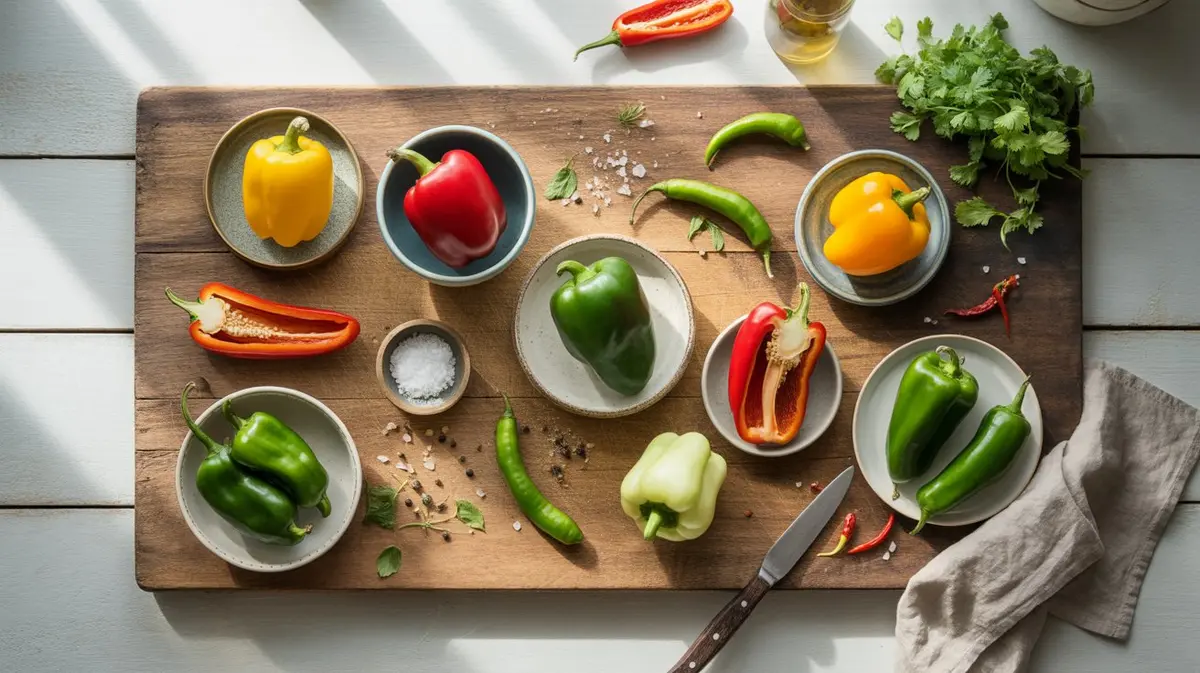
Mild doesn't mean flavorless — it means the heat isn't competing with everything else. Here's how to think about flavor categories across these ten peppers:
- Sweet/fruity: Bell, pimento, biquinho, ripe banana pepper
- Earthy/complex: Poblano (especially roasted), ancho (dried poblano)
- Grassy/clean: Shishito, cubanelle (raw), Anaheim (fresh)
- Tangy: Banana pepper (pickled), pepperoncini
- Mild heat with substance: Cherry bomb, Pretty in Purple
Knowing these categories helps you substitute intelligently. If a recipe calls for roasted poblanos and you don't have them, an Anaheim gets you closer than a bell pepper does.
Cooking Methods That Change Everything
The biggest mistake beginners make is treating all peppers the same regardless of preparation. Roasting fundamentally changes flavor — it reduces bitterness, increases sweetness, and adds smokiness that no other technique replicates.
For thick-walled peppers like poblanos and Anaheims, char them directly over a gas flame or under a broiler until blackened, then steam in a covered bowl for 10 minutes. The skin slips off and the flesh underneath is transformed.
Thin-walled peppers — shishitos, cubanelles, banana peppers — do better in a dry cast iron pan over high heat. No oil needed. Just let them blister and soften. The char adds flavor without making them soggy.
Pickling works for almost anything on this list and extends shelf life dramatically. A simple brine of equal parts white vinegar and water with salt and sugar, poured hot over sliced peppers, keeps in the fridge for months.
Growing Your Own: Where to Start
Most mild peppers are easier to grow than their heat would suggest. Bell peppers are notoriously finicky about temperature — they need consistent warmth and don't tolerate cold snaps — but most others on this list are forgiving.
Poblanos, Anaheims, and banana peppers are all reliable producers in home gardens across USDA zones 5-11. Shishitos have become a favorite among container gardeners because of their compact size and heavy production. For anyone starting from seed indoors, the transplanting timing and indoor starting guide covers the critical details around soil temperature and hardening off.
The dark-foliaged, compact royal black pepper is worth considering for ornamental-edible gardens — it produces small, mildly hot peppers on plants that look genuinely attractive in containers or borders. Similar logic applies to the ornamental-to-edible purple pepper, which is already on this list for flavor but doubles as a visual asset in any garden space.
Which Pepper to Buy First
If you've never cooked seriously with peppers beyond bells, start with a poblano. It has the most instructive flavor profile — earthy, complex, just enough heat — and teaches you the single most important technique: roasting and peeling.
Second pick: shishitos. Buy a bag, blister them whole in a dry pan, finish with flaky salt. You'll understand immediately why people order them as bar food. No prep, no technique required, and the flavor-to-effort ratio is unmatched.
For pickling beginners, banana peppers are the easiest entry point. The flavor is forgiving, the slicing is straightforward, and the results are immediately useful.
Stepping Up: What Comes After Mild
Once you're comfortable with everything on this list, the logical next step is the medium heat tier — peppers like jalapeños, serranos, and fresno chiles that bring genuine heat but still allow you to taste what's happening.
The earthy, dried-chile complexity of the chilhuacle is a natural progression from poblano/ancho territory — similar flavor family, more depth. The darkly pigmented, moderately hot Count Dracula pepper bridges the gap between ornamental mild varieties and peppers with a real kick.
Understanding how the TRPV1 response works at a molecular level explains why your heat tolerance builds over time — repeated exposure actually desensitizes the receptors temporarily, which is why regular pepper eaters can handle heat that stops newcomers cold.
The progression from mild to medium to hot isn't just about tolerance. Each tier introduces new flavor compounds, new preparation techniques, and new culinary traditions worth knowing. Mild peppers aren't training wheels — they're the foundation.
Frequently Asked Questions
-
Poblano peppers offer the best flavor-to-heat ratio for beginners. At 1,000-1,500 SHU, they bring earthy, slightly chocolatey complexity without any real burn, especially when roasted.
-
No, though they look similar. Banana peppers are milder and sweeter, while pepperoncini carry more bitterness and a slightly higher heat level. Both are pickled frequently, which makes them easy to confuse in jars.
-
Environmental stress during growing - inconsistent watering, heat spikes, or nutrient changes - can trigger capsaicin production in individual fruits. Roughly one in ten shishitos carries a noticeable kick as a result.
-
Yes, with adjustments. Anaheims are thinner-walled and slightly milder, so they work in most poblano recipes but won't hold up as well for stuffed preparations. Roast both the same way - direct flame, then steam to remove skin.
-
Unwashed, in the crisper drawer in a loosely sealed bag, most mild peppers last 1-2 weeks. Roasted and peeled peppers freeze well for up to 6 months - freeze flat on a sheet pan first, then transfer to bags.