How to Grow Carolina Reapers
Growing Carolina Reapers requires 120+ day season, heat mats, patience. Germination, transplant, and maximum Scoville heat. Find your perfect heat level.

The World's Hottest Pepper — And Why People Grow It Anyway
The Carolina Reaper holds a place in pepper culture that goes well beyond its Scoville rating. Created by Ed Curlin in Fort Mill, South Carolina, it became the Guinness World Record holder for hottest pepper in 2013, and it has stayed in the cultural conversation ever since — appearing in challenge videos, hot sauce labels, and backyard gardens across the country.
Growing one yourself is a different kind of experience than buying a bottle of Reaper sauce. There's something deeply satisfying about coaxing a plant from a tiny seed into a monster that produces pods capable of hitting 2.2 million SHU at peak.
This guide covers everything you need to actually pull it off — from germination to harvest — with the specific timing and conditions this variety demands.
What Makes Carolina Reapers Challenging to Grow
The Reaper belongs to Capsicum chinense, the species behind most extreme-heat varieties, which means it carries all the growing quirks of that family: slow germination, long season, and a strong preference for heat and humidity.
Most backyard gardeners underestimate the season length. Reapers need 120 to 150 days from transplant to first harvest, which means you're starting seeds indoors as early as January or February in most of North America.
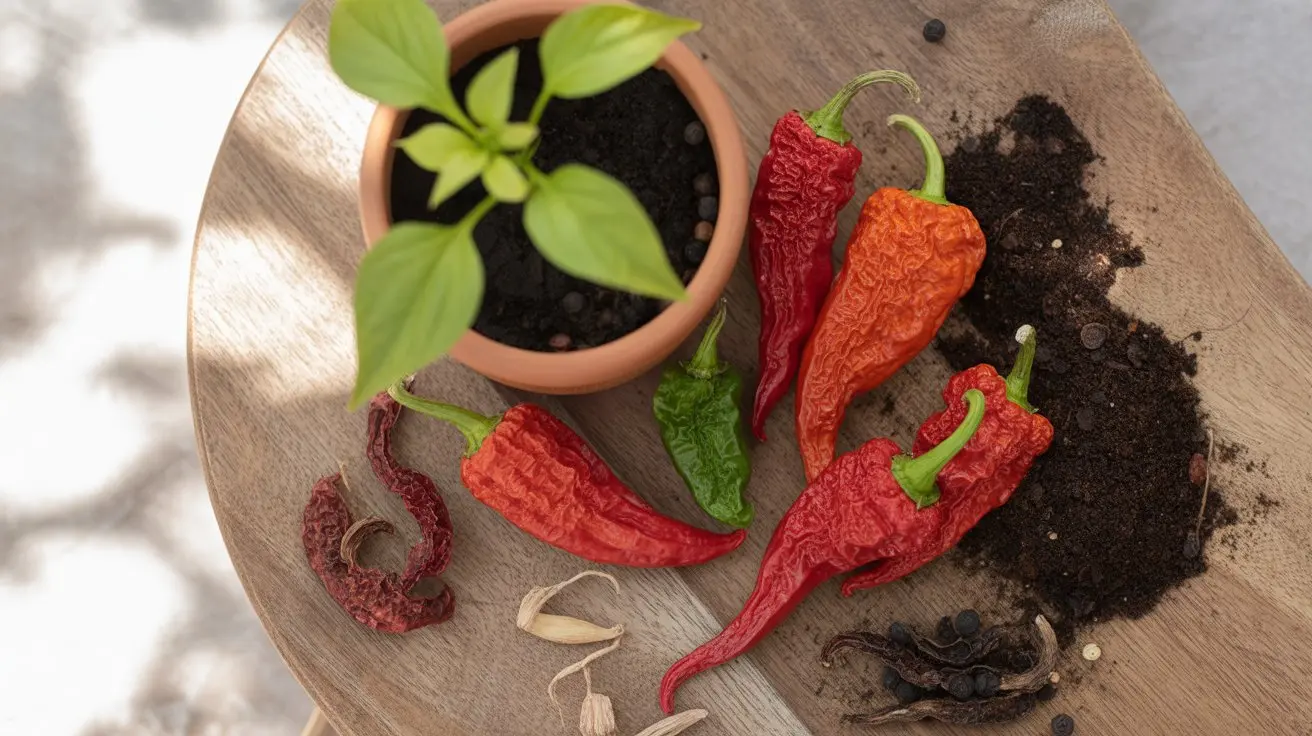
The upside is that the plants are vigorous once established. A single healthy Reaper plant can produce 20 to 30 pods over a full season, and the pods themselves are unmistakable — wrinkled, red, and tipped with a small pointed tail that earned the variety its name.
Starting Seeds: Timing and Setup
Germination is where most Reaper grows fail. The seeds are slow and finicky, and they need consistent warmth that most household environments don't naturally provide.
Start seeds 10 to 12 weeks before your last frost date. In zones 6 and 7, that typically means a January or February start. Zone 9 and warmer growers can push to March.
Soil temperature is the critical variable. Reaper seeds germinate best between 80°F and 90°F. A heat mat placed under your seed tray is not optional — it's the single most reliable upgrade you can make to your germination setup. Without bottom heat, germination rates drop significantly and can stretch past 30 days.
Use a sterile seed-starting mix, not garden soil or potting mix. Sow seeds about 1/4 inch deep, one or two per cell. Cover the tray with a humidity dome to trap moisture and maintain the microclimate seeds need.
Expect germination in 14 to 21 days under ideal conditions. Some seeds take 30 days or longer — don't give up on them too early. If you're comparing this process to indoor starting techniques for other pepper varieties, Reapers sit at the more demanding end of the spectrum.
Light Requirements After Germination
Once seedlings emerge, light becomes the priority. Carolina Reapers need 14 to 16 hours of light daily during the seedling phase, which a sunny windowsill rarely provides — especially in winter.
A dedicated grow light positioned 2 to 4 inches above the seedlings produces noticeably stronger plants. Leggy, pale seedlings are a sign of insufficient light, and they tend to struggle at transplant time.
Keep the grow light on a timer. Consistency matters more than intensity at this stage. T5 fluorescents and LED grow panels both work well; the key is proximity and duration.
Transplanting: Timing and Hardening Off
Transplant outdoors only after nighttime temperatures are reliably above 55°F. Cold soil and cool nights stall Reaper growth dramatically — the plants sit still rather than establishing, which costs you weeks of the season you can't afford to lose.
Before moving plants outside permanently, spend 7 to 10 days hardening them off. Start with an hour of outdoor shade, gradually increasing sun exposure and duration each day. Skipping this step leads to sunscald on leaves that have only ever seen grow-light conditions.
Space transplants at least 18 to 24 inches apart. Reaper plants get large — often 3 to 4 feet tall and wide in a full season — and crowding them restricts airflow and increases disease pressure.
Soil, Fertilizer, and Water
Reapers perform best in well-draining soil with a pH between 6.0 and 6.8. Heavy clay soils that stay wet after rain are a problem — waterlogged roots are a fast path to plant loss.
Amend beds with compost before planting, and if drainage is an issue, consider raised beds or containers. A 5-gallon container minimum per plant works well for patio growers; bigger is better.
Fertilization follows a two-phase approach. During vegetative growth, use a balanced fertilizer or one slightly higher in nitrogen (10-10-10 or similar). Once flowers appear, switch to a lower-nitrogen, higher-phosphorus formula to encourage fruiting rather than leaf production.
Water consistently but don't overwater. The goal is soil that stays moist but never soggy. In hot weather, containers may need daily watering. In-ground plants in loamy soil can often go two to three days between waterings once established.
Heat and the Scoville Scale
The Reaper's average Scoville rating sits around 1.6 million SHU, with individual pods tested as high as 2.2 million. For context, that's roughly 175 times hotter than a chipotle pepper, which typically registers around 8,000 to 10,000 SHU.
That heat comes from extraordinarily high capsaicin concentration. The TRPV1 receptor response triggered by capsaicin at these concentrations is intense enough to cause physical symptoms beyond mouth burn — including hiccups, sweating, and in some cases temporary numbness.
The Reaper sits at the very top of the super-hot heat classification tier, sharing space with a handful of other modern hybrids. If you're curious how it stacks up against another extreme variety, the Chocolate Bhutlah's dense, dark heat profile makes for an interesting comparison — it competes with the Reaper for intensity in a very different flavor package.
For a full ranking context, the Scoville ranking method and how peppers are measured explains why two pods from the same plant can test differently.
Pest and Disease Management
Reapers aren't uniquely susceptible to pests, but their long season gives problems more time to develop. Aphids, spider mites, and thrips are the most common visitors.
Check the undersides of leaves weekly. A strong spray of water dislodges aphid colonies before they establish. For persistent mite infestations, neem oil applied in the evening (to avoid burning leaves in sun) is effective and won't harm beneficial insects if applied carefully.
Bacterial leaf spot is the most common disease issue, especially in humid climates. It appears as small dark spots with yellow halos on leaves. Avoid overhead watering, space plants for airflow, and remove affected foliage promptly.
Phytophthora root rot is the other major threat and is almost always caused by overwatering or poor drainage. There's no recovery once it takes hold — prevention through soil management is the only reliable strategy.
Pollination and Pod Development
Reapers are self-fertile, so you don't need multiple plants for fruit set. However, pollination rates improve with airflow or gentle physical agitation of the flowers.
If you're growing indoors or in a greenhouse, use a small fan or tap the flower clusters lightly every few days to simulate wind. Poor fruit set is a common complaint from greenhouse growers who skip this step.
Once a pod sets, it takes 90 to 120 days to fully ripen to red. Green Reapers exist but haven't developed their full heat or flavor. Wait for the characteristic deep red color and the slight wrinkling of the skin before harvesting.
Harvest and Handling
Wear nitrile gloves every time you handle Reapers. The capsaicin oils penetrate skin and transfer easily — touching your face or eyes after handling pods without gloves is a serious mistake that experienced growers don't make twice.
Use scissors or pruning shears to cut pods from the plant rather than pulling them. Pulling can damage branches and stress the plant. Cut with a short section of stem attached to extend shelf life.
Harvested pods store in the refrigerator for 1 to 2 weeks. For longer storage, drying and freezing are both effective. Dried Reapers can be ground into powder — one of the most concentrated hot pepper powders available. A small pinch goes further than a full chipotle in any recipe.
Comparing Reapers to Other Hot Varieties
Context helps when you're deciding whether to grow Reapers or something slightly more manageable. The fiery, compact heat of Thai chilies tops out around 100,000 SHU — intense in cooking but a fraction of Reaper territory.
Smaller wild varieties like the tiny but potent chiltepin and the round, sharp-heat piquin are both significantly easier to grow and produce abundantly, making them better choices if you want hot peppers without the season-length commitment.
For medium-heat growing that's almost effortless by comparison, the fruity, moderate heat of aji mirasol and the waxy, tangy cascabella are worth considering as companion plants in the same garden — they ripen faster and give you something to harvest while the Reapers are still developing.
Overwintering Your Plants
Carolina Reapers are perennials in frost-free climates, and overwintering them is worth the effort. A plant in its second year produces earlier and more heavily than a first-year plant.
Before the first frost, cut the plant back to about one-third of its size, dig it up (or bring the container inside), and move it to a cool, bright indoor location. A basement with a grow light or a sunny south-facing window works. Water sparingly through winter — just enough to keep the roots alive.
When temperatures warm in spring, gradually reintroduce the plant to outdoor conditions. Overwintered plants typically flower 4 to 6 weeks earlier than new seedlings, which is a significant advantage in short-season climates.
Final Notes on Growing Carolina Reapers
The Reaper rewards patience and attention to detail. Get the germination setup right — heat mat, humidity dome, consistent warmth — and the rest of the season follows more smoothly.
The American pepper breeding tradition that produced this variety is relatively recent, but the techniques for growing extreme-heat Capsicum chinense peppers are the same ones used for older superhots. Treat it like the demanding plant it is, and you'll have pods by late summer that will last you through the winter in dried or frozen form.
If you're new to superhots and want to understand the full heat landscape before committing to a Reaper grow, browsing the extra-hot pepper classification range gives useful perspective on what sits just below the top tier — and might be a better starting point for your first season.
Frequently Asked Questions
-
Carolina Reapers need 120 to 150 days from transplant to first harvest, plus another 10 to 12 weeks of indoor seed starting. Plan on roughly 7 to 8 months total from seed to ripe pod in most climates.
-
Yes — soil temperature between 80°F and 90°F is essential for reliable germination. Without a heat mat, germination rates drop and the process can stretch past 30 days or fail entirely.
-
A healthy, well-established plant typically produces 20 to 30 pods per season. Second-year overwintered plants often produce more and ripen 4 to 6 weeks earlier than first-year seedlings.
-
Yes, but use a minimum 5-gallon container per plant — larger is better. Container plants need more frequent watering in hot weather and benefit from a high-quality potting mix with excellent drainage.
-
No. The capsaicin oils penetrate skin easily and transfer to eyes and mucous membranes with minimal contact. Nitrile gloves are standard practice — even experienced growers use them every time.