How to Use Chipotle Powder for Smoky Heat Without Adding Liquid
Chipotle powder adds smoke, dried-fruit depth, and jalapeno heat without adding liquid. Start with 1/4 teaspoon for four servings, then adjust only after it disperses through the dish.
What Does Chipotle Powder Add to a Dish?
Chipotle powder brings wood smoke, ripe jalapeno fruit, and moderate chile heat in one dry ingredient. It works best when a dish needs smoke without the water, vinegar, tomato, or salt that come with canned chipotles in adobo.
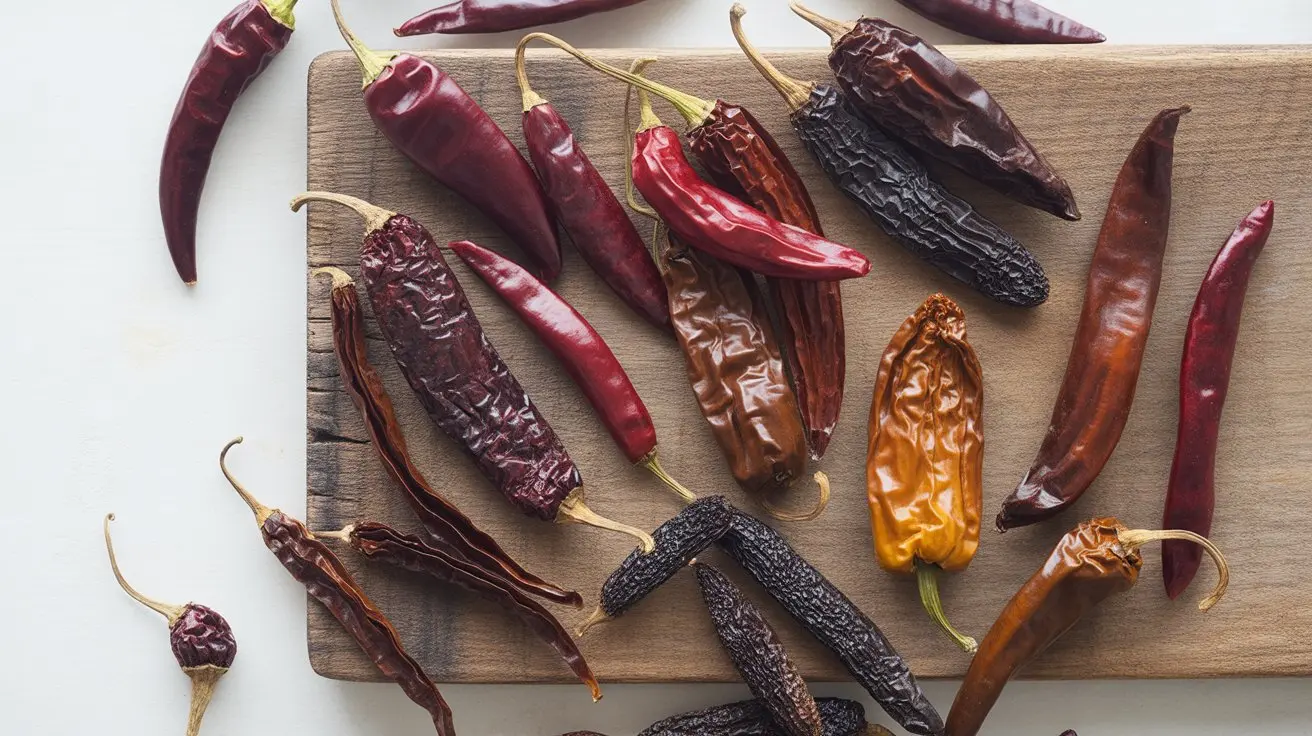
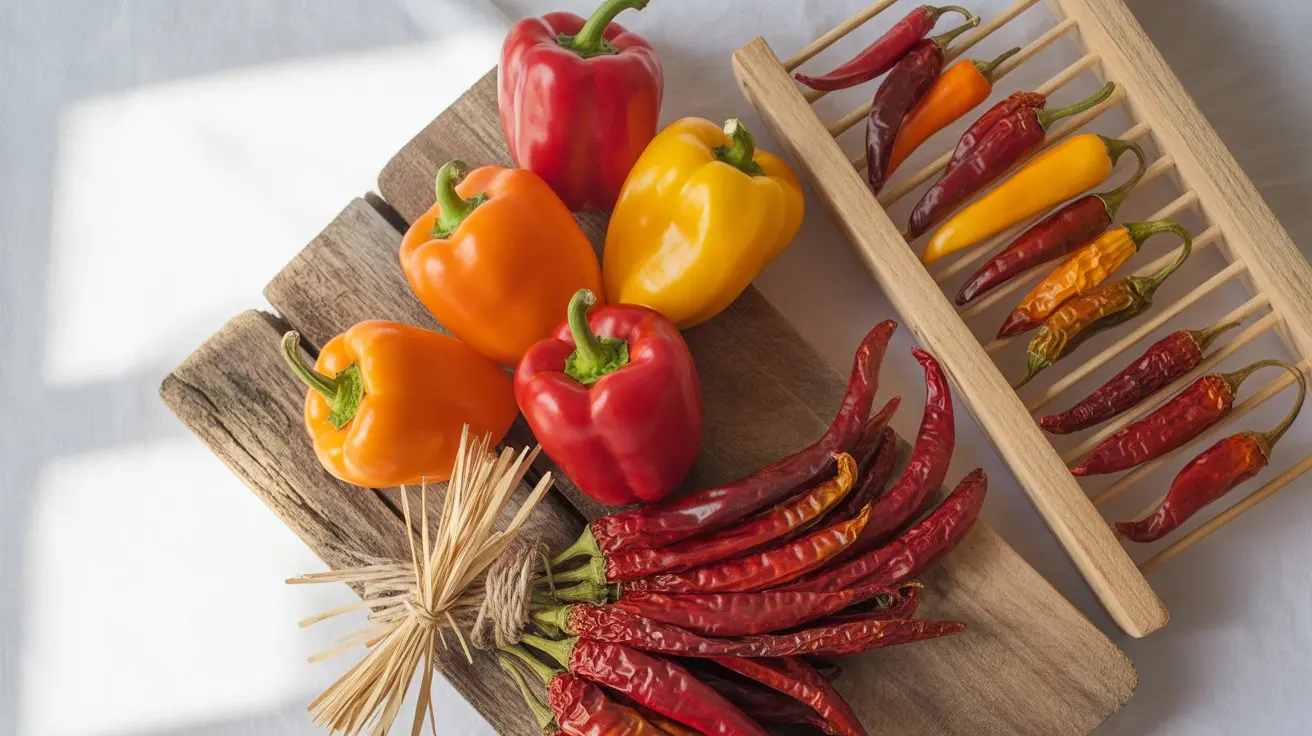
A 2017 study indexed by PubMed describes chipotle as a dry-smoked red jalapeno and found that the smoking process changes measurable compounds in the fruit. Aroma research from the University of Illinois separates the result into compounds already present in ripe jalapenos, smoke-derived phenols such as guaiacol and syringol relatives, and aromas formed during drying.
That layered chemistry explains why the powder tastes more complex than plain jalapeno powder. Smoke arrives first, while dried-fruit sweetness and heat build underneath it.
The label should list ground chipotle pepper when the jar contains a pure powder. A seasoning labeled chipotle blend may also contain salt, sugar, garlic, cumin, or anti-caking ingredients, so check the ingredient panel before following a dose intended for pure ground chile.
How Much Chipotle Powder Should You Use?
Use a measured starting dose because smoke can dominate before the heat feels excessive. The amounts below are KnowThePepper editorial starting points for pure chipotle powder, not fixed recipe standards.
| Cooking job | Starting amount | When to adjust |
|---|---|---|
| Background smoke in four servings | 1/8 to 1/4 teaspoon | Add another pinch after the powder disperses |
| Clearly smoky chili, beans, or sauce | 1/2 teaspoon for four servings | Increase only after simmering for several minutes |
| Dry rub | 1 teaspoon per 2 tablespoons of total rub | Reduce when the rub already contains hot chile |
| Mayo, yogurt, or crema | 1/4 teaspoon per 1/2 cup | Rest 20 minutes, then taste again |
| Finishing salt | 1 part chipotle to 3 parts salt | Use a lighter ratio on delicate food |
A narrow measuring spoon gives better control than shaking from the jar. For a new brand, begin at the lower end because chipotle variety, grind, age, and the amount of smoke absorbed during processing all affect intensity.
Scale by the food rather than the pot alone. A thick bean stew can absorb more powder than a light pan sauce of the same volume because starch, fat, and solids spread the smoke across more bites.
Should You Bloom, Simmer, or Finish With Chipotle Powder?
Choose the timing from the result you want. Blooming spreads the powder, simmering integrates it, and finishing keeps it concentrated on the surface.
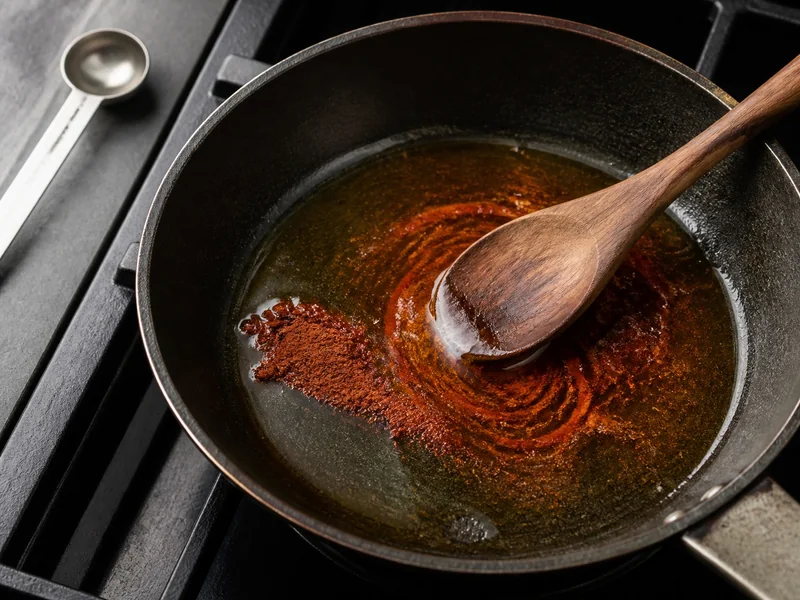
For chili, beans, taco filling, or a tomato sauce, stir chipotle powder into warm oil or rendered fat for about 15 to 30 seconds before adding liquid. Keep the heat moderate and stop when the aroma rises because ground chile can scorch quickly and turn bitter.
A long simmer rounds the smoky edge and distributes heat through the whole pot. Add the powder with the other dry spices when every serving should taste consistent, then reserve final adjustments until the sauce has reduced.
Finishing works differently. A small dusting on eggs, corn, fries, popcorn, roasted squash, or a drink rim creates distinct smoky bites, so use less than you would in a pot and mix it with salt for even coverage.
Dry powder clumps when it hits a wet surface in one spot. Whisk it into a spoonful of sauce, oil, melted butter, or dressing first when smooth distribution matters.
What Foods Work Best With Chipotle Powder?
The strongest uses give smoke a clear job instead of adding it to every spicy dish. Choose the application by whether the powder must season a surface, dissolve into fat, or spread through a moist base.
Dry rubs and seasoning blends
Pork shoulder, chicken thighs, mushrooms, tofu, and roasted nuts can carry chipotle powder on the surface. Pair it with salt and a little sugar for browning, then add cumin, coriander, garlic, or oregano only when those flavors fit the dish.
In taco seasoning, replace only part of the chili powder blend. Pure chipotle supplies pepper and smoke but does not replace the cumin, garlic, oregano, or salt that may already be built into the blend.
Sauces, beans, and braises
Tomato, black beans, lentils, beef, and dark poultry give smoke enough body to settle into the dish. Bloom the powder before liquid for an even base, or add a small second dose late when the first addition disappears during a long simmer.
Barbecue sauce and enchilada sauce benefit when sweetness and acidity keep the smoke from tasting flat. Chipotle powder adds no water, which makes it useful when a sauce already has the right consistency.
Roasted vegetables and quick finishes
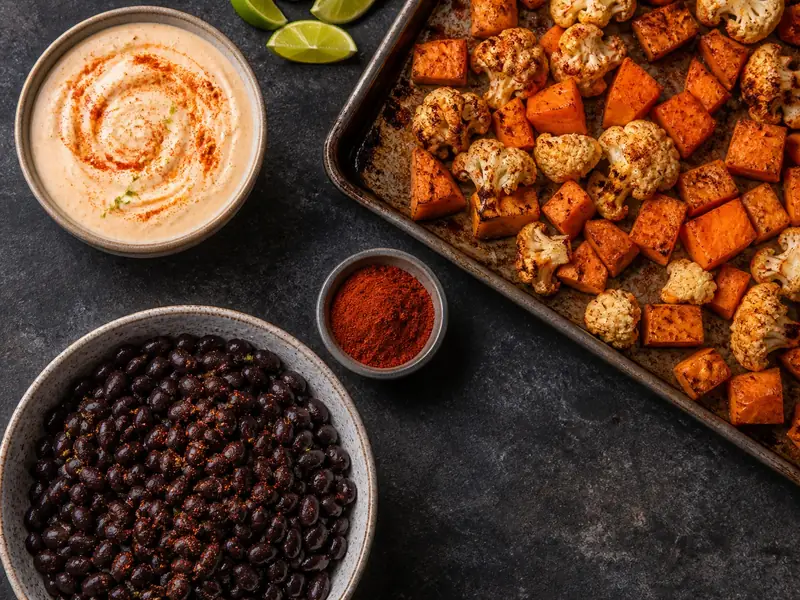
Sweet potato, winter squash, cauliflower, carrots, and corn create a useful sweet contrast. Toss the powder into oil before coating the vegetables so it does not collect in dry, bitter patches.
Eggs, avocado, popcorn, and macaroni and cheese need only a pinch at the finish. These foods expose the smoke clearly, so a heavy dose can erase their own flavor faster than it would in a stew.
Chocolate and fruit
Cocoa, caramel, mango, pineapple, and orange can support a restrained amount of chipotle. The pairing works when the powder leaves a warm smoky finish rather than turning dessert into a hot-sauce imitation.
Mix the powder into sugar, cocoa, or another dry ingredient before adding liquid. That step prevents one slice, cookie, or cup from receiving a concentrated pocket of chile.
Why Do Cold Mixtures Need Resting Time?
Chipotle powder can go directly into mayonnaise, yogurt, sour cream, softened butter, hummus, vinaigrette, or a bean dip. Mix, rest for 20 minutes, and taste again before adding more.
The pause lets fine particles hydrate and allows smoke to spread through the fat and water in the base. A mixture that tastes weak immediately can become noticeably stronger without another spoonful.
Lime or vinegar sharpens a cold sauce, while fat softens the way capsaicin reaches the palate. Set salt and acidity after the resting period because both can change how prominent the smoke seems.
For a pourable crema, thin the rested mixture a teaspoon at a time with water or lime juice. Adding liquid before the powder hydrates makes it easy to overshoot the final consistency.
Can Other Chipotle Forms Replace the Powder?
Chipotle powder is a pure dry chile ingredient, so the closest substitute depends on whether the dish needs smoke, heat, dry texture, or all three. No single replacement reproduces every part.
| Possible swap | What it supplies | What you must correct |
|---|---|---|
| Chili powder blend | Chile flavor plus mixed seasonings | Usually less smoke and a different salt, cumin, and garlic balance |
| Smoked paprika | Red color and smoke with much less heat | Add a separate hot chile only when the dish needs more burn |
| Chipotles in adobo | Chipotle smoke and heat in a wet sauce | Reduce other liquid and account for tomato, vinegar, salt, and sugar |
| Ancho powder | Dried-fruit depth and mild chile body | Add smoke separately if it is essential to the dish |
When a recipe calls for chili powder, replacing the full amount with chipotle powder usually makes the dish smokier and hotter while removing other seasonings. Replace a smaller share first, then rebuild the missing cumin, garlic, oregano, and salt from the recipe's needs.
Smoked paprika is the best direction when smoke matters more than heat. Chipotles in adobo belong in wet sauces, while powder is the better fit for rubs, spice blends, popcorn, and any mixture whose moisture must not change.
How Do You Fix Too Much Chipotle Smoke or Heat?
First decide whether the problem is smoke dominance or capsaicin heat. The corrections overlap, but treating the wrong problem can make the dish sweeter, thinner, or more acidic without restoring balance.
- Smoke dominates: add more unsmoked base such as tomato, beans, stock, dairy, or cooked vegetables.
- Heat dominates: increase the full recipe volume, then use fat or a modest amount of sweetness to soften perception.
- The dish tastes bitter: check for scorched powder and dilute with an unburned base instead of adding more spice.
- The sauce tastes flat: adjust salt first, then add acid in small amounts after the smoke is balanced.
Water alone spreads excess powder through a larger volume but can leave a thin sauce with the same harsh balance. Add an ingredient that belongs in the dish, such as crushed tomato to chili or plain yogurt to a cold sauce.
Do not chase smoke with several corrections at once. A measured dilution followed by one salt or acid adjustment makes the result easier to judge.
How Should You Store Chipotle Powder?
Store chipotle powder in a tightly closed container away from steam, sunlight, and stove heat. The FDA's spice risk profile identifies moisture, open containers, contaminated utensils, insects, and cross-contact surfaces as avoidable problems in retail and home storage.
Use a dry measuring spoon and pour the dose away from a steaming pot. Shaking the jar directly over steam can introduce moisture and makes the amount harder to control.
Loss of aroma is usually the first quality failure. Replace the powder when a freshly opened jar smells faint, dusty, or mostly like generic heat, especially when adding more only makes the dish hotter rather than smokier.
Buying a smaller jar often preserves better flavor than keeping a large container for years. Write the opening month on the lid and compare the aroma before increasing an old dose.