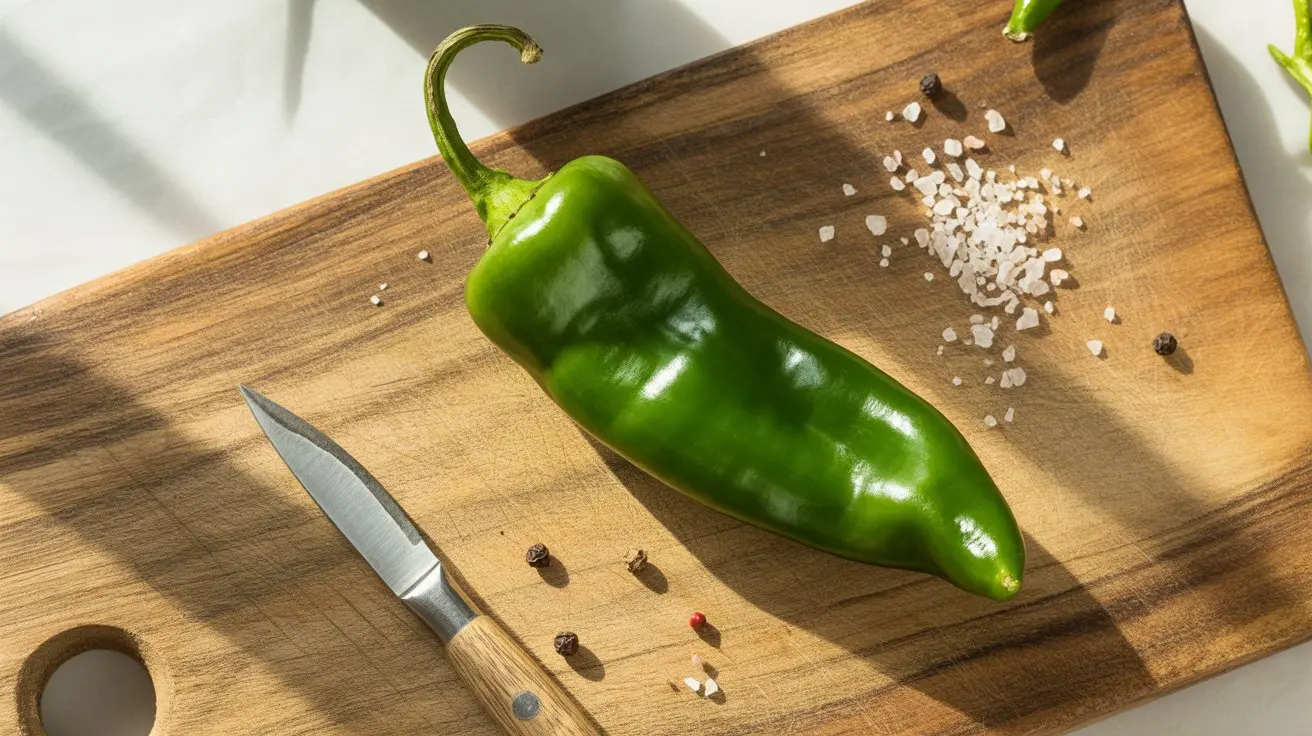
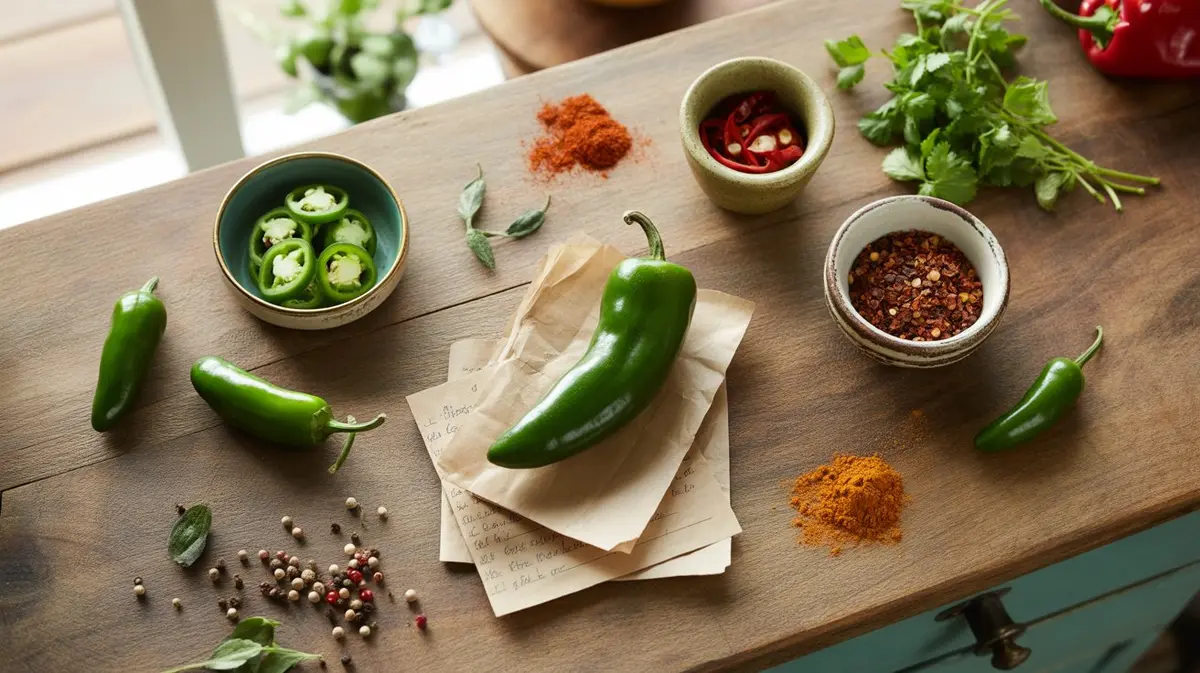
Serranos bring a bright, grassy heat to salsas, hot sauces, and fresh preparations that's hard to replicate exactly. At 10,000-23,000 SHU, they sit in a specific sweet spot — hotter than a jalapeño but without the fruity complexity of a habanero. When they're unavailable, the right swap depends on whether you're prioritizing heat level, raw flavor, or how the pepper holds up to cooking.
These alternatives are ranked by how closely they match Serrano Pepper’s heat level and flavor profile. Use the conversion ratios to adjust quantities in your recipe.
#1
Jalapeño Closest Match
The most accessible swap, though you'll need to scale up. Jalapeños run 2,500-8,000 SHU — roughly one-third to half the heat of a serrano. Use 2 jalapeños for every 1 serrano to compensate. The flavor profile is close: both are bright, grassy C. annuum peppers with that clean vegetal snap. Jalapeños have slightly thicker walls and hold more moisture, which matters in raw salsas where texture counts. For cooked applications like enchilada sauce or chile verde, the difference is barely noticeable.
#2
Fresno Chile Runner-Up
Fresnos clock in at 2,500-10,000 SHU, overlapping the lower end of the serrano range. Use 2 Fresnos per serrano when working with milder specimens, or a 1.5:1 ratio if your serranos are on the hotter end. What makes Fresnos interesting is their slightly sweeter, fruitier character — less grassy than a serrano, more rounded. They're excellent in fresh pico de gallo applications and raw salsas where that brightness still comes through. Red Fresnos add a color note that green serranos won't.
#3
Thai Bird's Eye Chili Also Great
For pure heat replacement, Bird's Eye chilies are remarkably effective. They range 50,000-100,000 SHU, so the math runs in the opposite direction: use 1 Bird's Eye for every 4-5 serranos called for. The flavor is sharper and more pungent, less vegetal — you lose some of that crisp brightness but gain intensity. These work best in cooked dishes like stir-fries or curries where the flavor difference gets absorbed by other ingredients. In raw preparations, the heat spike can overwhelm.
#4
Cayenne Pepper
Dried cayenne powder is a pantry-staple fallback when you need heat without texture. Cayenne runs 30,000-50,000 SHU — start with 1/4 teaspoon of cayenne powder per serrano and adjust from there. Fresh cayenne peppers (when available) land closer to 30,000-50,000 SHU and can substitute at a 1 cayenne per 2 serranos ratio. The flavor is sharper and earthier, lacking the fresh grassy quality serranos deliver. Best suited for cooked sauces, marinades, or anything where the pepper's raw texture isn't part of the dish.
#5
Habanero
Habaneros sit at 100,000-350,000 SHU — dramatically hotter than a serrano. Use 1/8 to 1/4 of a habanero per serrano required, and taste as you go. Beyond heat, the fruity, floral character of orange habanero flesh pulls dishes in a different direction — more Caribbean than Mexican in profile. That said, a tiny amount adds genuine complexity to salsas and hot sauces. Remove seeds and membrane aggressively to dial back heat before adding. Not ideal for dishes where the serrano's clean, grassy bite is central.
#6
Anaheim Pepper
At 500-2,500 SHU, Anaheims are significantly milder — use 3-4 Anaheims per serrano and consider adding a pinch of cayenne to close the heat gap. The flavor is mild and slightly sweet, with good pepper body. Their larger size and thinner walls make them better candidates for roasting and stuffing than direct raw substitution. When a recipe calls for serranos in a cooked sauce or stew, Anaheims can fill the pepper volume while cayenne handles the heat. The mild, roast-friendly character of Anaheim flesh makes them a practical bulk substitute.
#7
Poblano
Poblanos range 1,000-2,000 SHU — the mildest option on this list. At that heat level, a direct substitution requires 4-5 poblanos per serrano plus supplemental heat from cayenne or chili flakes. Where poblanos earn their place here is flavor: they have a rich, earthy, slightly chocolatey depth that adds genuine character to cooked dishes. Roasted poblanos in a salsa verde or mole base bring complexity serranos can't match. For raw applications, the heat deficit is too large to bridge easily. Stick to cooked preparations where the earthy depth of roasted poblano flesh can shine.
Bell peppers seem like a logical volume substitute given their similar shape and wall thickness, but they contribute zero heat and a distinctly sweet flavor that pulls dishes in the wrong direction. No amount of cayenne compensation fully replicates a serrano's bright, grassy bite.
Banana peppers run into the same problem — their 0-500 SHU range and tangy, almost pickled flavor profile clashes with the clean, sharp character serranos bring to fresh preparations. They're a garnish, not a heat source.
Scotch Bonnets are worth mentioning because they're sometimes suggested as a habanero alternative, which then gets recommended for serranos. At 100,000-350,000 SHU, the heat gap is enormous, and their distinctly fruity, tropical flavor fundamentally changes the character of Mexican dishes where serranos are at home. The substitution math doesn't work, and the flavor mismatch is significant.
Substitution Tip
When substituting Serrano Pepper (10K–23K SHU), always start with less of a hotter substitute and add more to taste. For milder substitutes, you can increase the quantity. Our swap ratio calculator gives precise conversion amounts, and the heat unit converter translates between Scoville and other scales.
Fact-Checked & Expert Reviewed
Editorial Standards: All facts verified against authoritative sources. Content reviewed by subject matter experts before publication.
Review Process:
Written by
Sofia Torres
(Lead Culinary Reviewer)
, reviewed by
Karen Liu
(Lead Fact-Checker & Science Editor)
. Last updated February 18, 2026.
Dried serranos (sometimes sold as chile seco) work in cooked applications like sauces and braises, but they lose the bright, grassy freshness that makes serranos distinctive in raw salsas. Rehydrate in warm water for 20 minutes before using, and expect a more concentrated, earthier flavor than the fresh version delivers.
Jalapeños work well in most recipes — the flavor profiles are close enough that most people won't notice in cooked dishes, and the 2:1 ratio compensates reasonably for the heat gap. Where it falls short is in very simple raw preparations like a two-ingredient salsa, where serranos' sharper bite is the whole point.
Jalapeños are the best call here — same species, similar wall thickness, and they hold up to tomatillo's acidity the same way serranos do. Use two jalapeños per serrano and char them under a broiler alongside the tomatillos for that roasted depth traditional salsa verde relies on.
That's genuinely difficult because serranos occupy a specific SHU band that few common peppers match exactly. Your closest option is a Fresno chile at the upper end of its heat range combined with a small amount of cayenne — together they approximate both the flavor profile and intensity without going dramatically over or under.
Serrano powder is less common than other dried chile powders, but it works in cooked dishes — start with 1/2 teaspoon per fresh serrano and adjust based on the powder's potency, which varies by brand and drying method. It won't replicate the fresh crunch or bright vegetal flavor in raw applications, but for sauces, rubs, and marinades it's a practical substitute.