Culinary Writer & Recipe Developer•Updated Feb 19, 2026•
Reviewed by
Karen Liu
Quick Summary
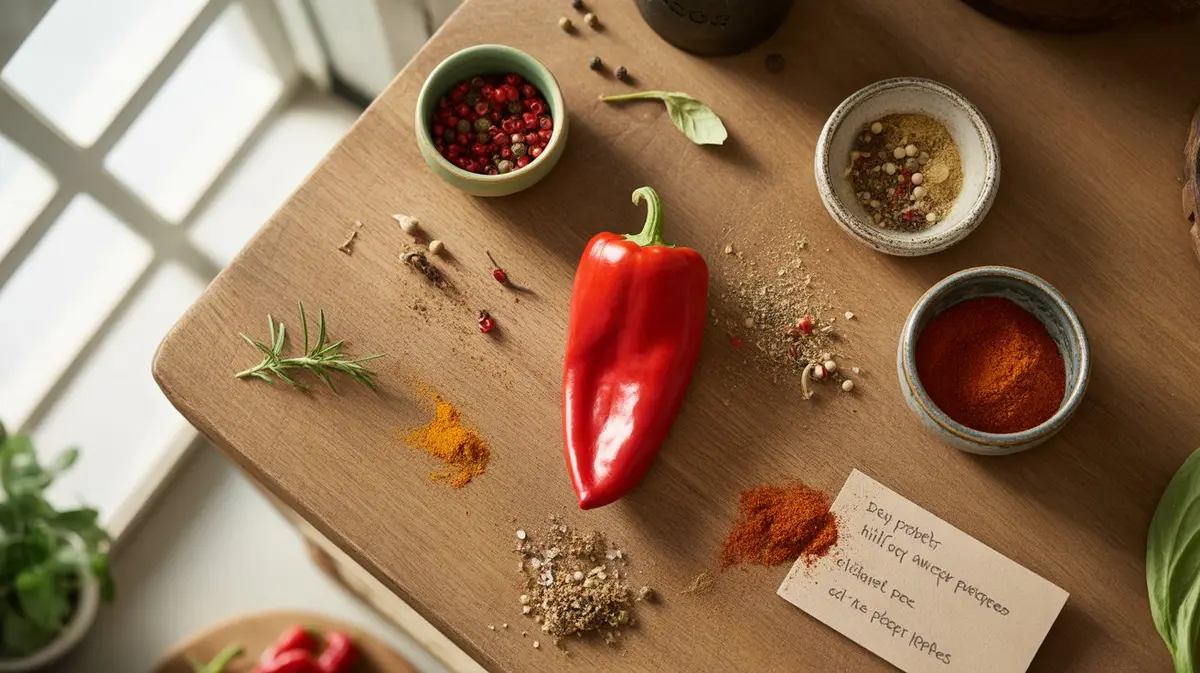
Paprika pepper is a dried, ground spice derived from specific red pepper varieties - its deep color, mild sweetness, and earthy depth make it one of the hardest spices to replicate precisely. Whether you're out of paprika mid-recipe or looking for a fresh-pepper alternative that captures similar flavor notes, the right substitute depends on whether you need color, flavor, or both. These seven options cover the full range of use cases, from pantry swaps to fresh-pepper alternatives.
These alternatives are ranked by how closely they match Paprika Pepper’s heat level and flavor profile. Use the conversion ratios to adjust quantities in your recipe.
#1
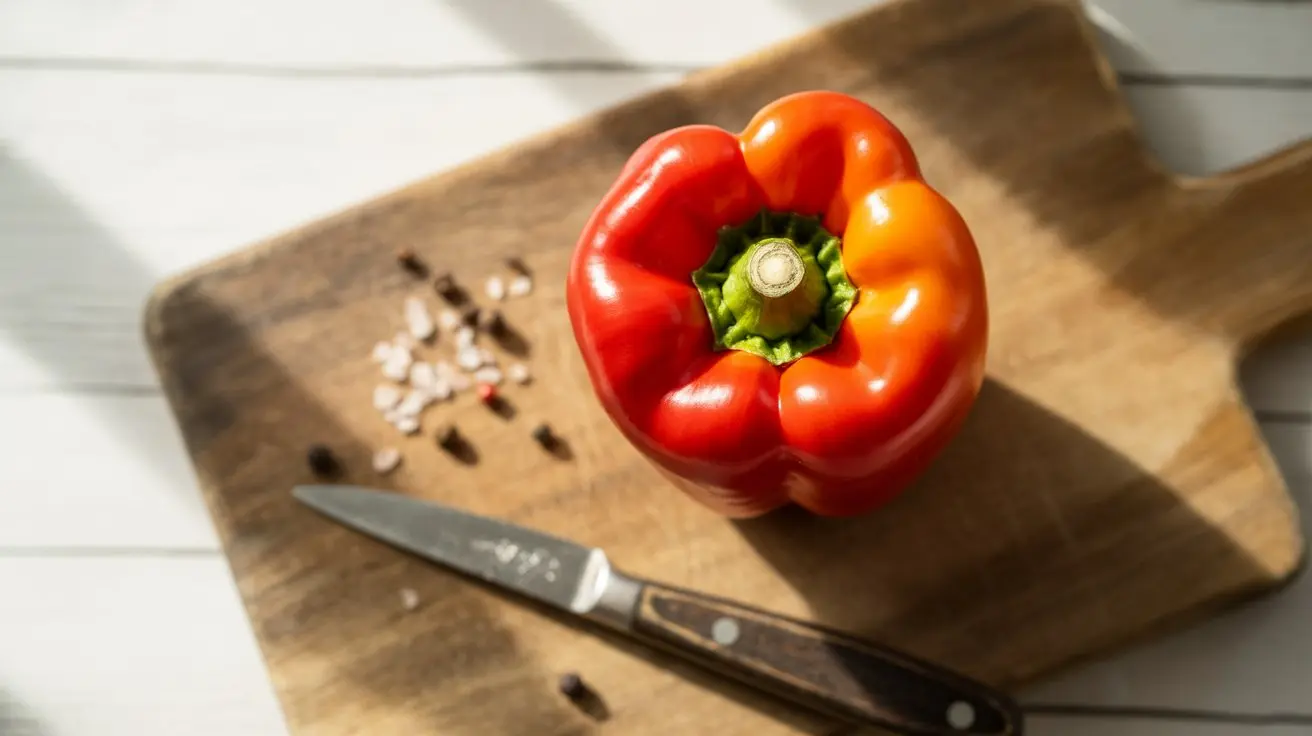
Bell Pepper Closest Match
0 SHU - When a recipe calls for fresh paprika-type peppers rather than the dried spice, sweet crisp bell pepper flesh is the most accessible stand-in. The flavor is milder and lacks paprika's characteristic earthiness, but the sweetness and color - especially from red bells - comes closest to replicating the base pepper used in many paprika blends.
Conversion: Use 1.5x the amount of fresh bell pepper when replacing dried paprika in cooked dishes where moisture can cook off. For raw applications, finely dice and reduce liquid elsewhere in the recipe.
Red bell peppers bring the visual impact paprika is known for. The flavor won't have that subtle smokiness, but in stews, soups, and braises, the difference narrows considerably as the pepper softens and concentrates.
#2
Habanada Runner-Up
0 SHU - The fruity zero-heat habanada profile is a genuinely interesting paprika stand-in for fresh applications. Developed as a heatless habanero, it carries tropical, floral sweetness that adds complexity beyond what a standard bell delivers.
Conversion: Use a 1:1 ratio by weight when substituting fresh. Because the flavor is more pronounced than bell pepper, start conservative and adjust.
This works especially well in dishes where paprika's role is more aromatic than colorific - think chicken braises, vegetable roasts, or fresh pepper sauces where you want something beyond simple sweetness.
#3
Rocotillo Also Great
0-1,500 SHU - The rocotillo's mild, fruity character makes it a solid fresh-pepper alternative with slightly more complexity than bell. Native to the Caribbean and South America, it brings a subtle tartness that actually mirrors some of the depth in quality paprika.
Conversion: 1:1 by volume fresh. The slight heat potential (trace amounts) won't register in most dishes.
Best used in cooked applications where the pepper has time to mellow. Its thin walls mean it breaks down quickly, which helps integrate flavor evenly through a dish.
#4
NuMex Heritage Big Jim
500-2,500 SHU - For dishes where paprika provides both color and a hint of pepper character, the NuMex Heritage Big Jim's mild, earthy heat bridges the gap. This New Mexico heirloom variety was developed specifically for its balanced flavor - mild enough to use generously, flavorful enough to matter.
Conversion: Use 0.75x the called-for amount given the trace heat, and taste as you go.
Dried and ground, this pepper is actually one of the base varieties used in commercial New Mexico-style paprika blends. If your recipe can handle a very gentle warmth, this is arguably the most authentic substitution on this list.
#5
NuMex Joe E. Parker
1,000-2,000 SHU - Another New Mexico Anaheim-type, the Joe E. Parker's mild pepper flavor suits paprika substitution well in cooked dishes. Its thick walls and deep red color when ripe make it particularly useful when you're roasting and pureeing as a paprika sauce replacement.
Conversion: Roast, peel, and puree at 2:1 (two parts pepper puree to replace one part dried paprika) in sauces and stews.
The flavor is clean and slightly sweet with just enough pepper character to read as authentic. This works best in Hungarian-style dishes like goulash where paprika is a primary flavor driver.
#6
Lumbre
3,000-8,000 SHU - Lumbre is a traditional New Mexico red chile that dries and grinds into a powder with real paprika-adjacent color and depth. The Lumbre's traditional red chile heat sits in the mild-to-medium heat classification range, so it adds warmth that paprika doesn't.
Conversion: Use 0.5x the amount called for, then blend with a neutral red pepper powder or additional bell pepper to bring the heat down if needed.
For dishes where paprika is used by the tablespoon, Lumbre works better as a partial substitute - say, half Lumbre and half dried bell pepper powder - to get the color and depth without overwhelming the dish.
#7
Guntur Sannam
35,000-40,000 SHU - This Indian red chile is primarily a heat source, but its dried form produces a deep red color and earthy, slightly fruity flavor that overlaps with smoked or hot paprika varieties. The Guntur Sannam's intense dried-chile heat means this is a small-quantity substitute only.
Conversion: Use 1/8 to 1/4 teaspoon of Guntur Sannam powder to replace 1 tablespoon of paprika, blended with a neutral red pepper for color volume.
Best reserved for dishes where paprika's role is primarily flavoring (not coloring) and the recipe can absorb some added heat - think marinades, spice rubs, or deeply spiced braises where the chile heat will integrate and mellow.
Cayenne powder seems like an obvious swap since it's red and powdered, but the heat gap in a cayenne vs. paprika head-to-head is significant - cayenne runs 30,000-50,000 SHU against paprika's near-zero heat. Using it at paprika quantities will make dishes uncomfortably hot, and the flavor profile skews sharp and one-dimensional rather than sweet and earthy.
Espelette pepper is a closer relative in flavor terms, but the Espelette vs. paprika comparison shows it carries 1,000-4,000 SHU with a distinct terroir-driven character that can dominate delicate dishes. It works as a partial substitute in small amounts but won't replicate paprika's neutral sweetness when used at full replacement ratios.
Prik Kee Noo (Thai bird chiles) have zero application here. Their sharp, penetrating heat profile is the opposite of what paprika contributes - they add almost no color, no sweetness, and heat levels that would transform a paprika-forward dish entirely.
Fact-Checked & Expert Reviewed
Editorial Standards: All facts verified against authoritative sources. Content reviewed by subject matter experts before publication.
Review Process:
Written by
Sofia Torres
(Lead Culinary Reviewer)
, reviewed by
Karen Liu
(Lead Fact-Checker & Science Editor)
. Last updated February 19, 2026.
Chili powder is a blend that typically contains cumin, oregano, garlic powder, and cayenne alongside ground chile - substituting it one-for-one will shift the flavor profile significantly and add heat. If you use it, start with half the amount and taste before adding more, since the spice blend can quickly overpower a dish that relies on paprika's clean, sweet base.
For pure color impact, red bell pepper powder (dried and ground red bell) or a small amount of tomato paste are the most practical options that won't affect flavor dramatically. Annatto (achiote) powder is another option specifically for color - it produces a deep orange-red without adding any pepper flavor at all.
Absolutely - the type matters considerably. Sweet paprika substitutes should lean toward the zero-heat fruity character of bell or habanada, while smoked paprika is better replaced with a small amount of chipotle powder or smoked dried chile. Hot paprika substitutes can incorporate mild ground chiles like NuMex varieties at reduced quantities.
As a general rule, 1 tablespoon of dried paprika is equivalent to roughly 3-4 tablespoons of finely minced fresh red pepper, though this depends heavily on the water content of the pepper and how long it cooks. In quick-cooking applications, fresh pepper won't fully replicate dried paprika's concentrated flavor even at higher volumes.
For garnish use where paprika's vibrant red color and mild flavor are both important, finely ground dried red bell pepper is the closest match - it delivers color without heat and has a neutral enough flavor to finish dishes without dominating. Smoked versions of the same can approximate smoked paprika as a finishing spice.