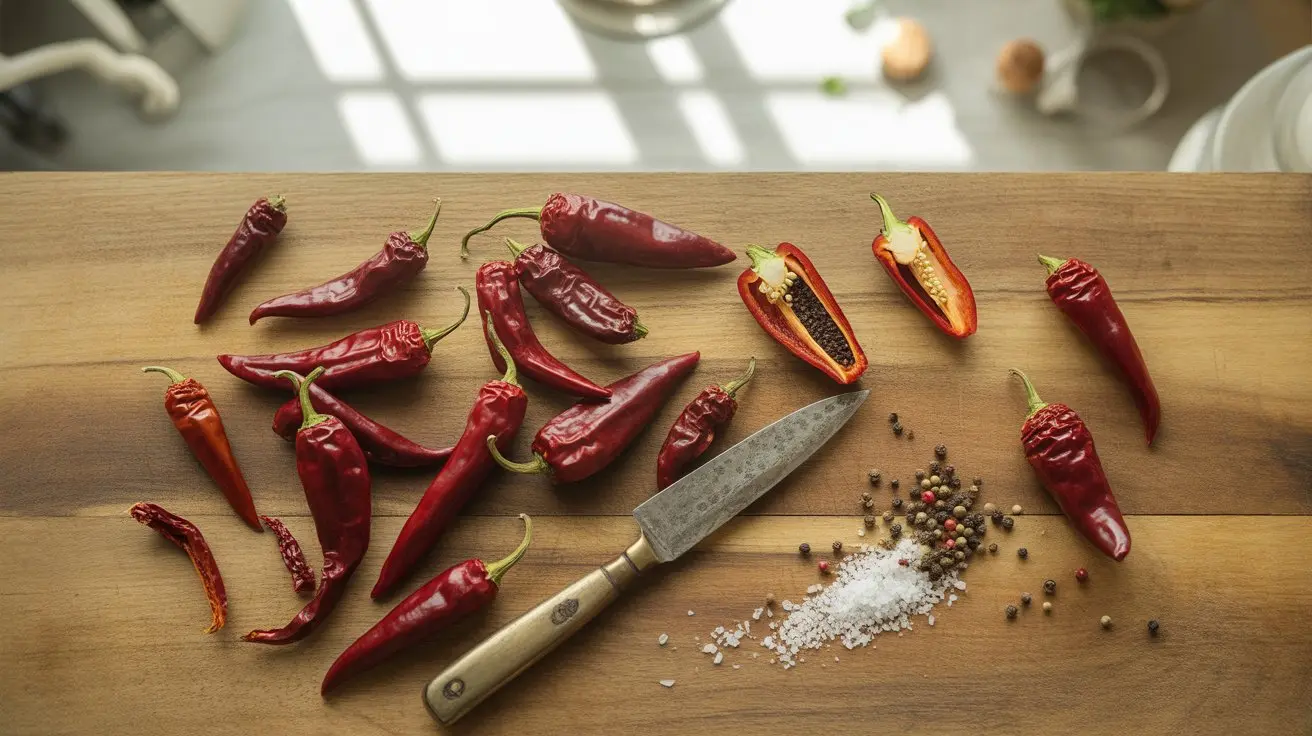
Urfa Biber

Urfa biber is a sun-dried Turkish chili with a deep, smoky, raisin-like flavor and gentle heat ranging 500–1,500 SHU — well below jalapeño territory. It belongs to the C. annuum botanical family and excels as a finishing spice. Think of it less as a heat source and more as a flavor-building tool, one that adds complexity to everything from lamb to chocolate.
- Species: C. annuum
- Heat tier: Medium (1K–10K SHU)
What is Urfa Biber?
If you judge urfa biber by its heat, you're missing the point. At 500–1,500 SHU, this Turkish dried chili sits at the lower end of the medium heat spectrum — but what it lacks in fire it more than compensates for with depth.
The flavor is where urfa biber earns its reputation: smoky, earthy, with a distinct raisin-and-chocolate undertone and a faint oiliness that coats the palate. That last quality comes from its unique drying method — the harvested peppers are left in the sun during the day, then wrapped at night to sweat, concentrating sugars and oils over roughly a week.
The result is a coarsely ground, almost purple-black flake with a moist, slightly sticky texture unlike any other dried chili. It's sometimes called isot pepper or isot biber after the Urfa region of southeastern Turkey where it's grown.
Compared to a fresh jalapeño, urfa biber delivers a fraction of the heat but a completely different flavor profile — this isn't a heat substitute, it's a flavor ingredient. Dishes built around it include Turkish köfte, slow-braised lamb, roasted eggplant, and eggs cooked in browned butter. The pepper's low-and-slow character makes it ideal for fat-based applications where heat would be a distraction.
History & Origin of Urfa Biber
Urfa biber originates from the Şanlıurfa province in southeastern Turkey, a region with deep agricultural roots in the Turkish pepper growing tradition. The pepper has been cultivated there for centuries, though it remained largely unknown outside Turkish and Middle Eastern cooking until specialty food importers began introducing it to Western markets in the early 2000s.
The name itself is straightforward: urfa refers to the city, biber simply means pepper in Turkish. Its traditional processing method — the alternating sun-exposure and sweating technique — is what distinguishes it from other dried chilies and is considered integral to its character.
Understanding how capsaicin behaves during drying and heat processing helps explain why urfa biber's heat registers so mellow: the processing concentrates flavor compounds while the pepper's naturally low capsaicin content stays modest. Today it's a staple in Turkish households and increasingly common in restaurant kitchens worldwide.
How Hot is Urfa Biber? Heat Level & Flavor
The Urfa Biber delivers 500–2K Scoville Heat Units, placing it in the Medium tier (1K–10K SHU).
Flavor notes: smoky and earthy.
Urfa Biber Nutrition Facts & Health Benefits
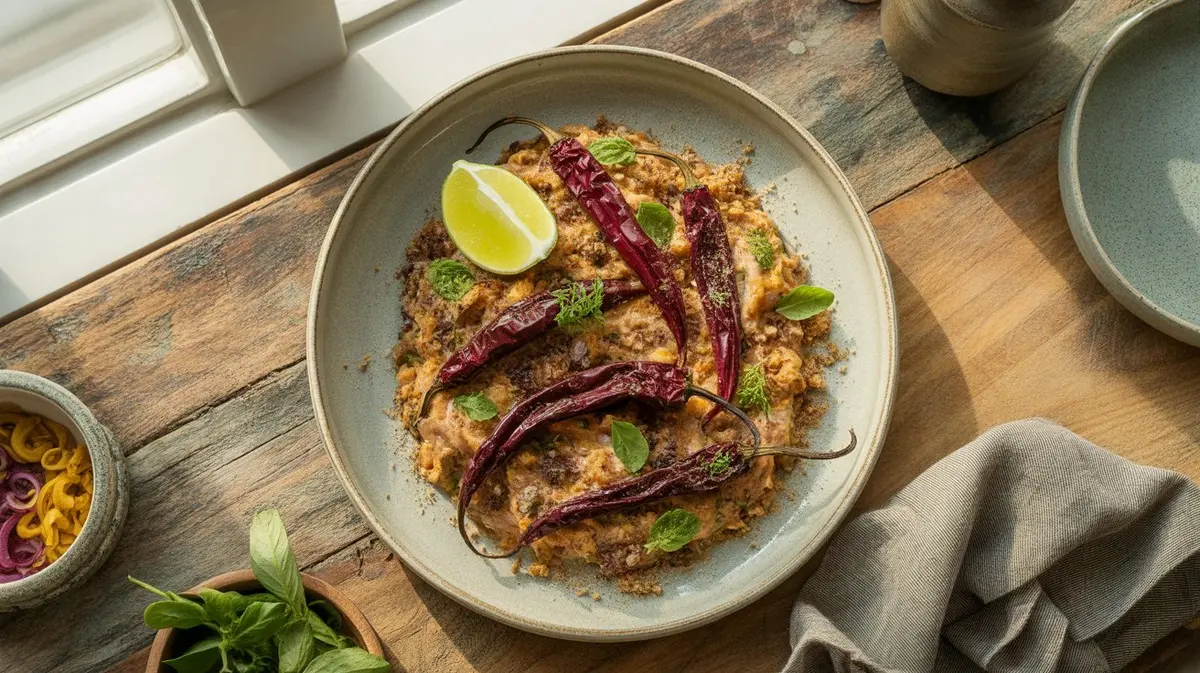
Like most dried chilies, urfa biber is used in small amounts, so its direct nutritional contribution per serving is modest. A 1-teaspoon serving delivers trace amounts of vitamin A, vitamin C, and iron. Dried peppers concentrate antioxidants — including capsaicinoids and carotenoids — relative to fresh weight.
The Scoville scale measurement for urfa biber (500–1,500 SHU) reflects its low capsaicin content, which means the anti-inflammatory benefits associated with higher-capsaicin peppers are present but minimal. Its value is primarily culinary rather than supplemental. The oily texture of the flakes comes from natural pepper oils retained during the sun-drying process, not added fat.
Best Ways to Cook with Urfa Biber Peppers
Urfa biber's best quality is its versatility as a finishing ingredient. Stir it into softened butter or warm olive oil and you've created an instant sauce for pasta, grilled fish, or roasted vegetables. The fat carries the smokiness and earthy depth in a way that water-based applications simply can't match.
For meat dishes, rub it directly onto lamb chops or mix it into ground beef for köfte. It pairs naturally with the mild, sweet smokiness found in dried ancho-style peppers — the two work well together in spice blends where you want layered depth without climbing heat.
Eggs are an underrated canvas: fry them in brown butter with urfa biber flakes and you have a Turkish breakfast staple in five minutes. Yogurt-based sauces benefit enormously from a pinch stirred in.
For bakers and pastry cooks, urfa biber's chocolate-raisin notes make it a genuine addition to dark chocolate desserts, spiced cookies, and even coffee rubs for grilled meats. It's one of the few chilies that straddles savory and sweet applications convincingly.
Dosing is intuitive — start with 1/2 teaspoon per serving and scale up. Because the flakes are oily and coarse, they don't dissolve the way paprika does; they're better stirred in at the end or bloomed briefly in fat.
Where to Buy Urfa Biber & How to Store
Look for urfa biber at Middle Eastern grocery stores, specialty spice shops, or online retailers. Quality flakes should appear dark purple-black, feel slightly moist and sticky, and smell immediately smoky and fruity — not dusty or stale.
Avoid anything that looks uniformly brown or powdery; that's a sign of age or improper processing. Store in an airtight container away from light and heat. Unlike most dried spices, urfa biber's oiliness means it can clump over time — this is normal. Use within 12–18 months for best flavor. Refrigeration extends shelf life without harming quality.
Best Urfa Biber Substitutes & Alternatives
Whether you ran out of urfa biber or just want to try something different, these peppers make solid stand-ins. We picked them based on heat range, flavor overlap, and how well they actually work in the same dishes.
Our top pick: Aji Panca (1K–2K SHU). The heat level is close enough for a direct swap in salsas, sauces, and stir-fries. Flavor leans smoky and fruity, so the taste will shift a bit — but the overall heat stays in the same range.
How to Grow Urfa Biber Peppers
Urfa biber is a C. annuum variety, which means it's one of the more forgiving species to grow. Start seeds indoors 8–10 weeks before last frost. Germination is reliable at soil temperatures between 75–85°F.
For anyone comfortable with seed-starting pepper varieties from scratch, urfa biber presents no unusual challenges. Transplant seedlings once nighttime temperatures stay above 55°F — these plants don't tolerate cold soil.
Full sun and consistent watering matter more here than with hotter varieties. The pepper's flavor complexity comes from stress-free, even growth followed by a specific post-harvest curing process. In terms of raw heat potential, it shares a similar 1,000–1,500 SHU range with peppers bred for consistent mild warmth, so don't expect dramatic heat even under ideal conditions.
Plants reach 24–36 inches tall and produce elongated fruits that start green, ripen to deep red, then darken further during drying. Harvest when fully red. The traditional drying method — sun exposure by day, covered at night for 7–10 days — is achievable in warm climates. In humid regions, a food dehydrator at 135°F approximates the result, though some of the oiliness may be less pronounced.
Frequently Asked Questions
-
Urfa biber has a smoky, earthy flavor with distinct notes of raisins, dark chocolate, and a faint oiliness. The heat is mild — 500–1,500 SHU — so the flavor is the main event, not the burn.
-
The closest substitutes are sweet-smoky South American dried chilies or a blend of smoked paprika and a pinch of cayenne. No single spice perfectly replicates urfa biber's oily texture and raisin-chocolate depth, but these come closest in flavor profile.
-
They're related in style but distinct in flavor — Aleppo is fruitier and slightly brighter, while urfa biber is darker, smokier, and more chocolatey. Both are coarsely ground Turkish-region dried chilies used similarly in cooking.
-
A typical jalapeño runs 2,500–8,000 SHU, making it anywhere from 2 to 16 times hotter than urfa biber's 500–1,500 SHU range. Urfa biber's heat is barely noticeable to most palates — it functions more as a spice than a heat source.
-
The texture results from the traditional drying method: peppers are sun-dried during the day, then wrapped at night to sweat, concentrating natural oils over roughly a week. This process is what separates urfa biber from ordinary dried chili flakes and gives it that characteristic stickiness.
- Chile Pepper Institute — Capsicum Species Overview
- Şanlıurfa Agricultural Research Institute
- USDA FoodData Central — Dried Chili Peppers
Species classification: C. annuum — based on published botanical taxonomy.