Tabasco Pepper

The tabasco pepper sits at 30,000-50,000 SHU - matching cayenne heat but delivering something entirely different: a sharp, vinegary bite that made it the backbone of one of America's most recognized hot sauces. Small, tapered, and belonging to C. frutescens botanical species, this Capsicum frutescens variety punches well above its size in both heat and flavor intensity.
- Species: C. frutescens
- Heat tier: Hot (10K–100K SHU)
- Comparison: 10x hotter than a jalapeño
What is Tabasco Pepper?
Most peppers get famous for their heat. The tabasco pepper got famous for its sauce - and that distinction shapes everything about how it's grown, processed, and used.
At 30,000-50,000 SHU, it lands squarely in the hot pepper classification alongside cayenne, but the flavor profile is where it diverges sharply. Where cayenne delivers clean, dry heat, tabasco hits with a bright, almost acidic sharpness - a quality that makes it uniquely suited for fermented preparations.
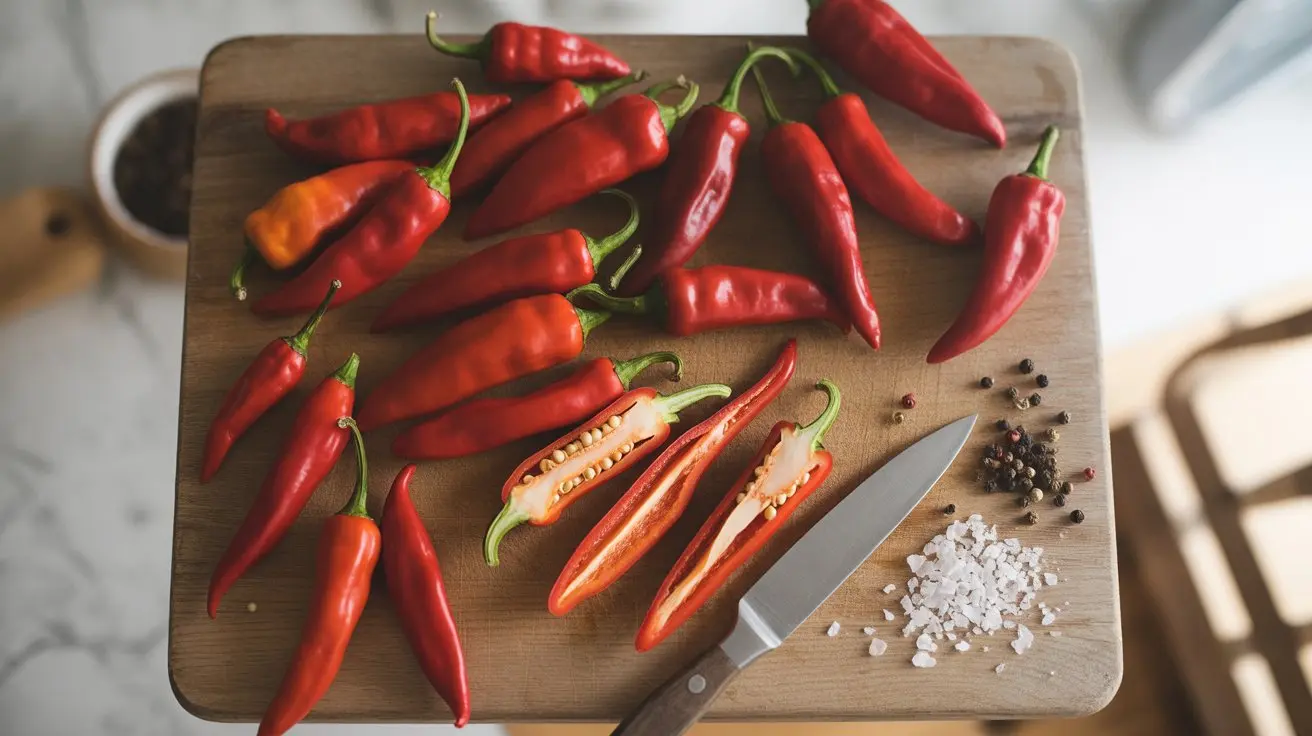
The pepper itself is small and tapered, typically reaching 1.5-2 inches in length. It ripens through yellow and orange before settling into a deep red, and each stage carries different flavor nuances. The mature red fruit is what most commercial producers harvest, though the orange stage has its own devoted fans.
What makes tabasco unusual in the pepper world is its high moisture content. Unlike most dried-and-ground peppers, tabasco fruit is so juicy that it's traditionally mashed and fermented rather than dried. That moisture is a feature, not a limitation - it's what gives tabasco-based sauces their distinctive liquid body and layered acidity.
For growers and cooks who haven't worked with C. frutescens varieties before, the species guide on understanding pepper species differences is worth a read - frutescens varieties behave differently from the more common annuum types in both the garden and the kitchen.
History & Origin of Tabasco Pepper
Tabasco peppers trace back to the Tabasco state of southern Mexico, where Capsicum frutescens varieties had been cultivated long before European contact. The pepper's modern fame, however, is almost entirely tied to Edmund McIlhenny, who began producing tabasco sauce on Avery Island, Louisiana, around 1868.
McIlhenny's method - mashing the peppers with salt, fermenting the mash in barrels for up to three years, then blending with vinegar - became the template for the sauce style that now bears the pepper's name. The McIlhenny Company trademarked "Tabasco" as a brand, which is why the pepper itself sometimes gets called the "tabasco-type" pepper in seed catalogs.
The pepper's roots in Mexican pepper traditions run deep, though commercial production eventually shifted significantly to Central and South America to meet global demand. Avery Island still grows some tabasco peppers for the original sauce, maintaining a connection to the variety's adopted Louisiana home.
How Hot is Tabasco Pepper? Heat Level & Flavor
The Tabasco Pepper delivers 30K–50K Scoville Heat Units, placing it in the Hot tier (10K–100K SHU). That makes it roughly 10x hotter than a jalapeño.
Flavor notes: sharp and vinegary.
Tabasco Pepper Nutrition Facts & Health Benefits
Like most hot peppers, tabasco peppers deliver meaningful nutrition in small packages. A 1-tablespoon serving of tabasco-style hot sauce (approximately 15ml) contains roughly 0 calories, though the fresh peppers themselves provide more.
Fresh tabasco peppers are a solid source of vitamin C - a single pepper can provide 20-30% of the daily recommended intake. They also contain vitamin A, potassium, and small amounts of B vitamins.
The capsaicin responsible for their heat has been studied for anti-inflammatory properties and potential metabolic effects. The molecular structure of capsaicin's heat response explains why the burn feels different from acid-based heat. Tabasco peppers also contain antioxidant compounds including flavonoids and carotenoids.
Best Ways to Cook with Tabasco Peppers
The tabasco pepper's sharp, vinegary flavor profile makes it a natural fit for fermented hot sauces, but its applications extend well beyond the bottle on your restaurant table.
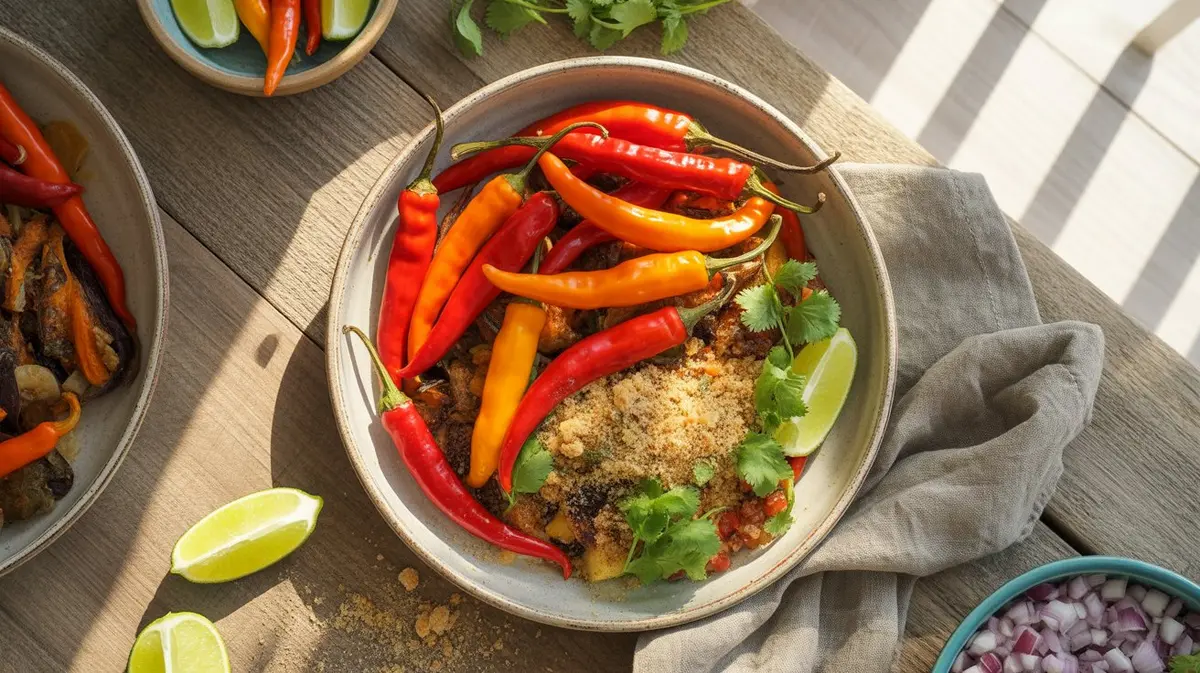
Fresh tabasco peppers work beautifully in fish and seafood dishes - the bright acidity cuts through richness in ways that earthier peppers can't. Try them sliced thin into ceviche, or blended into a quick pan sauce for shrimp. The heat level is assertive but manageable: roughly 10 times hotter than a jalapeño, which means a few peppers go a long way without overwhelming a dish.
For pickling, tabasco peppers are exceptional. Their moisture content means they don't need much brine to stay plump, and they hold their heat well through the pickling process. Pickled tabasco peppers alongside oysters is a Gulf Coast tradition worth stealing.
If you're building your own hot sauce, the tabasco pepper's fermentation-friendly nature is its biggest asset. Mash with 2-3% salt by weight, pack into a jar, and let it ferment at room temperature for 2-4 weeks before blending with vinegar. The result has a complexity that fresh-processed sauces rarely achieve.
When substituting in recipes, peppers with similar heat but different flavor - like the intensely hot South Indian Guntur or the bold Peruvian citrus-forward heat - can approximate the SHU range but won't replicate that signature vinegary sharpness.
Where to Buy Tabasco Pepper & How to Store
Fresh tabasco peppers are genuinely hard to find outside specialty markets and growers' markets in pepper-growing regions. Most people encounter them through hot sauce rather than the raw fruit.
If you do find fresh tabasco peppers, look for firm, unblemished skin with consistent color - red for ripe, orange or yellow for earlier stages. They'll keep 1-2 weeks refrigerated in a paper bag.
For longer storage, tabasco peppers freeze well whole - no blanching required. Spread on a sheet pan to freeze individually, then transfer to bags. They'll hold for 6-12 months and work perfectly in cooked applications straight from frozen.
Dried tabasco peppers are more widely available through specialty spice retailers and online. Store in an airtight container away from light.
Best Tabasco Pepper Substitutes & Alternatives
Whether you ran out of tabasco pepper or just want to try something different, these peppers make solid stand-ins. We picked them based on heat range, flavor overlap, and how well they actually work in the same dishes.
Our top pick: Cayenne Pepper (30K–50K SHU). The heat level is close enough for a direct swap in salsas, sauces, and stir-fries. Flavor leans neutral and peppery, so the taste will shift a bit — but the overall heat stays in the same range.
How to Grow Tabasco Peppers
Tabasco peppers are more demanding than most backyard gardeners expect. As a C. frutescens variety, they prefer consistently warm conditions - soil temperatures below 65°F slow them considerably, and they won't tolerate frost at any stage.
Start seeds 10-12 weeks before your last frost date. Germination is slower than annuum varieties, often taking 14-21 days at 80-85°F. Bottom heat helps significantly. Once seedlings are established, transplanting into well-draining soil with full sun exposure gives them the best start.
Spacing matters more with tabasco than with compact annuum types - these plants can reach 3-4 feet tall and spread nearly as wide in warm climates. Give them 18-24 inches between plants.
The plants are prolific producers once they hit their stride, but they need a long season. In USDA zones 9-11, they'll produce through fall; in cooler zones, focus on maximizing the summer window. Consistent moisture is key - irregular watering leads to blossom drop.
Compared to the thick-walled Turkish pepper with similar heat or the Chinese stir-fry varieties with comparable SHU, tabasco plants are noticeably more sensitive to temperature swings. They reward growers in warm climates and test the patience of those in shorter seasons.
If heat from handling becomes an issue during harvest, the practical guide to stopping pepper burn covers the most effective methods.
Frequently Asked Questions
-
The pepper and the sauce share a name but are distinct things - Tabasco is a trademarked brand owned by the McIlhenny Company, while tabasco (lowercase) refers to the Capsicum frutescens pepper variety used in the original recipe. Other hot sauce producers can use tabasco peppers but cannot legally call their product Tabasco sauce.
-
They're remarkably close - both land in the 30,000-50,000 SHU range on the Scoville heat ranking system. The difference is flavor rather than heat: cayenne is dry and straightforward, while tabasco carries a sharp, vinegary quality that makes it taste more intense even at equivalent SHU.
-
Yes, but they need the longest, warmest season you can give them - at least 90-100 frost-free days with consistent heat. Growers in northern climates have success starting seeds early indoors and using black plastic mulch to boost soil temperature, though yields will be lower than in zone 9+ gardens.
-
For heat level, cayenne's clean dry fire or the fruity South American brightness of aji amarillo both hit the same 30,000-50,000 SHU bracket. Neither replicates the vinegary sharpness of tabasco, so adding a splash of white wine vinegar to your substitution helps close the flavor gap.
-
Their unusually high moisture content makes drying difficult and less flavorful than fermentation. The traditional mash-and-ferment method extracts the pepper's full flavor complexity over weeks or months, developing lactic acid that contributes the characteristic tang no quick-process sauce can replicate.
- McIlhenny Company - Tabasco History
- Chile Pepper Institute - Capsicum frutescens
- USDA Agricultural Research Service - Capsicum
- NC State Extension - Hot Pepper Production
Species classification: C. frutescens — based on published botanical taxonomy.