Santa Fe Grande

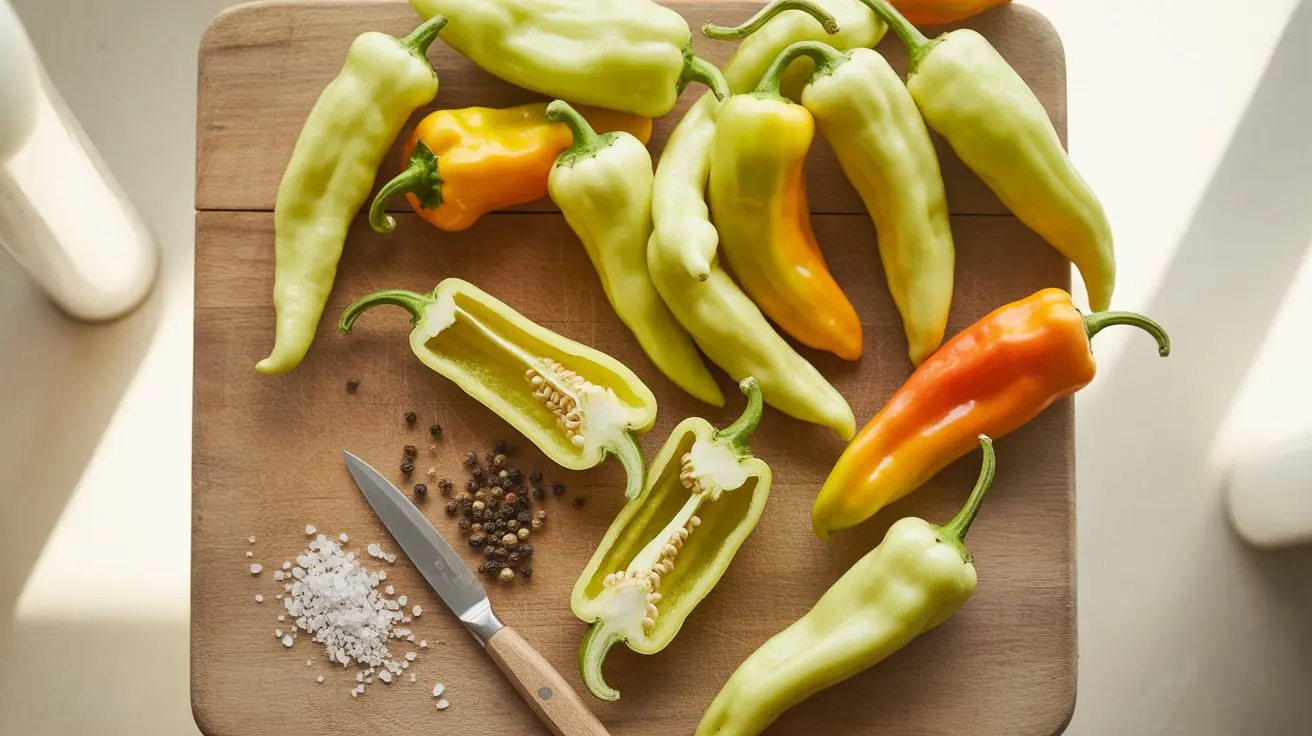
The Santa Fe Grande is a conical, wax-type pepper from New Mexico measuring 500–700 SHU — barely a whisper above a bell pepper. Its appeal is the flavor: bright, tangy, and slightly fruity, it transitions from yellow to orange to red as it ripens. Pickled, roasted, or stuffed, it performs beautifully across a wide range of dishes without overwhelming heat.
- Species: C. annuum
- Heat tier: Mild (0–999 SHU)
What is Santa Fe Grande?
Santa Fe Grande sits in an interesting culinary space — mild enough for heat-shy eaters, but with enough character to justify its place in a serious kitchen.
At 500–700 SHU, it registers just slightly above the mild heat bracket occupied by bell peppers. The heat is barely perceptible, more of a gentle warmth that lingers on the tongue than anything sharp or aggressive.
The flavor is where this pepper earns its reputation. Tangy and slightly fruity, with a crisp bite when fresh, the Santa Fe Grande delivers real complexity without the fire. That tanginess makes it a natural for pickling — it holds up beautifully in brine and develops deeper, more rounded notes over time.
As a C. annuum species cultivar, it shares its botanical family with jalapeños, bell peppers, and poblanos. The conical shape and waxy skin are hallmarks of the wax pepper group, and it matures through a reliable color sequence: pale yellow to orange to red.
Each stage offers slightly different flavor — younger yellow fruits taste crisper and more acidic, while red-ripe peppers lean sweeter and earthier. Most commercial pickled wax peppers you see in jars are harvested at the yellow stage, which locks in that signature tang.
For gardeners, it is a reliable producer with good disease resistance, and for cooks, it bridges the gap between purely sweet peppers and anything that might challenge a dinner guest.
History & Origin of Santa Fe Grande
The Santa Fe Grande was developed at New Mexico State University, the same institution behind many landmark pepper breeding programs including the famous NuMex series. It emerged as part of the broader effort to create commercially viable wax peppers suited to Southwestern growing conditions.
New Mexico has a deep tradition of American pepper cultivation dating back centuries, though the Santa Fe Grande itself is a 20th-century cultivar bred for consistency, yield, and visual appeal rather than heat.
Its name references the New Mexico capital, anchoring it firmly in regional identity. The pepper gained traction in commercial pickling operations and home gardens alike, becoming a staple in Southwestern cuisine and a common sight in grocery store pickle jars across the country. Its dual-purpose nature — fresh or pickled — helped it earn lasting popularity.
How Hot is Santa Fe Grande? Heat Level & Flavor
The Santa Fe Grande delivers 500–700 Scoville Heat Units, placing it in the Mild tier (0–999 SHU).
Flavor notes: mild and tangy.
Santa Fe Grande Nutrition Facts & Health Benefits
Like most C. annuum peppers, the Santa Fe Grande delivers solid nutritional value at minimal caloric cost. Fresh peppers are an excellent source of vitamin C — a single medium pepper can provide over 100% of the daily recommended intake, particularly at the red-ripe stage when ascorbic acid content peaks.
Vitamin A (from beta-carotene) increases significantly as the pepper ripens from yellow to red. The pepper also contains vitamin B6, folate, and potassium.
At 500–700 SHU, capsaicin content is low, so the metabolic effects associated with hotter peppers are minimal. Pickled preparations add sodium, which is worth noting for those monitoring salt intake.
Best Ways to Cook with Santa Fe Grande Peppers
The Santa Fe Grande is one of those peppers that rewards you for paying attention to ripeness stage.
Yellow-stage fruits bring the sharpest tang and crunch — ideal for pickling, slicing raw onto sandwiches, or tossing into a relish tray. The texture holds up exceptionally well in brine, and the acidity plays nicely against rich, fatty ingredients like cured meats or sharp cheeses.
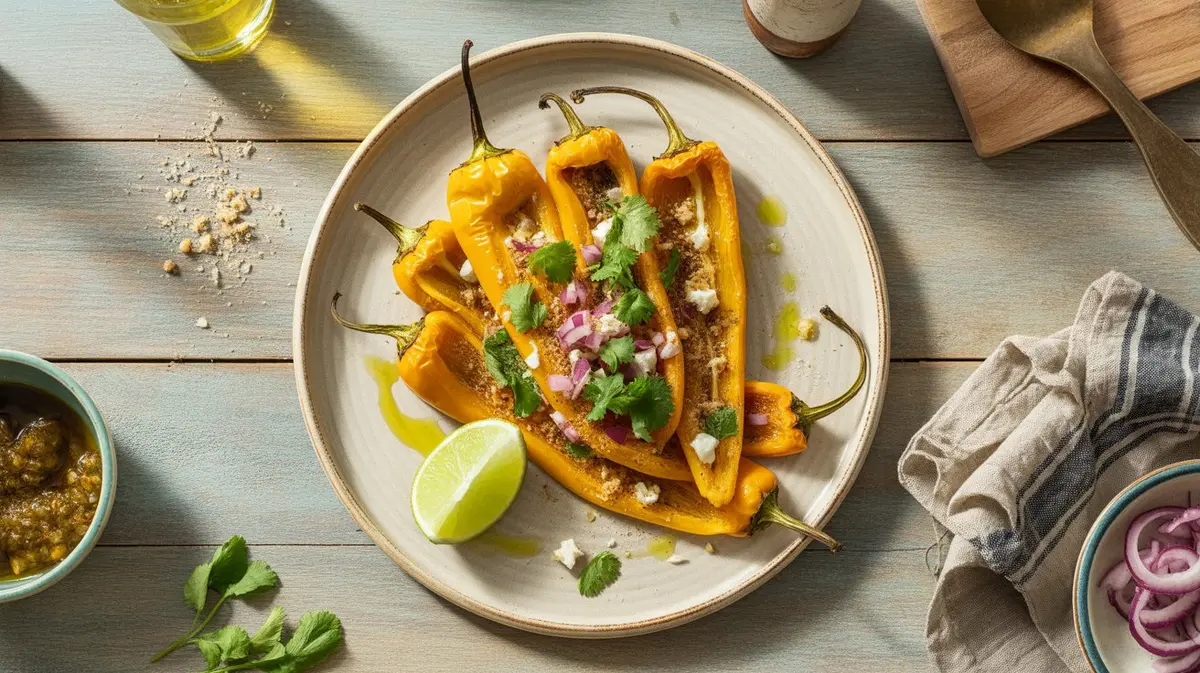
At the orange and red stages, the pepper softens slightly and sweetens. Roasted red Santa Fe Grandes develop a mellow, almost jammy flavor that works well in salsas, stuffed pepper preparations, or blended into sauces. If you want to make your own chili powder, dried red specimens add a mild, fruity base note.
For anyone who enjoys the smooth, tangy bite of banana-style mild heat, the Santa Fe Grande occupies similar territory but with a slightly more complex edge.
Stuffing is another natural application — the conical shape and firm walls hold fillings well. Cream cheese, seasoned rice, or ground meat all work. Compare its versatility to the smoky depth of a dried chipotle, and you get a sense of how different mild peppers can be from each other.
Pickled Santa Fe Grandes are excellent on pizza, grain bowls, or alongside grilled proteins. The pepper's mild heat means it rarely alienates anyone at the table.
Where to Buy Santa Fe Grande & How to Store
Fresh Santa Fe Grandes appear at farmers markets and specialty grocers in late summer, typically sold at the yellow or orange stage. Look for firm, glossy skin with no soft spots or wrinkling.
Pickled versions are far more common year-round — check the condiment aisle under "wax peppers" or "hot pepper rings." Most commercial products use yellow-stage fruit.
Fresh peppers keep 1–2 weeks refrigerated in a paper bag or loosely wrapped. For longer storage, roast and freeze them — they hold well for 6 months in the freezer. If you pick up dried red specimens, follow standard dried pepper rehydration methods before using in sauces or braises.
Best Santa Fe Grande Substitutes & Alternatives
Whether you ran out of santa fe grande or just want to try something different, these peppers make solid stand-ins. We picked them based on heat range, flavor overlap, and how well they actually work in the same dishes.
Our top pick: NuMex Suave Orange (0–800 SHU). The heat level is close enough for a direct swap in salsas, sauces, and stir-fries. Flavor leans fruity and mild, so the taste will shift a bit — but the overall heat stays in the same range.
How to Grow Santa Fe Grande Peppers
Santa Fe Grande is a straightforward grow — productive, adaptable, and visually rewarding as the pods shift through their color stages.
Start seeds indoors 8–10 weeks before your last frost date. Germination is reliable at soil temperatures around 75–85°F, and seedlings emerge quickly compared to some hotter varieties. For a full seed-starting walkthrough, the process mirrors most C. annuum cultivars.
Transplant outdoors after nighttime temperatures stay consistently above 55°F. Space plants 18–24 inches apart in full sun. The Santa Fe Grande handles heat well — it was bred for Southwestern conditions — but consistent moisture during fruit set improves yield and prevents blossom drop.
Plants typically reach 24–30 inches tall and produce heavily. Expect pods in 70–80 days from transplant. Harvest at the yellow stage for pickling or let them ripen to orange and red for sweeter applications.
If you are comparing growth habits, the similarly mild and compact Mariachi-type growing characteristics offer a useful reference point for spacing and container suitability.
The waxy skin provides decent resistance to rain damage and some fungal pressure, though good airflow around plants remains important. Fertilize moderately — too much nitrogen pushes foliage at the expense of fruit.
Frequently Asked Questions
-
At 500–700 SHU, the Santa Fe Grande is significantly milder than a typical jalapeño, which ranges from 2,500–8,000 SHU. Most people perceive it as having only the faintest warmth, closer in intensity to a bell pepper than anything that reads as "hot."
-
Absolutely — the yellow-stage fruit has a crisp texture and bright, tangy flavor that works well raw in salads, on sandwiches, or as part of a relish tray. The heat is low enough that most people eat them without any hesitation.
-
For pickling and fresh eating, harvest at the yellow stage when flavor is most acidic and texture is firmest. Letting them ripen to orange or red produces sweeter, softer fruit better suited to roasting or sauce-making.
-
They are similar but distinct — both are mild wax-type C. annuum peppers with tangy flavor, but the Santa Fe Grande has a more conical shape and slightly higher potential heat than most banana pepper varieties. The two are often used interchangeably in pickling applications.
-
Santa Fe Grande adapts well to containers — a 5-gallon pot per plant is the minimum, with full sun and consistent watering being the critical factors. The plants stay compact enough (under 30 inches) that they don't overwhelm a patio setup, and heavy fruit production makes them a rewarding container crop.
- New Mexico State University Chile Pepper Institute
- USDA Plant Database - Capsicum annuum
- Johnny's Selected Seeds - Wax Pepper Varieties
- Purdue University Extension - Pepper Production
Species classification: C. annuum — based on published botanical taxonomy.