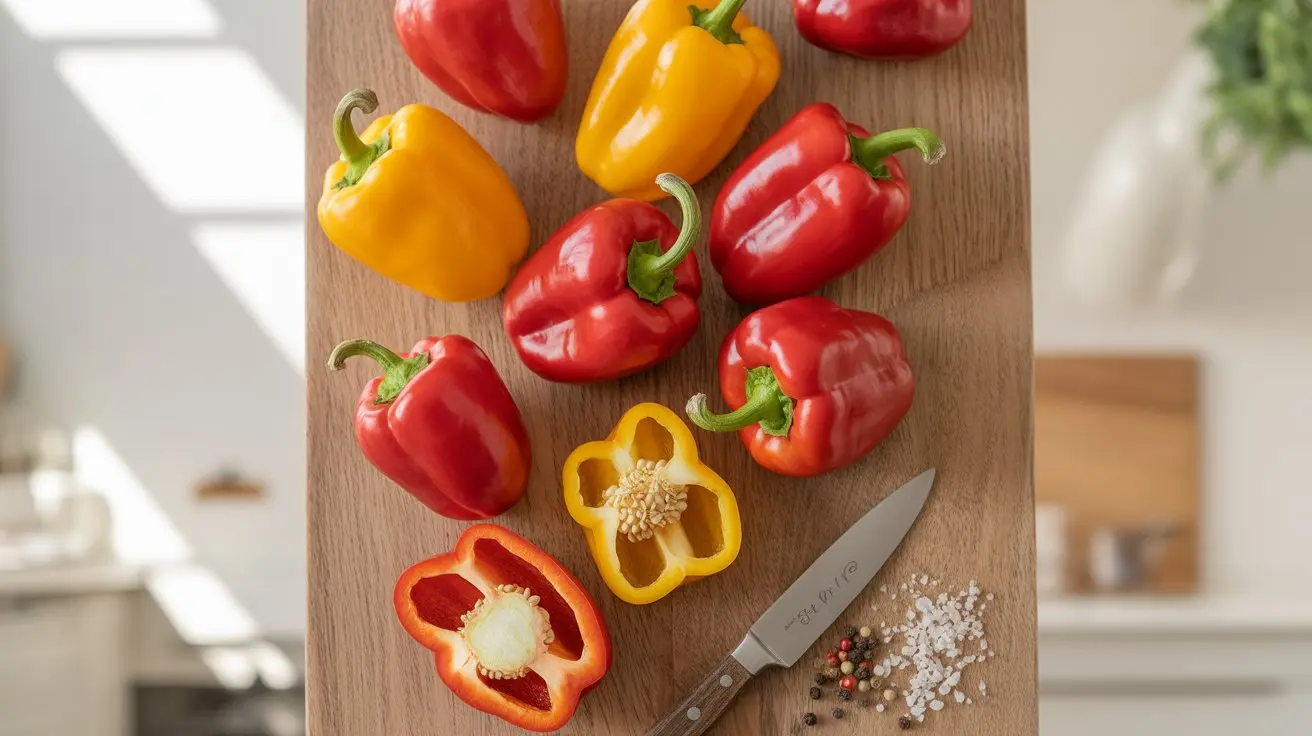

The Rezha Macedonian is a prized heirloom sweet pepper from the Balkans, treasured across North Macedonia and neighboring regions for its rich flavor and thin, wrinkled skin. Sitting firmly in the mild pepper classification, it delivers complex sweetness with barely any heat. Roasted, dried, or fermented into the beloved ajvar condiment, this pepper is a cornerstone of Macedonian cooking.
- Heat tier: Mild (0–999 SHU)
What is ?
Few peppers carry as much cultural weight as the Rezha Macedonian. In North Macedonia and throughout the Balkans, the late-summer harvest of this heirloom variety is practically a communal event — families roasting and peeling peppers together, filling jars of ajvar that will last through winter.
The name 'rezha' refers to the pepper's characteristic ribbed, wrinkled surface — a textural signature that sets it apart from thicker-walled, sweeter-tasting sweet peppers. The flesh is thin and papery by comparison, which makes it ideal for drying and roasting because moisture escapes quickly and flavors concentrate fast.
Heat is essentially absent. This pepper sits at the very bottom of the mild pepper scale, with negligible capsaicin content — closer in experience to a sweet Italian frying pepper than anything that would challenge your palate.
Flavor is where the Rezha earns its reputation. Roasted, it develops a deep, smoky-sweet complexity that no standard grocery store variety can replicate. The thin skin chars beautifully and peels easily, and the resulting flesh has an almost jammy, concentrated sweetness.
For anyone interested in Balkan pepper traditions or heirloom growing, the Rezha Macedonian represents exactly the kind of regionally specific variety that industrial agriculture nearly erased — and that home growers are now helping to preserve.
History & Origin of
The Rezha Macedonian pepper has deep roots in the agricultural traditions of the western Balkans, where peppers became a dietary staple following their introduction to Europe via Ottoman trade routes in the 16th century.
North Macedonia's climate — hot, dry summers and fertile river valleys — proved ideal for sweet pepper cultivation, and over centuries local farmers selected varieties suited to their specific conditions. The Rezha type, with its thin skin and intense flavor, became associated with ajvar production, the slow-roasted pepper relish that anchors Macedonian and Serbian cuisine.
Unlike commercially bred varieties optimized for shelf life and uniformity, the Rezha was selected for flavor and drying quality. It remains an open-pollinated heirloom, passed down through family seed-saving rather than commercial channels, which is why it is still relatively rare outside the region.
How Hot is ? Heat Level & Flavor
The delivers 0 Scoville Heat Units, placing it in the Mild tier (0–999 SHU).
Nutrition Facts & Health Benefits
Like most sweet red peppers, the Rezha Macedonian is a strong source of vitamin C — ripe red peppers generally contain 150-200% of the daily recommended intake per 100g serving, according to USDA nutritional data.
Red peppers also provide meaningful amounts of vitamin A (as beta-carotene), vitamin B6, and folate. Calorie content is low, typically around 30-40 calories per 100g fresh weight.
Dried Rezha powder concentrates these nutrients significantly by weight, though vitamin C degrades with heat during the drying process. The antioxidant content — particularly carotenoids responsible for the red color — remains largely intact after roasting.
Best Ways to Cook with Peppers
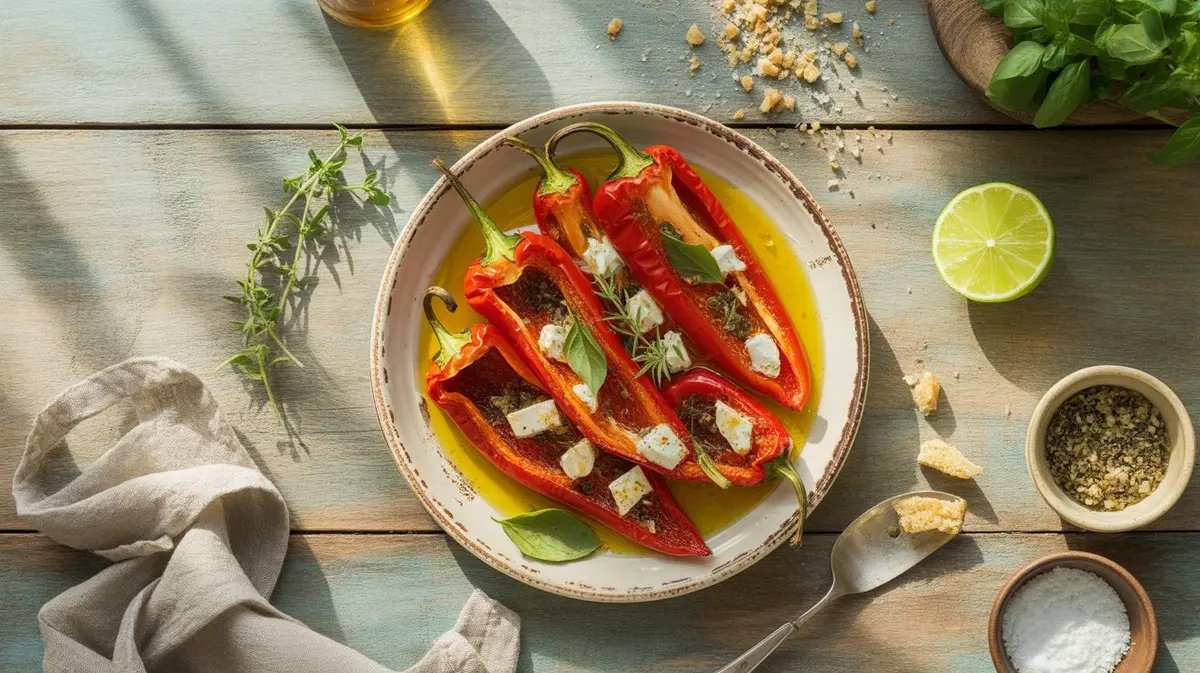
Roasting is where the Rezha Macedonian truly performs. The thin skin blisters quickly under high heat, and the flesh beneath softens into a sweet, concentrated paste that forms the base of traditional ajvar — the Balkan roasted pepper condiment made with eggplant, garlic, and olive oil.
For ajvar, peppers are typically roasted directly over flame or in a very hot oven, then peeled and slow-cooked down for hours. The Rezha's low moisture content means less reduction time compared to thicker-walled varieties.
Drying is another traditional use. Strings of Rezha peppers hung to dry in late summer are a common sight in Macedonian villages. Dried and ground, the powder has a sweet, slightly smoky depth — nothing like the generic paprika from supermarket spice racks.
Fresh, the pepper works well in salads and quick sautés. Its flavor profile also makes it a natural partner for feta, walnuts, and grilled meats. Anyone familiar with the earthy, dried-fruit depth of pasilla-style peppers will recognize a similar richness in dried Rezha, though the Macedonian variety skews sweeter and less bitter.
Substitution is possible with quality roasting peppers, but the flavor gap is real.
Where to Buy & How to Store
Fresh Rezha Macedonian peppers are nearly impossible to find in mainstream grocery stores. Your best options are specialty Eastern European markets, Balkan grocery importers, or farmers markets in areas with Macedonian or Serbian communities.
For seeds, look to heirloom seed companies and Eastern European seed exchanges. Baker Creek Rare Seeds and similar specialty suppliers occasionally carry Balkan pepper varieties.
Fresh peppers store well in the refrigerator for 1-2 weeks. For longer storage, roast and freeze in portions — they hold quality for up to 6 months frozen. Dried Rezha powder keeps for a year in a sealed container away from light and heat.
When selecting fresh peppers, look for fully red, wrinkled fruits with no soft spots.
Best Substitutes & Alternatives
Whether you ran out of or just want to try something different, these peppers make solid stand-ins. We picked them based on heat range, flavor overlap, and how well they actually work in the same dishes.
Our top pick: Sweet Italian Pepper (0–100 SHU). The heat level is close enough for a direct swap in salsas, sauces, and stir-fries. Flavor leans sweet and mild, so the taste will shift a bit — but the overall heat stays in the same range.
How to Grow Peppers
The Rezha Macedonian thrives in conditions that mimic its Balkan homeland — long, hot summers with low humidity and well-drained soil. In the US, it performs best in USDA zones 6-10, though it can succeed anywhere with a long enough warm season.
Start seeds indoors 8-10 weeks before last frost. Germination is reliable at soil temperatures between 75-85°F. Transplant after all frost risk has passed and nights stay consistently above 55°F. For guidance on getting seedlings established without losses, timing the transplant correctly matters more than most growers realize.
Spacing at 18-24 inches gives plants room to develop. Rezha plants tend toward medium height with a moderate canopy. They are not heavy feeders, but consistent moisture during fruit set prevents stress.
One issue to watch: thin-walled peppers like the Rezha can be more susceptible to pepper blossom end rot during irregular watering periods. Calcium availability and consistent irrigation are the two main preventive factors.
Fruits are typically harvested in late summer when fully ripe and red. Letting them hang on the plant to full maturity deepens flavor significantly. Compared to the thick-walled, high-yield NuMex-style Anaheim peppers, the Rezha produces a lighter load but with far more concentrated flavor per fruit.
Frequently Asked Questions
-
No — the Rezha Macedonian is a sweet pepper with essentially zero heat, sitting at the very bottom of the mild range. It is nothing like the sharp, numbing intensity of Sichuan-style peppers and poses no challenge to heat-sensitive eaters.
-
It is the primary pepper used in ajvar, the slow-roasted Balkan pepper relish made each fall across North Macedonia, Serbia, and neighboring countries. Its thin skin and low moisture content make it ideal for roasting, peeling, and reducing into rich, concentrated condiments.
-
Fresh Rezha peppers are rarely available outside specialty Eastern European markets or community farmers markets. Seeds are the more accessible option, available through heirloom seed companies and Balkan seed exchanges.
-
The Rezha has thinner walls and more concentrated flavor than standard supermarket sweet peppers, making it far better suited for roasting and drying. Unlike the habanero-shaped but completely heat-free appearance of the Habanada, the Rezha is distinguished by its ribbed, wrinkled surface and Balkan heritage.
-
Yes — they grow well in most of the continental US given a long warm season of at least 120 days. They perform similarly to other thin-walled heirloom sweet peppers and respond well to the same care as the rich, smoke-friendly mulato-type dried peppers in terms of heat and soil requirements.