Orange Habanero

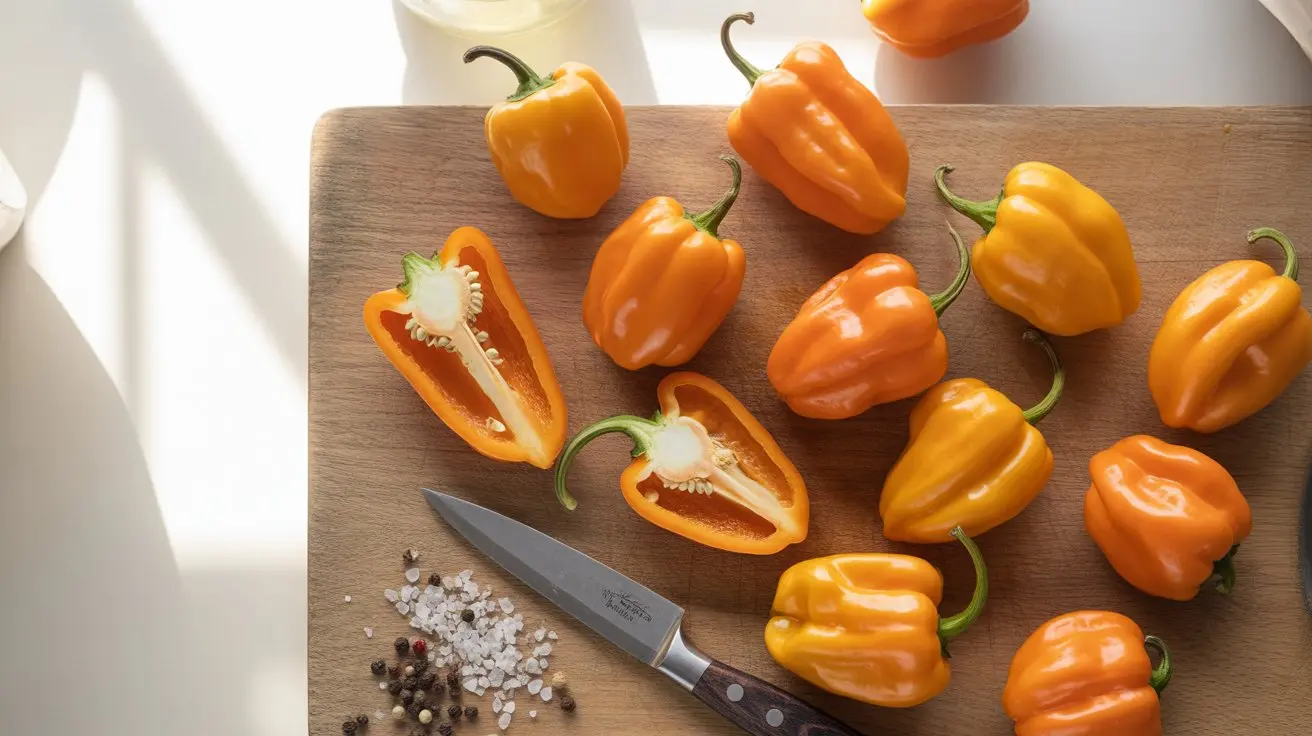
The orange habanero sits at 150,000–325,000 SHU — that's roughly 65 times hotter than a jalapeño — and delivers a bright, fruity heat that made it a cornerstone of Yucatán cooking long before it reached global hot sauce shelves. Its lantern-shaped fruit and floral aroma are instantly recognizable. This is the pepper that defined what C. chinense heat feels like for most people.
- Species: C. chinense
- Heat tier: Extra-Hot (100K–1M SHU)
- Comparison: 65x hotter than a jalapeño
What is Orange Habanero?
Long before hot sauce brands plastered its image on bottles, the orange habanero was a kitchen staple in the Yucatán Peninsula, where cooks prized it as much for its floral, fruity depth as for its fire.
At 150,000–325,000 SHU, it occupies the lower end of the extra-hot pepper intensity bracket — fierce but not reckless. The heat builds steadily after the first bite, spreading across the palate and lingering for minutes. That slow build is partly what makes it so useful: you get warning before the full effect lands.
The fruit itself is distinctive — a wrinkled, lantern-shaped pod that starts green and ripens to a vivid orange. Walls are thin, which concentrates both flavor and capsaicin. The aroma is genuinely floral, almost tropical, with stone fruit notes that make it unlike most other peppers in its heat range.
Botanically, it belongs to the C. chinense species, which includes some of the world's most heat-intensive peppers. Within that group, the orange habanero is notable for balancing flavor complexity with serious heat — something not every C. chinense variety manages.
Compared to the smoky, chocolate-toned heat of the chocolate habanero, the orange version leans brighter and more acidic. That quality makes it especially effective in fresh preparations where you want heat that doesn't muddy other flavors.
History & Origin of Orange Habanero
Domesticated cultivation of C. chinense peppers traces back thousands of years in Amazonian South America, but the orange habanero found its cultural home in Mexico's Yucatán Peninsula. By the time Spanish colonizers arrived, it was already woven into the food traditions of the Maya.
The name "habanero" derives from La Habana — Havana, Cuba — reflecting the trade routes that carried these peppers through the Caribbean. Despite the Cuban association in its name, the Yucatán remains the heart of its cultivation and culinary identity.
For centuries, habanero varieties were grown primarily in Mexico and the Caribbean. The regional pepper tradition of Mexico treated the orange habanero not as an extreme ingredient but as a standard component of salsas, marinades, and table condiments. It wasn't until the 1990s, when the Guinness Book of World Records named it the world's hottest pepper, that global demand exploded — a title it has since lost to far more extreme varieties.
How Hot is Orange Habanero? Heat Level & Flavor
The Orange Habanero delivers 150K–325K Scoville Heat Units, placing it in the Extra-Hot tier (100K–1M SHU). That makes it roughly 65x hotter than a jalapeño.
Flavor notes: fruity and floral.
Orange Habanero Nutrition Facts & Health Benefits
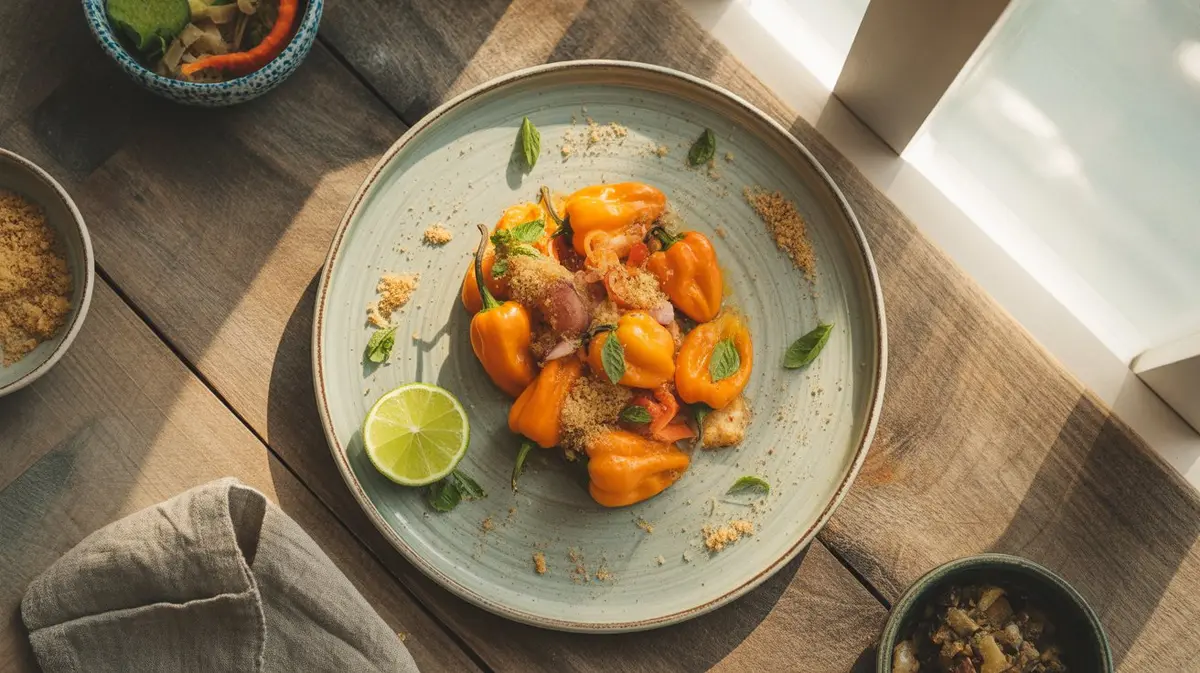
Orange habaneros are nutritionally dense for their size. A single pod — roughly 5–8 grams — delivers a meaningful dose of vitamin C, often exceeding what you'd get from the same weight of orange flesh. They also contain vitamin A precursors from the carotenoids responsible for their color, plus vitamin B6 and potassium.
Capsaicin, the compound driving the heat, has been studied for anti-inflammatory and metabolic effects, though the quantities consumed in cooking are modest. Habaneros are very low in calories — roughly 40 calories per 100g — and contain negligible fat. The thin walls mean lower water content and higher concentration of both flavor compounds and nutrients per gram than thicker-walled peppers.
Best Ways to Cook with Orange Habanero Peppers
The orange habanero is at its best when the cooking method respects both its heat and its flavor. Charring it briefly under a broiler or on a dry comal softens the sharpness and pulls out deeper, almost caramelized notes — a technique central to Yucatecan salsa de habanero.
For fresh applications, pairing it with mango, pineapple, or citrus is not just a cliché — the acidity and sweetness genuinely temper the heat while amplifying the pepper's own fruity character. A simple mango-habanero salsa with lime juice and red onion is one of the most efficient flavor combinations in the hot pepper world.
In hot sauce production, the orange habanero is a workhorse. Its thin walls mean less moisture to cook off, and its floral top notes survive fermentation better than many other peppers at this heat level. The tangy sweetness that Caribbean cooks get from Scotch Bonnets translates similarly here — both peppers share enough flavor DNA to be interchangeable in many recipes.
One practical note: a little goes a long way. Start with half a pod in any dish meant for a crowd. The heat is cumulative, and the floral aromatics can overpower a dish if you're not paying attention to quantity. See the fresh vs dried pepper guide for how drying changes the flavor profile — dried habaneros lose some of the floral top notes but gain a more concentrated fruitiness.
Where to Buy Orange Habanero & How to Store
Fresh orange habaneros are available at Latin grocery stores year-round and increasingly at mainstream supermarkets during summer and fall. Look for pods with taut, unbroken skin and consistent orange color — soft spots or wrinkling indicate age.
Refrigerate fresh pods in a paper bag (not plastic) for up to 2 weeks. For longer storage, freeze whole pods without blanching — they retain most of their heat and flavor for 6–12 months and can go straight from freezer into a hot pan.
Dried or powdered habanero is widely available, though the floral notes fade noticeably. Check the guide on Mexican dried chile preparations if you're working with dried forms in traditional recipes.
Best Orange Habanero Substitutes & Alternatives
Whether you ran out of orange habanero or just want to try something different, these peppers make solid stand-ins. We picked them based on heat range, flavor overlap, and how well they actually work in the same dishes.
Our top pick: Habanero (100K–350K SHU). Same species (C. chinense) and nearly the same heat, so it swaps in at a 1:1 ratio without changing the character of the dish. The flavor leans fruity and citrusy, which is close enough that most people won’t notice the difference in a cooked recipe.
How to Grow Orange Habanero Peppers
The hardest part of growing orange habaneros isn't germination — it's the long wait. These plants need 90–120 days from transplant to ripe fruit, which means any delay in the season compounds quickly. In short-summer climates, start seeds indoors 10–12 weeks before your last frost date.
Soil temperature is the real gating factor. C. chinense varieties stall below 65°F (18°C) and thrive between 75–85°F (24–29°C). Cold soil in early spring will slow a plant that's already working against the clock.
Spacing matters more than most growers expect. Give each plant 18–24 inches — orange habaneros bush out significantly, and crowded plants produce less fruit and are more prone to fungal issues in humid conditions. Full sun is non-negotiable: less than 6 hours and you'll get foliage at the expense of pods.
For growers interested in the cultivation characteristics of similarly demanding C. chinense varieties, the management approach is nearly identical — both need consistent moisture without waterlogging and benefit from calcium supplementation to prevent blossom end rot.
Fertilize with a balanced feed through vegetative growth, then shift to lower nitrogen once flowering begins. Too much nitrogen late in the season pushes leaf growth instead of fruit set. Harvest when pods are fully orange for peak heat and flavor.
Frequently Asked Questions
-
The two peppers overlap almost entirely — both range from 100,000 to 350,000 SHU, with the orange habanero typically measured at 150,000–325,000 SHU. In practice, they're interchangeable in recipes, though the orange habanero tends to have a slightly brighter, more floral character while the sweet-heat profile common in Caribbean cooking leans a touch sweeter.
-
Yes, and many traditional Yucatecan preparations use them raw in fresh salsas and table condiments. The key is quantity — most recipes call for half a pod or less per serving, since the heat builds cumulatively and the floral aroma can dominate a dish if overdone.
-
The flavor is genuinely fruity and floral — think stone fruit and citrus peel with a tropical edge. That complexity is what separates it from peppers that deliver heat without much flavor, and it's why the orange habanero pairs so naturally with mango, pineapple, and citrus-based sauces.
-
The orange habanero is the standard habanero most people encounter — it's the most widely grown and commercially distributed form. Other habanero variants like the pale, intensely aromatic ivory-colored habanero or the deeply colored, smokier Panamanian variety with its bold round shape are distinct cultivars within the same species.
-
From transplant to ripe fruit, expect 90–120 days under good conditions — full sun, warm soil, and consistent moisture. In northern climates with short growing seasons, starting seeds indoors 10–12 weeks before the last frost date is essential to getting a full harvest before temperatures drop.
- Chile Pepper Institute — Capsicum Species Overview
- USDA FoodData Central — Hot Peppers, Raw
- DeWitt, D. & Bosland, P.W. — The Complete Chile Pepper Book
- New Mexico State University Extension — Growing Chiles
Species classification: C. chinense — based on published botanical taxonomy.